Bad Bunny’s halftime show was never meant to be neutral entertainment. From the opening moments, it positioned itself as a political statement rooted in Puerto Rican history, colonial trauma, and resistance.
What looked like a visually rich performance on the surface unfolded as a layered narrative about exploitation, erasure, and survival, aimed not just at fans, but at the power structures that have shaped Puerto Rico’s reality for decades. This interpretation is based on the accounts of Miss Angelina and Brian Baez, who took to social media to explain the scenes that unfolded.
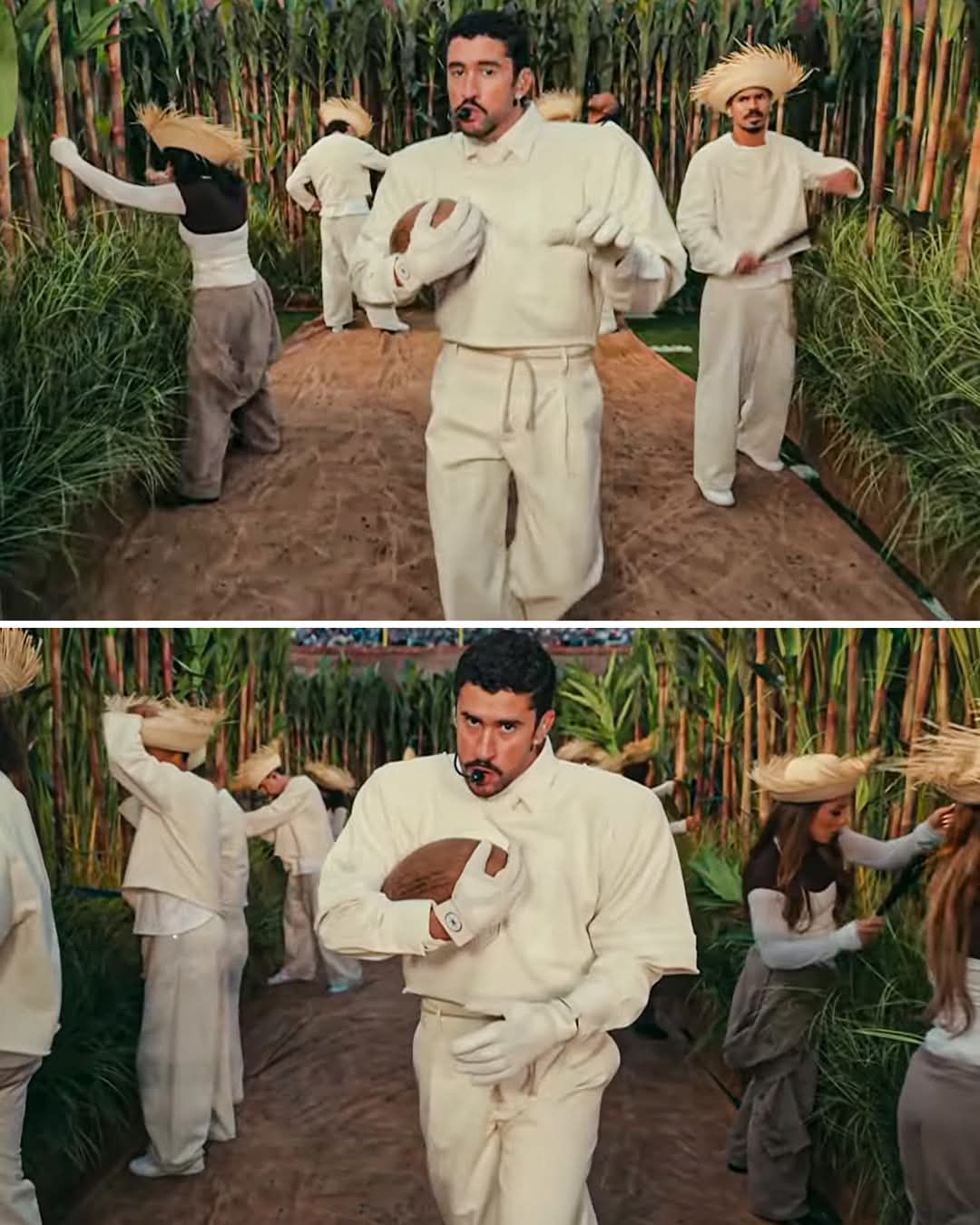
The show opened in the sugarcane fields of Puerto Rico, a setting loaded with meaning. Sugarcane is inseparable from the Caribbean’s history of slavery, forced labor, and land exploitation under colonial rule.
By starting there, Bad Bunny anchored the performance in a past that continues to define the present. This was not nostalgia or aesthetics. It was a reminder that modern Puerto Rico still lives with the consequences of imperial extraction and control.
Gentrification, New York, and a Quiet Act of Defiance
The performance then moved to New York City, specifically Nueva York, a cultural home for the Puerto Rican diaspora. Bad Bunny walking into a bar and taking a shot with Toñita carried more weight than most viewers realized.
Toñita is a real woman who owns the Caribbean Social Club in Williamsburg, one of the last Puerto Rican establishments in a neighborhood transformed by gentrification. She has resisted repeated attempts to push her out, refusing to sell even as property values and outside pressure rise.
Her presence symbolized cultural refusal and the fight to remain visible in spaces designed to erase people like her.
A subtle but powerful detail followed. Before fully revealing himself, Bad Bunny appeared wearing a football jersey with the number 64. As Brian Baez later explained, that number references the Trump administration’s official claim that only 64 people died after Hurricane Maria.
According to him, the real death toll was closer to 3,000. The jersey quietly accused the U.S. government of minimizing Puerto Rican suffering and manipulating numbers to avoid accountability.
View this post on Instagram
Lady Gaga, a Banned Color, and Historical Memory
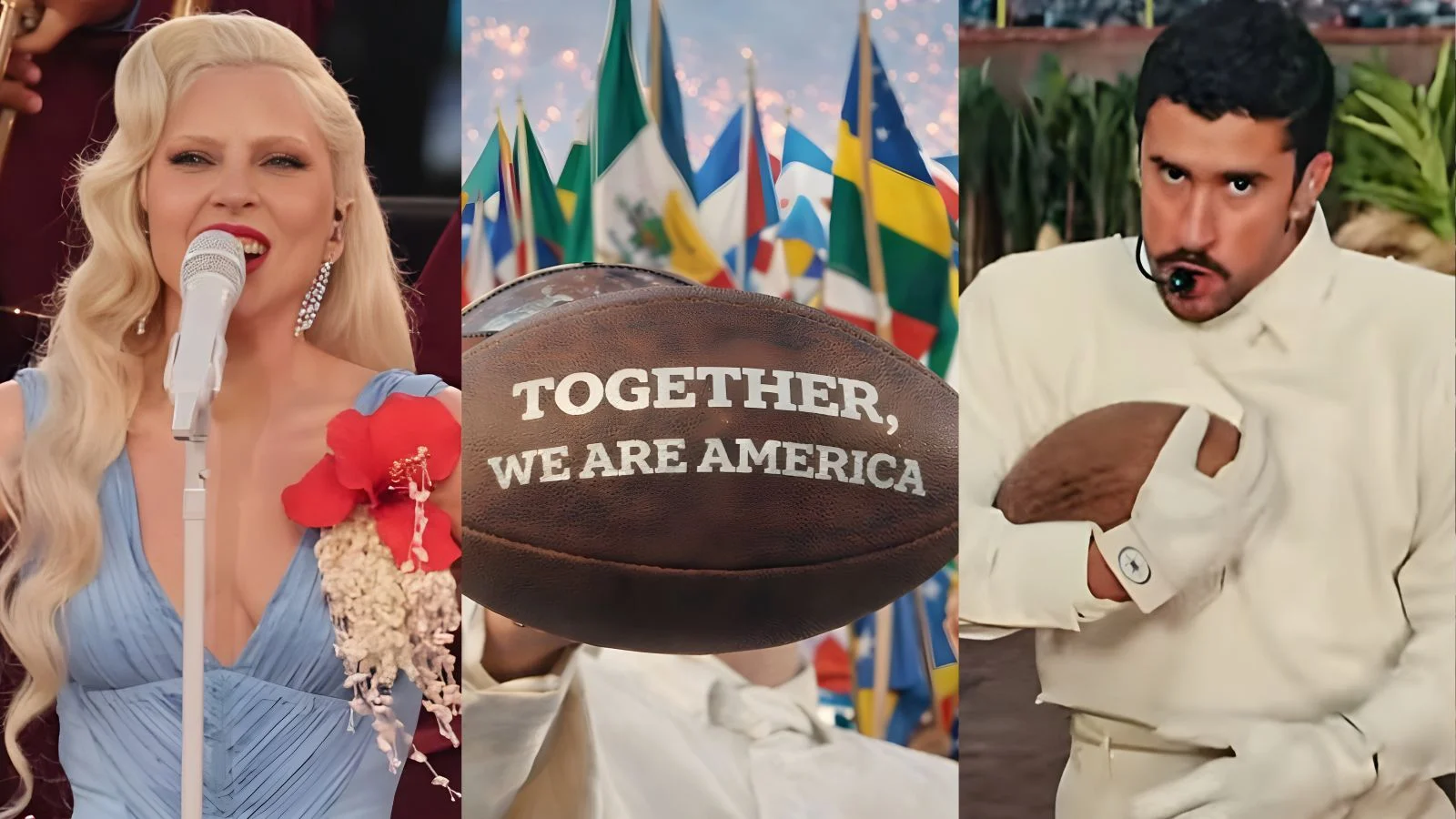
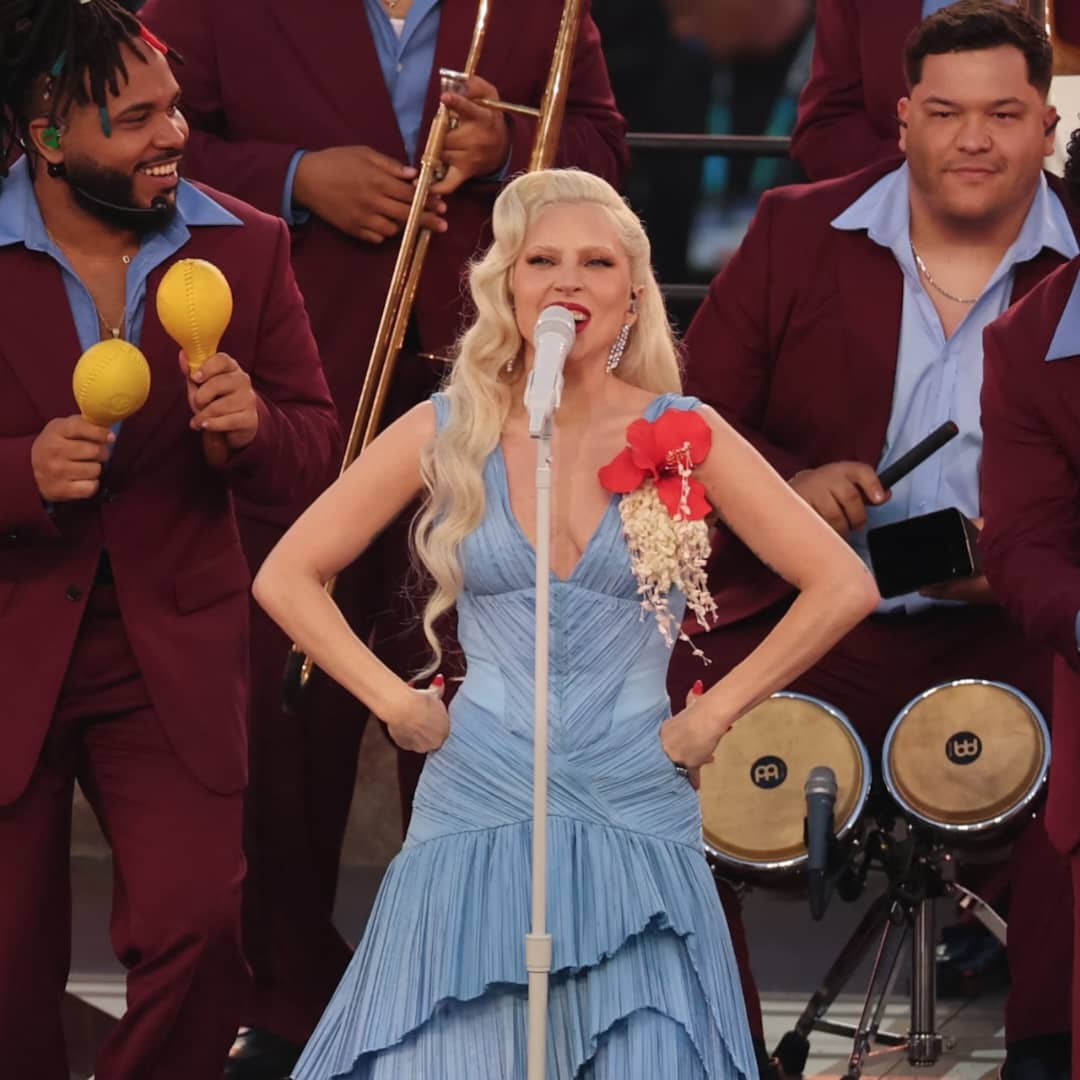
Lady Gaga’s appearance added another layer of symbolism that went largely unnoticed. She wore a light blue dress, the original blue of the Puerto Rican flag. That color was banned after the United States passed La Ley de la Mordaza in 1948, a law that made it illegal to display the Puerto Rican flag or advocate for independence.
BAez said people were jailed and killed for flying it. The darker blue used today was imposed to mirror the American flag and support statehood narratives. By wearing the light blue, Gaga aligned herself with resistance, sovereignty, and historical truth. Her Flor de Maga corsage, Puerto Rico’s national flower, reinforced the cultural significance of the moment.
A Warning Sung in an Empty Community
Ricky Martin then appeared singing Bad Bunny’s song, warning that Puerto Rico must not suffer the same fate as Hawaii. The message was clear. Hawaii’s annexation led to displacement, cultural dilution, and loss of sovereignty, a future many Puerto Ricans fear.
The setting mirrored Bad Bunny’s album cover, where Puerto Ricans gather in community around white plastic chairs. In the album art, the chairs are empty, symbolizing neighborhoods hollowed out by gentrification and forced migration. That emptiness was not accidental. It was the story.
As Ricky Martin sang, exploding light posts interrupted the scene while jíbaros, the rural working class, tried to fix them. The imagery reflected Puerto Rico’s failing power grid, a crisis tied to privatization, corruption, and political neglect. The message was blunt. When systems fail, ordinary people are left to fix what leaders abandon.
Bad Bunny did not stay detached from the scene. He sang “El Apagón” from the ground, holding the Puerto Rican flag and staring directly into the camera. That choice made his message outward-facing, aimed at a global audience. He then put the flag down and climbed the light post himself.
It was a symbolic act of solidarity, signaling that resistance is collective and leadership means shared labor. The performance consistently centered community, not the celebrity.
View this post on Instagram
Redefining “America” and Who It Belongs To
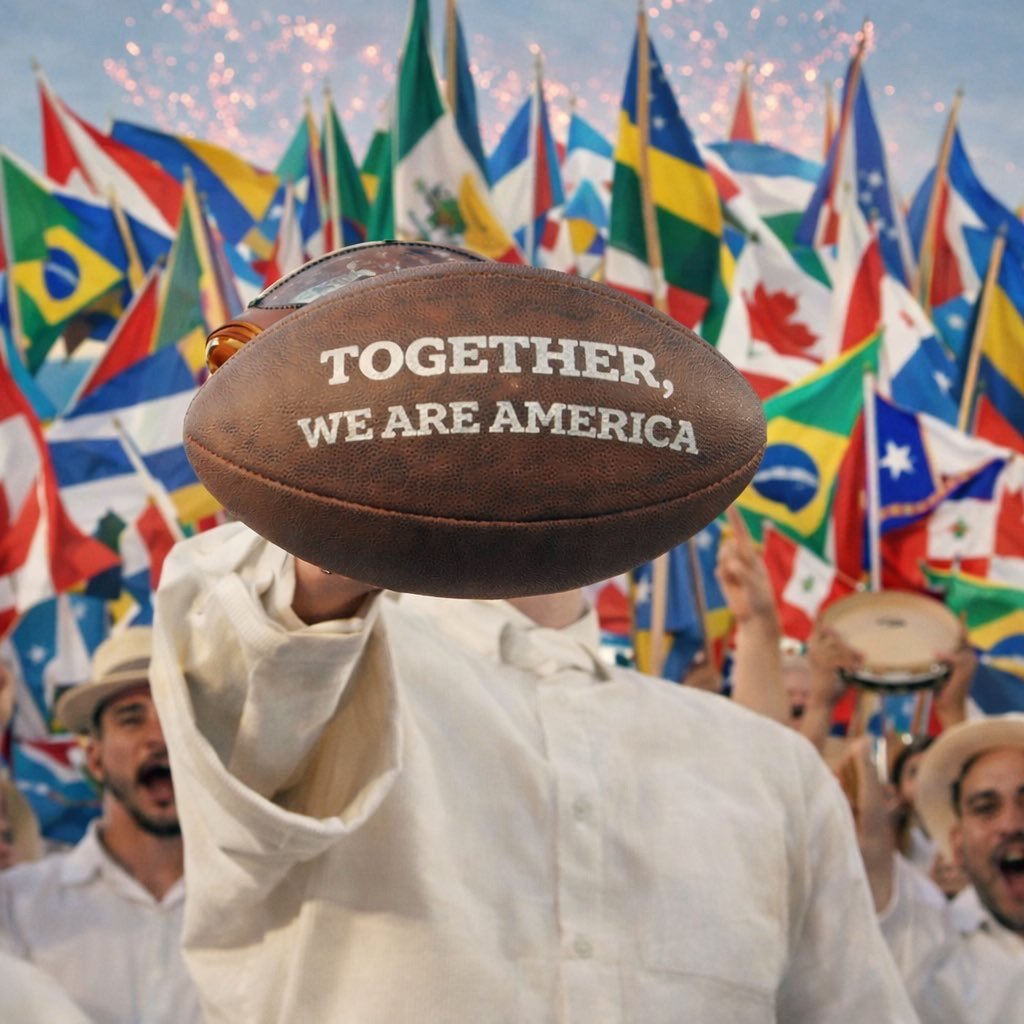
Near the end, Bad Bunny looked at the football and said, “God bless America.” Many English-speaking viewers stopped listening there. Immediately after, he said “sí,” meaning “so be it,” and then listed countries across the Americas.
He began with South America, moved through Mexico and the Caribbean, then named the United States and Canada, deliberately reframing America as a continent rather than a single nation. He ended by censoring Puerto Rico, highlighting its political invisibility.
The message was unmistakable. America does not belong solely to the United States. It includes the countries and people historically marginalized, exploited, and ignored. The performance decentered U.S. dominance and asserted a broader, more inclusive definition of identity. For many viewers, especially those aligned with nationalist politics, that was the real provocation.
Bad Bunny’s halftime show did not ask for approval. It demanded attention. For some, it was just music. For others, it was a confrontation with uncomfortable truths. That divide explains why the performance continues to spark debate. What did you see when you watched it, celebration or resistance?
What do you think about this interpretation of the halftime show performance?