Two weeks into 2026, the internet decided the past was a safer neighborhood than the present.
The phrase “2026 is the new 2016” started spreading across TikTok and Instagram, with oversaturated throwback posts, old camera-roll dumps, and clips designed to look like they were filmed on an iPhone with a headphone jack. Celebrities joined in, too, because it’s low-effort and high-engagement.
What the Trend Actually Is
Post something that screams 2016, then let the audience do the rest. That can mean a throwback selfie, a “ten years ago” photo dump, or a brand new video edited to look like the 2016 internet, with heavy filters, blown-out contrast, and a soundtrack pulled straight from the era’s playlists.
The shorthand does the marketing. “2016” tells people what mood to feel before they even scroll.
The Rio Filter Is Doing All the Work
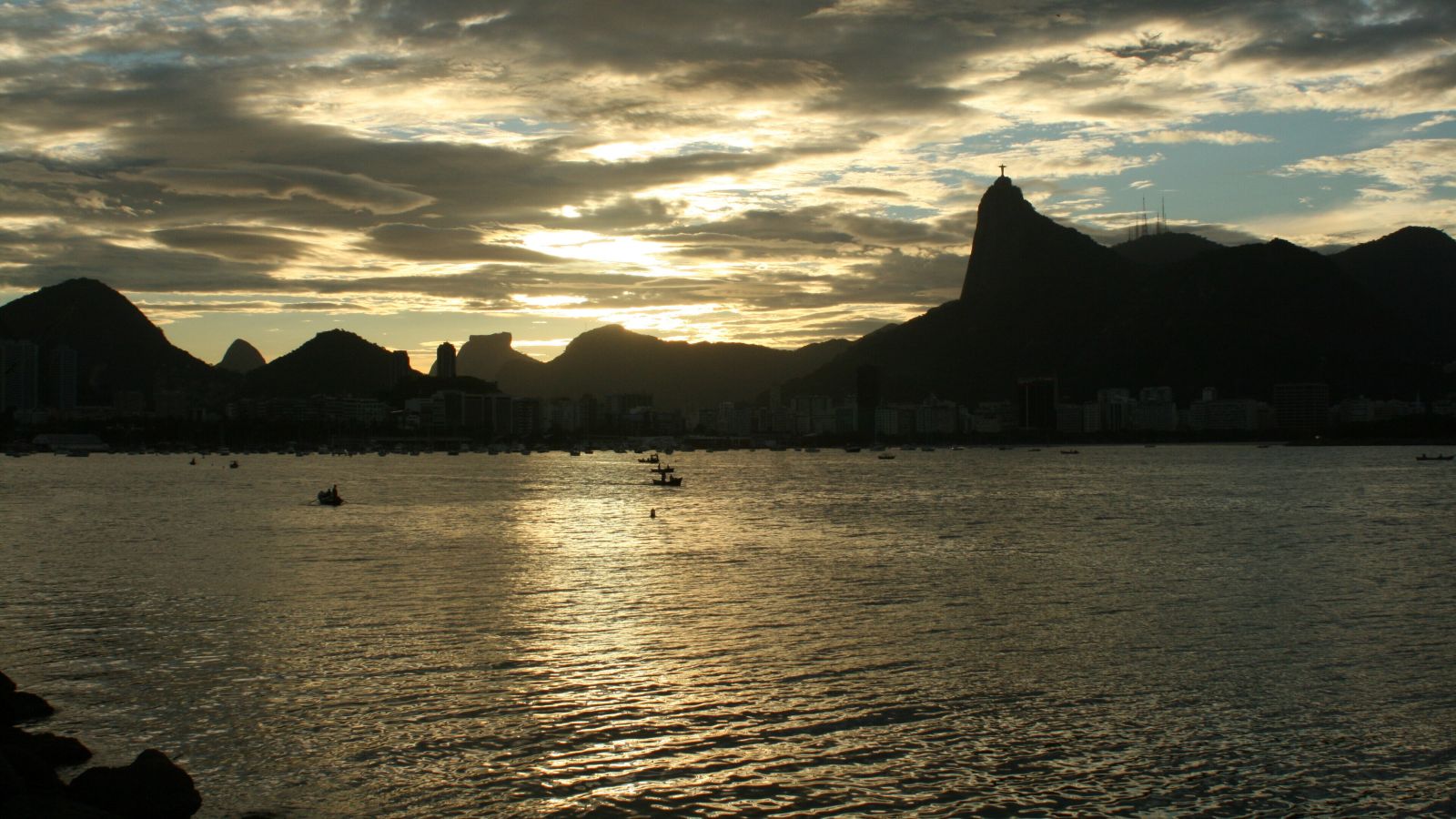
A lot of the posts lean on the same visual language, including Instagram’s Rio de Janeiro filter look, which makes everything feel warmer, louder, and slightly unreal. It’s nostalgia as color grading.
You’re not being transported to Brazil. You’re being transported to your own memory of what “fun online” used to look like.
Celebrities Gave It Scale
The cleanest version is the “I heard it’s 2016 again” post. It lets celebrities play it casual while still steering the vibe.
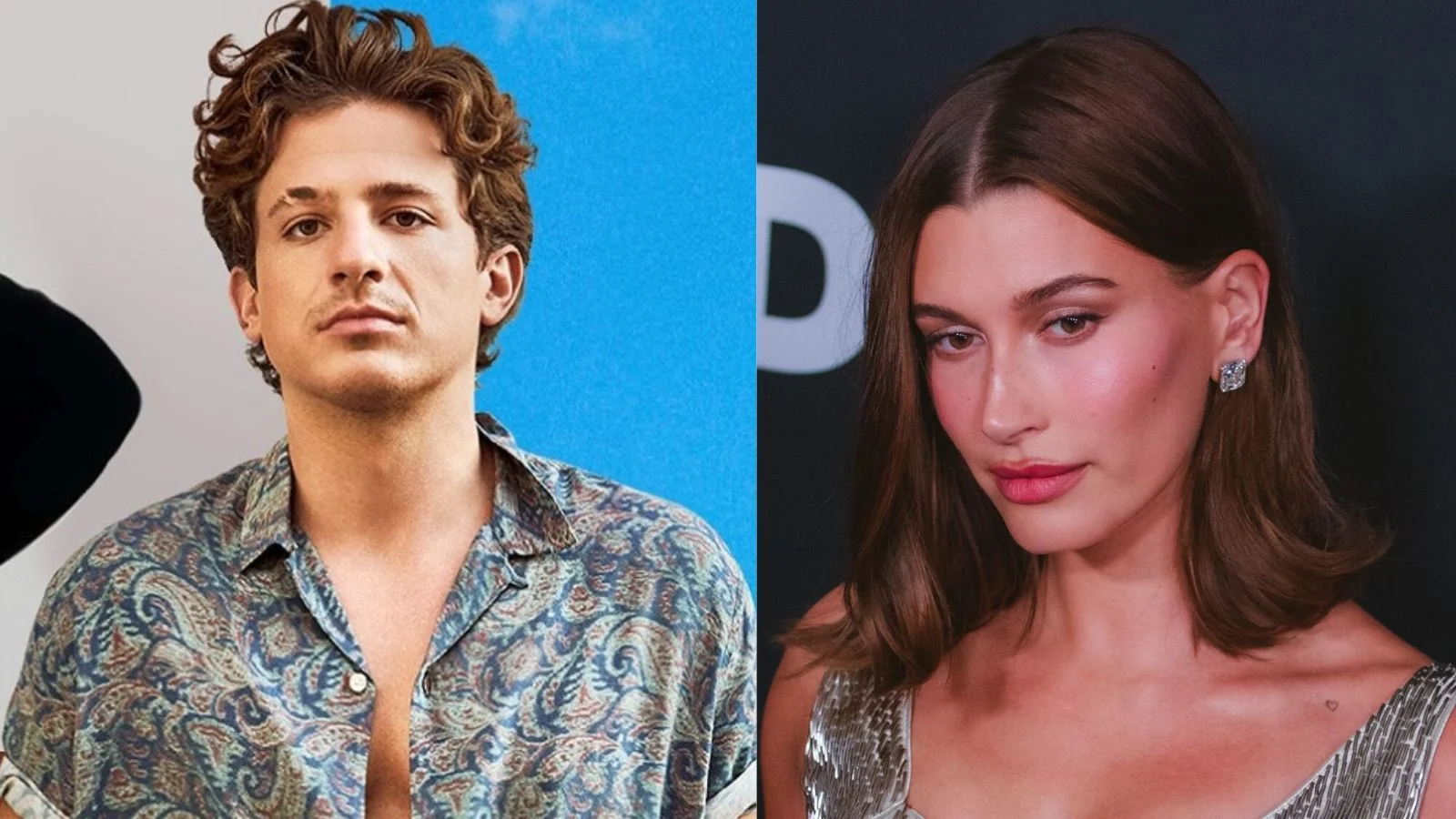
According to PEOPLE, Charlie Puth captioned a heavily filtered clip “Heard it was 2016 again?” while lip-syncing to “We Don’t Talk Anymore,” his 2016 hit with Selena Gomez.
The outlet also reports Hailey Bieber posted a TikTok lip-syncing to MadeinTYO’s 2016 track “I Want (Skr Skr),” then panned to Kendall Jenner and Justine Skye, with fans filling the comments with their own throwback photos.
This is why celebrity participation matters. Regular people do nostalgia all the time. Celebrities turn it into something communal because the replies start supplying the receipts.
Nostalgia Is a Mood Stabilizer. It’s Not a Personality
This wasn’t just random reminiscing. As Vogue points out, people aren’t begging for the politics and disasters of 2016 to return. They’re reaching for the cultural tone of that era, the version of the internet that felt more shared and less exhausting.
Nostalgia becomes a shortcut when the present feels fragmented. And as one culture journalist told ABC News, people are longing for a time that felt “simpler” and “optimistic.”
The trend spiked fast, got its celebrity moments, and started to move on, because that’s how the internet works. The more useful takeaway is what it signals. People want more communal, low-stakes fun. They’re time-traveling to get it.
If you needed “2016 again” to remember how to have fun online, that’s not an aesthetic problem.
That’s a 2026 problem.