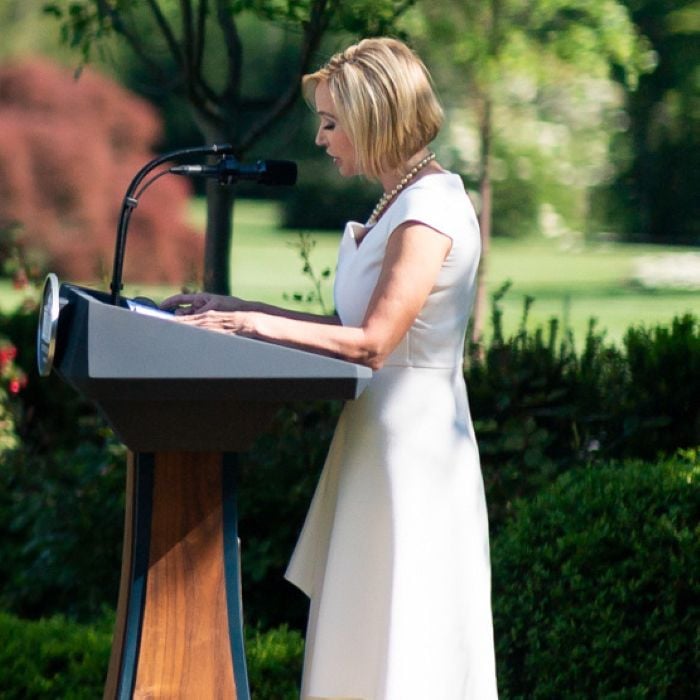
Everyone already saw the Paula White-Cain moment. Trump’s spiritual adviser compared his suffering to Jesus’. The clip spread fast, and the White House later removed the video from public view. That was always going to eat the coverage. It was strange, vain, and perfectly built for the internet. But it was not the darkest thing said at that Easter lunch.
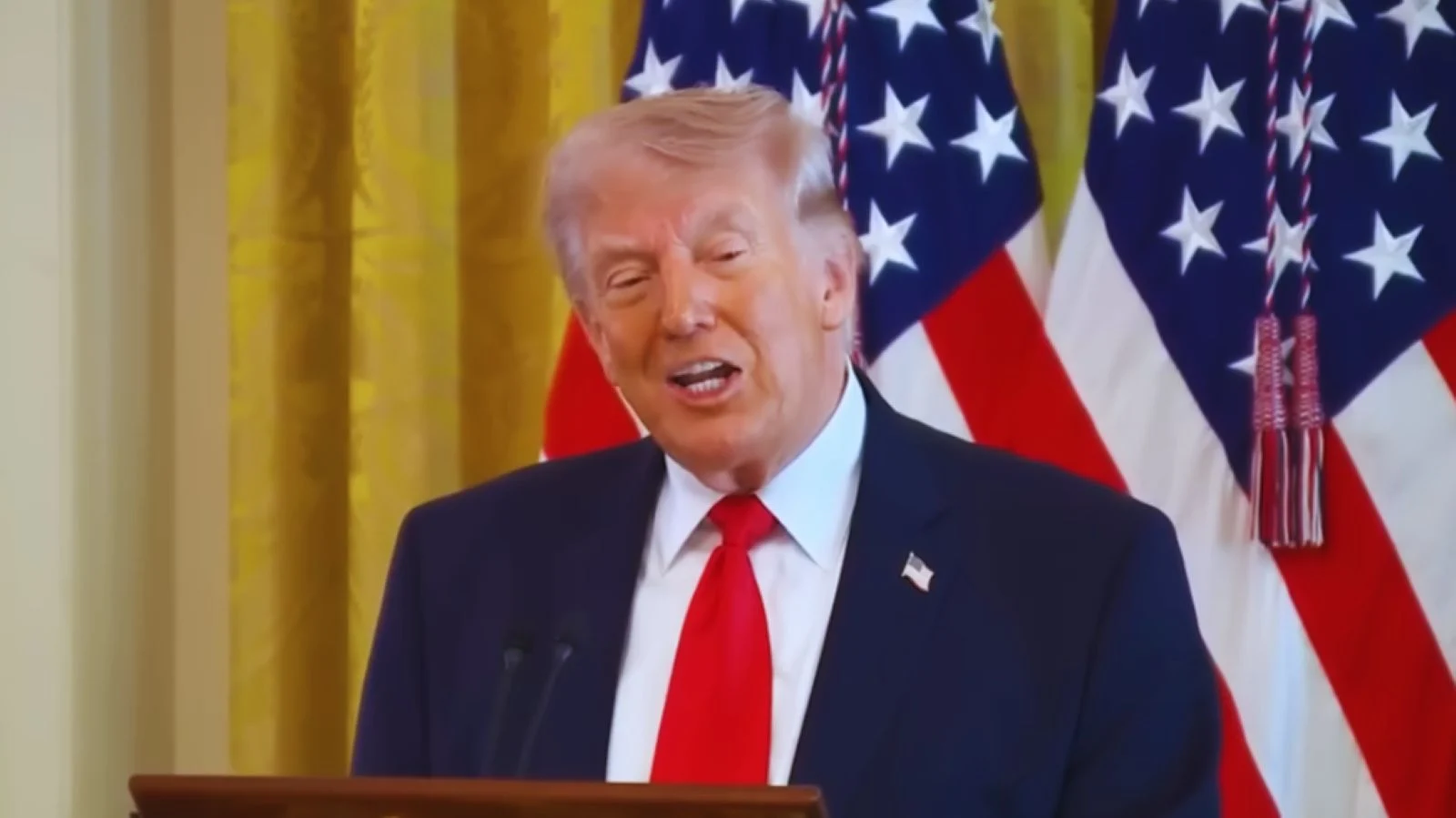
The darker line came from Trump himself. Speaking in the East Room on April 1, he praised the national motto, “In God We Trust,” and then turned on the people he said reject that vision of America. There are “groups of people,” he said, for whom that model is “unacceptable.” His answer was not debate. “We don’t deal with them. We cast them aside,” Trump said. “There’s no talking to these people. They’re crazy.” He followed that with the line that made the whole speech harder to shrug off: “That’s why this Easter we are bringing back religion to America.”
That changes the story. This was not Trump winging it at a rally in front of a crowd that came to be entertained. This was an official White House Easter lunch. It was closed to the press. It included top administration figures and faith leaders. And the clip became public only because the White House briefly posted the video and then pulled it back.
The Line Under the Line
Earlier in the same event, Trump had already gone into the kind of riff that turns everything into a grievance. While talking about Palm Sunday, he noted that Jesus entered Jerusalem as crowds honored him as king, then added, “They call me king now.” He used the joke to complain about the legal fight over his planned White House ballroom. That line got attention because it was cartoonishly Trump. The “cast them aside” line mattered more because it said something cleaner and uglier about the project underneath it.
This isn’t new language operating in a vacuum. Trump has been building that project for more than a year. At the 2025 National Prayer Breakfast, he said he wanted to bring religion back “stronger, bigger, better than ever before.” In February 2025, he created the White House Faith Office, and the White House announced Paula White-Cain as a senior adviser in it. That same office was sold as part of a broader push to defend religious liberty and address anti-Christian bias. The Easter lunch gave that pitch a much harder edge. It sounded less like protection and more like sorting.
The Split Is Real, and It Is Not Simple
Trump supporters are going to hear this very differently from his critics. Plenty of religious conservatives think public life has spent years treating traditional faith as something embarrassing or disposable. They hear Trump say he is “bringing back religion to America,” and they hear a president finally siding with them in a culture fight they think they have been losing for years. That reaction is real.
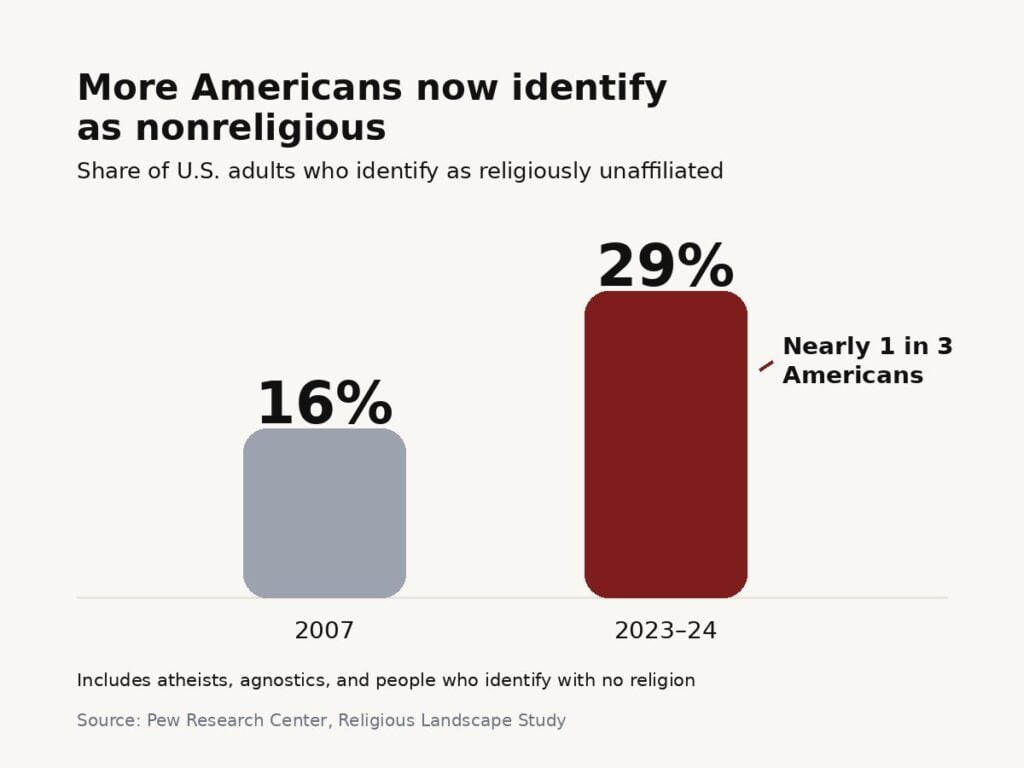
The problem is that presidents are not pastors for one faction. They are supposed to govern a country full of people who do not share the same theology, the same church, or any church at all. Pew’s latest Religious Landscape Study found that 29% of U.S. adults identify as religiously unaffiliated, up from 16% in 2007. That does not mean all of them reject the national motto or want religion banished from public life. It does mean tens of millions of Americans just heard the president talk about people who resist his preferred religious framing as crazy and fit to be cast aside.
That is why the Jesus comparison, for all its obvious click value, is not the whole story. Even some Christian critics recoiled from Paula White-Cain’s remarks during Holy Week. But Trump’s own words are what turned the lunch from cringe theater into something more revealing. He was not simply praising faith. He was drawing a line between the America he was blessing and the people he was prepared to dismiss.
The video got pulled. The clips stayed alive. But the line about casting people aside got buried under the Jesus comparison.
And that is the part no one should let slide just because the clip looked ridiculous. Trump says he is bringing religion back to America. Fine. But if that promise comes with a list of people who are “crazy,” unreachable, and ready to be cast aside, then what exactly is being restored here — faith in public life, or power dressed up in church language?