Donald Trump’s second term has not just reshaped policy. It has reshaped symbols.
Across government, culture, and public space, Trump’s name and likeness have been formally attached to institutions that once stood apart from any single presidency. Supporters call it legacy-building. Critics call it unprecedented self-branding.
Here is a clear look at everything renamed after Donald Trump last year, how it happened, and why each move triggered backlash.
The Trump–Kennedy Center
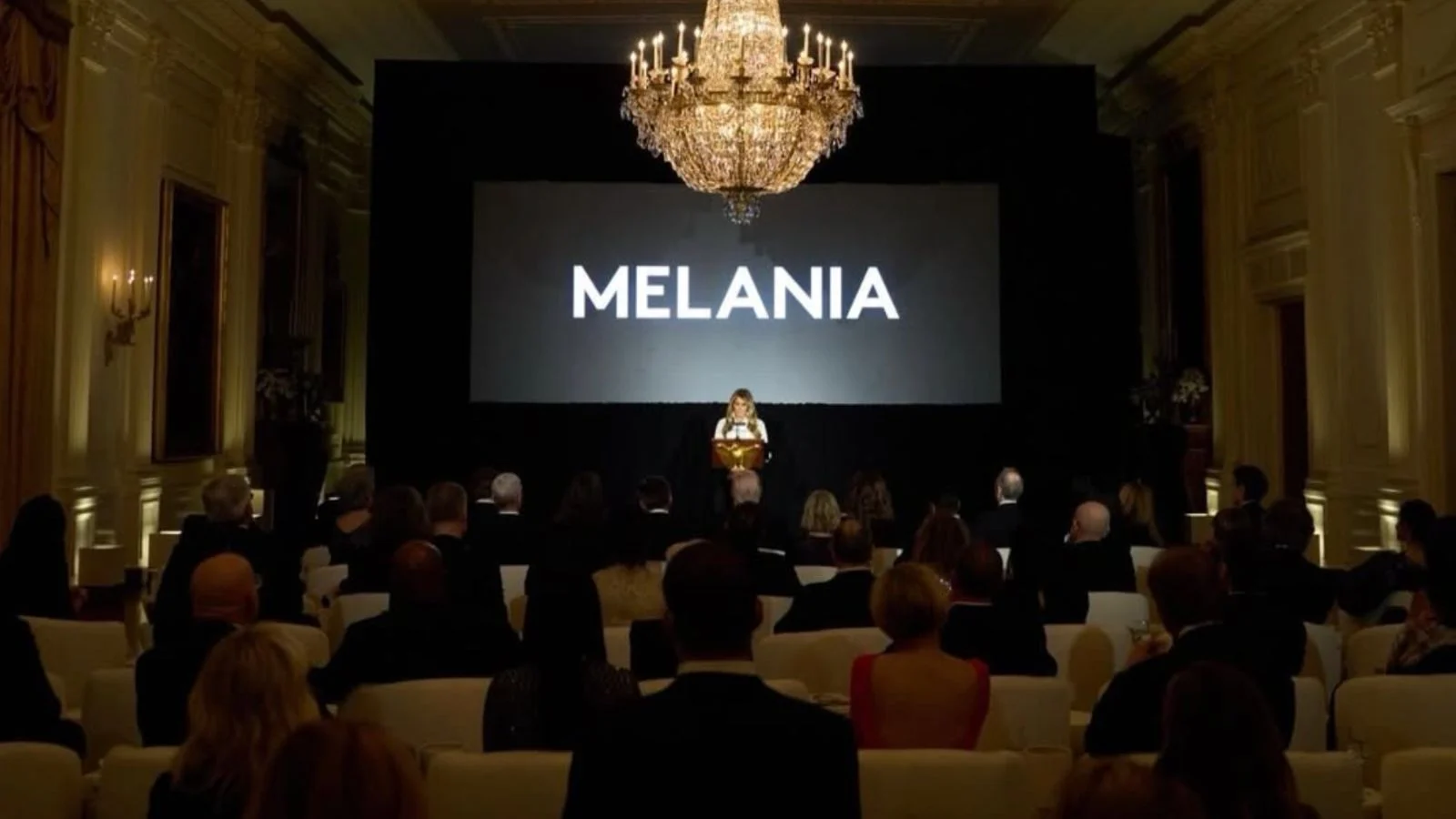
This is the most explosive renaming that came in December. The White House announced that the John F. Kennedy Memorial Center for the Performing Arts would now carry Trump’s name as well. Its new title became the Donald J. Trump and John F. Kennedy Memorial Center for the Performing Arts, shortened publicly to the Trump–Kennedy Center.
The vote was unanimous. Every board member had been appointed by Trump. He had recently named himself chairman and replaced key positions with allies and administration officials. Soon after, the center’s website updated its branding to reflect the new name.
Members of the Kennedy family publicly condemned the move. Maria Shriver called it incomprehensible and unacceptable, arguing that a memorial honoring President Kennedy was never intended to be altered by a sitting president. Democratic trustees raised legal concerns, pointing out that congressional approval may be required.
Supporters argued the center had always claimed to be bipartisan and that the change simply reflected modern leadership. The debate remains unresolved.
Donald J. Trump U.S. Institute of Peace
Earlier in December 2025, Trump’s name was added to a major foreign policy institution.
The U.S. Institute of Peace officially became the Donald J. Trump U.S. Institute of Peace after a long legal and political struggle over control of the organization. The institute was created by Congress and traditionally operated independently from the executive branch. Former leadership and staff continue to challenge the federal takeover in court.
Despite that, the State Department announced the renaming, framing it as recognition of Trump’s dealmaking legacy. A peace signing ceremony involving leaders from Congo and Rwanda was held under the new name on December 4.
Secretary of State Marco Rubio publicly praised the move, saying Trump would be remembered as a president of peace and that the department should reflect that message.
Critics saw it differently. California Governor Gavin Newsom mocked the rebrand by sharing a parody image of a fictional “KFC Institute for Veganism,” highlighting what he viewed as political absurdity.
The Trump Gold Card Program
Renaming extended beyond buildings into immigration policy. In early 2025, the Department of Homeland Security launched the Trump Gold Card, a fast-track residency and citizenship program for wealthy applicants.
The price was steep. A $1 million payment to the U.S. Treasury. A corporate option required $2 million, and a planned Platinum tier promised extended stays for $5 million.
Supporters described the program as a way to attract global capital and reduce budget pressure. Critics labeled it “citizenship for sale,” arguing that it undermined fairness in immigration law. The use of Trump’s name made the debate sharper. This was not just policy. It was branding.
Trump Accounts for Children
In December 2025, the Treasury Department unveiled another initiative carrying the president’s name.
Trump Accounts were introduced as tax-advantaged investment accounts for children born between January 1, 2025, and December 31, 2028. The program stemmed from Trump’s sweeping tax and spending law passed earlier in the year.
Treasury officials promoted it as a long-term investment in American families and financial literacy.
Opponents argued that attaching a sitting president’s name to a federal savings program blurred ethical lines and turned public policy into a personal legacy project.
Trump on National Park Passes
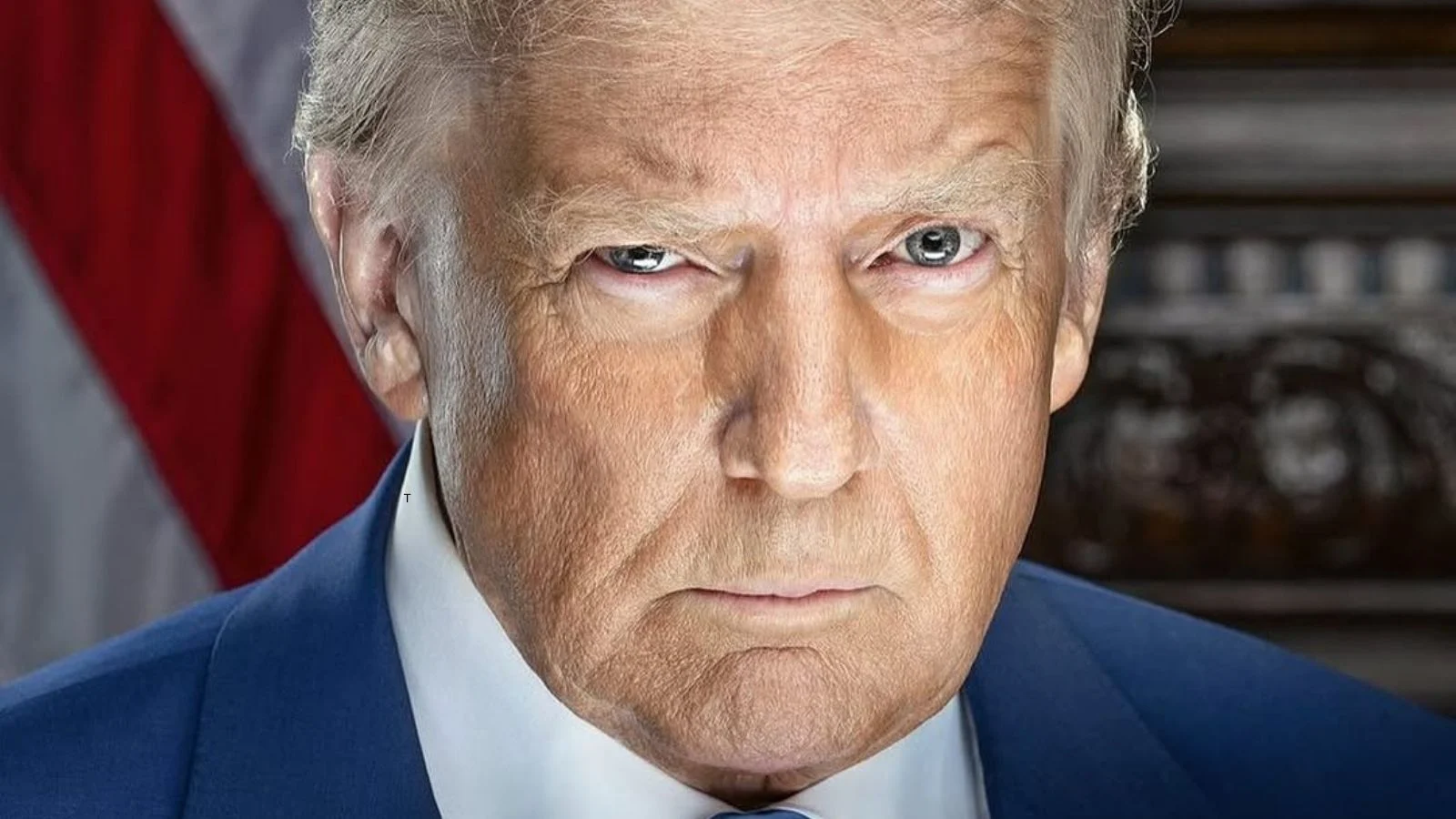
The most visible change came from the Interior Department. In December, officials revealed a redesigned national park pass featuring a portrait of Donald Trump. The passes grant access to more than 2,000 federal recreation sites nationwide.
Interior Secretary Doug Bergum framed the update as part of America’s 250th anniversary celebrations and a tribute to those who protect public lands. Environmental groups were not convinced.
Within days, conservation organizations filed a federal lawsuit seeking to block the rollout before the 2026 season. They argued the redesign politicized public lands and violated long-standing neutrality rules governing national parks. The lawsuit is still pending.
Why These Changes Matter
Taken individually, each renaming can be defended or criticized on narrow grounds. Taken together, they tell a broader story.
Trump’s second term has pushed the boundaries of how a president embeds himself into public institutions. Buildings, programs, passes, and policies now carry his name in ways rarely seen in modern American politics.
Supporters see a president unapologetic about legacy. Critics see the erosion of institutional independence. The larger question remains unanswered.
Where does presidential legacy end, and personal branding begin?