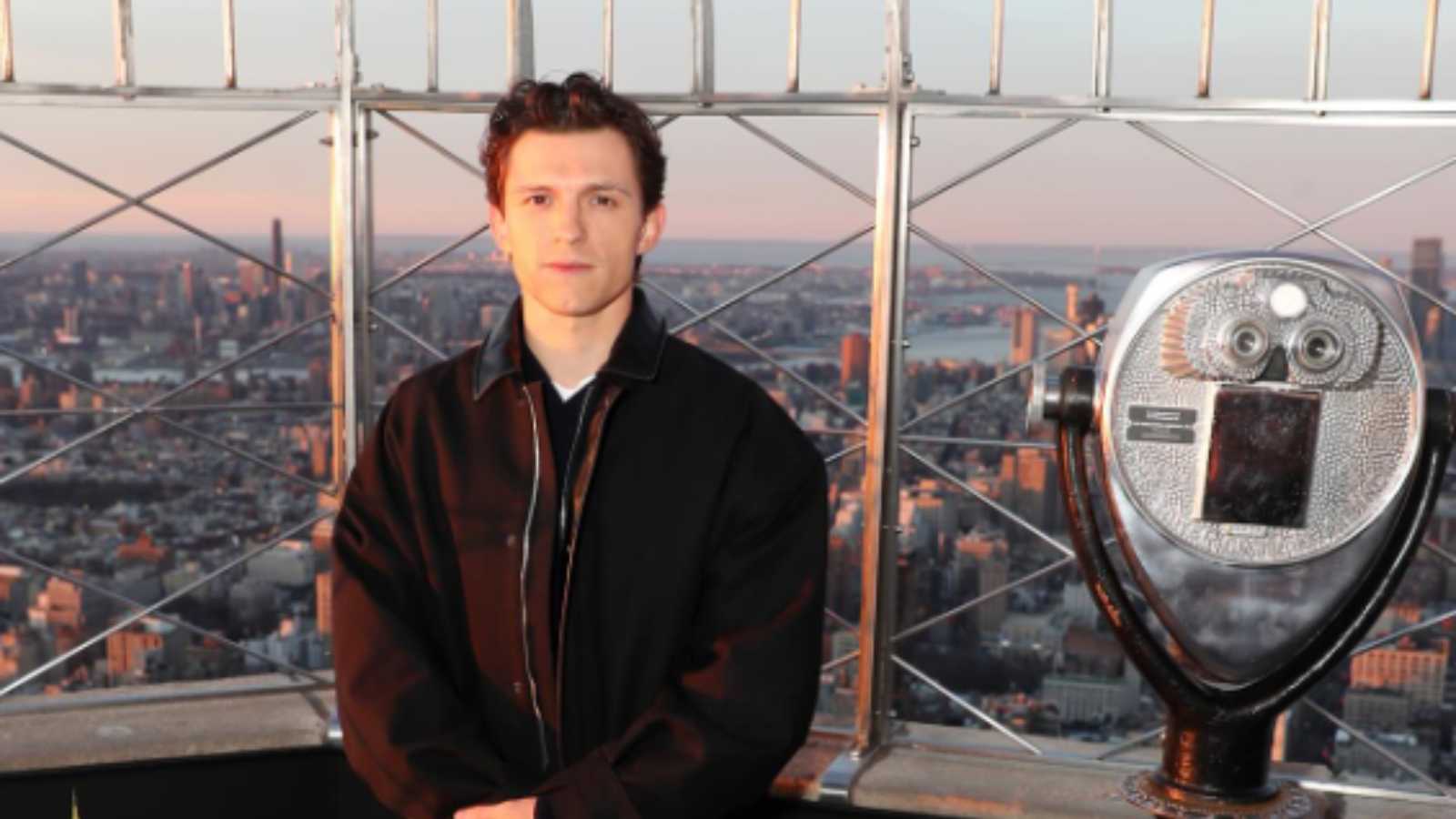
There’s a photograph of Tom Holland standing high above New York City, somewhere near the top of the Empire State Building, smiling like someone who made it. And in many ways, he has. Few actors in their twenties can say they’ve fronted a global franchise, anchored billion-dollar films, and become the face of one of the most beloved superheroes of all time.
But the key tension is this: the higher you climb, the harder it is to breathe, and Holland’s story captures that trade-off between extraordinary achievement and the isolating pressure that comes with it.
Holland’s rise wasn’t accidental, and it certainly wasn’t overnight, though it might feel that way if you only started paying attention when he first swung into the Marvel Cinematic Universe in Captain America: Civil War (2016).
Before the blockbuster glow, there was a boy doing ballet in school gyms while other boys laughed through the windows. Before the red carpets, there was a teenager navigating dyslexia and quietly trying to find his footing in rooms that didn’t always make space for him.
That detail matters because it reframes everything. Holland didn’t arrive in Hollywood fully formed; he built himself, piece by piece, often in environments where he didn’t quite belong. And perhaps that’s why fame, when it arrived, came loaded with complications, not just triumph, but the unrelenting expectation and scrutiny that follow success.
The Billion-Dollar Boy Who Didn’t Expect the Cost

Let’s get the numbers out of the way, because they’re staggering. Holland’s films as a leading actor have grossed nearly $10 billion worldwide. That kind of commercial gravity doesn’t just elevate you… It locks you into orbit.
From Avengers: Endgame to Spider-Man: Far From Home, Holland became part of a machine that doesn’t really slow down. It feeds on visibility through interviews, press tours, fan theories, leaks, and memes.
But here’s the twist: Holland has never really been built for that kind of exposure. He has described himself as intensely private, someone who struggles with the erosion of personal boundaries. At one point, he even experienced recurring nightmares about paparazzi being in his bedroom. That’s not just discomfort, that’s psychological spillover.
There’s also the quieter admission: he’s a “people pleaser.” In Hollywood, that trait is both currency and curse. It gets you hired. It keeps you agreeable. And then, slowly, it burns you out. He once became physically ill after a press conference. Not illness… just pressure.
The Actor Who Keeps Catching Himself
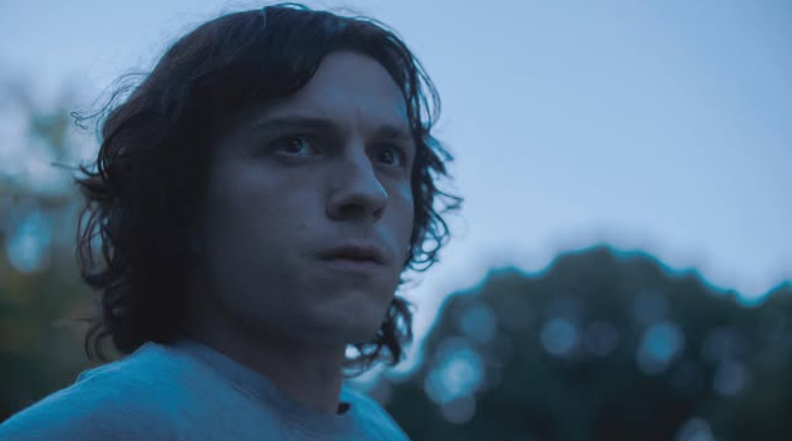
What makes Holland interesting isn’t just that he’s famous, it’s that he’s aware of how fame is shaping him in real time. In interviews, he’s unusually candid about his own missteps. While filming Uncharted, he admitted he got caught up in how he looked on-screen rather than fully inhabiting the character. “It was a mistake,” he said bluntly.
That level of self-critique is rare in someone whose career is still on the rise. Most actors protect the illusion. Holland pokes holes in his own. It suggests something deeper: he’s not just trying to succeed; he’s trying to stay intact. And that’s harder than it sounds when your most famous role is one you might eventually outgrow.
The Spider-Man Paradox

Here’s the paradox at the center of Holland’s career: Spider-Man made him global, but it may also be the role he has to gently outgrow. He’s already hinted at it. He’s spoken about uncertainty around continuing in the role past a certain age and even expressed interest in seeing a different version of Spider-Man, like Miles Morales, take the spotlight.
That’s not typical franchise talk. That’s someone thinking about legacy instead of longevity. The truth is, blockbuster fame has a shelf life… not just in terms of relevance, but also in terms of personal sustainability. The physical demands, public scrutiny, and repeated expectations all compound.
And Holland has already felt what happens when a role takes too much out of you. His work on The Crowded Room left him emotionally drained, leading him to step away from acting for a year. That’s not a career pause. That’s a boundary.
Maybe He Should Step Back Sooner

Now here’s where things get uncomfortable and interesting. In an industry obsessed with staying power, the assumption is that someone like Holland should hold on to his peak for as long as possible. More films. Bigger contracts. Deeper franchise integration.
But what if holding on to that peak, trying to extend the climb, is a misunderstanding of what success means for someone like Holland? What if the smartest thing he could do is step back, earlier than expected? Not disappear. Not quite. Just… recalibrate.
Because Holland’s career already defies the usual arc. He’s done the mega-franchise. He’s proven box office appeal. He’s even stretched into darker roles like Cherry. The next phase doesn’t need to be louder; it could be quieter, stranger, or more intentional.
The shift toward intentionality, stepping back to strengthen purpose, may now matter more to audiences, suggesting that reinvention, not escalation, defines the next act. We’ve seen it happen before, actors who step away at the height of visibility often return with sharper choices, deeper performances, and something rarer than fame: credibility.
Holland, with his background in dance, his instinct for physical storytelling, and his willingness to admit vulnerability, is uniquely positioned for that kind of reinvention. But only if he gives himself the space to do it.
The Ground Beneath the Height
Back at the top of that skyscraper, the smile makes sense. It’s earned. It’s real. But what makes Holland compelling isn’t that he got there, it’s that he hasn’t lost sight of the ground. He still talks about learning carpentry when acting jobs dried up. He still carries the imprint of being the kid who didn’t quite fit in.
He still questions himself in ways that suggest he’s not entirely seduced by the machine he’s part of. His ‘sky-high moment’ feels fleeting, not because it’s fragile, but because he knows fame, while alluring, is never the endpoint; it’s a checkpoint in a larger journey to preserve identity and meaning.
It’s just a very loud, very bright stop along the way. If he’s careful… if he listens to that instinct to pull back, reset, and choose depth over scale, then what comes after this might be even more interesting than what got him here. Not just bigger roles or more fame. But genuinely better, more meaningful, lasting, and true to himself.