
The 90s were a golden era for psychological thrillers, films that blurred the lines between reality and madness, and left viewers questioning their perceptions long after the credits rolled. These films were not just about scary moments; they were about mind games, psychological manipulation, and unsettling narratives that felt all too real. The decade brought us memorable characters, shocking twists, and disturbing scenarios that continue to haunt audiences today.
Let’s revisit the 10 most captivating psychological thrillers from the 90s that still manage to shock, thrill, and mystify.
Jacob’s Ladder (1990)

Jacob’s Ladder is a psychological thriller that plays with the line between nightmares and reality. The film follows Vietnam veteran Jacob Singer (Tim Robbins), whose haunting visions blur his perception of reality. The unsettling imagery and jerky-motion “Jacob’s Ladder effect” have made this film a standout in psychological horror.
Beyond its visual techniques, the film also explores deep themes of trauma, grief, and the horrors of war, leaving audiences questioning their own perceptions.
The Talented Mr. Ripley (1999)

Set against the luxurious backdrop of 1950s Italy, The Talented Mr. Ripley is a film that combines beauty with deep, disturbing deception. Tom Ripley (Matt Damon) is a young man who becomes obsessed with the life of the wealthy Dickie Greenleaf (Jude Law).
When Dickie grows tired of him, Ripley takes drastic and deadly measures to assume his identity. The film’s juxtaposition of scenic beauty and dark psychological manipulation makes it a unique entry in the thriller genre.
Se7en (1995)
David Fincher’s Se7en is a perfect example of psychological horror done right. In this bleak, gritty thriller, detectives Somerset (Morgan Freeman) and Mills (Brad Pitt) hunt down a killer who uses the seven deadly sins as his modus operandi. The film’s power lies not in graphic violence, but in its ability to make us imagine the horrors the killer has committed.
The infamous “What’s in the box?” scene has become iconic, and the film’s sense of dread and nihilism still resonates with viewers.
The Silence of the Lambs (1991)
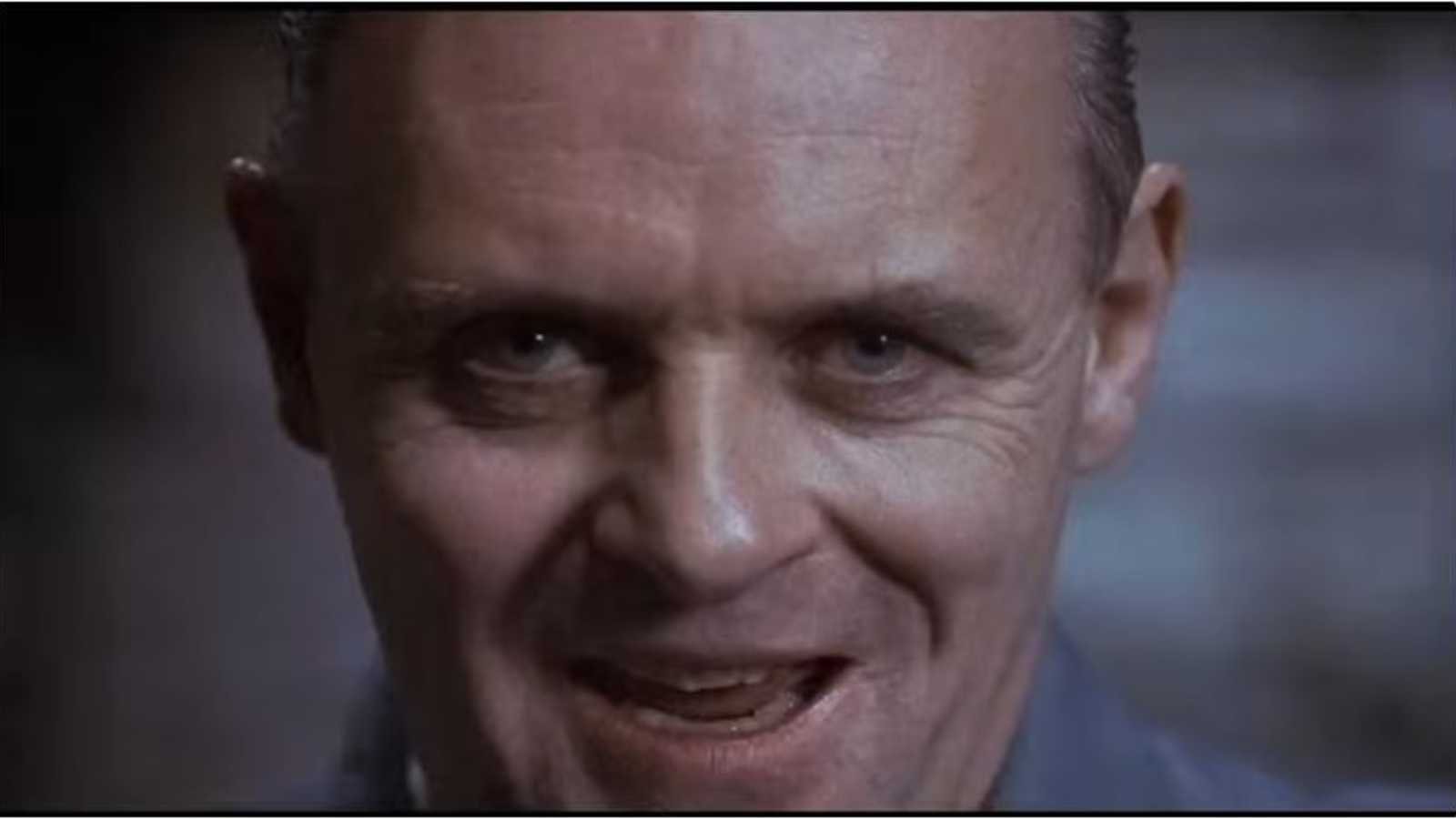
No list of psychological thrillers would be complete without The Silence of the Lambs. This iconic film, directed by Jonathan Demme, follows FBI agent Clarice Starling (Jodie Foster) as she seeks the help of the incarcerated cannibalistic serial killer, Dr. Hannibal Lecter (Anthony Hopkins), to catch another murderer.
What makes The Silence of the Lambs so chilling is Lecter’s ability to get inside people’s minds with nothing but his words and piercing gaze. This psychological manipulation transcends the gore, cementing it as one of the greatest thrillers of all time. Hopkins’ portrayal of Lecter earned him an Academy Award, and the film itself continues to be revered for its terrifying brilliance.
The Sixth Sense (1999)
The Sixth Sense is one of those films that forever changed the way we look at plot twists. Directed by M. Night Shyamalan, the film centers on Dr. Malcolm Crowe (Bruce Willis), a child psychologist who tries to help young Cole Sear (Haley Joel Osment), who claims to see dead people.
What starts as a slow-burning psychological drama transforms into a supernatural thriller that keeps you guessing. The film’s masterful build-up, combined with an unforgettable twist ending, has made The Sixth Sense a standout film that still lingers in popular culture.
Misery (1990)
In Misery, a famous author is kidnapped by his “number one fan,” Annie Wilkes (Kathy Bates), who holds him captive in her home. Based on Stephen King’s novel, Misery is an intense psychological thriller that explores the terrifying consequences of fandom gone wrong.
Kathy Bates’ performance as Annie, a sweet yet sadistic woman, earned her an Oscar. The claustrophobic atmosphere and relentless tension create a film that is as unsettling as it is captivating.
Single White Female (1992)

Single White Female taps into the fear of living with a stranger who gradually becomes more than just a bad roommate. Allie (Bridget Fonda) finds herself in a terrifying situation when her new roommate, Hedy (Jennifer Jason Leigh), starts to mimic her life and identity. What begins as an awkward but harmless situation quickly turns sinister as Hedy becomes more obsessive.
The film delves into the unsettling world of obsession, identity theft, and the dark side of human nature.
Arlington Road (1999)
Arlington Road is a paranoid psychological thriller that plays on fears of terrorism and the unknown. Michael Faraday (Jeff Bridges), a history professor, begins to suspect that his seemingly normal neighbors, played by Tim Robbins and Joan Cusack, are involved in a domestic terror plot.
The film’s tension comes from the uncertainty: Is Faraday uncovering a real threat, or is his trauma making him see danger where there is none? The film’s gut-punch ending still leaves viewers questioning the reality of the events.
Primal Fear (1996)
Primal Fear is a courtroom thriller that keeps viewers on the edge of their seats until the final moments. Richard Gere plays Martin Vail, a defense attorney who represents Aaron Stampler (Edward Norton), a young altar boy accused of murdering an archbishop. The film’s psychological twist revolves around Aaron’s alternate personality, “Roy,” which adds layers of complexity to the case.
Edward Norton’s performance as Aaron/Roy is a tour de force, and the shocking twist leaves audiences reeling, questioning everything they thought they knew about the case.
The Game (1997)
David Fincher’s The Game takes psychological thrillers to a whole new level by asking: What if your life was manipulated by a game you didn’t even know you were playing? The film follows Nicholas Van Orton (Michael Douglas), a wealthy banker who receives an unusual birthday gift from his brother, a participation in a mysterious game that soon spirals out of control.
The film twists the notion of control and paranoia, keeping the audience and Nicholas on the edge of their seats, unable to discern what’s real and what’s part of the game.
Conclusion
The 90s gave us a wealth of psychological thrillers that remain etched in our minds to this day. These films were not just about shocking moments or bloody scenes; they were about the manipulation of the mind, the blurring of reality, and the terrifying consequences of obsession, guilt, and fear. Even decades later, these films continue to resonate with audiences, proving that great psychological thrillers never lose their power to disturb and captivate.