Hollywood history is often written by the victors, but a closer look at the archives reveals a pattern of icons whose professional lives were derailed by forces far beyond their control. For decades, the entertainment industry has operated under a set of unspoken rules that frequently penalize individuals for the actions of others, the intrusion of the press, or the simple misfortune of navigating a crisis in the public eye.
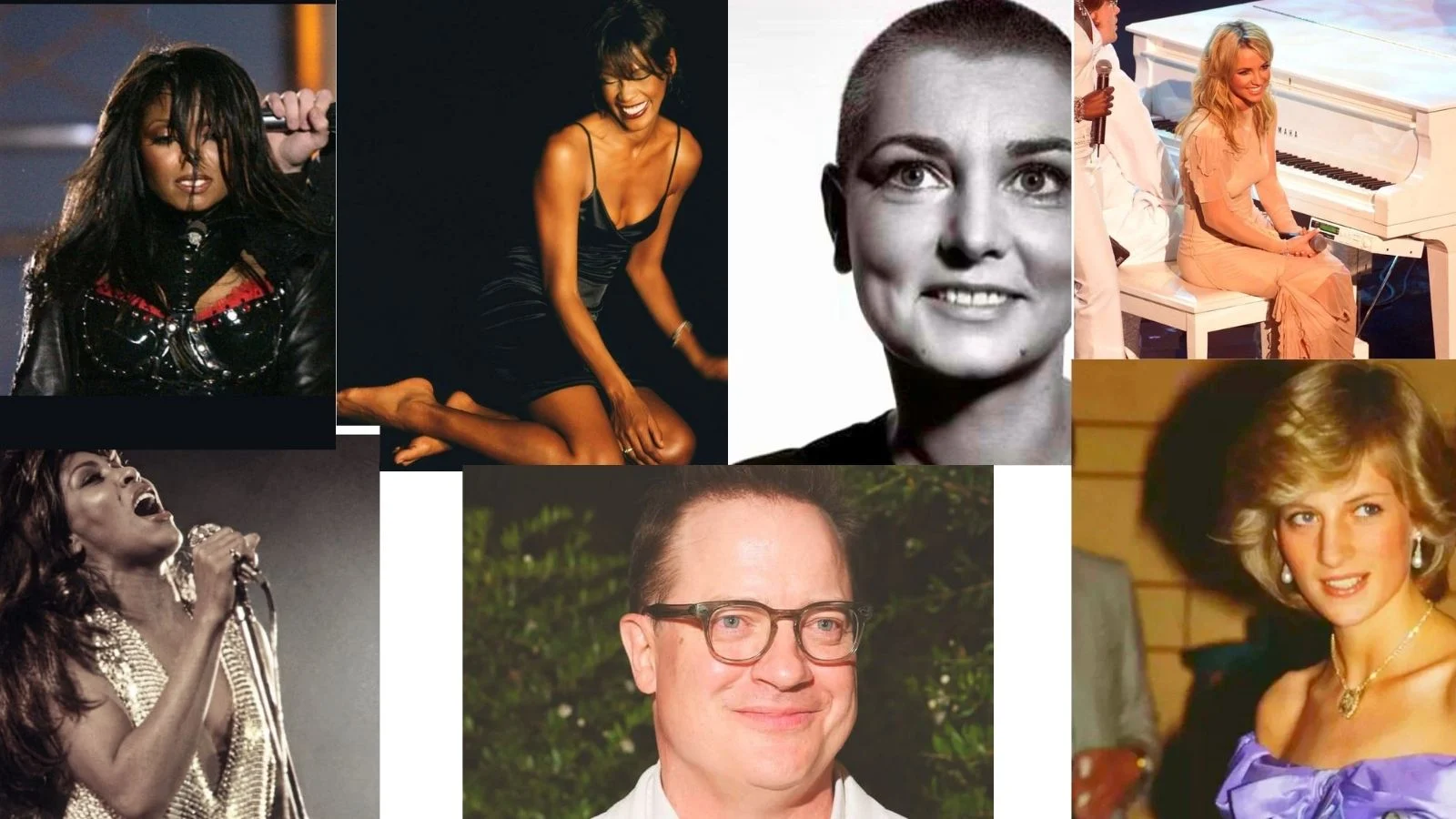
The stars we celebrate have often paid a disproportionate price for moments that were not of their making. As we examine the trajectories of figures like Janet Jackson, Princess Diana, and Brendan Fraser, it becomes clear that the narrative of “fame” is often less about talent and more about survival in a system that can be as fickle as it is unforgiving. These stories serve as a reminder that the height of success often carries the heaviest risk of an undeserved fall.
1. Janet Jackson
The 2004 Super Bowl Halftime show was supposed to be a crowning achievement for Janet Jackson, a woman who had already defined the pop and R&B landscape with hits like “Rhythm Nation,” “Someone To Call My Lover,” and “All For You.” As the younger sister of the late Michael Jackson, Janet had spent her life navigating the pressures of a legendary dynasty, yet she carved out a unique space as a pioneer of music and dance.
However, that legacy was hit with a seismic shift during a surprise guest appearance by Justin Timberlake. In the final seconds of their performance, Timberlake accidentally exposed Jackson’s breast to a stadium audience and millions of viewers at home in an event that was immediately dubbed “Nipplegate” by the press. While the incident was a brief, unplanned wardrobe malfunction, the professional consequences were devastatingly one-sided.
In the immediate wake of the controversy, both Jackson and Timberlake issued public apologies, but the industry response suggested a massive disparity in how the two stars were viewed. While Timberlake’s career continued to soar, winning two Grammys just weeks later, Jackson was effectively barred from the ceremony. Her music videos were pulled from major networks like VH1 and MTV, and her radio airplay saw a significant, coordinated decline. This “blacklisting” occurred despite the fact that both performers were part of the same moment.
The cultural impact of this era cannot be overstated; it led to a crackdown on live broadcast delays and a shift in how female performers were policed on television. Even as recently as 2025, the disparity remains a talking point for fans: Timberlake was invited back to headline the Super Bowl stage in 2018, while Jackson has yet to receive a similar invitation to return.
This moment is newsworthy now because it highlights the historical tendency of the industry to place the burden of “scandal” on women, particularly women of color, while allowing their male counterparts to move forward with minimal friction. The conversation around Jackson is no longer about the incident itself, but about the systemic exclusion that followed a career that should have remained untouchable.
As we look at the numbers, the fallout for Jackson was quantifiable. Her following album, Damita Jo, despite receiving positive reviews, failed to reach the heights of her previous work, largely due to the lack of promotional support from platforms that had previously championed her. The FCC received over 500,000 complaints, a record at the time, which further fueled the media’s narrative that Jackson was a “provocateur” rather than a victim of a technical error.
This era of Janet’s career is often cited by music historians as a primary example of how an artist’s trajectory can be artificially stifled by corporate gatekeepers. Today, she is largely vindicated by the public, but the years of missed opportunities and professional hurdles remain a stark reminder of a turn her career simply didn’t deserve.
2. Princess Diana
Diana Spencer’s life changed forever the moment she entered the orbit of the British Royal Family. After marrying Prince Charles, she became Princess Diana of Wales, the consort to the heir apparent and eventually the mother of Prince William and Prince Harry. While the world saw a “fairytale” wedding, the reality behind palace walls was far more turbulent. The marriage was described by sources as “rocky at best,” strained by a 12-year age gap and the shadow of Charles’s ongoing affair with Camilla Parker Bowles.
Despite her personal struggles, Diana became the most beloved member of the Royal Family, earning the title of the “People’s Princess.” Her popularity, however, came with a dangerous price: she was dubbed the “most photographed woman in the world,” a distinction that ultimately led to her tragic end.
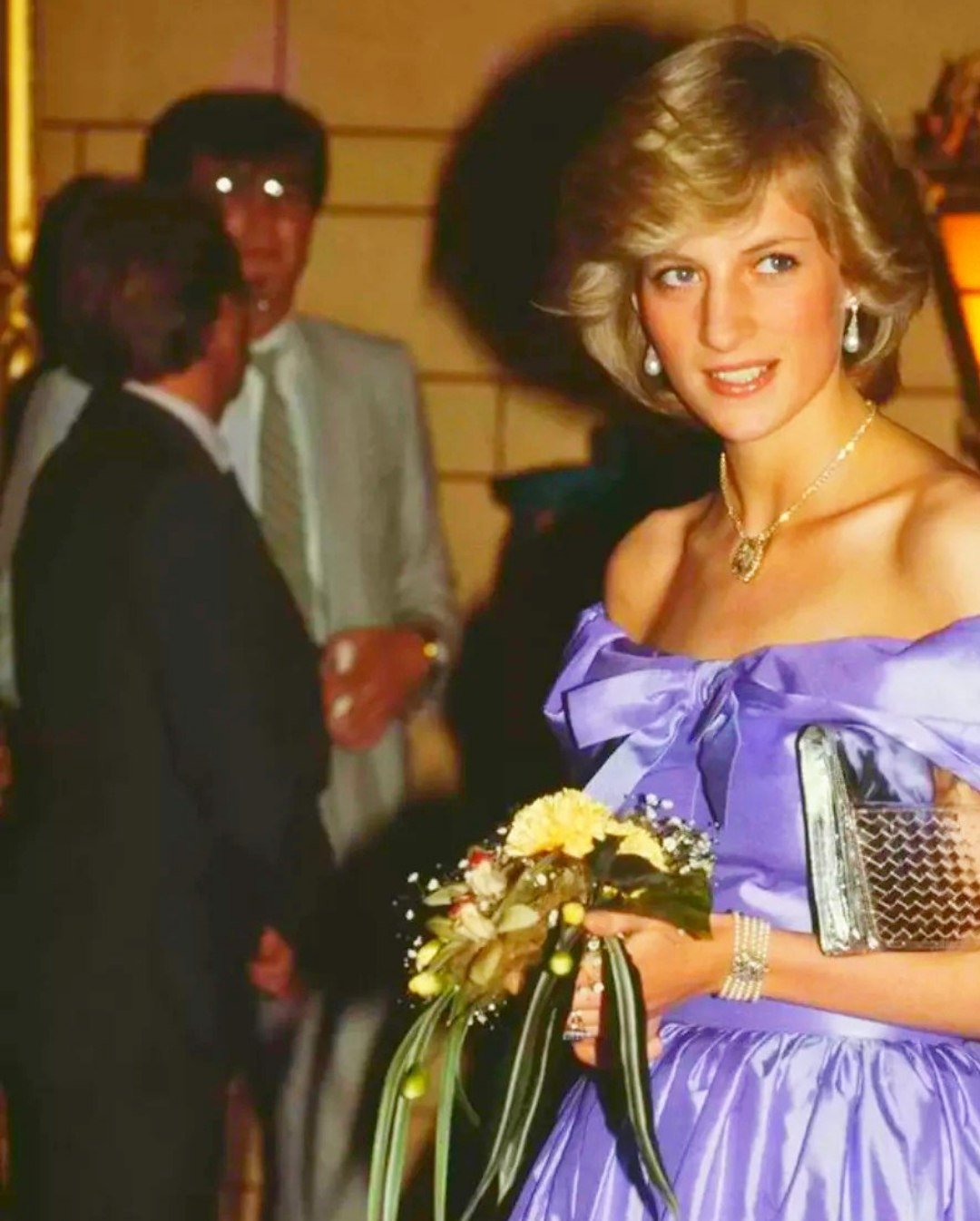
The constant scrutiny from the tabloids was relentless. Every movement, outfit, and interaction was dissected by a press hungry for the next headline. This environment contributed significantly to her poor mental health during her life, a fact she candidly addressed in her own words during her famous 1995 interview with the BBC’s Martin Bashir. The tragedy peaked on the night of August 31, 1997, when her car was involved in a fatal accident in a Paris tunnel while being pursued by paparazzi eager to snap a photo of her and her boyfriend, Dodi Fayed.
This topic keeps resurfacing because it serves as the ultimate cautionary tale regarding the lack of privacy for public figures. The media’s obsession didn’t just document her life; it actively interfered with it, creating a cycle of trauma that she was never able to escape. Even decades later, the ethics of the press are still debated in the context of her death, especially as her children continue to vocalize the trauma caused by similar media practices.
Diana’s career, if one can call the life of a Royal a career, was defined by her humanitarian work, particularly her efforts to destigmatize HIV/AIDS and her campaign against landmines. These were turns toward the positive that she fought for, yet they were often buried under headlines about her private life. The historical context of her time in the palace shows a woman who was constantly trying to reclaim her narrative from a press that had already decided who she was.
The “paparazzi culture” of the 1990s was a wild west of ethics, and Diana was its most prominent casualty. Her story is a heartbreaking example of how the public’s love can be weaponized by the media, turning a person into a product until the pressure becomes unbearable.
3. Britney Spears
“She was having a mental breakdown, and the whole world was beating her further down at the same time.” This sentiment, often shared by fans and social media activists, encapsulates the career of Britney Spears. From the moment she burst onto the scene as a teenager, Spears was scrutinized by the media with an intensity few could survive. She was simultaneously sexualized by the press and criticized for her personal life, including her highly publicized involvement in the breakup of *NSYNC.
In 2007, the pressure reached a breaking point. Following the death of her aunt and a difficult divorce from Kevin Federline, Spears infamously shaved her head in front of cameras. Instead of a call for help, the images were splashed across every tabloid as a moment of mockery.
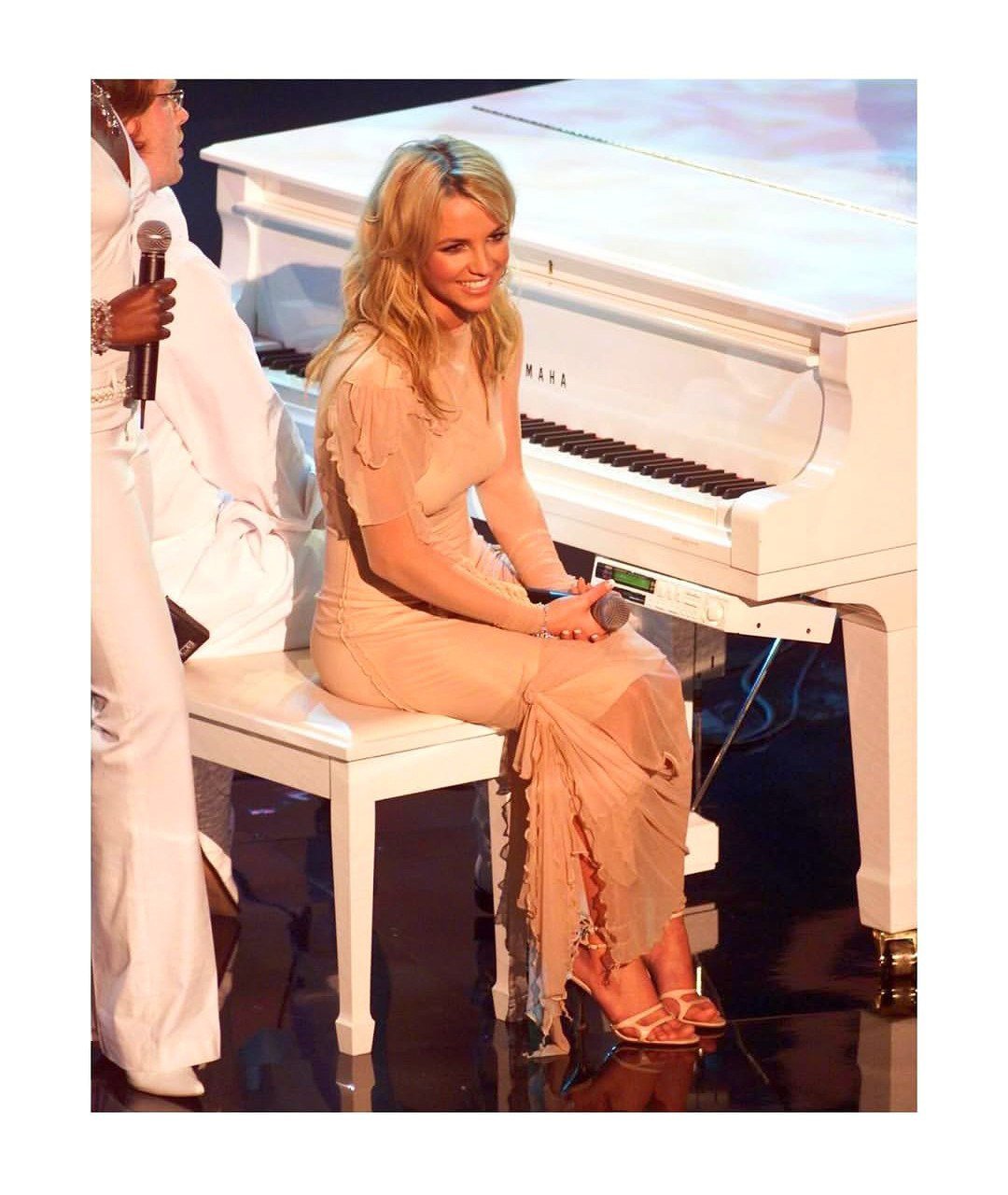
In 2008, this period of struggle led to Spears being placed under a conservatorship, a legal arrangement that lasted until 2021. During this time, she was legally deemed unable to care for herself, yet she continued to release commercially successful albums like Circus and Femme Fatale and completed a grueling four-year-long residency in Las Vegas. This contradiction, being “incapable” of managing her life while being forced to perform as a global superstar, is why the topic remains a flashpoint for conversations about artist rights.
The #FreeBritney movement eventually brought these issues to light, but the decade of lost autonomy is a turn her career and life did not deserve. Her story is one of resilience, but also of a society that watched a young woman’s distress as a form of entertainment rather than a medical emergency.
What is confirmed is that the conservatorship gave her father, Jamie Spears, control over her finances and many personal decisions. What remained unverified for years were the internal details of her treatment, which she eventually addressed in her own words during a 2021 court testimony, calling the arrangement “abusive.”
The speculation surrounding her “breakdown” in 2007 has since been reframed by documentaries like Framing Britney Spears, which point toward postpartum depression and the lack of a support system under the glare of the paparazzi. Spears’s career trajectory is a stark example of how the industry can exploit an individual’s labor while stripping them of their humanity.
4. Brendan Fraser
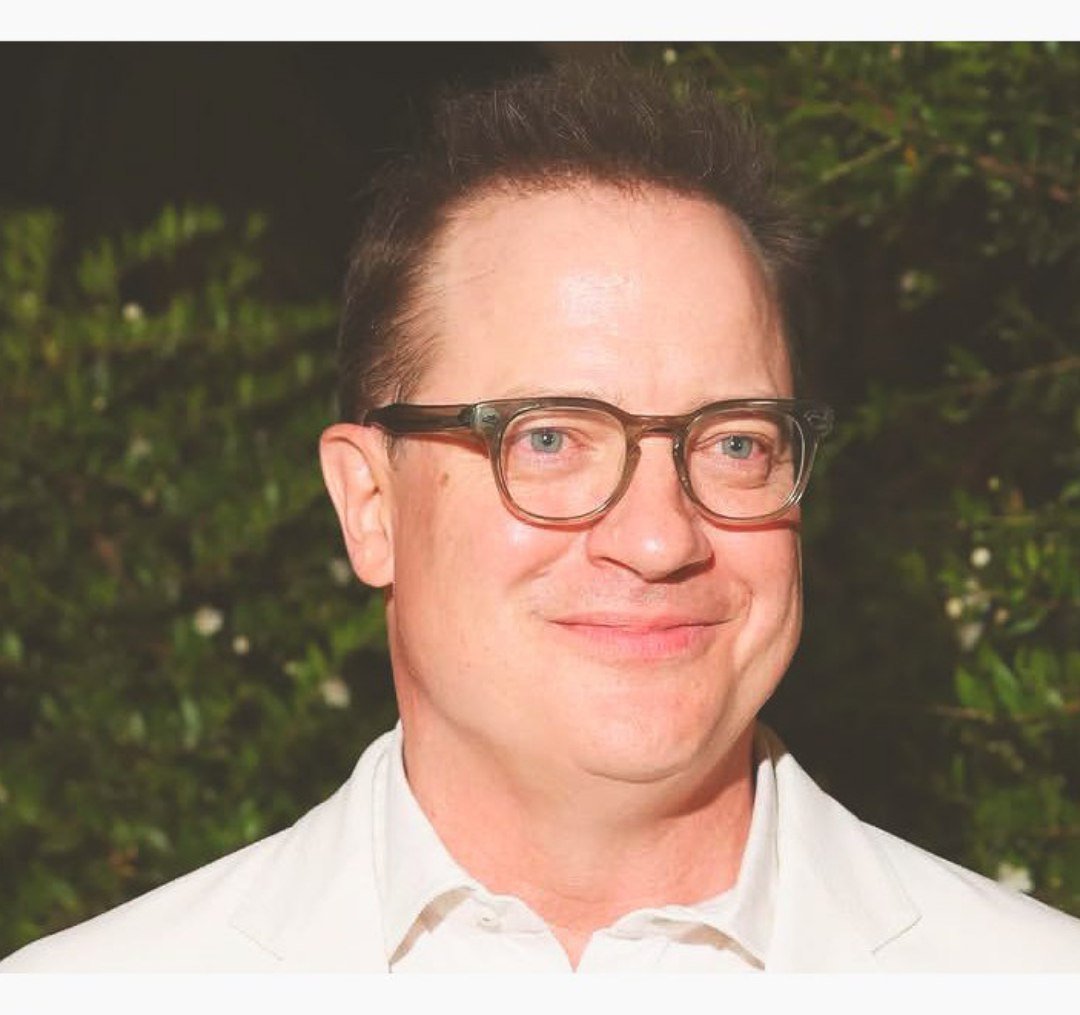
Brendan Fraser was once the king of the box office, known for his roles in School Ties, George of the Jungle, and the massive Mummy franchise. However, his career took a sharp and mysterious downward turn in the mid-2000s. In 2018, Fraser alleged that Philip Berk, the then-president of the Hollywood Foreign Press Association (HFPA), had groped him in 2003. Fraser stated that the experience left him feeling “reclusive” and wondering if he had been blacklisted by the organization.
Berk denied the allegations, and the HFPA stated they took no action against Fraser, but the actor’s absence from major roles for many years was noticeable. This is a clear case of how industry power dynamics can silence a victim. Fraser’s return to the spotlight with The Whale led to an emotional Oscar win, but it doesn’t erase the years of professional exile he endured for trying to bring an assault to light.
5. Whitney Houston
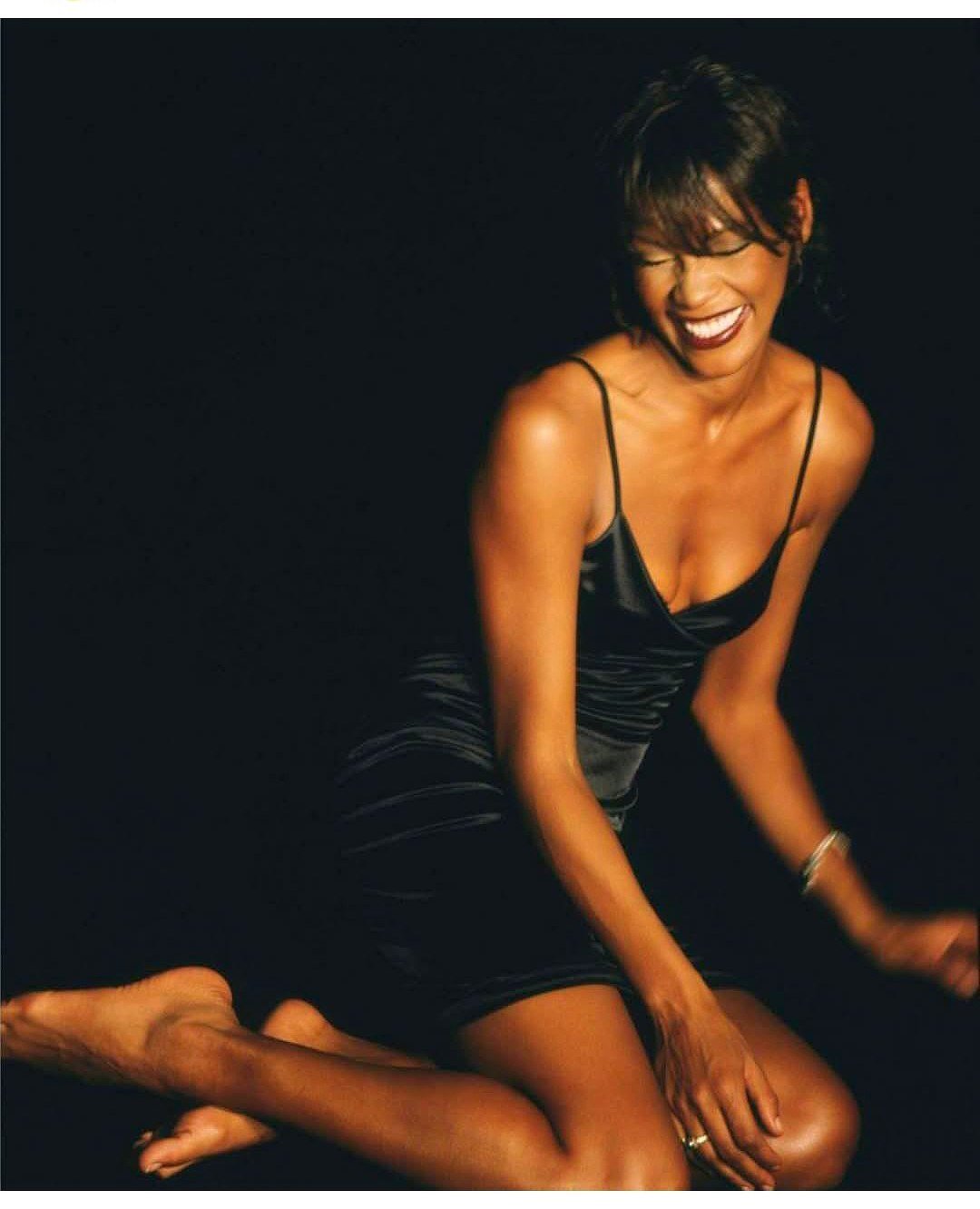
Similarly, Whitney Houston’s career suffered from a media narrative that prioritized her personal struggles over her incomparable talent. Known for a voice that defined a generation, Houston’s later years were marked by intense tabloid focus on her marriage and health. While she has previously spoken about the difficulties of fame in interviews with Diane Sawyer and Oprah Winfrey, the media’s framing often stripped her of her dignity.
The tragic end to her life in 2012 served as a final, somber note on how the industry treats its legends when they are no longer “perfect” symbols of success. Both Fraser and Houston remind us that the spotlight can be a cold place for those who do not fit the industry’s narrow expectations of a “trouble-free” star.
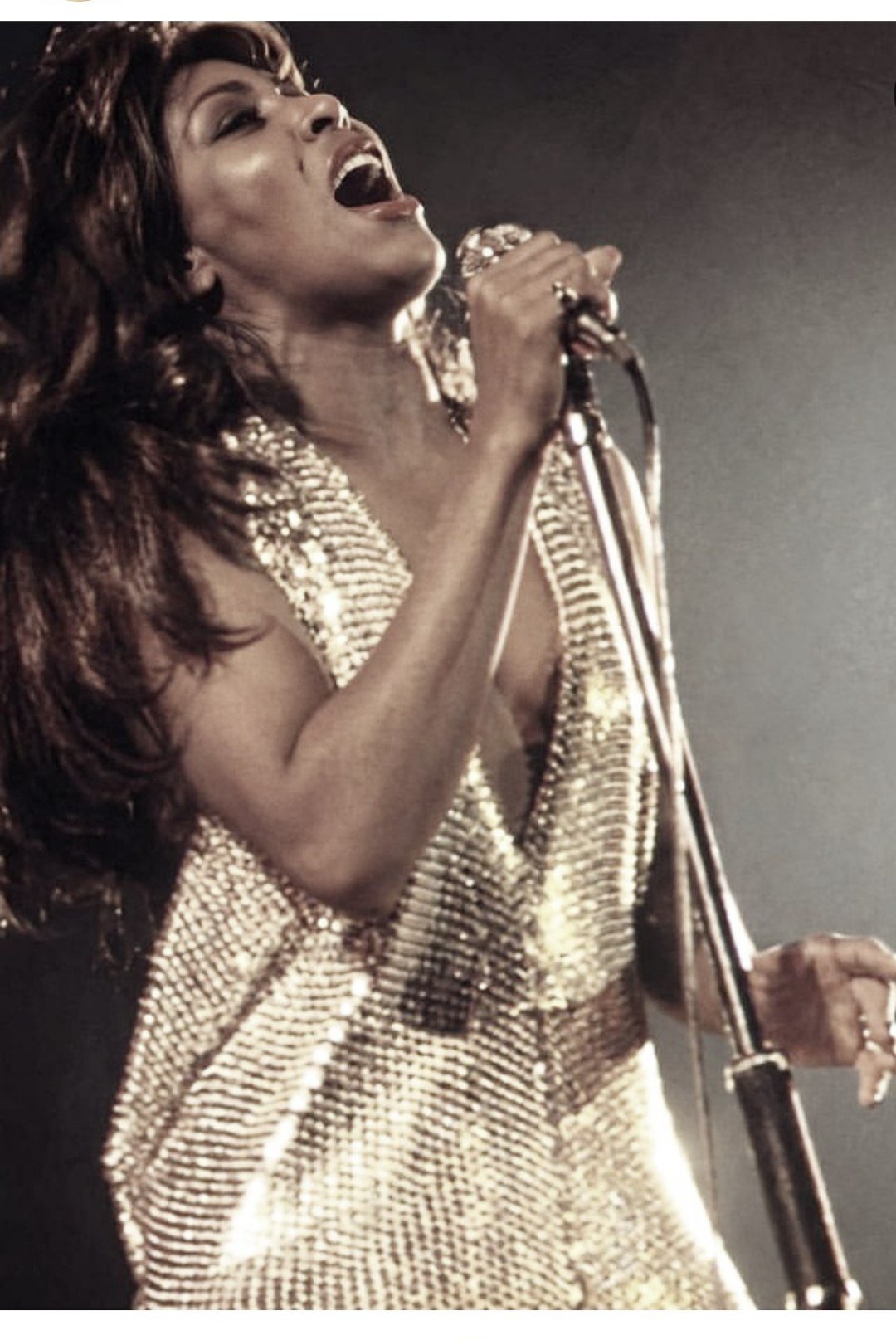
6. Tina Turner
Tina Turner is a name synonymous with resilience, pop-rock excellence, and some of the most powerful vocals in music history, particularly on the classic “What’s Love Got To Do With It.” However, the turn her career took was deeply intertwined with the horrific abuse she suffered during her marriage and professional collaboration with Ike Turner.
Tina has previously spoken about the relationship being verbally, physically, and sexually abusive, even revealing that she attempted suicide at one point to escape the torment. Despite the fact that the couple divorced in 1978 and Tina took the monumental risk of rebuilding her career from scratch as a solo artist in her 40s, the media’s treatment of her trauma was often callous.
7. Sinead O’Connor
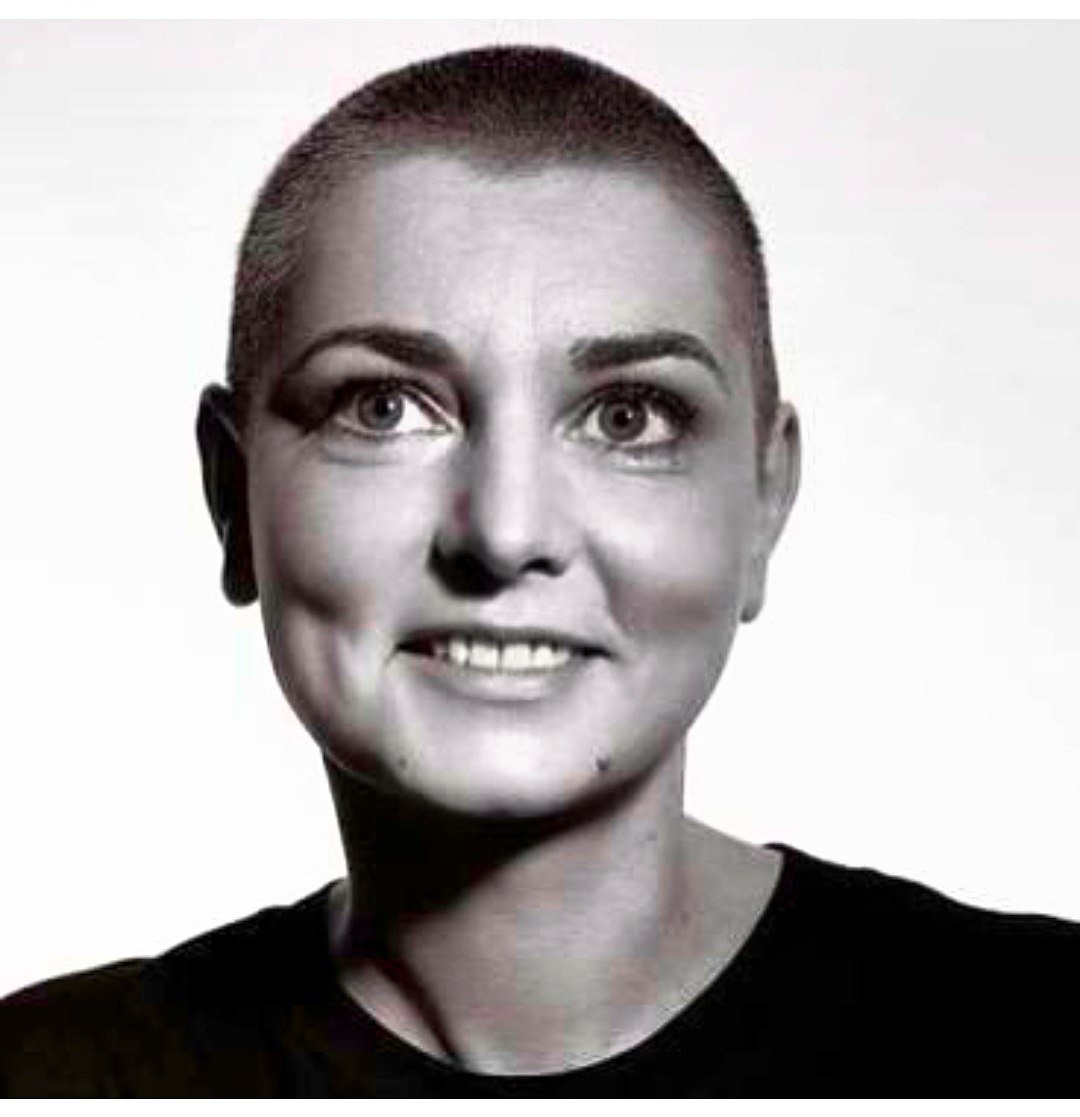
Sinead O’Connor was a force of nature in the late 80s and early 90s, best known for her iconic shaved head and the haunting, acclaimed single “Nothing Compares 2 U.” Her career took a definitive and controversial turn in 1992 during a performance on Saturday Night Live. In a bold act of protest, O’Connor ripped up a photo of Pope John Paul II on live television, condemning the Catholic Church for its history of child abuse.
At the time, the reaction was swift and merciless. O’Connor was publicly condemned by fellow celebrities, including Frank Sinatra and Joe Pesci, and her records were effectively blackballed by major radio stations across the globe.