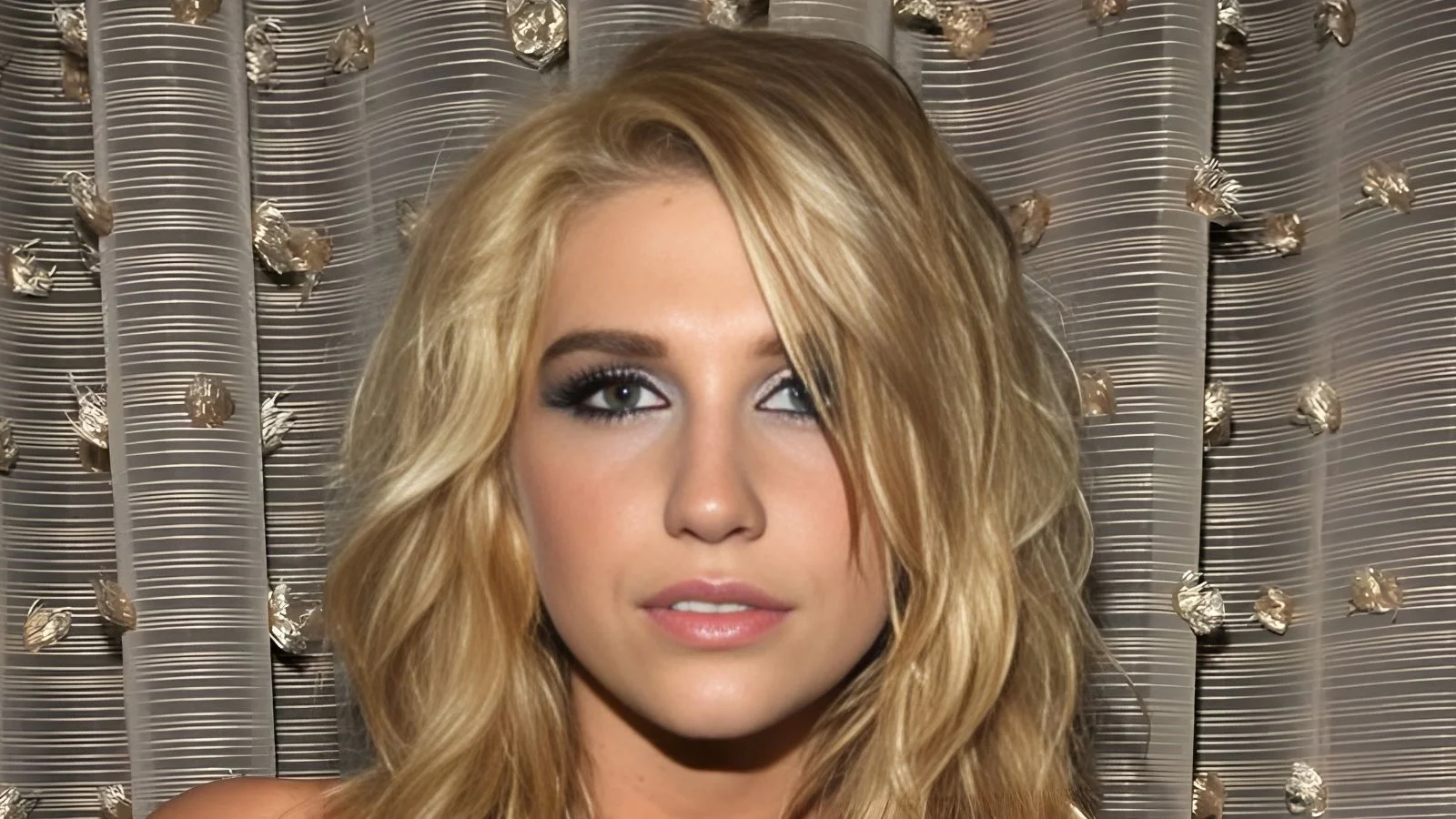
Kesha has never been one to hold back her opinions, and her latest social media posts prove that point once again. The pop star, known for hits like “TiK ToK” and “Praying,” called out the White House on March 2, 2026, after discovering they used her 2010 track “Blow” in a TikTok video without her permission.
The video, posted last month, features military footage of fighter jets launching missiles at ships, all set to her upbeat song with the caption “Lethality.” Fans and followers quickly noticed the mismatch between the song’s party vibe and the serious military theme, sparking online discussions about the choice.
This isn’t the first time artists have pushed back against political uses of their music. Kesha joins a list that includes bands like Radiohead, who recently objected to the administration using their tracks in similar social media posts.
The White House TikTok account, which often shares content highlighting U.S. military strength amid global tensions, drew Kesha’s ire for what she sees as a tone-deaf pairing. Her response highlights ongoing debates about how music gets repurposed in political messaging, especially when it involves themes of conflict.
Kesha’s Fiery Social Media Takedown
On Monday, Kesha took to X and Instagram Stories to voice her frustration. She wrote, “It’s come to my attention that The White House has used one of my songs on TikTok to incite violence and threaten war.” She continued, “Trying to make light of war is disgusting and inhumane. I absolutely do NOT approve of my music being used to promote violence of any kind.” The singer emphasized her stance with a clear message: “Love always trumps hate.”
She didn’t stop there. In follow-up posts, Kesha labeled the White House team as “perverts” and demanded they cease using her music. This blunt language echoes her past activism, including her legal battles against producer Dr. Luke, where she spoke out about personal experiences with abuse and control in the music industry.

Fans rallied in the comments, with many praising her for standing up against what they called an unauthorized and inappropriate use of her work. The timing of her posts, just weeks after the video’s release, suggests she learned about it through fan alerts or media reports. Social media users shared clips of the TikTok, amplifying the controversy and drawing more eyes to Kesha’s statements.
The Epstein Files Connection
Kesha wove in a pointed political jab, writing, “Also, don’t let this distract us from the fact that criminal predator Donald Trump appears in the Files over a million times.”
Here, “the Files” refer to documents from the Department of Justice related to Jeffrey Epstein, the late convicted sex offender. Trump has historical social connections to Epstein, including mentions in various records, though he has not faced charges linked to Epstein’s crimes.
This reference ties into broader public discussions about transparency in the Epstein case. Reports have noted Trump’s name appearing in unredacted files, with figures like Rep.
Jamie Raskin citing high mention counts, though exact numbers vary across sources. Kesha’s comment frames the song issue as a potential distraction from these ongoing revelations, urging followers to stay focused on accountability.

Social media reactions to this part of her post were mixed. Some supporters echoed her call for attention to the files, while others debated the accuracy of the “million times” claim.
Public Backlash and White House Response
The story exploded across media outlets on March 3, 2026, with coverage from USA Today, People, Variety, and The Daily Beast. Fans flooded Kesha’s accounts with support, turning the incident into a trending topic. Comments ranged from solidarity messages like “Preach, Kesha!” to calls for other artists to speak out.
The White House responded through Communications Director Steven Cheung, who quoted Kesha’s X post and replied, “All these ‘singers’ keep falling for this. This just gives us more attention and more view counts to our videos because people want to see what they’re bitching about.” This dismissive tone only fueled the backlash, with users accusing the administration of ignoring artists’ rights.
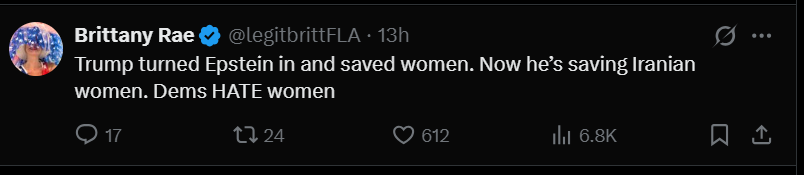
In the bigger picture, this event underscores tensions between entertainers and politics. Kesha’s history of resilience, from her 2014 lawsuit to her 2023 album “Gag Order,” adds weight to her words.
As one fan noted on X, “Kesha has fought for her voice – now she’s using it to fight back.” The controversy also spotlights how social media amplifies these clashes, turning a single video into a widespread debate about ethics, music rights, and political distractions.
Kesha’s stand resonates with many who value peace over provocation. Her posts not only defend her art but also redirect attention to larger issues, showing how pop culture intersects with real-world concerns. As the dust settles, one thing is clear: Kesha remains unapologetically vocal, and her fans are here for it.
What do you think?