One of the first unofficial rules of raising a 4-H livestock animal is one most participants learn early and remember longest: don’t name it.
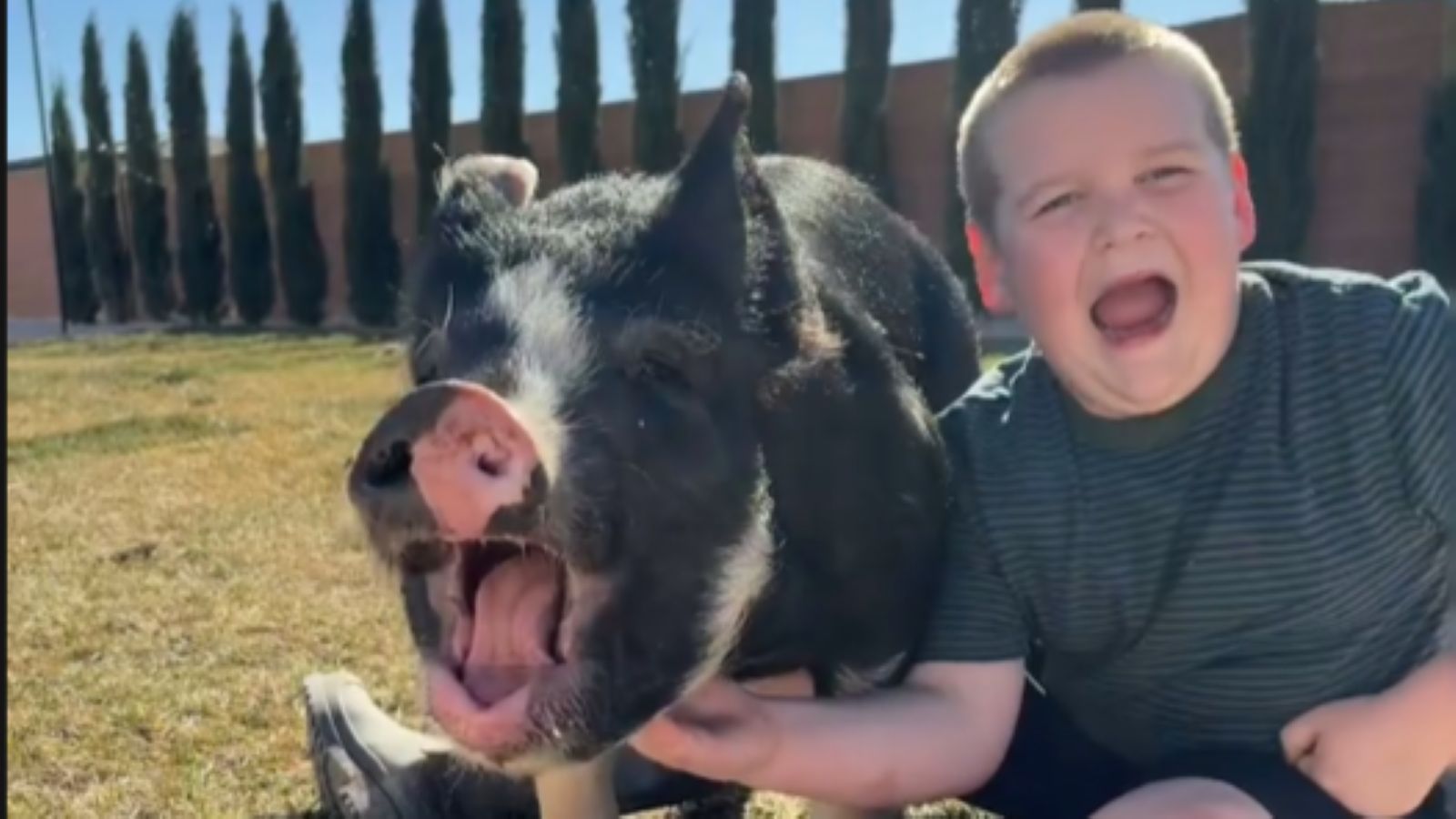
Nixon Baron, of southern Utah, named his pig Dave.
What followed was probably inevitable. Nixon participated in 4-H this year with Dave as his project, then decided somewhere along the way that the plan — raise the pig, show the pig, auction the pig — was no longer one he was willing to follow. His mother, Kiana Baron, documented what happened next in a series of TikTok videos that spread well beyond her usual audience. Nixon set up a soda stand with a handmade sign that read “Help Me Save Dave.” He told anyone who would listen that Dave was not the kind of pig he was willing to hand over at auction. Dave was his.
@goofygoobs92 This kid. He needs to raise a cool $500 to keep him. #4h #pigsoftiktok #savedave ♬ Gymnopedie No. 1, Slowly, image of wave(1180783) – Dai Hentai Fujishima
It took less than a day.
Nixon raised roughly $100 from the soda stand. Friends, family, and strangers on the internet gifted him the other $410. He hit $510 — enough to buy Dave’s freedom from the auction block.
His mother told PEOPLE this week she eventually agreed to let Nixon try to earn the money himself. “I saw how much Nixon loved him,” she said. Dave is staying. Nixon is now planning to raise more money to build Dave a shed with air conditioning, because southern Utah summers are no joke.
What 4-H Was Actually For
4-H market animal projects are, by design, not pet ownership programs. The 4 “H’s” stand for Head, Heart, Hands, and Health. They are agricultural education programs built around a deliberate arc: a child selects a young animal, invests months of work into raising it, and then sells it at auction — typically for processing. The financial return offsets the project’s cost and funds next year’s animal.
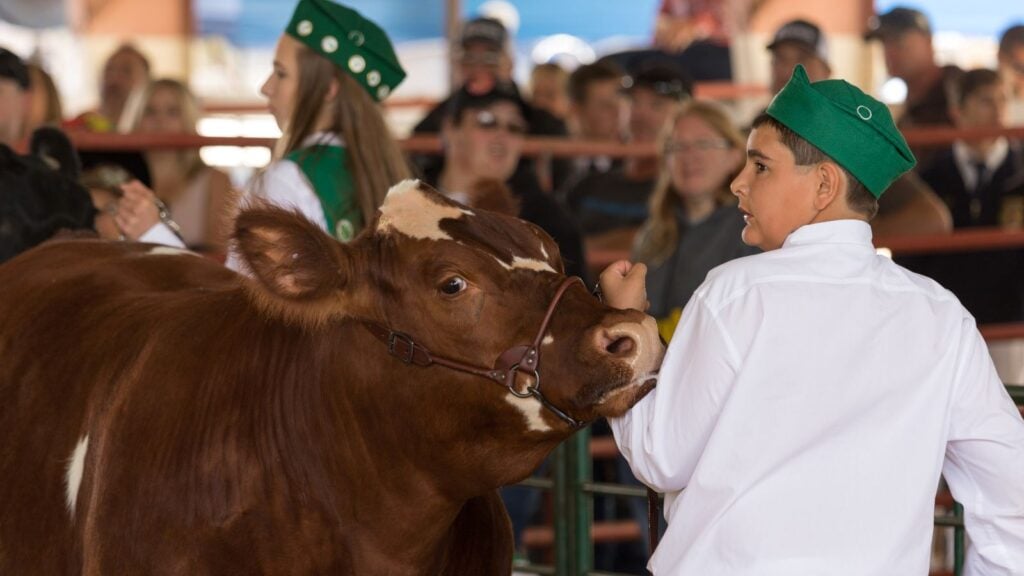
The hard part is the point. NPR has reported that parents and 4-H leaders who prepare children honestly find that most kids process the experience and go back to it. The lesson isn’t cruelty. It’s that some things you care for are not yours to keep, that commitments have endpoints, and that the work of raising something well has value even when it ends.
Researchers who have studied 4-H livestock participants found that kids who bond with their animals often develop specific coping strategies — including deliberately not naming them — because naming accelerates the kind of attachment that makes the program’s conclusion harder to navigate.
Nixon named his pig Dave on day one.
The Lesson Kiana Set Up
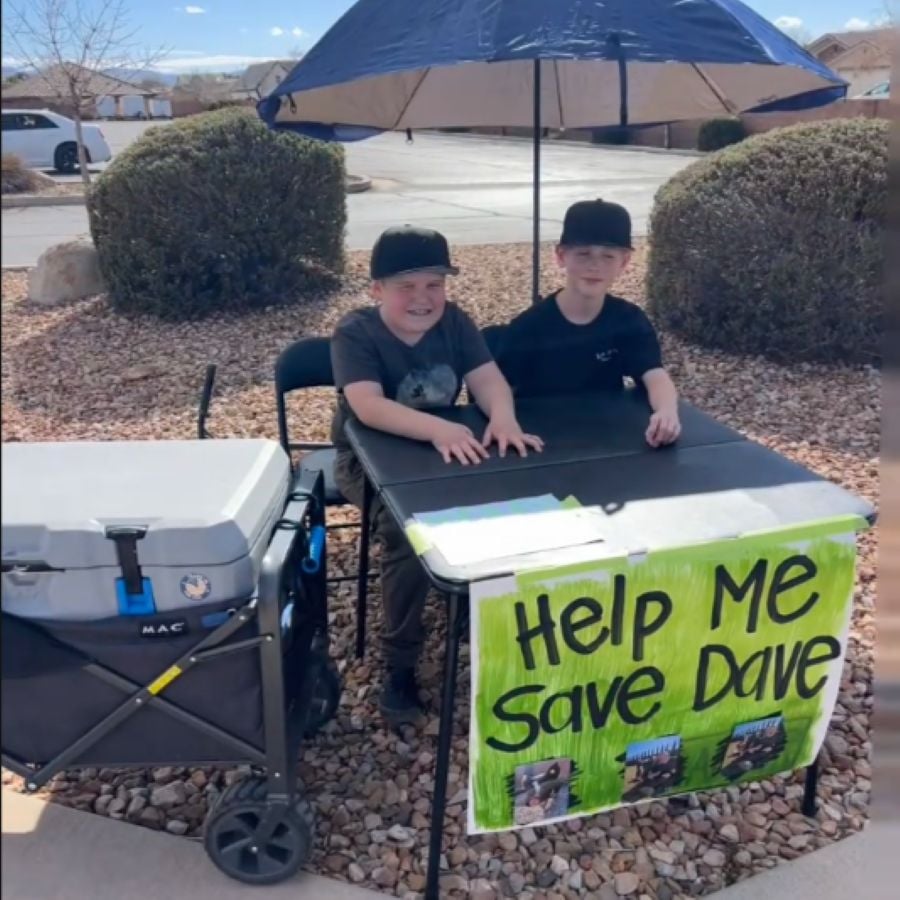
To be clear about something the comment section has not been particularly interested in: Kiana Baron’s instinct was exactly right.
When Nixon refused to follow through, his mother did not simply capitulate. She set a condition. Five hundred dollars, earned by Nixon himself, or Dave goes to auction as planned. That is a genuinely good parenting move — it acknowledged her son’s feelings, gave him agency, and attached real effort to the outcome he wanted.
What she could not have anticipated was the internet’s relationship with a boy and his pig.
Nixon earned $100 from that soda stand, 20 percent of what he needed. The other 80 percent arrived because the video was shareable and the story was sweet, and strangers decided Dave deserved to live in a Utah backyard.
The condition Kiana set was: earn it. The condition the internet substituted was “go viral.”
Those are not the same lesson.
What Dave’s Air Conditioning Means
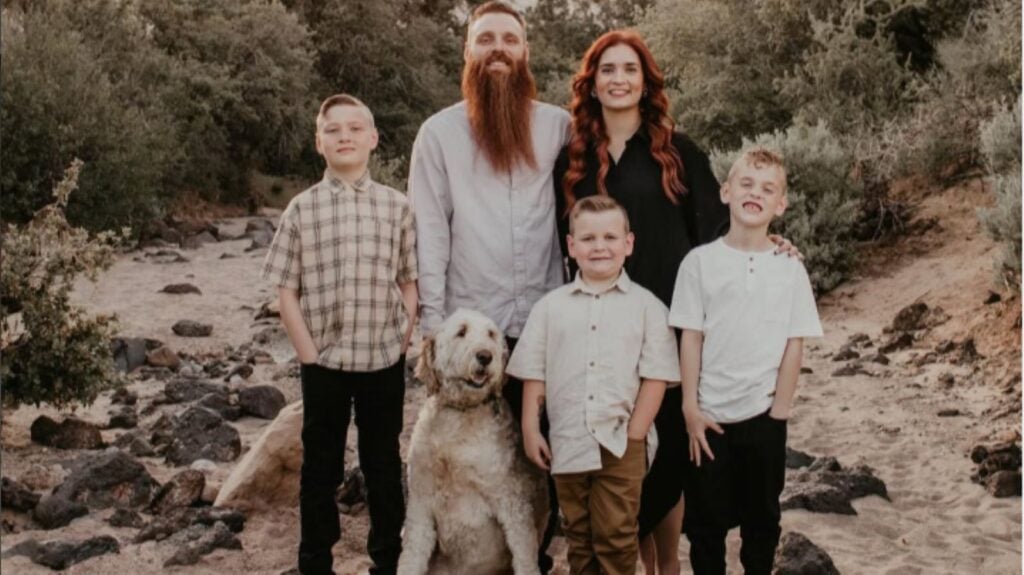
Kiana Baron’s closing comment to PEOPLE — that Nixon plans to raise more money for a climate-controlled shed — has generated its own reaction. Some readers find it charming. Others have noted, with varying degrees of gentleness, that the family has already demonstrated a reliable fundraising method, and that a pig’s air conditioning is an interesting priority in a news cycle full of people struggling to cover their own bills.
That reaction isn’t entirely fair to a family that never asked to become a referendum on crowdfunding culture. Nixon is a child who loved a pig and didn’t want to say goodbye. That part of the story is exactly what it looks like.
There is also, it turns out, a second pig. Daryl — Dave’s companion in the Baron backyard — was not originally part of the plan to keep. In a subsequent TikTok, Kiana confirmed that Daryl is staying too. The campaign that started as “Help Me Save Dave” has now saved two.
@goofygoobs92 They broke out again today. #savedave #savedaryl #pigsoftiktok #pigtok ♬ Fairytale (From “Shrek”) – Geek Music
But the discomfort the A/C comment generates points to something the heartwarming version glosses over. The crowdfunding generation — children growing up watching adults crowdfund medical bills, car repairs, and rent — is developing an intuition about how problems get solved. Nixon Baron now has firsthand evidence that a soda stand plus a TikTok video can solve a $500 problem in an afternoon.
His mother tried to teach him that the hard things cost something. The internet taught him that the hard things can be outsourced.
Whether Dave’s air-conditioned shed gets funded — and whether anybody learns anything different from the next campaign — is a question only Nixon can eventually answer.