You know the drill: The book was better. But what happens when the movie ends up stealing the spotlight? Some films have taken their inspiration from books so seamlessly that many of us forget to dig a little deeper into their origins.
Here are eight iconic movies that trace their roots back to novels or graphic novels, and some of them might surprise you.
Snowpiercer

A train ride through a frozen apocalypse? Yep, it was all dreamed up in Le Transperceneige, a French graphic novel published in 1982. Jacques Lob and Jean-Marc Rochette’s tale of a dystopian world where humanity is confined to a train has all the eerie weirdness that Bong Joon-ho brought to the big screen.
The film took the source material’s fundamental ideas and turned them into a fast-paced ride, but the graphic novel’s social commentary feels even sharper.
Die Hard
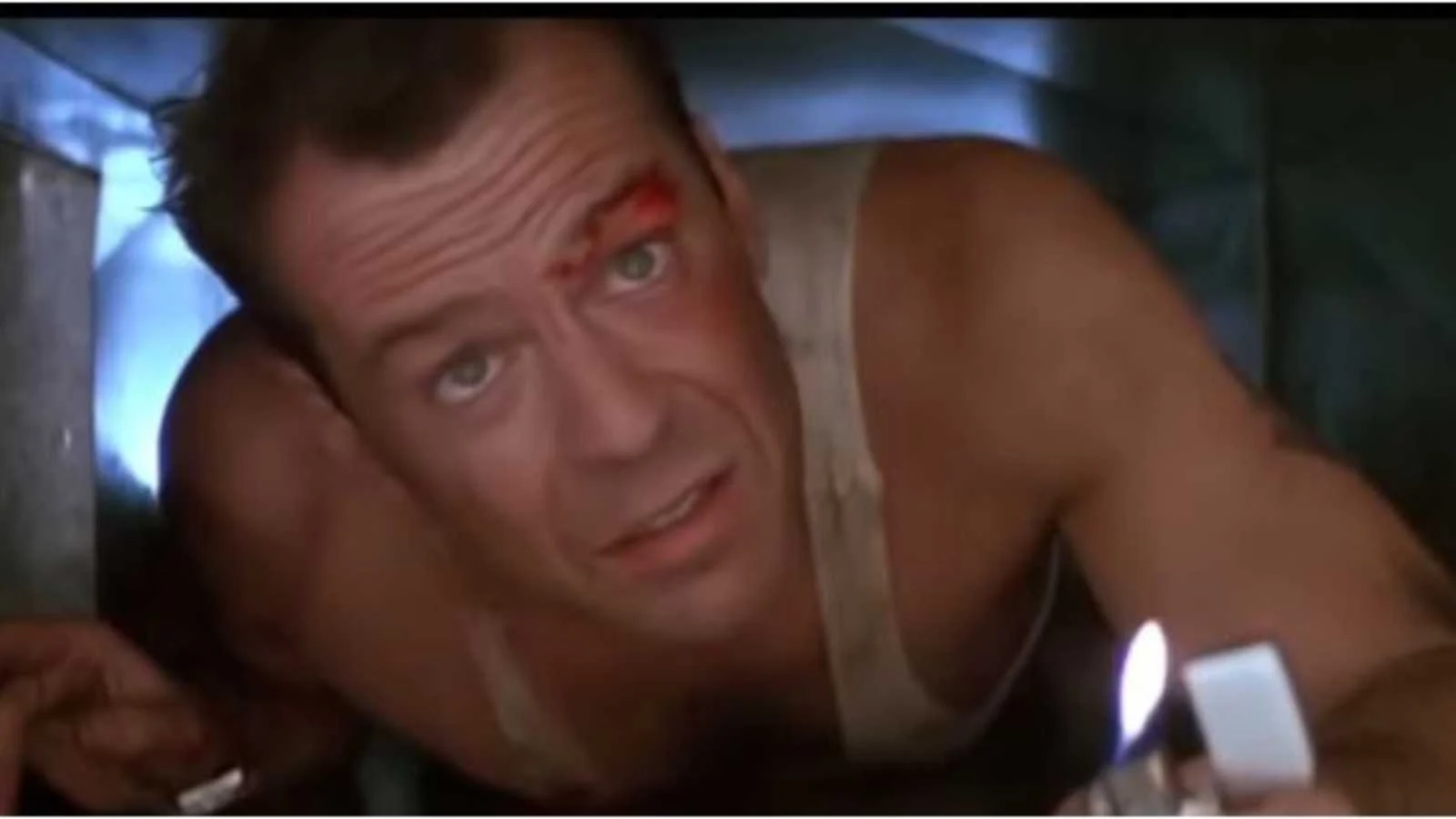
It’s easy to forget that Bruce Willis’s explosive Die Hard has literary origins. The movie was adapted from Roderick Thorpe’s 1979 thriller Nothing Lasts Forever, where the main character, Joe Leland, was transformed into the now-famous John McClane.
The real kicker? Thorpe’s novel was a sequel to his 1966 book The Detective, which had already been made into a movie starring Frank Sinatra. Talk about an unexpected link between Sinatra and Willis!
Bambi
We all know Bambi as the emotional tale of a young deer growing up in the forest, but it was originally a 1923 novel by Felix Salten. The novel had a much heavier context, having been banned in Nazi Germany, and the film adaptation, while heart-wrenching, doesn’t fully capture the novel’s darker undertones about life, death, and survival.
The novel’s exploration of innocence versus the harsh realities of the wild adds a new depth to the story, making it a powerful read even today.
Planet of the Apes
Before Charlton Heston donned his space suit and made his famous declaration, Planet of the Apes was a 1963 novel by Pierre Boulle. The book was less about apes and more about a deeply satirical take on human nature, society, and technology.
While the film series has evolved into an action-packed spectacle, Boulle’s work leaves you with a deeper, more chilling reflection of what it means to be “human.”
The Graduate
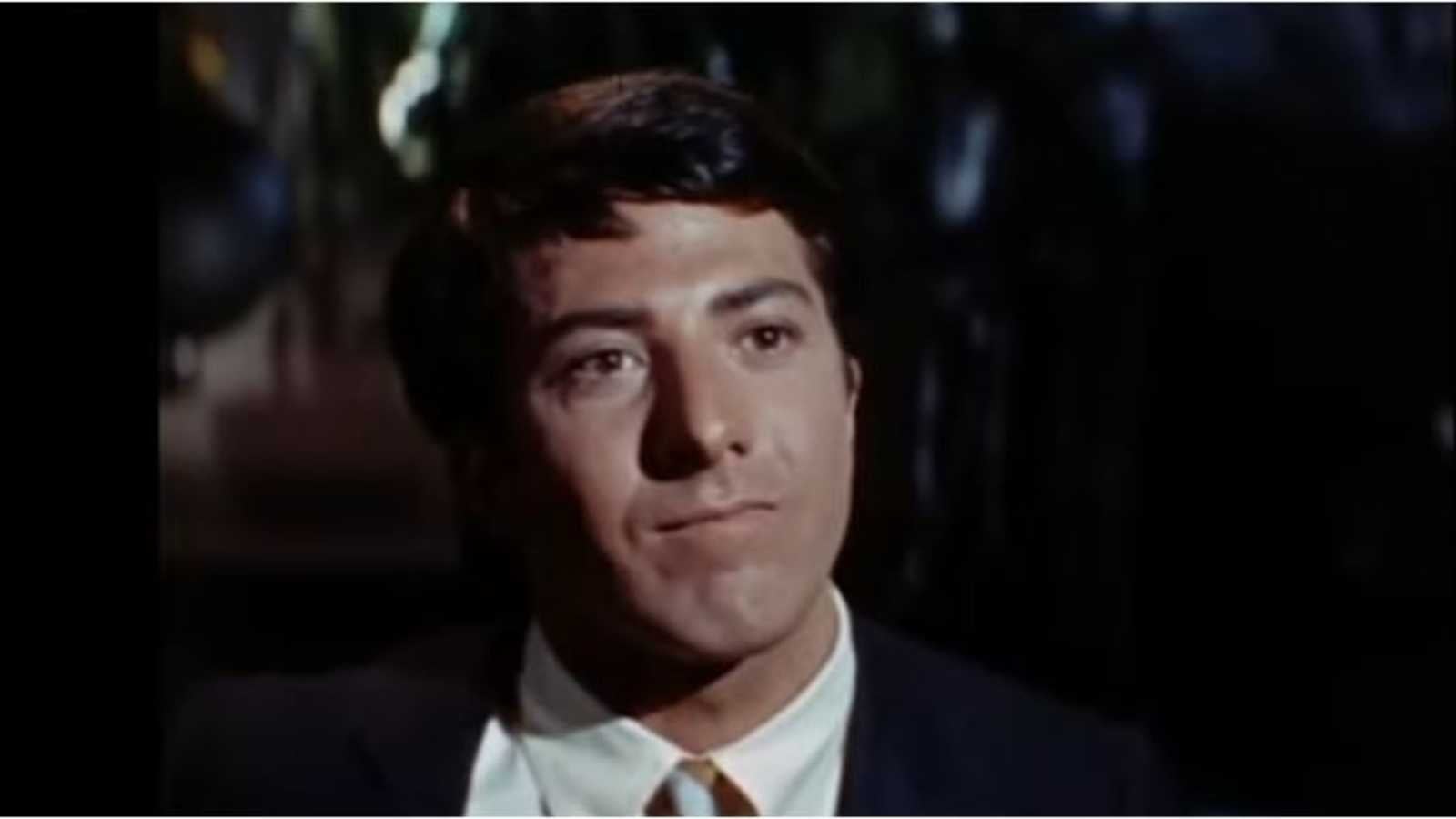
A young man’s midlife crisis, an older woman’s seduction, and a crisis of identity, The Graduate is one of the quintessential films of the 1960s.
But did you know it was based on Charles Webb’s 1963 novel? The book is more succinct and sharply awkward than the film, providing a different kind of discomfort that explores the painful, often bewildering transition from youth to adulthood.
First Blood
Before Rambo became the action icon we know, his first appearance was in David Morrell’s 1972 novel First Blood. The book is darker and less sympathetic toward John Rambo, showing a traumatized Vietnam War veteran at odds with a corrupt small-town sheriff.
The film took those themes and ran with them, adding a layer of Hollywood-style action while still staying largely true to the novel’s core.
Pitch Perfect
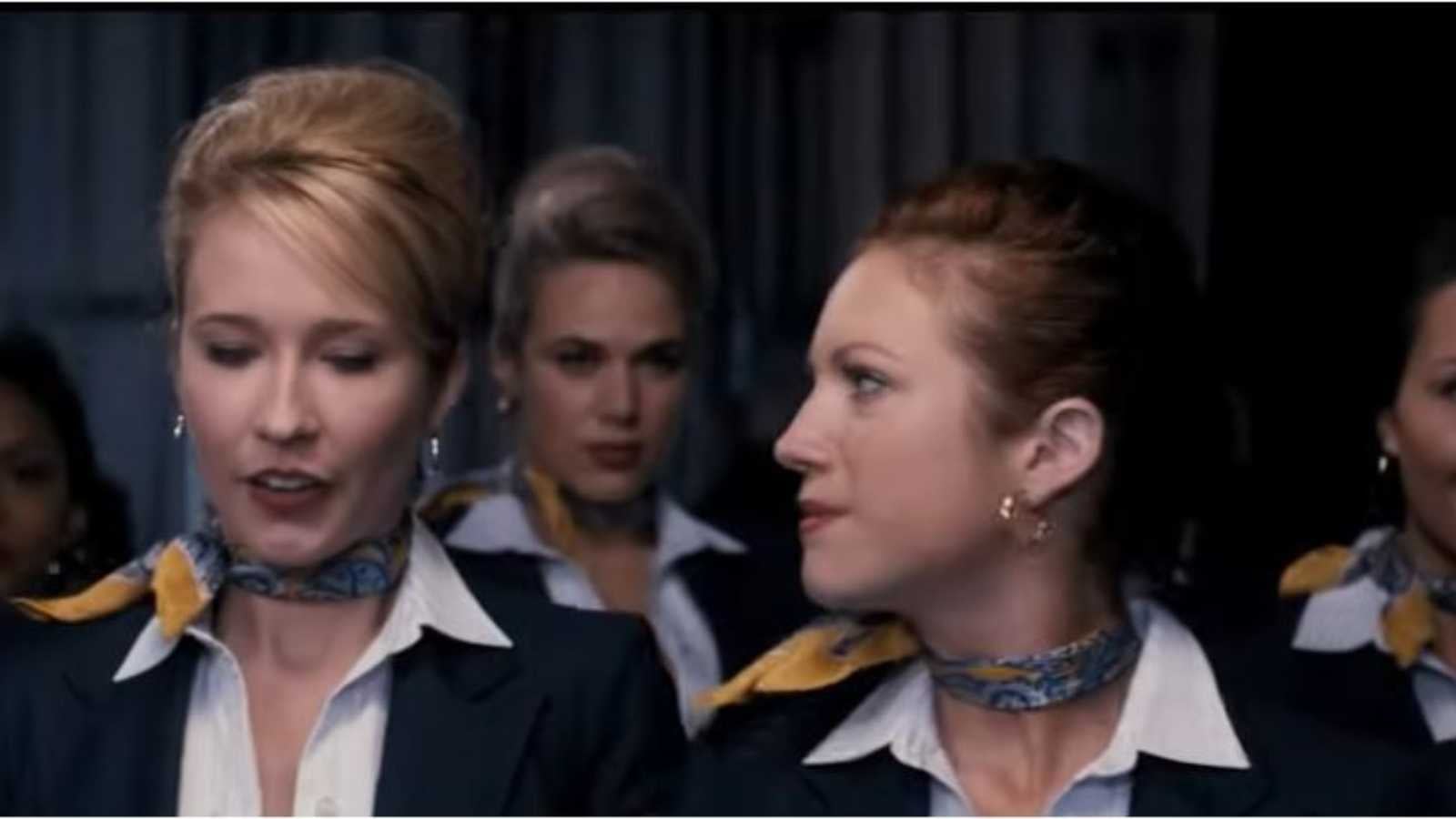
Before the a cappella group took over our hearts, Pitch Perfect was inspired by Mickey Rapkin’s 2008 nonfiction book about the world of college a cappella. The film may seem like an over-the-top musical comedy, but the book provided the real-life fuel that made the film’s portrayal of a cappella competition feel authentic and exciting.
The movie was a pop-culture hit, but the roots are in the gritty reality of collegiate music.
The Princess Bride

Beloved for its quirky humor, adventure, and unforgettable lines, The Princess Bride is actually based on William Goldman’s 1973 novel. But here’s the twist: the book itself presents an abridged version of a much older (fictional) work by S. Morgenstern. It’s a meta-narrative full of wit, where the narrator’s voice is just as iconic as the characters themselves.
The film did a brilliant job translating that oddball charm, but the novel’s even stranger, if you can believe it.
Conclusion
These movies prove that sometimes, the journey from book to film is a transformation, but the original stories still shape the world we know. Whether it’s the quirky charm of The Princess Bride or the gritty realism of First Blood, these books offer layers that might surprise even the most dedicated movie fans.
Next time you settle in to watch a film adaptation, you might just want to pick up the book for a deeper dive into the story behind the screen.