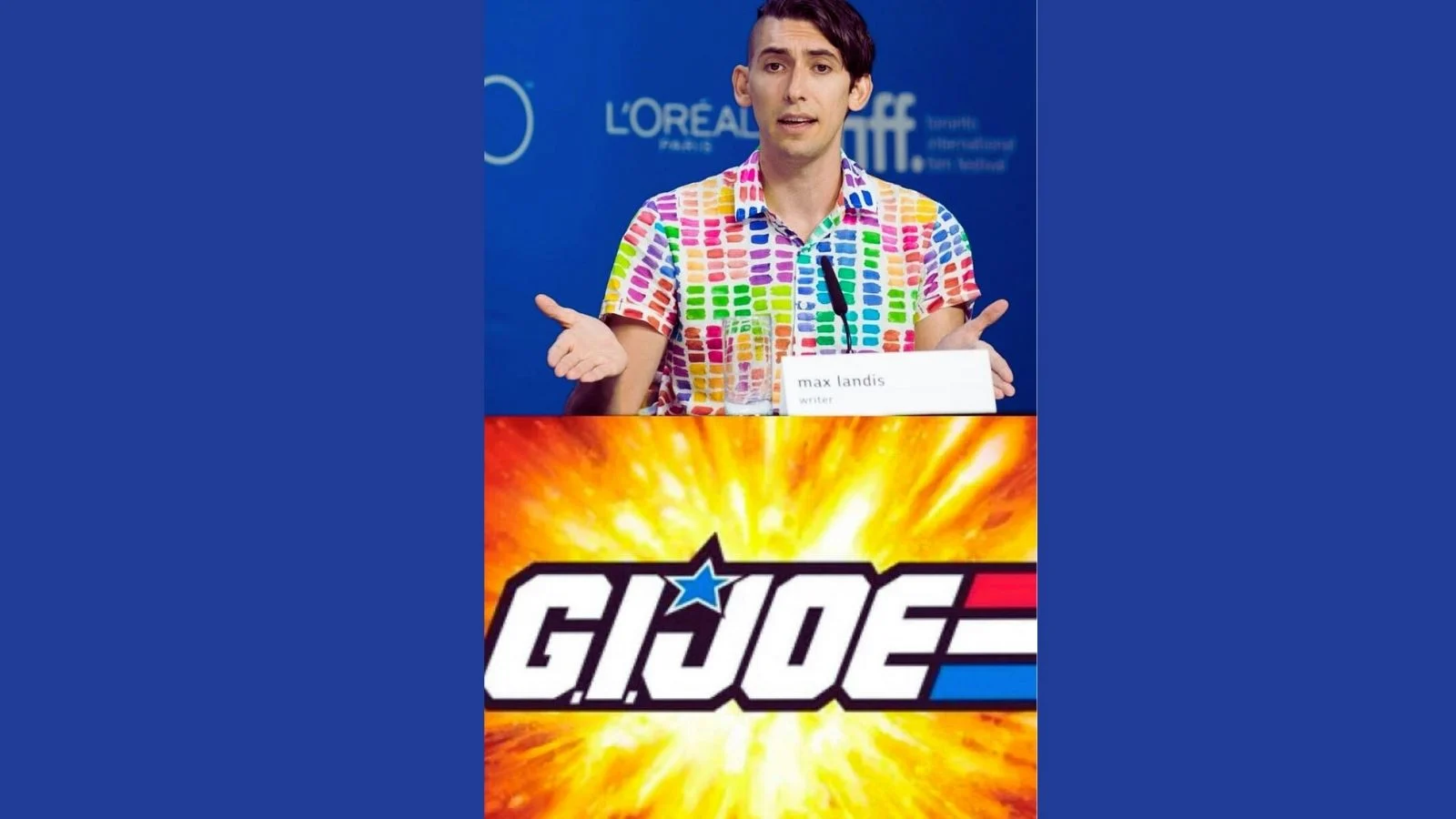
Paramount Pictures, the studio that brought you everything from Mission Impossible to Transformers, has reportedly decided to reboot the G.I. Joe franchise by making one of the most controversial hires of the post #MeToo era. According to a report published by The Hollywood Reporter on February 27, 2026, the studio has tapped Max Landis to develop a treatment for a brand new G.I. Joe movie.
If that name sounds familiar, it is likely because his career famously imploded back in 2019 when eight women came forward with allegations of sexual and emotional abuse.
This move is a massive deal because it marks his first major studio gig in about seven years, signaling that Paramount is ready to test whether a “canceled” creator can still deliver a hit. At the same time, the studio is hedging its bets by hiring Danny McBride to write a completely separate treatment for the same property, creating a bizarre creative bake-off.

The situation at Paramount is currently in the early stages, meaning there are no directors or actors attached to the project just yet. Variety reports that the studio is aiming to rejuvenate the franchise with Landis and McBride both crafting scripts inspired by the classic Hasbro toy line.
While some sources say the goal is to eventually blend these two scripts into one movie, others within the studio insist the projects are intended to remain distinct for now.
It is a dual-track approach that feels less like a traditional collaboration and more like a desperate attempt to find a pulse for a brand that has been dormant since the 2021 spinoff “Snake Eyes”. Essentially, the studio is throwing two polar opposite creative energies at the wall to see which one sticks, all while navigating the reputational minefield of a high-profile comeback.
The Paramount Pattern of Distressed Assets
The decision to bring back Landis is not just a one-off choice; it appears to be part of a broader corporate strategy that has industry observers raising their eyebrows. The Hollywood Reporter frames this move as part of a documented trend under David Ellison’s leadership, in which the studio collaborates with individuals who have sparked massive controversy.
They even went so far as to call it a history of acquiring “distressed human assets”, citing other high-profile hires such as John Lasseter and Brett Ratner.
Lasseter was famously brought into Skydance Animation after he acknowledged “missteps” at Pixar that left his employees feeling “disrespected and uncomfortable”. Then there is the massive 7.7 billion dollar agreement Paramount struck with the organization Dana White headed, even after he was recorded assaulting his wife.
It seems the vibe at Paramount is shifting toward a meritocracy of efficiency where “being useful” is starting to win out over “having a clean record.” This return comes despite Landis eventually admitting to some of the behaviors that derailed his career.
In a 2021 essay published on Medium, Landis wrote that “some of what’s been said about me is true,” specifically confessing that his “instability translated into relationships as “emotional abuse, infidelity, and wild unpredictable emotional behavior.”
While he claimed he was not the “monster” the internet believed him to be, he noted that he never apologized because the parts of the allegations that he felt were untrue left him in an “impotent fury.”
A Tonal Frankenstein for a Broken Brand
The G.I. Joe brand is in a weird spot because it has never quite achieved the consistent box office glory of its sibling franchise, Transformers. We have seen three different attempts since 2009, ranging from the neon action of Rise of Cobra to the grounded failure of Snake Eyes in 2021.
Entertainment Weekly and IndieWire note that the franchise has struggled to find its footing, and this latest reboot is a priority for Ellison as the studio plans a massive Transformers and G.I. Joe crossover. That crossover was teased at the end of Transformers Rise of the Beasts and officially announced at CinemaCon 2024.
Now, the studio is trying to find a disruptive tone to justify why these toys still matter in a post-Marvel world, and they are using two very different writers to find it.

Vulture characterizes the idea of blending these two scripts as akin to swapping the head of one G.I. Joe figure onto another body. On one hand, you have Landis, who spent his years away from Hollywood helming fan films and running a YouTube channel. On the other hand, you have McBride, whose career is built on absurdist and character-driven comedy like The Righteous Gemstones.
This tonal clash suggests that Paramount still does not quite know what a modern G.I. Joe movie should look like. By commissioning two treatments at once, they seem to be bypassing traditional development in favor of a modular strategy that lets them pivot whenever they want.
The Reality of the New Industry Graylist
While the business side of this deal is moving fast, the ethics of it are being treated as an inconvenience by critical outlets like AV Club and Paste. They have labeled Landis a “disgraced nepo baby” and a potential HR liability, noting that Paramount shows no compunction about working with him despite his public admissions regarding past emotional abuse.
What is really wild is that none of the major trade reports mention any internal safeguards or workplace safety measures being put in place for this project. There are no confirmed details on whether Landis has undergone any formal accountability process beyond his self-published essay.
This silence from the studio reflects a broader trend in which the post #MeToo reckoning is transitioning into a more opaque graylist era.
The G.I. Joe reboot is now a giant flashing warning sign about how studios handle their reputations in the modern era. Paramount is essentially testing how much reputational blowback a dormant franchise can absorb before it becomes a total loss. While the studio has declined to comment in detail on the specifics of the deals, the work is officially happening.
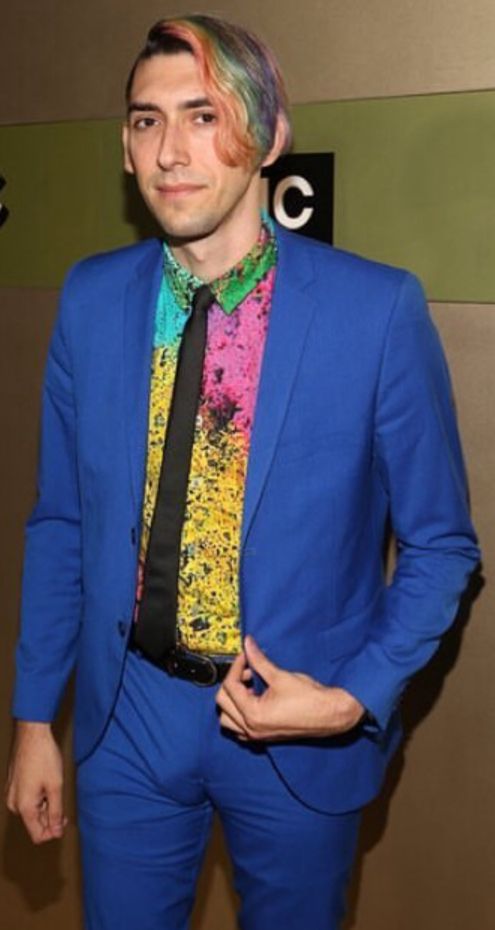
This news breaks exactly seven years after the scandal that effectively ended Landis’s mainstream career, and the industry is watching to see if his return will be a hit or a PR disaster. For now, the focus is on the treatments, with the studio keeping its exit ramps clear and its options open.
The future of the Hasbro cinematic universe depends on whether this high-stakes gamble results in a blockbuster or just another false start for the Joes.
The real story here is not just about one movie; it is about how the “safety speech” is being dropped when the prize is a multi-billion-dollar franchise. Paramount is signaling that audience-facing controversy is secondary to internal delivery, especially when you are trying to build a foundation for a massive shared universe.
It is a Silicon Valley-style drama played out on a Hollywood backlot, where the old rules of accountability are being rewritten by the need for content.
The message to the industry is clear: if you can fix a broken brand, certain studios are willing to look past almost anything, even when the creator has admitted to a history of “instability” and “emotional abuse.” Whether the public will actually show up to buy what they are selling is the only thing that will eventually decide if this new corporate doctrine is here to stay.