
Chris Brown’s attempt to stop a documentary from airing and to recoup what he said were serious harms to his reputation has been dealt a major legal setback. As reported by Billboard, on January 12, 2026, a California judge dismissed the singer’s $500 million defamation lawsuit against Warner Bros Discovery and the production company behind Chris Brown: A History of Violence. This ruling may close one chapter of the long, sometimes messy legal saga that has shadowed the R&B star for years.
This wasn’t a small case in a quiet courthouse. Brown’s complaint had captured headlines since he filed it in January 2025, a move that pulled him right back into public scrutiny over serious allegations made against him. Now, months later, a judge has said the lawsuit simply does not hold up in court.
Let’s break down what happened, why the judge ruled this way, and how this decision plays into the bigger story of Chris Brown’s life, career, and the very public legal troubles that have followed him for years.
The Lawsuit That Was Supposed to Rewrite the Narrative
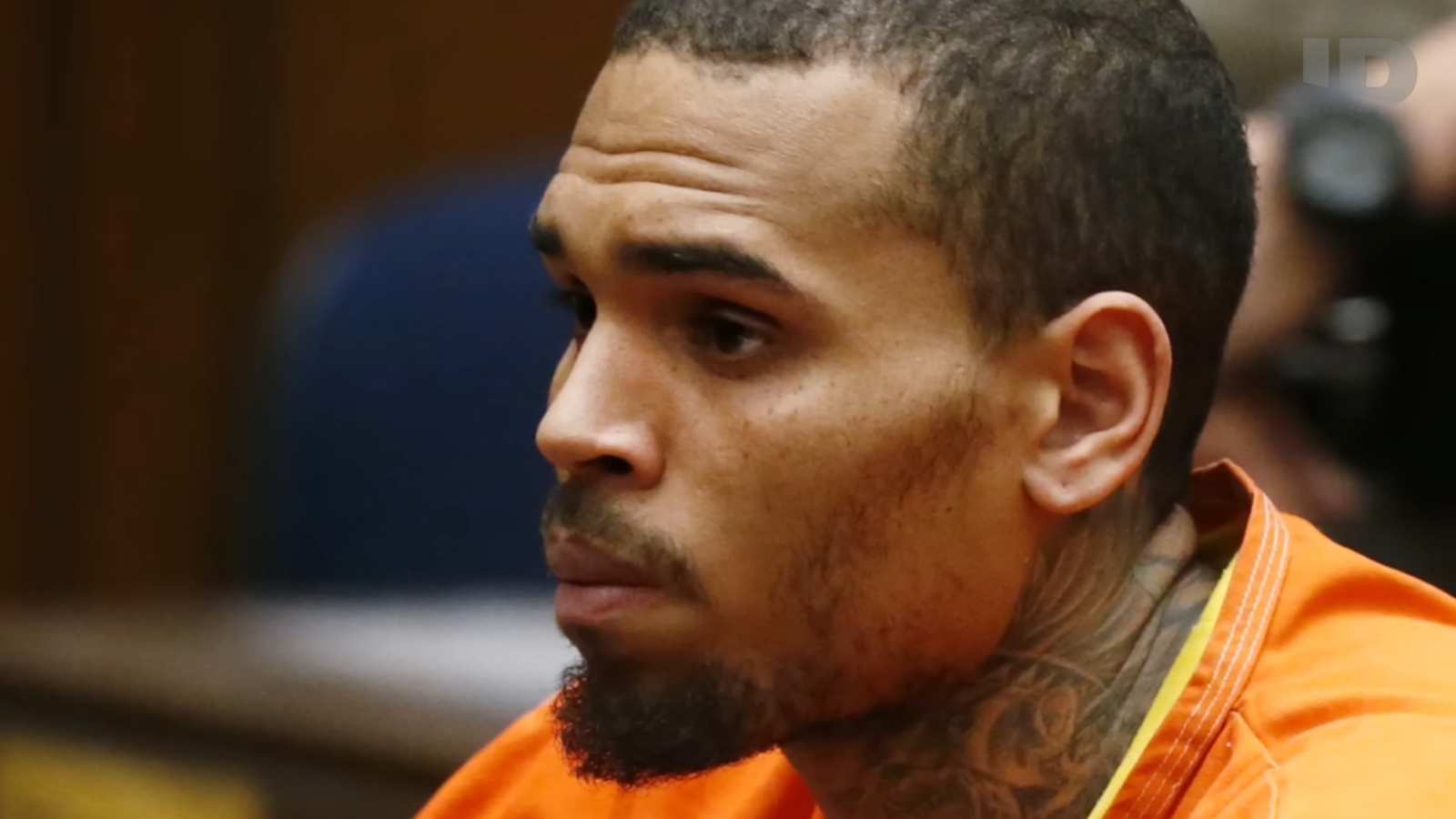
It all began last year when Brown, a multi-platinum singer known for hits like Run It and Forever, took legal action against the makers of a 2024 documentary titled Chris Brown: A History of Violence. The film aired on Investigation Discovery and explored allegations, including physical abuse and sexual assault, made against Brown over the last decade. Brown insisted the documentary was “full of lies and deception,” and that it unfairly connected him to criminal behavior.
In his complaint, Brown asked for $500 million in damages, arguing that the series had seriously damaged his reputation, cost him business opportunities, and harmed him emotionally. His lawyers claimed the documentary blurred the line between allegations and facts, presenting stories that had been legally dismissed as credible truths.
One segment of the show focused on a claim by a woman, referred to in legal filings as Jane Doe, who alleged Brown sexually assaulted her during a yacht party in 2020 on a boat owned by music mogul Sean “Diddy” Combs. Brown’s team argued that the woman’s claims had been disproven, citing inconsistencies in her account and text messages that they said showed consensual interactions.
Brown’s attorneys also pointed out that one of the lawsuits the woman had filed against Brown in 2022 was dismissed, leaving them with what they viewed as little credible basis for the documentary’s claims. Brown said the filmmakers chose to spotlight accusations that had been dismissed or lacked verified evidence, all to drive views and profits without proper concern for truth.
In his complaint, as reported by the BBC, Brown’s lawyers wrote that the whole documentary painted him as a “serial rapist and sexual abuser,” language they said was defamatory and untrue. They also implied that part of any award he would receive might be donated to survivors of abuse, an unusual angle in a lawsuit that was otherwise all about clearing his name.
At the time, it felt like a bold gambit from a celebrity accustomed to commanding attention in the court of public opinion. A $500 million claim is eye-catching by any measure. But courts are not social media platforms, and the legal standards at play would prove important.
Why the Judge Tossed the Case

The decisive moment came on January 12, 2026, when Judge Colin Leis ruled that Brown’s lawsuit could not proceed, Billboard notes. The reasoning was grounded in legal definitions that many people outside law school might not have heard of.
Defamation claims in the United States involve a high bar for success, especially when the plaintiff is a public figure like Chris Brown. Brown’s team argued that the documentary presented false statements about him that damaged his reputation. But the judge determined that the film did not cross the line into actionable defamation.
The judge’s ruling made two key points:
Journalistic Standards Were Followed. Judge Leis said that the documentary had presented information fairly, including details that could cut both ways. He wrote that the court had personally watched the entire documentary, and that it recited most of the inconsistencies noted by Brown’s lawyers. That phrase is important because it suggests the filmmakers did not simply present one side of the story.
Not Enough Evidence to Prove Defamation. Under California law, which includes specific protections for free speech and reporting, Brown had to show that the content was not just offensive but was presented with actual malice, meaning the filmmakers knew it was false or recklessly disregarded the truth. Judge Leis found Brown did not meet that burden, saying Brown’s legal team failed to provide sufficient evidence that the documentary was false in the ways they alleged.
An important footnote in the judge’s decision was an acknowledgment of context. The documentary referenced past admissions by Brown, including his guilty plea for assaulting then‑girlfriend Rihanna in 2009, which Brown has accepted. The judge also noted that statements made by culture writer Scaachi Koul in the film, which Brown especially took issue with, were opinion rather than fact, and therefore not grounds for defamation.
The legal result was clear: the court found the documentary fell under protected reporting. The lawsuit was dismissed entirely. Brown now has the option to appeal, but as it stands now, this claim has reached a dead end in the trial court.
Where This Fits in the Bigger Story

Some context is helpful here. Chris Brown has faced multiple legal challenges and controversies during his long career. Most famously, a 2009 assault on Rihanna led to a guilty plea and probation, and Brown has acknowledged that incident publicly. That history inevitably informs how public and legal discussions unfold when alleged violence comes up again.
The documentary at the center of this lawsuit was an attempt by Investigation Discovery to explore allegations of abuse and violence tied to Brown’s past. Many of those allegations were widely reported and have been the subject of civil suits, police investigations, and public commentary for years. This is not the first time Brown’s personal life has become fodder for media examination.
What makes this ruling notable is not just the size of the claim, but the legal clarity it provides on how courts treat documentaries and reporting when public figures complain about portrayal. Public figures face a heavier burden in defamation cases precisely because their actions, reputation, and controversies are part of public dialogue. Unless they can prove outright falsehood with evidence of intentional malice, courts tend to side with free speech protections.

In Brown’s case, the judge essentially said the documentary stayed within those protected lines. It neither fabricated facts nor maliciously twisted them beyond recognition. That is a steep hill to climb for any plaintiff, especially one with a long public profile and well-documented past controversies.
At the time of this ruling, neither Brown nor his legal team had immediately responded publicly with an official statement. That is not unusual; legal teams often take time to discuss next steps before speaking to the press. Brown’s options going forward could include an appeal to a higher court. An appeal would not guarantee a different outcome, but it could extend the case for months or even years.
Alternatively, Brown could decide to move on and focus on other aspects of his personal life and career. The dismissal of this lawsuit might also allow him to focus on ongoing legal matters elsewhere, including the criminal charges he faces in the United Kingdom related to an alleged nightclub assault in 2023.
Whatever his next move, one thing is certain: this case has highlighted how complicated and public legal battles can become for entertainers whose personal lives intersect with lasting allegations and decades of media attention.
The judge’s decision to toss out a $500 million lawsuit is not the end of the story for Chris Brown. It is a major moment in the ongoing public narrative that surrounds a figure who has both enormous musical success and persistent controversy in his wake.