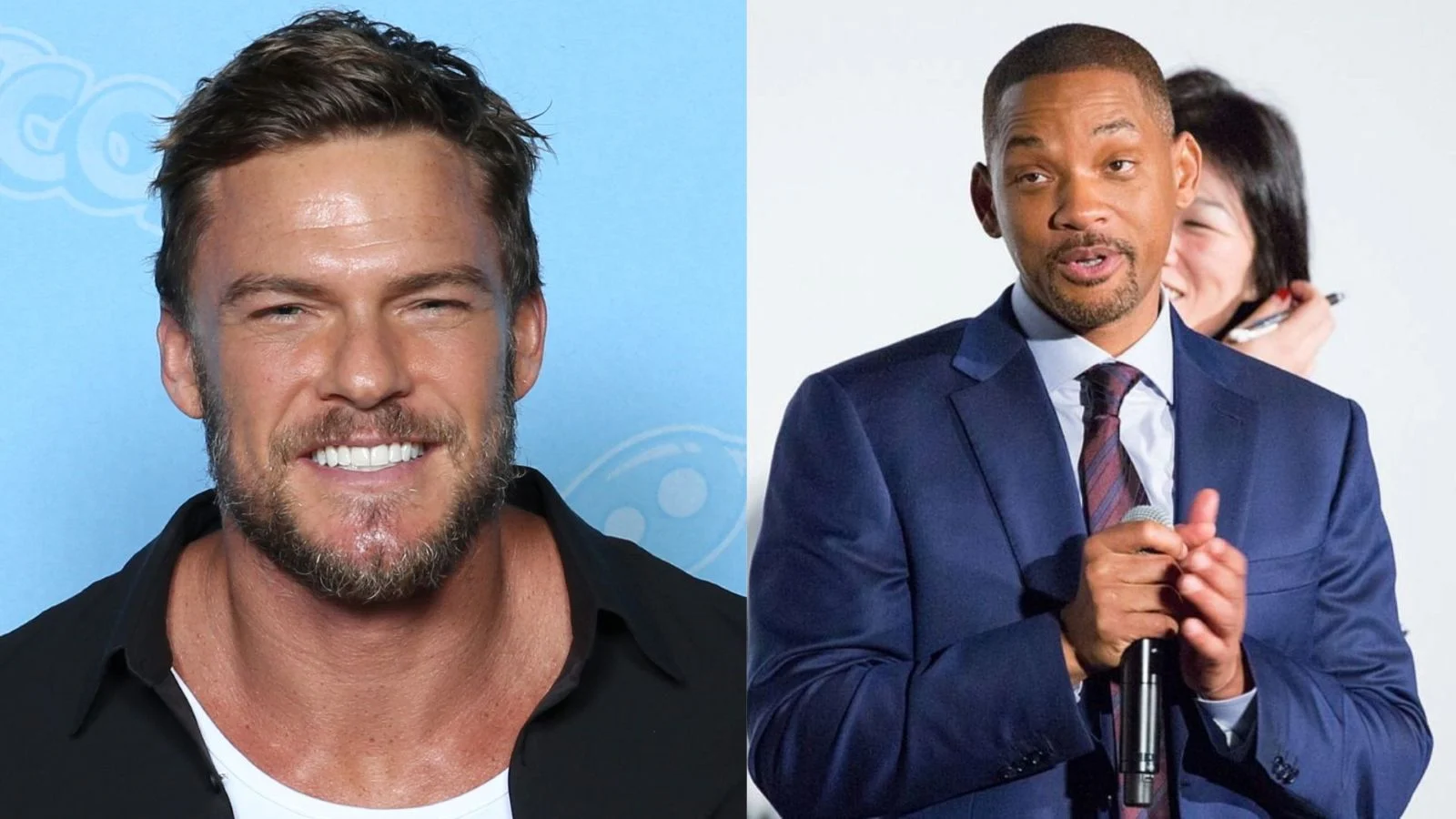
In March 2022, Will Smith walked onto the Oscars stage and slapped Chris Rock across the face on live television. One open-handed strike. No blood. No hospital visit. No police report. Rock stayed on his feet and kept hosting. Smith lost his production deals, got banned from the Academy for a decade, filmed apology videos, cried on camera, and spent the better part of three years trying to earn back what that one moment cost him.
This past Sunday, Alan Ritchson beat his neighbor, Ronnie Taylor, in a Brentwood, Tennessee street until the man had a black eye swollen shut, scabs across his forehead, and a suspected concussion. Taylor spent hours in the emergency room. Ritchson rode off on his motorcycle with his sons trailing behind him. On Tuesday, police closed the case. Self-defense. No charges.
“Reacher” star Alan Ritchson’s body cam footage of his bloody fight with his neighbor is released. pic.twitter.com/Hxixghh9e9
— TMZ (@TMZ) March 24, 2026
The internet threw Ritchson a parade. Smith is still paying for a slap.
That gap hits hard. Not because the two situations are legally identical; they are not. But because Alan Ritchson was not just cleared by the police. He got something much rarer, especially for a celebrity caught on camera throwing punches. He got grace.
Alan Ritchson Got the Benefit of the Doubt Before the Facts Did
That did not happen by accident. Ritchson walked into this story with one of the strongest public-persona cushions a male star can have in 2026. He is not just the guy from Reacher. He is the guy who has spent the last two years being unusually candid about bipolar disorder, a suicide attempt, sexual assault, and faith, which made him feel more human than polished. That kind of candor builds trust long before a crisis ever shows up.

It also helps that he currently looks like exactly who the internet wants him to be. War Machine debuted at No. 1 on Netflix’s English film chart across 93 countries with 39.3 million views. Reacher still gives him that giant-avenger aura. So when the first video hit, a lot of people did not react like they were watching a fall from grace. They reacted like they were waiting for the missing context that would justify the hit.
Will Smith Never Had That Kind of Runway
Smith had the opposite problem. The moment he walked onstage and slapped Chris Rock at the Oscars after Rock joked about Jada Pinkett Smith’s hair loss, the whole thing calcified into a morality play. It happened in tuxedos, on live television, at the most image-conscious ceremony in Hollywood. There was no body-cam reveal coming later. No police finding of self-defense. No version of events that made the room suddenly rethink what it had just watched.
And Smith did what celebrities are always told to do when they blow up. He apologized quickly. He apologized publicly the next day, then apologized again months later in a video saying his behavior was “unacceptable.” The Academy still banned him from events for 10 years, even though he kept his Oscar and remained eligible for future nominations. That is what makes the contrast so interesting. Contrition did not buy Smith back the moral ground he lost in real time.
Venue Mattered, but So Did Persona
This is where the comparison gets uncomfortable. The law and the optics were not the same. Ritchson was in a neighborhood confrontation that police later said was self-defense. Smith struck a presenter onstage at the Oscars. Those are different facts, and pretending otherwise would make this whole argument stupid.
But public reaction is never based on facts alone. It is based on narrative. Ritchson was already coded as the rugged guy who protects his own. Smith was coded as the polished movie star who shattered the rules of the room. One man looked like he might have had a reason. The other looked like he had lost control in the one place Hollywood least tolerates disorder.
Silence Only Works When People Already Want To Forgive You
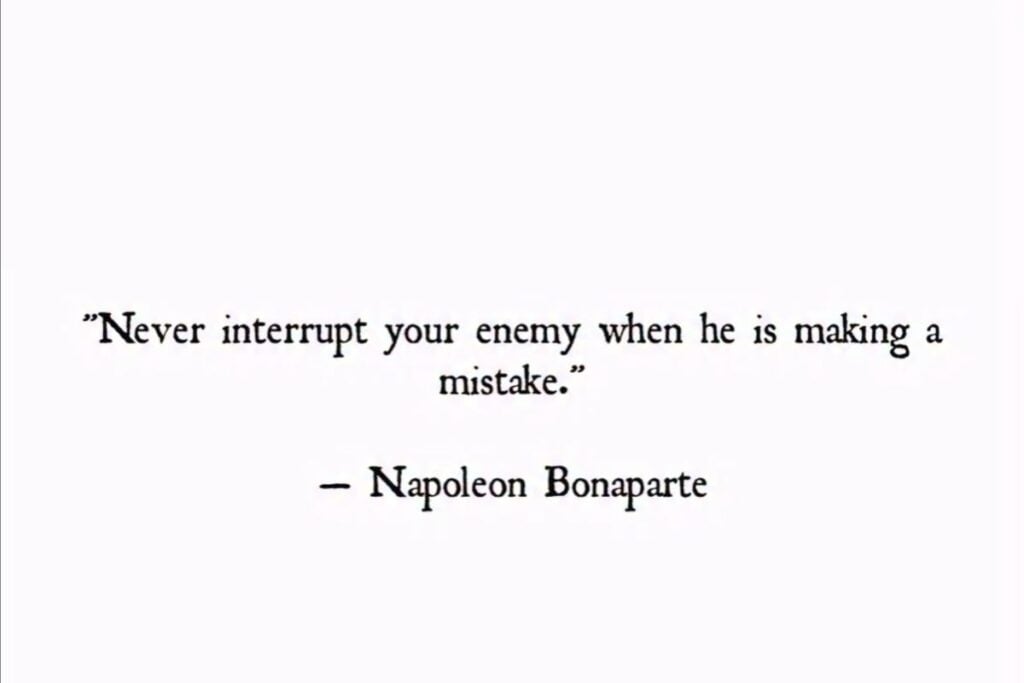
That may be the ugliest lesson in all of this. Before police announced their decision, Ritchson’s main public response was a Napoleon quote on Instagram: “Never interrupt your enemy when he is making a mistake.”
Smith, by contrast, spent months doing what publicists call the responsible thing. He owned it. He said he was wrong. He kept talking. And somehow, the talking never helped as much as silence helped Ritchson.
Not because silence is morally better. Because silence only works when the audience is already inclined to fill the gap in your favor.
That is why Alan Ritchson versus Will Smith is not really a story about who was more justified. It is a story about who got grace first. And once the internet gives you that, the facts do not so much change the story as confirm the one people were already eager to tell.
So what matters more now, the actual legal outcome, or the kind of celebrity the public has already decided you are?