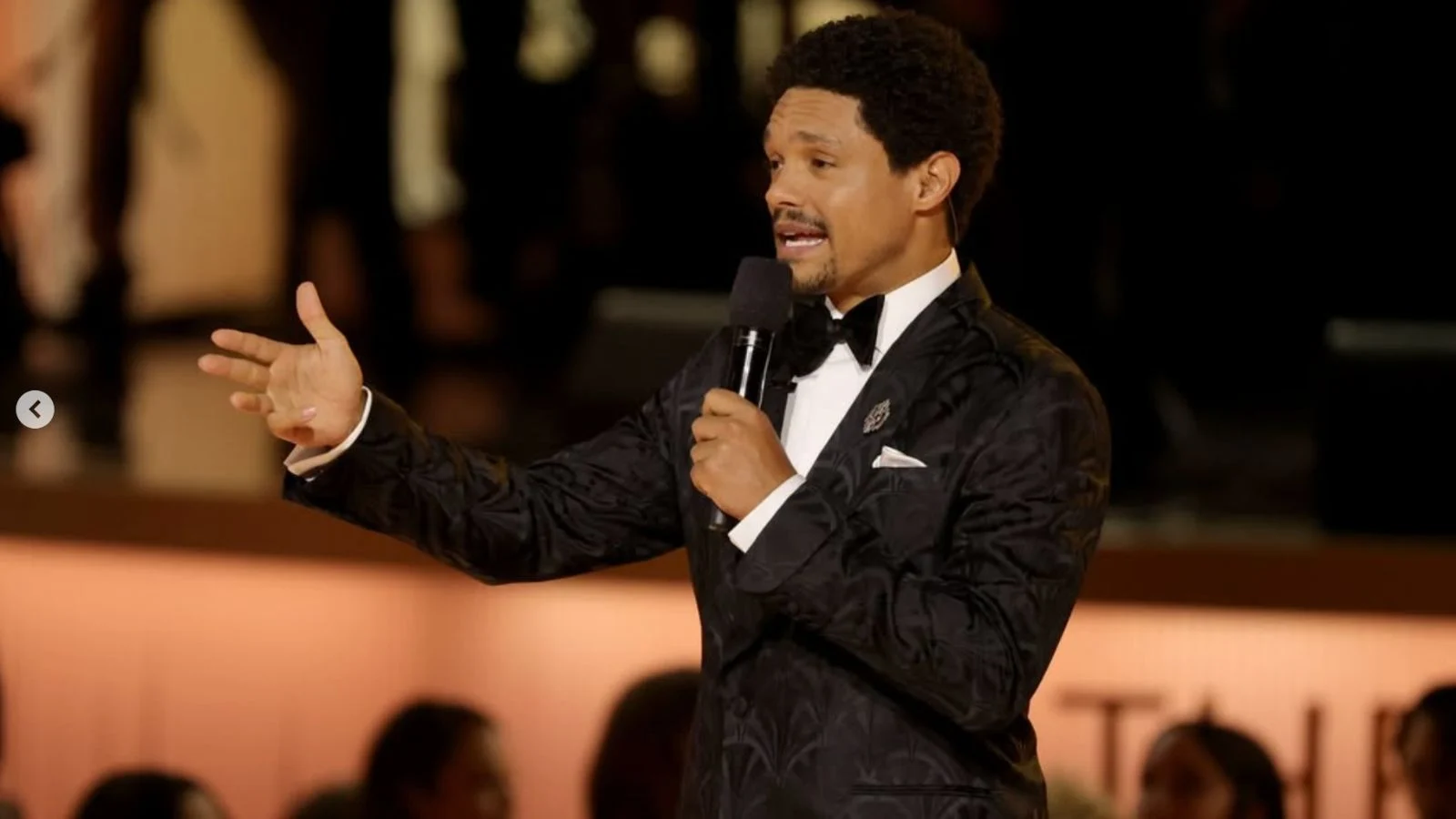
Trevor Noah told the joke and didn’t pause for it.
There was laughter, sure, but also that half-second where the room seemed to check itself. Then Noah smiled, the camera moved on, and the Grammys did what award shows always do: they kept going.
That should have been the end of it.
A few hours later, it clearly wasn’t.
Before the night was even over, Donald Trump had posted a long, angry response calling the Grammys “unwatchable,” attacking Noah by name, and warning that lawyers might soon be involved. What started as a line delivered between musical performances had escaped the broadcast entirely.
The show ended. The reaction did not.
Trevor Noah takes another jab at Donald Trump #Grammys: “Song of the Year — that is a Grammy that every artist wants almost as much as Trump wants Greenland, which makes sense because Epstein’s island is gone, he needs a new one to hang out with Bill Clinton” pic.twitter.com/quUWEpX4NL
— Deadline (@DEADLINE) February 2, 2026
The Line Everyone Heard, Then Pretended They Didn’t
Noah’s joke landed during one of the safest stretches of the night. He was introducing Song of the Year, the kind of segment designed to glide past without friction.
Instead, he pivoted into a reference involving Donald Trump, Bill Clinton, and Jeffrey Epstein.
It wasn’t dressed up as an accusation. It wasn’t explained. He didn’t linger. The line passed, and the show moved forward, but the reaction in the room sounded different from a normal laugh. It was shorter. Sharper. Like people knew they had just heard something they weren’t going to hear again.
Noah didn’t walk it back. He didn’t clarify. He kept going.
Trump Didn’t Let It Sit There

Trump’s response made it clear the joke wasn’t going to live or die on that stage.
He reacted quickly, while the broadcast was still fresh, rejecting the line outright and calling it false. He attacked Noah personally, then widened the scope almost immediately, dragging the Grammys and CBS into it and framing the moment as something closer to a formal grievance.
The speed was striking. So was the tone.
This wasn’t a delayed reaction or a casual swipe. It read like a warning issued before the moment could settle into public memory.
Some Names Change the Rules
Most political jokes fade because they follow a familiar script. Hair jokes. Ego jokes. Policy jokes. Everyone knows how those play out.
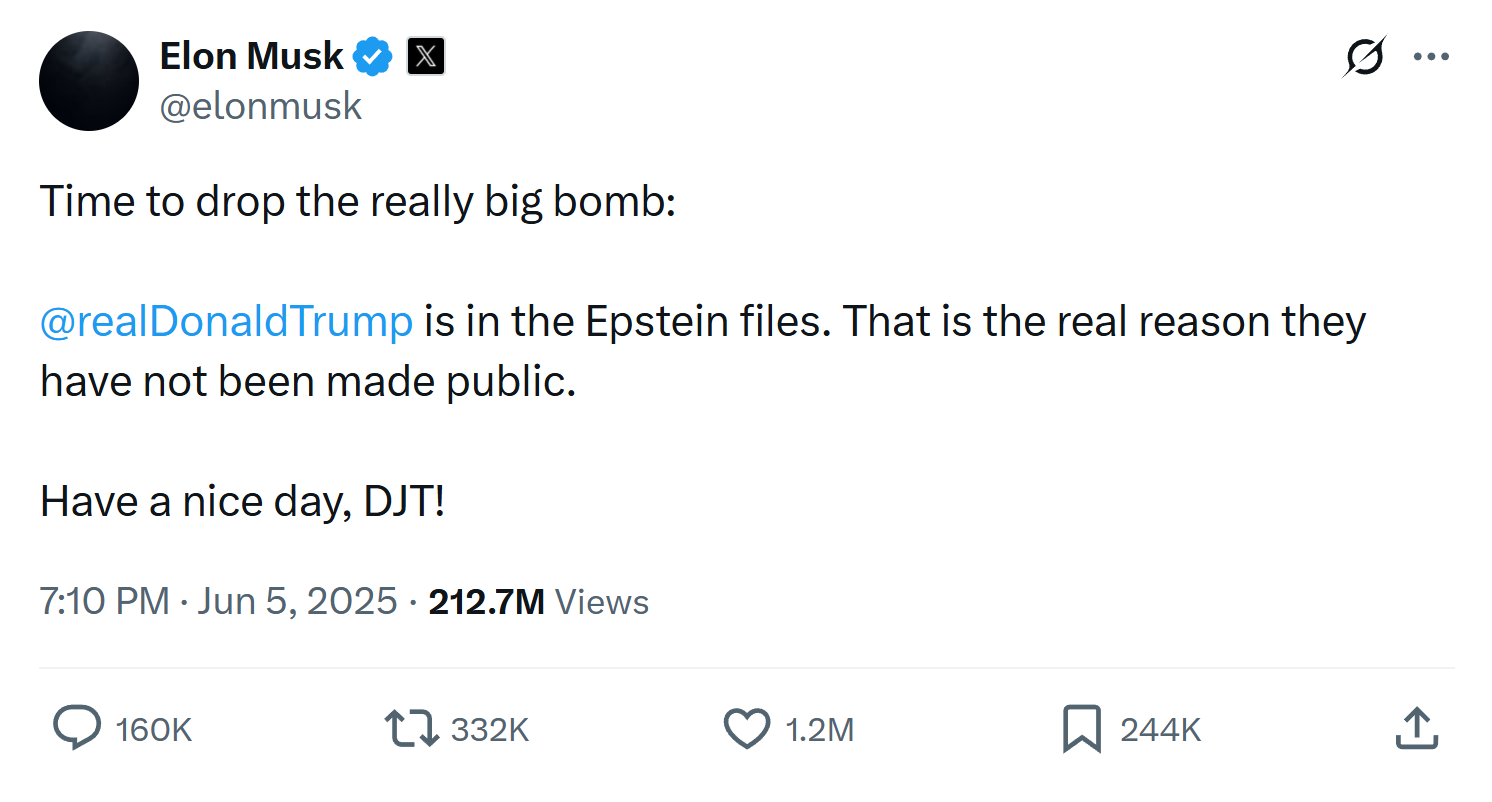
Jeffrey Epstein’s name doesn’t follow that script.
Once it’s spoken, context stops mattering as much. Associations form on their own. Silence becomes risky. Laughter becomes secondary. The temperature in the room changes, even if the show pretends it hasn’t.
Trump’s reaction suggested he understood that instinctively. His denial left no room for ambiguity. There was no attempt to defuse the moment, only to shut it down quickly and publicly.
Without that name, the joke likely dissolves into awards-season noise. With it, ignoring the line was never really an option.
When a Joke Becomes an Institutional Problem
Trump didn’t stop with Noah.
By criticizing the Grammys themselves and naming the network, he shifted the issue away from a single joke and toward the platform that allowed it to air. The focus moved from what was said to who let it be said.
At that point, it wasn’t about humor anymore. It was about trust, control, and who gets to define the boundaries of a stage that large.
That shift is what turns moments into flashpoints. The joke becomes evidence. The institution becomes the target.
The Show Went On Anyway
None of this interrupted the broadcast.
The Grammys continued. Performances hit their marks. Awards were handed out. Most viewers probably registered the line as a fleeting provocation, if they noticed it at all.
The reaction didn’t wait for the next news cycle. It arrived the same night, louder than the moment that triggered it.
That’s how these things work now. Cultural moments don’t resolve where they occur. They migrate. They gather weight after the fact, shaped less by what was said than by who refuses to let it go.
A joke turns into a warning. A punchline turns into a legal threat. And something that should have passed quietly doesn’t, not because it was explained too much, but because it wasn’t explained at all.