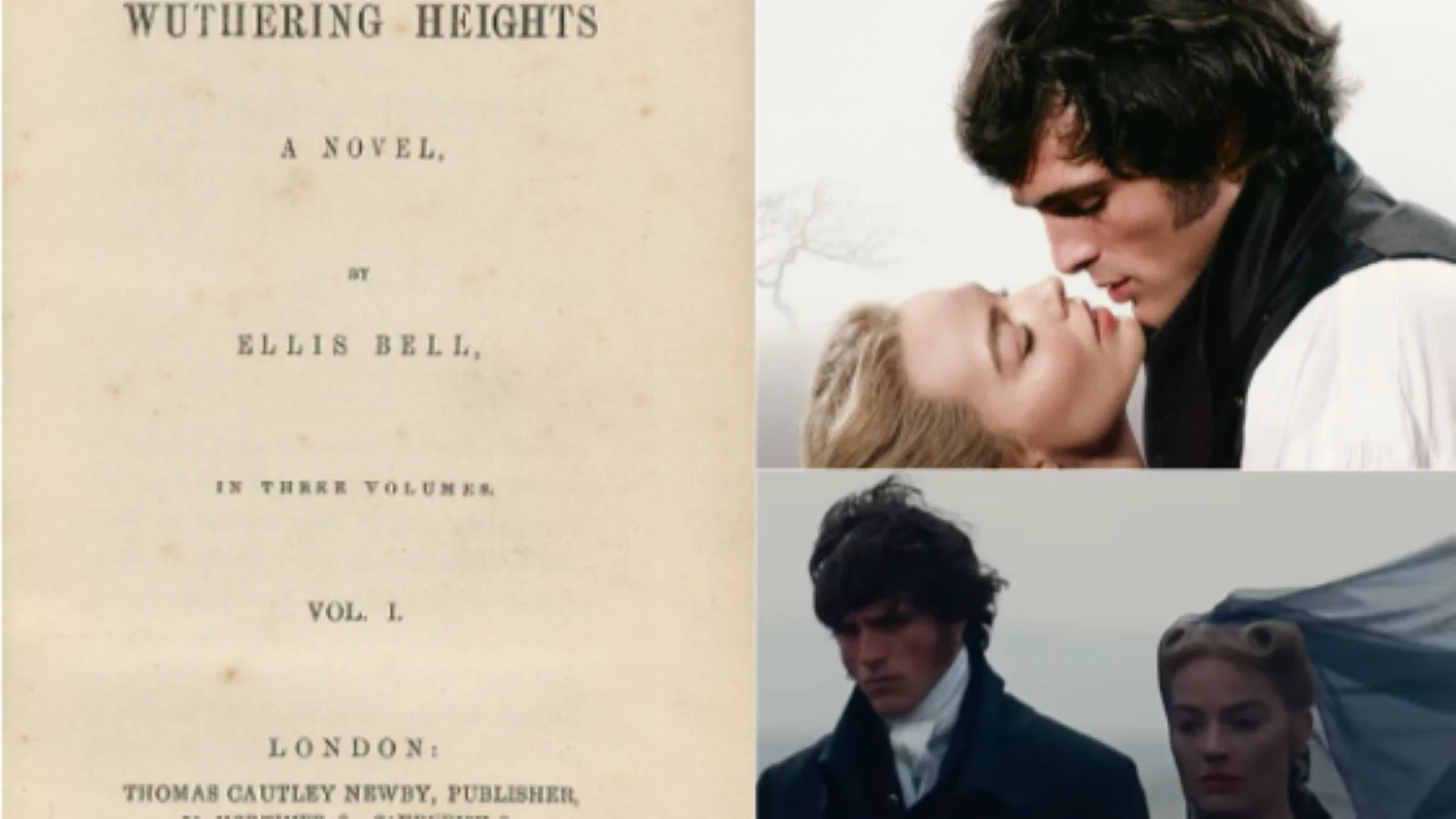
Valentine’s Day usually rewards safe romance. This weekend’s big film is designed to start fights.
Emerald Fennell’s “Wuthering Heights” opened wide on Feb. 13 with Margot Robbie as Cathy Earnshaw and Jacob Elordi as Heathcliff. Within hours of release, it delivered the one thing every Wuthering Heights adaptation reliably promises: audiences arguing like the Brontës are sitting at the table.
It doesn’t ease you in. Multiple early reviews note the film opens on a public hanging, then keeps pressing the gas on shock, sensuality, and style.
Critics are split. Paying audiences are leaning in. Rotten Tomatoes currently lists a 63% critics’ score and an 85% verified audience score. The Numbers shows $11 million domestic on opening day. That is strong for a period drama, especially one this divisive.
But this isn’t just “did you like it.” It’s three separate cultural fights happening at once.
Fight #1: Is This Romance or a Warning Label?
Fennell basically tells you up front what game she’s playing. She’s been candid about the lens in interviews around the release. This is rooted in her teenage response to the book. More primal than academic. More heat than homework.
That’s the disconnect. A wave of first-timers is coming in expecting a Valentine’s Day romance, then discovering the story is, at best, a gorgeous cautionary tale. Online, you can see the correction happening in real time. Don’t expect a love story. Expect obsession.
And the timing is perfect for that panic. Recent reporting shows Wuthering Heights sales spiking again ahead of the film, with publishers crediting social chatter and the adaptation cycle for the bump. That means more people are arriving freshly “book-correct.” And they are loudly warning everyone else.
Fennell also narrows the scope. She cuts the next-generation arc from the novel and centers the film almost entirely on Cathy and Heathcliff’s collision course.
Then she modernizes the sensory language. Charli xcx shows up all over the soundtrack, and the whole thing leans hard into a high-gloss, anachronistic mood. Rotten Tomatoes’ critics consensus calls it a liberal adaptation powered by “carnality” and “chic stylization.”
If you wanted faithful gothic dread, this can feel like an aesthetic over empathy. If you wanted a visually loud, horny fever dream, you probably already bought tickets.
Fight #2: The Whitewashing Firestorm
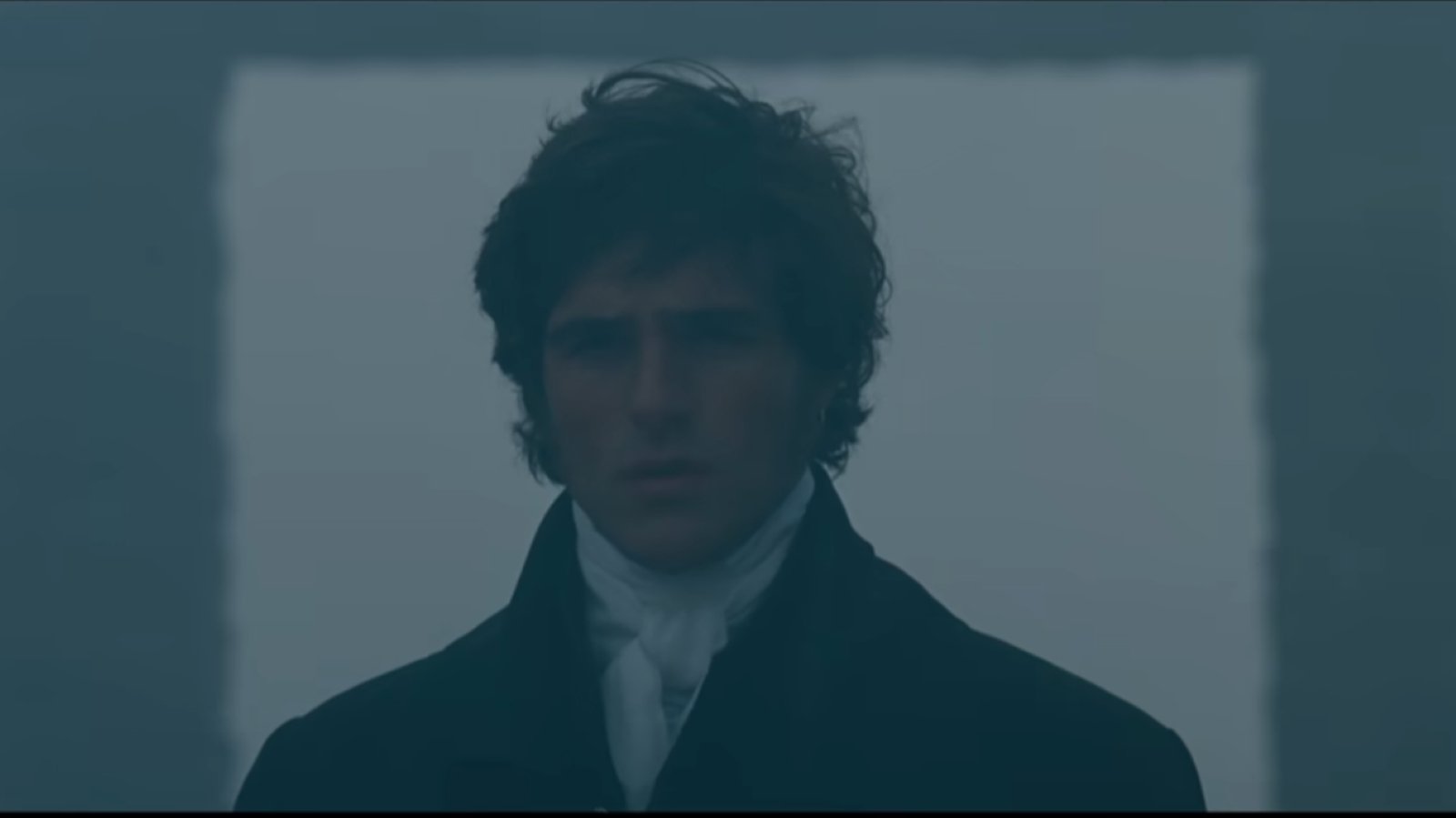
Casting Elordi as Heathcliff reignited the long-running argument about what the character is supposed to represent. In the novel, Heathcliff is described with racialized language. That ambiguity and othering are part of the engine of his mistreatment, and it’s why casting debates tend to become moral debates.
The backlash isn’t just “internet noise.” It’s a substantive complaint about flattening a story where outsider status is the point.
The Guardian reported that casting director Kharmel Cochrane brushed off concerns with a line that poured gasoline on everything. “It’s just a book.”
That quote did not help. And when Fennell’s defense is framed as personal nostalgia rather than textual intent, it only sharpens the criticism that the adaptation is prioritizing a private fantasy over the story’s racial subtext.
Fight #3: “Gothic Spectacle” vs. Literary Vandalism
This is the part where the movie becomes a Rorschach blot for taste.
If you’re here for excess, it’s a banquet. Reviewers describe a film that’s relentlessly photogenic, aggressively stylized, and intentionally uninterested in behaving like a respectful literature adaptation. NPR noted Robbie changes costumes so frequently she “at times seems to be playing Barbie all over again.” There’s a bright red acrylic floor. There’s Charli xcx on the soundtrack. The Independent accused Fennell of gutting the novel into something built for marketable romance tropes.
If you’re here for interiority, it can feel emotionally thin. The complaint isn’t that it’s sexy or modern. The complaint is that it swaps the novel’s feral psychology for curated poses.
And that split shows up in the audience reactions too. Some Rotten Tomatoes reviewers basically say, “I didn’t read the book, and I loved it.” Others say the opposite. It bulldozed what made the original matter.
So yes, it’s dividing people. But it’s also doing what studios pray for in February. It’s getting argued about.
The Valentine’s Day Test
That’s why this is perfect counterprogramming for Feb. 14. People aren’t only reviewing a movie. They’re defending a belief about what a classic is allowed to become.
Is Emerald Fennell making the only “honest” kind of Wuthering Heights movie for 2026, one that admits it’s a sensory experience first and a literature assignment never?
Or is she turning a volatile novel into an expensive mood board, sanding off the parts that hurt?
Your answer probably depends on whether you want adaptations to preserve the original’s meaning or just keep the title and deliver a new obsession for a new audience.
The only real consensus is the same one every version of Wuthering Heights earns eventually. Expect arguments at dinner tonight.
So pick a side: Is this the only honest way to adapt Wuthering Heights in 2026? Raw, horny, and unapologetic. Or is it literary vandalism dressed up in latex and red lighting? Tell us which camp you’re in.