The freshest poll for Super Bowl 61’s halftime show just dropped, and the results are somehow both completely predictable and quietly fascinating. Taylor Swift sits at number one in the NFL fan survey with 7.6% of the vote, while oddsmakers have Miley Cyrus as the actual betting favorite at roughly one in four odds. If that math feels broken, congratulations: you have just discovered the quietest truth about the entire halftime conversation.
Here is what nobody wants to say out loud. The average Super Bowl viewer is 49 years old, more likely to be a Gen X or Boomer guy than a TikTok stan, yet the loudest campaigns for next year’s show are coming from K-pop armies, Latin music fans fresh off Bad Bunny’s triumph, and Swifties who have spent years watching their artist dominate every possible metric except this one stage.
Adults 55 and up also have strong opinions, which means the audience is not shifting in one direction. It is stretching in two directions at once, and the tension between those two ends of the spectrum is exactly where this conversation gets interesting.
Because the people screaming loudest online and the people actually watching the game on a Sunday night are living in completely different realities. We stopped arguing about music a long time ago. Now we are arguing about who gets to be seen, and these eight names are the proof. Here is what each one actually represents.
Taylor Swift

She leads the VegasInsider survey of over 3,000 NFL fans with 7.6% of the vote, which sounds dominant until you remember that leaves 92% of respondents wanting someone else entirely. Swift is the most logical choice on paper: global dominance, a built-in NFL narrative after two seasons of camera cuts to her suite, and a fanbase that would treat the announcement like a national holiday.
The complication is that she has become so intertwined with liberal politics, female megastardom, and a specific cultural moment that half the country would celebrate the pick and the other half would spend the entire performance in the comments. She carries more symbolic weight than any single performance can hold, which is exactly why the NFL has not pulled the trigger yet.
Miley Cyrus
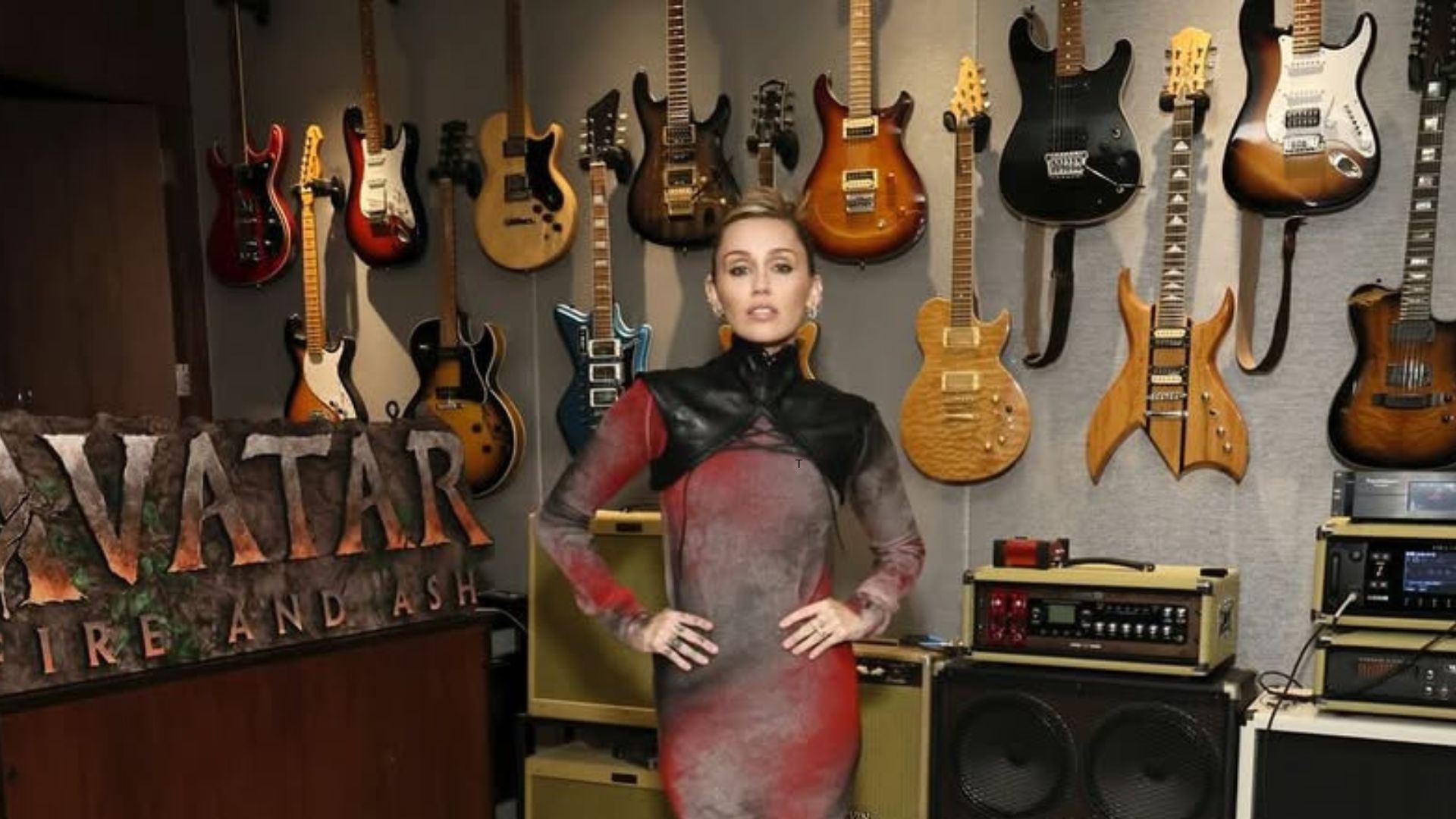
The oddsmakers are not wrong. Miley sits at the top of most betting boards for a reason: she is one of the few names on this list who can genuinely play to multiple audiences without losing her credibility with any of them. Rock fans respect her. Pop fans love her. Older viewers remember her, younger viewers stream her.
“Flowers” was one of the most dominant songs of the last three years, and she has the kind of stage presence that was practically engineered for a 13-minute window with over 123 million people watching. The fact that she does not dominate any single fan poll actually works in her favor here. She disappears into the middle of the internet argument and reappears at the top of the odds board, which is where the NFL actually makes its decisions.
Cardi B
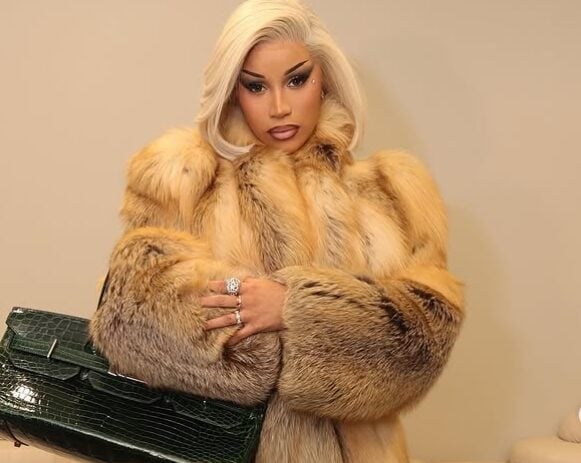
Cardi B sits near the top of multiple odds boards and generates enormous online volume every time the halftime conversation resurfaces. Her case is simple: she is one of the most watched, most talked about, and most streamed artists of the last decade, full stop.
The pushback she gets from older audiences is real, but it is also somewhat beside the point, given that the Super Bowl audience has been stretching younger for years. A Cardi B performance would be chaotic in the best possible way, the kind of show that trends globally before the second quarter ends. Whether the NFL is ready for that energy in a way that feels celebratory rather than controversial is the only real question on the table.
Bad Bunny

Bad Bunny’s name in this conversation reads as more than a music preference, and that is precisely the point. A vote for Bad Bunny is broadly understood as a statement about Latin music’s dominance in American pop culture, Spanish-language artistry on the biggest stage, and whether the NFL’s idea of a “universal” act has quietly been limited all along.
His global streaming numbers are genuinely staggering, his live shows sell out arenas on multiple continents, and his fanbase is fiercely loyal in a way that translates directly to Super Bowl viewership. The resistance he gets from certain corners of the internet is not really about his music. It never was.
BTS
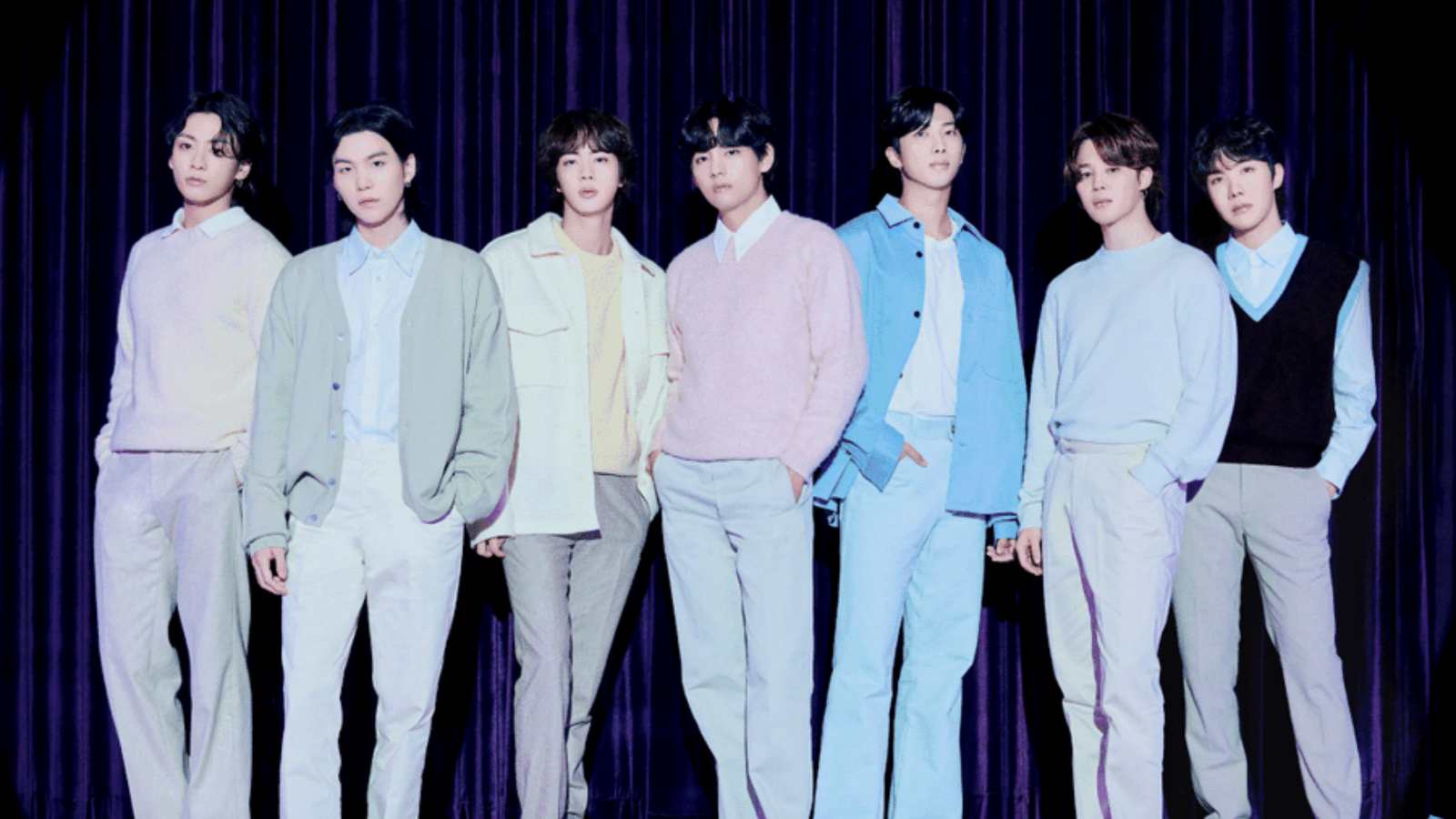
BTS came #1 in the Global Online poll. This shows that no artist on this list generates more coordinated online campaign energy than BTS, and no artist’s inclusion in the conversation triggers a faster counterreaction from a specific set of older NFL fans.
That tension is itself the story. BTS represents a legitimate argument about Asian visibility on what has historically been framed as “America’s stage,” a global fanbase that dwarfs most Western acts in terms of streaming and social engagement, and a version of pop stardom that was built almost entirely outside the traditional American industry pipeline.
Whether the NFL views that as an asset or a risk tells you a great deal about who they think they are programming for.
Adele

Here is the number that should stop you: Adele is a top choice for six different NFL team fanbases in the VegasInsider poll. Six. That is not a coincidence, and it is not purely about musical taste. It is about a specific kind of viewer, likely older, likely more casual, likely not interested in learning new choreography or reading a cultural statement, who just wants to hear a voice that makes them feel something without needing context.
Adele has not done a traditional arena tour in years, and her live appearances are rare enough to feel like events. A halftime show from her would be an appointment. The catch is she has never shown a serious interest in the format, and the NFL would need to work very hard to change that.
Red Hot Chili Peppers
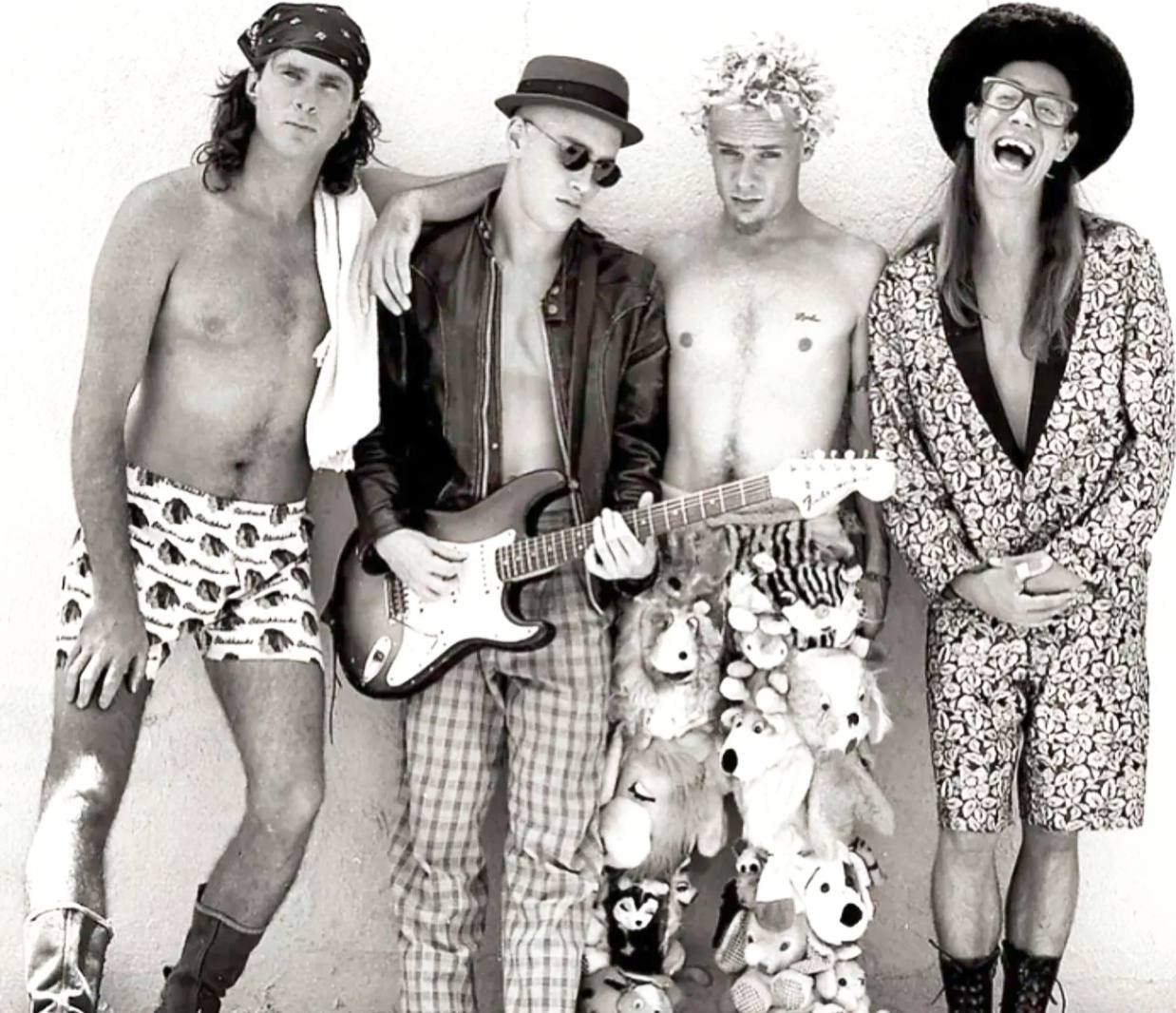
They pull 4% overall in the survey and rank first for five separate U.S. states, which is a fascinating data point for a band that already performed as guests at a previous halftime show. That number tells you exactly how many viewers are simply looking for a safe, recognizable rock act they can hum along to without needing to check the lyrics.
The Chili Peppers represent a version of the halftime show that felt less like a referendum and more like a party, which has genuine appeal after several years of productions that carried enormous political and cultural weight. Whether that appetite for something more straightforward represents a mainstream preference or just a vocal minority is the question nobody in the conversation wants to answer directly.
Billie Eilish
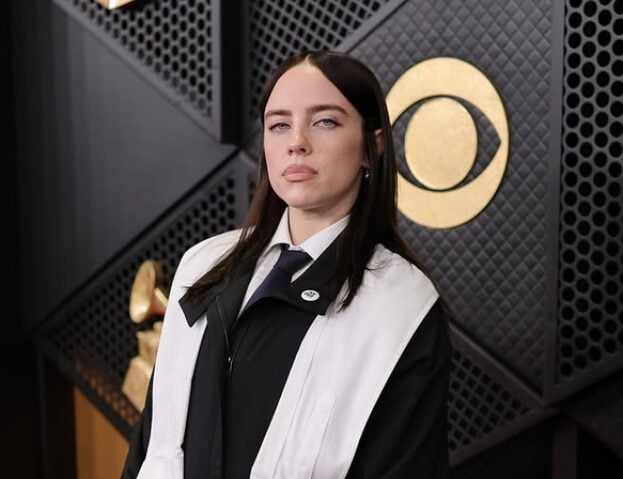
Eilish is genuinely one of the most acclaimed artists of her generation, a Grammy heavyweight with a global audience and a visual sensibility that would translate brilliantly to a massive stage production. But she also carries a specific cultural identity that a portion of the NFL audience would treat as a provocation before she sang a single note.
These eight names are not just a talent menu. They are a map of every fault line running through American culture right now: age against youth, legacy media against social media, English against Spanish against Korean, “earned it through awards” against “earned it through streams,” safe nostalgia against risky representation.
The NFL will pick one. The other seven fanbases will call it proof that they do not matter. And we will have this exact argument again in twelve months because somewhere along the way, the halftime show stopped being a concert and became a referendum, one where only one version of America gets the microphone, and everyone else watches from the side.
The votes are already in. The only thing left to find out is which America the NFL thinks is worth more.