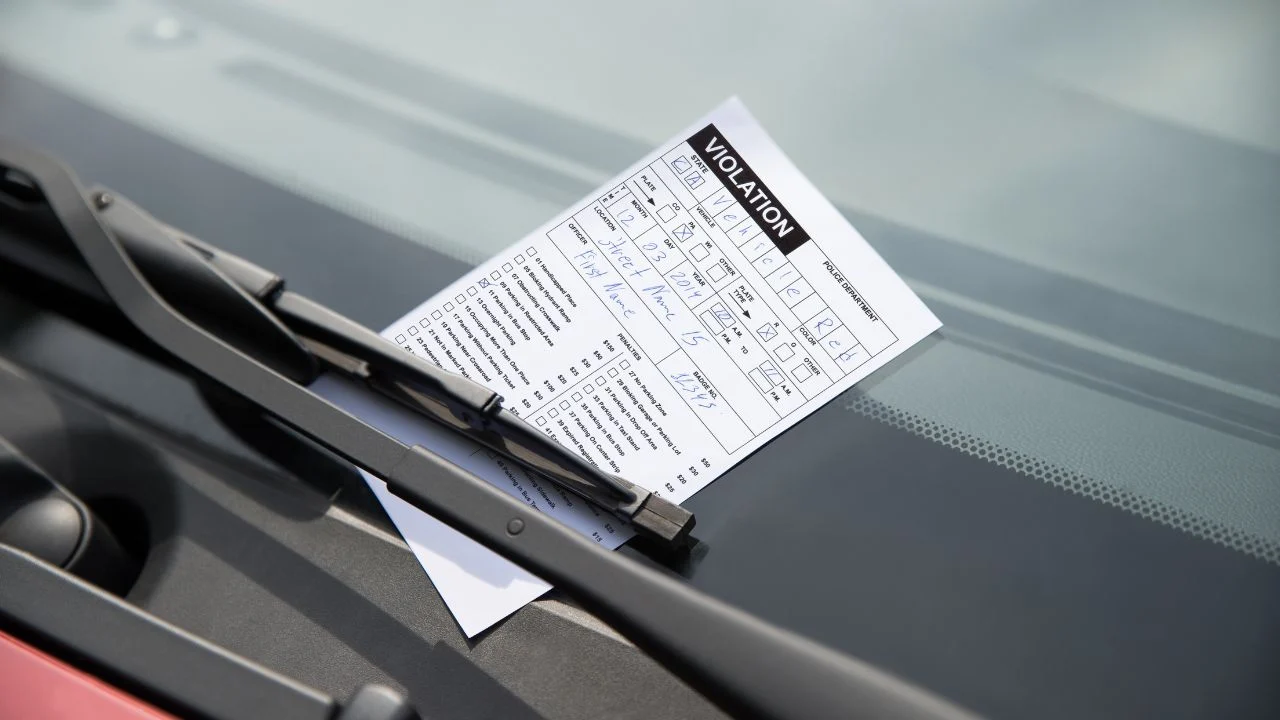
Fort Wayne residents are being warned about scam emails claiming they owe money for parking citations.
The Fort Wayne City Clerk’s Office said it received reports about the messages Thursday, according to 21Alive.
The emails tell recipients they have an outstanding citation and owe payment, but city officials said residents should disregard the messages.
The City Clerk’s Office said neither it nor the Violations Bureau sends outstanding citation notices by email, text message, or phone call. Official citation correspondence is sent by mail.
The Scam Uses A Fake Citation Claim
HEADS UP: Scam emails about alleged parking citations are making the rounds in Fort Wayne, the city clerk’s office says.
DETAILS: https://t.co/FV3oIecVG0 pic.twitter.com/4TIYqnokHF
— 21Alive News (@ABC21WPTA) July 2, 2026
The reported emails use an alleged parking ticket to pressure recipients into paying quickly. A message that looks official can be especially effective if it includes a payment link, deadline, or threat of added penalties.
Fort Wayne officials did not say how many residents received the emails or whether any payments were made.
Anyone who receives one of the messages should avoid clicking links, replying to the sender, or entering payment information through the email.
Residents Can Confirm A Ticket Directly
A resident who receives an unexpected digital message about a parking citation should not use the contact information or payment link inside that message.
The city directed anyone with questions about a City of Fort Wayne parking citation to call the Violations Bureau at 260-427-1208.
The Fort Wayne Violations Bureau handles non-moving vehicle violations, including parking tickets. Its public page lists the same phone number and says the office is located at Citizens Square, 200 E. Berry Street, Suite 110.
Parking Ticket Scams Push People To Act Fast
Parking citation scams are often effective because the amount may seem small enough to pay quickly, while the threat of penalties can make the recipient anxious.
The Federal Trade Commission has warned about traffic-violation messages that use official-looking notices, QR codes, fake case numbers, and threats of added penalties to send people to fraudulent payment pages.
Residents should save the email, sender address, payment link, screenshots, and any payment receipts if they already responded. Those details can help a bank, card issuer, or investigator trace the attempted fraud.