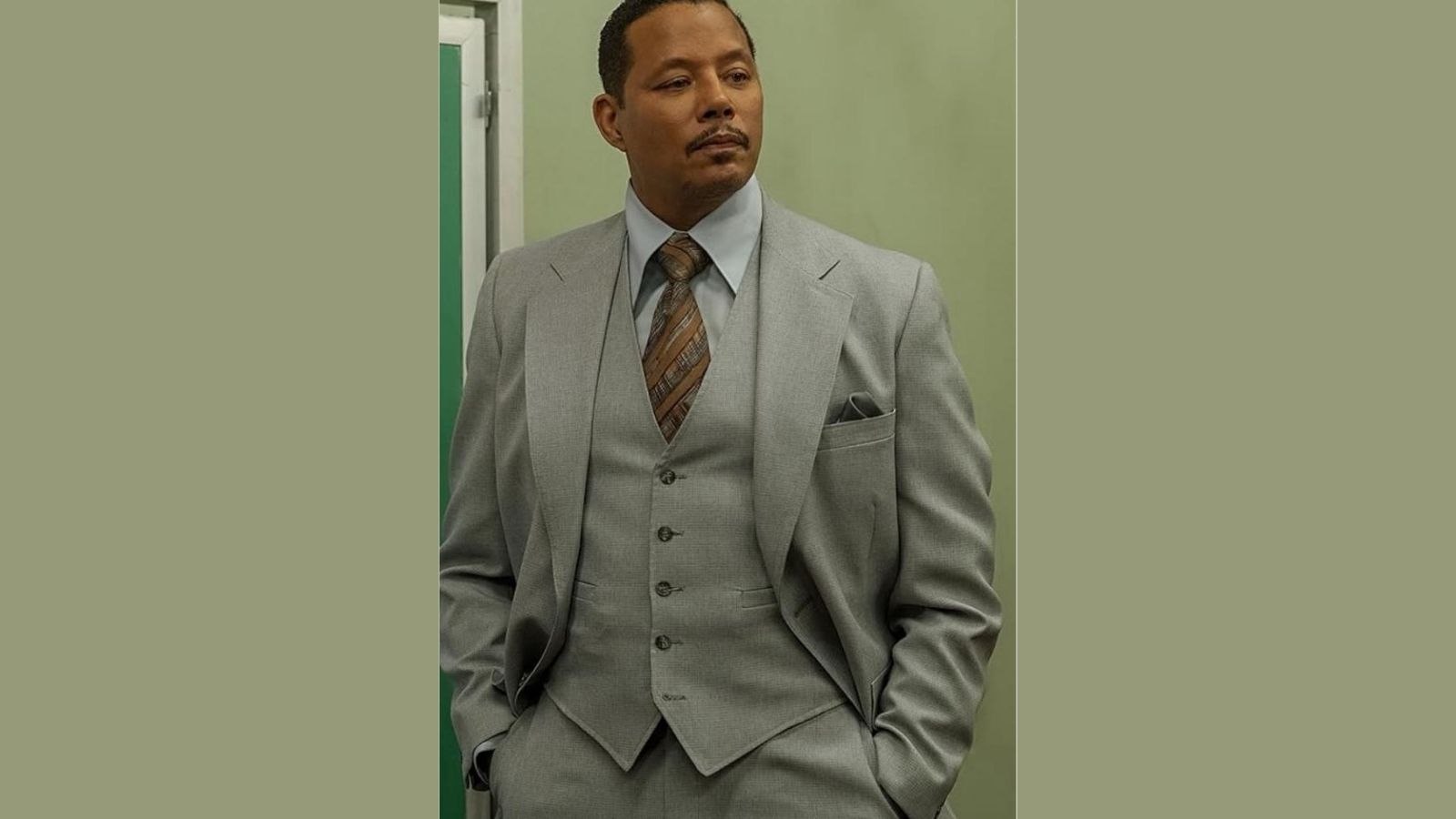
Terrence Howard is officially rewriting the history of his departure from the Marvel Cinematic Universe, and the new details are as explosive as a Stark Industries missile. During a recent appearance on the PBD Podcast, the 56-year-old actor revealed that a physical threat he made to a powerful producer is what he believes led to him being replaced by Don Cheadle for 2010’s Iron Man 2.
This shift in narrative moves the conversation away from simple salary disputes toward a story of personal professional fallout. While Howard was the highest-paid actor on the original 2008 Iron Man set, his latest admissions suggest that a bridge burned in Venice might have been the real catalyst for his exit.

The specific incident Howard describes occurred at the 2007 Venice Film Festival, while he was promoting the thriller The Brave One alongside Jodie Foster. According to Howard, the tension began when a reporter questioned why his name did not receive the same top billing as his costar. When producer Joel Silver stepped in to explain the hierarchy, the conversation took a turn for the worse.
Howard recalls Silver telling him that he was not the star of the film and that any potential awards recognition for his performance would be in the Supporting Actor category. The actor admits he responded with an aggressive ultimatum that he believes echoed through the halls of Hollywood power for years to come.
A Fateful Threat and the Producer Connection
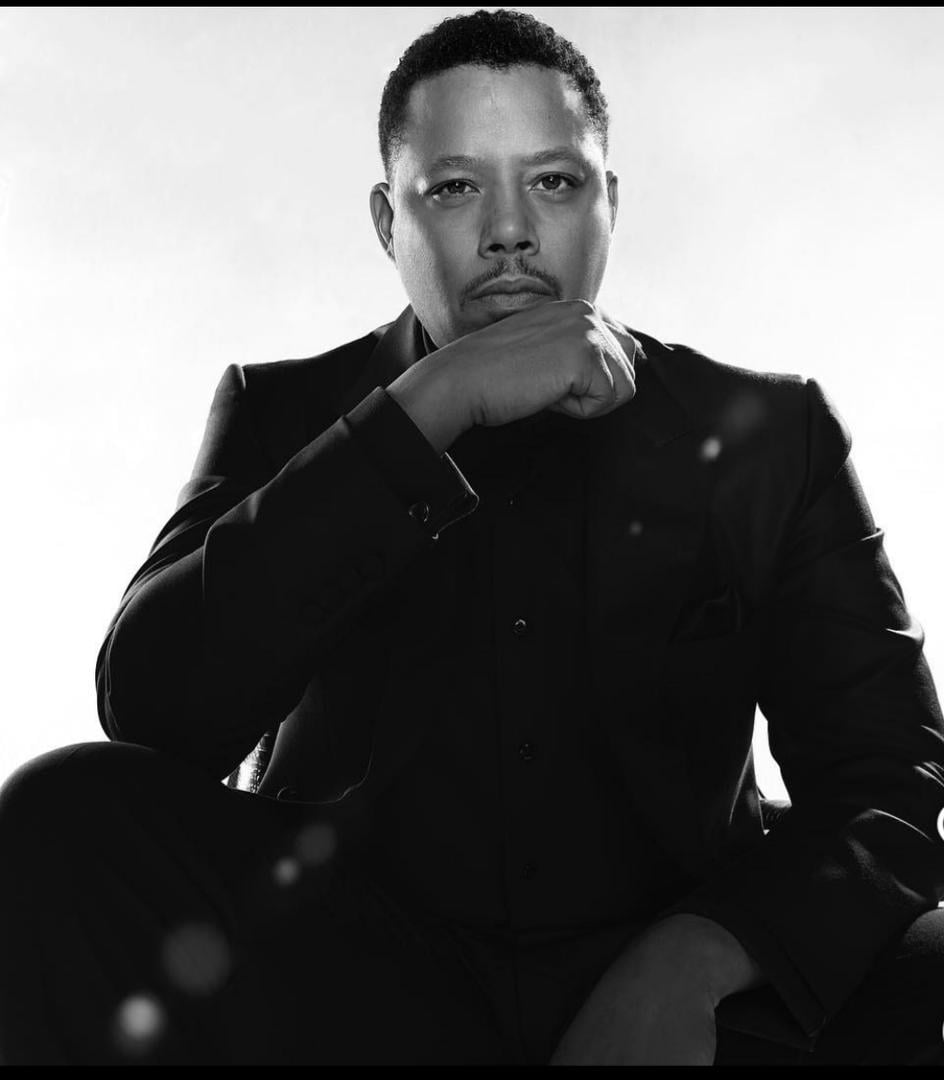
Howard did not mince words when describing his reaction to Silver during that tense confrontation in Italy. He claims he told the producer that while he understood the billing logic, he was a man who demanded respect. Howard then explicitly threatened to knock Silver’s teeth out of his mouth if he ever spoke to him in that manner again.
This aggressive stance is something the actor now looks back on with a sense of personal accountability. He noted on the podcast that he lost his Iron Man role roughly eight months after this exchange. Howard told the host that he was sure all of those things played their part in his eventual replacement.
The professional web surrounding this incident adds a layer of complexity to the story due to the industry’s small-world nature. While Joel Silver was not a producer on the Iron Man franchise, his producing partner on The Brave One was Susan Downey. Susan is the wife of Robert Downey Jr., the lead actor of the budding Marvel Cinematic Universe at that time. This creates a direct personal pipeline between a blow-up on a Warner Bros. set and the decision makers at Marvel Studios.
Howard himself now seems to acknowledge this connection, suggesting that his need to assert his manhood in that moment resulted in long-term financial consequences.
From Pay Cuts to Personal Accountability

For over a decade, the public believed the split was purely about the bottom line and contract negotiations. Previous reports suggested that Marvel offered Howard a significantly lower salary for the sequel than what was originally discussed in his three-film deal.
Howard has even claimed in the past that the studio took money intended for him and gave it to Robert Downey Jr. instead. However, these new comments add a different layer to the old salary dispute narrative. This reflects a common industry practice in which a studio might offer a low salary to encourage a difficult actor to walk away. Howard’s admission of aggression provides a new context for why the studio might have moved on.
The actor also shared a poignant piece of advice he once received from Denzel Washington regarding his reputation. Washington reportedly told him to look at his hands and notice how his fists were always “balled up tight”. The veteran actor warned Howard that producers were trying to put money into his hands, but he was blowing it by keeping them closed in a defensive stance.
This anecdote serves as a reflection point for Howard, who is now viewing his past through a lens of self-sabotage. While he still maintains that he helped Downey Jr. get the role of Tony Stark, he is now acknowledging that his own temperament was a factor in losing a multibillion-dollar franchise.
The High Cost of the Leading Man Ego
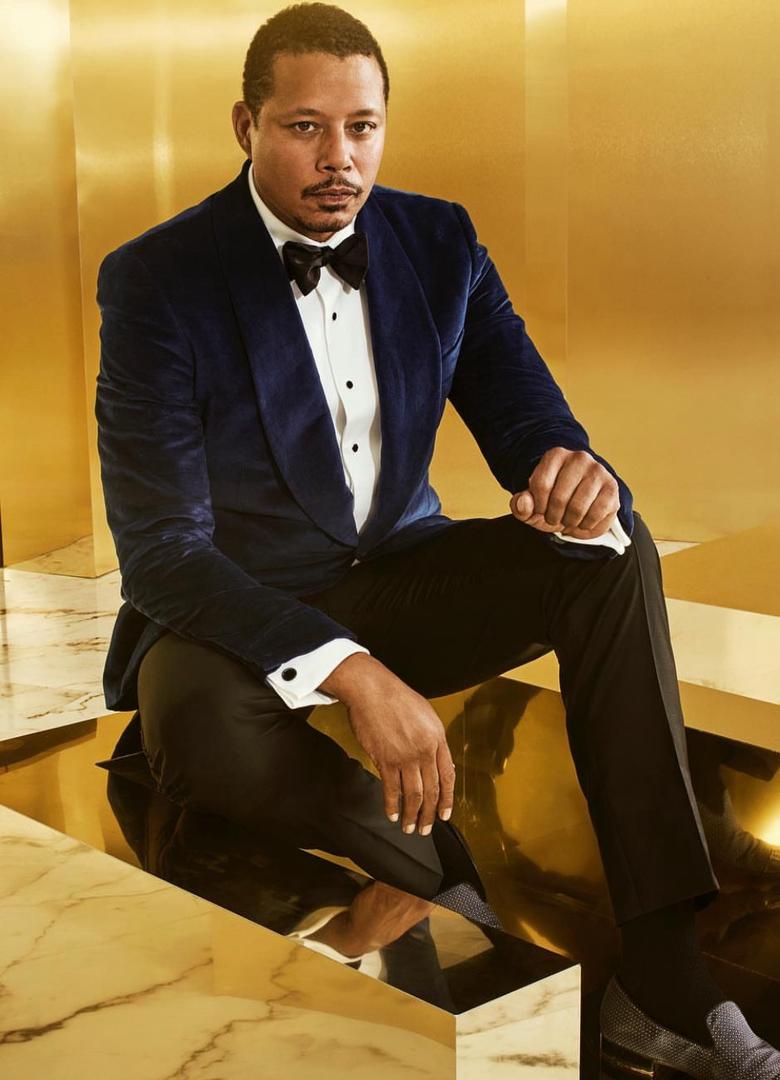
The root of the conflict with Silver was ultimately about status and how Howard perceived his own standing as an actor. Coming off an Oscar nomination for Hustle and Flow, Howard was determined to maintain his trajectory as a leading man. Being told he was a supporting player was a blow to that professional momentum.
This struggle illustrates the friction experienced by actors who feel they must fight to keep their spot at the top of the call sheet. By refusing to accept supporting status on The Brave One, Howard may have unintentionally signaled to the industry that he was a challenge to manage on set.
Looking ahead, this story serves as a reminder of how fragile a Hollywood career can be when personal conduct and professional networks collide. Howard’s decision to speak so candidly about his past suggests a desire to own his history, even if it does not change the past.
Neither Marvel nor Joel Silver has issued a public statement to confirm Howard’s account of the incident. The truth remains buried under layers of private negotiations and studio records. Still, Howard’s evolution from a disgruntled former employee to a man reflecting on his own aggression offers a rare glimpse into the ego-driven world of blockbuster casting. It shows that in a town built on relationships, a single heated moment can shift the course of a career.