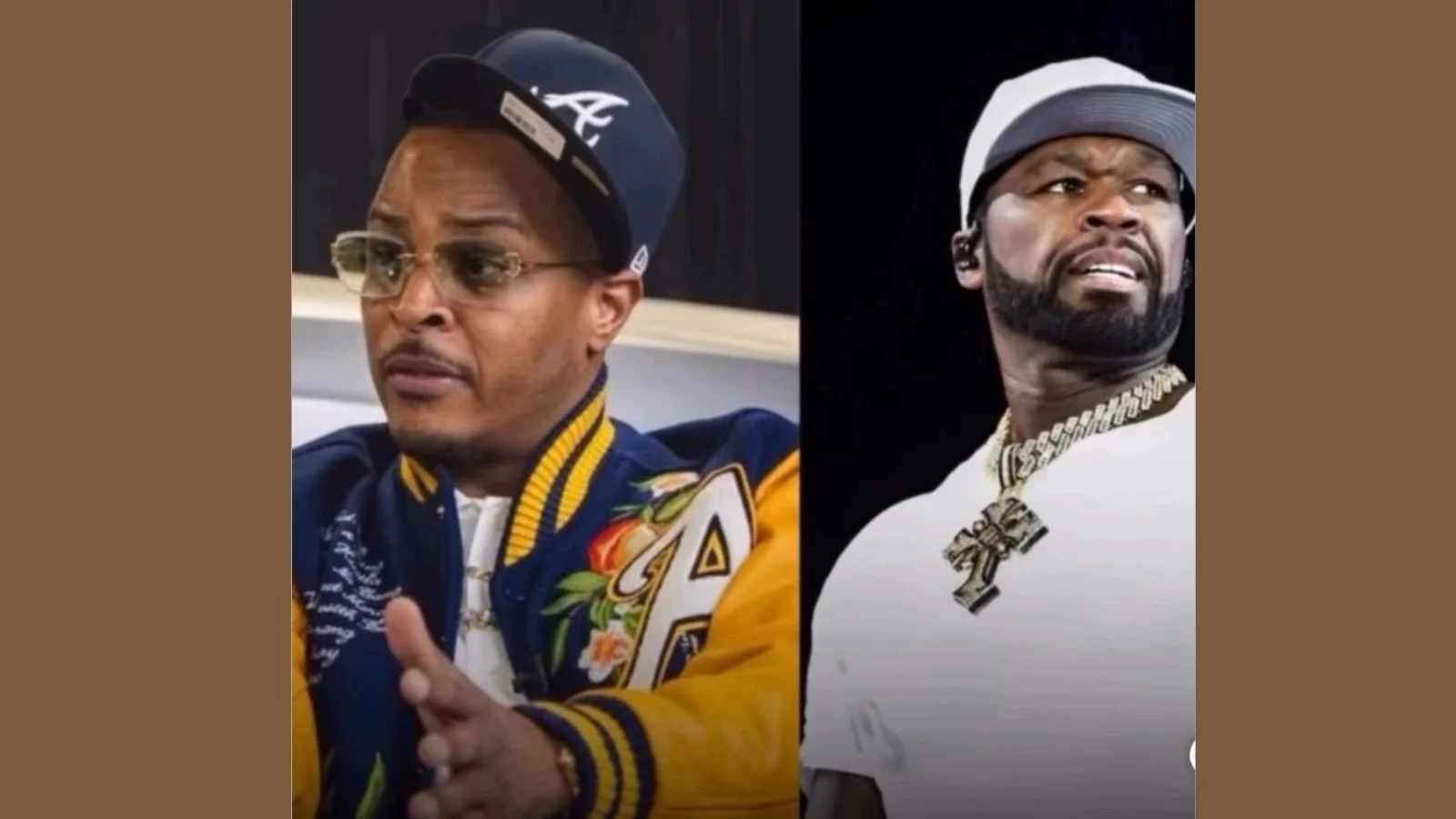
At first glance, it looks like a standard career victory lap. One artist is currently enjoying his strongest solo chart performance in over a decade while preparing for the release of his final studio album titled “Kill the King”. The other is a media mogul known for transforming online trolling into a refined art form.
But what began as a competitive debate over a potential Verzuz battle has officially devolved into a high-stakes conflict involving family members and serious allegations regarding street credibility.
This February 2026 escalation reached a fever pitch just as T.I.’s latest single “Let Em Know” debuted at No. 50 on the Billboard Hot 100 chart dated February 21. It is a moment where professional resurgence and personal warfare are inextricably linked, proving that in the streaming era, a legacy rivalry can be just as effective as a traditional marketing rollout.

The friction reached a boiling point after T.I. appeared on Million Dollaz Worth of Game to address why the highly anticipated matchup never materialized for fans. During the interview, the Atlanta rapper claimed that he and 50 Cent had previously agreed privately to the battle with a specific plan for T.I. to call him out publicly to build excitement.
T.I. expressed frustration, alleging that the G-Unit mogul later backed out and acted as if he were unaware of the arrangement when the challenge went live.
“I have no interest in standing on stage with him,” T.I. told the hosts while stating that he holds no respect for his contemporary. He urged his rival to simply admit he did not want to fight, rather than engage in what he described as goofy, ridiculous behavior.
The Music Moves From Warning Shots to Direct Disses
The verbal sparring then moved into the recording studio with T.I. releasing a hard-hitting track titled “War” as part of his rollout for the upcoming final album. While the song does not mention 50 Cent by name, it features lyrics interpreted as a clear warning to those who might provoke him.
TMZ later obtained a preview of a second, more explicit diss track titled “Right One,” which takes direct aim at 50 Cent by calling him a “5-0 dispatcher”.
In the lyrics, T.I. mocks the television mogul as a digital fighter who is only tough while behind a screen. He also claims to have prison paperwork naming his rival, which directly targets the carefully maintained image that has defined 50 Cent for decades.

This musical offensive coincides with a significant career resurgence for the self-proclaimed King of the South. His single “Let Em Know” currently has approximately 6.1 million U.S. streams, 6,500 downloads, and 5.1 million radio audience impressions. This chart position is his highest for a solo hit since the 2010 release of “I’m Back” and represents his first time in the top 50 since 2012.
By pairing these viral conflicts with fresh material, T.I. is moving beyond the nostalgia circuit to re-enter the mainstream conversation. The strategy appears to be working as the drama keeps his name in the headlines while his streaming numbers show measurable gains among listeners.
Personal Attacks and Family Lines in the Digital Age
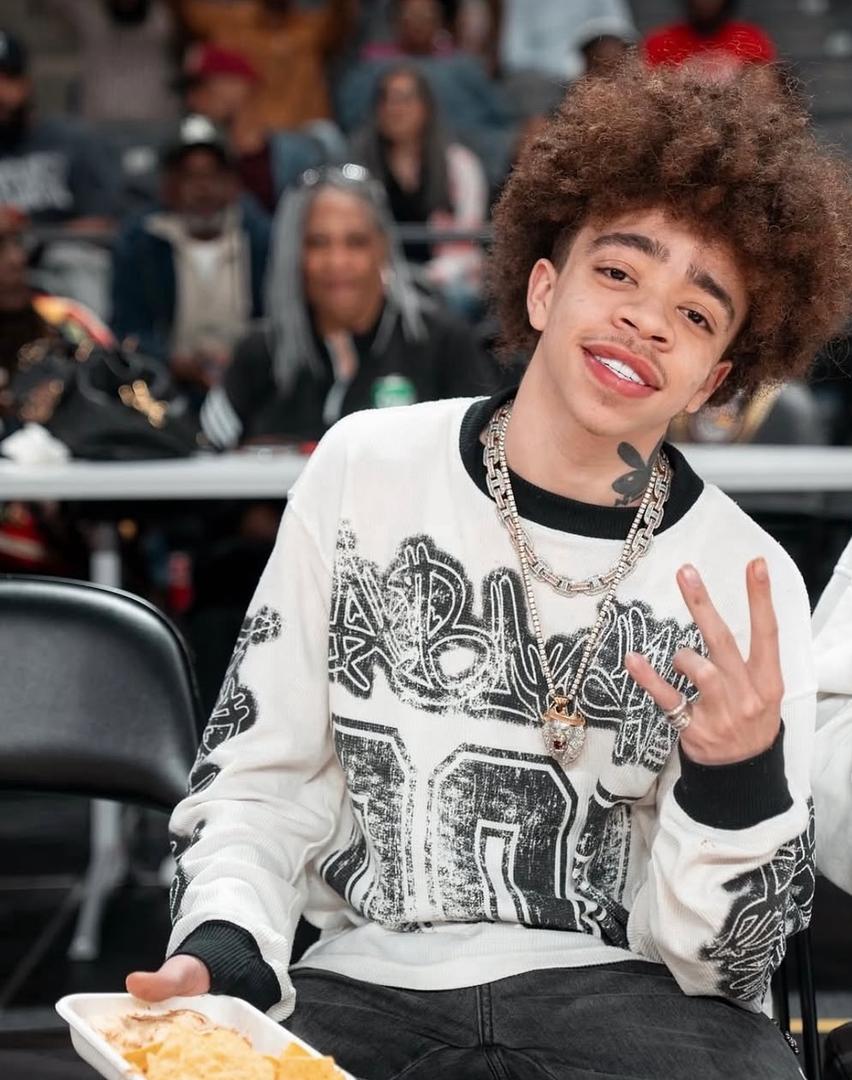
The conflict took a much darker turn when 50 Cent began using social media to question his opponent’s legal history and family life. He recently posted an unflattering photo of T.I.’s wife, Tiny Harris, which drew an immediate, sharp response from their son, King Harris.
The younger Harris took to Instagram to defend his mother, telling the rap veteran to quit messing with her and suggesting he show more respect to his own deceased relatives. King Harris even shared images related to past legal issues and 50 Cent’s family, signaling that the feud had officially moved past the two primary artists.
This shift into multi-generational conflict marks a departure from traditional rap beefs, which usually stay between the performers.

Beyond the family insults, both rappers are now leaning heavily on informant narratives to damage each other in the eyes of the hip-hop community. 50 Cent has repeatedly shared an old Crime Stoppers video featuring T.I., along with court footage from a 2008 murder case, to label him King Rat in social media comments.
T.I. has countered by insisting that his own transcripts are available online and claiming that he is the one who holds actual documentation on 50 Cent.
Despite these heavy accusations, none of the major news or music outlets have published verified court records or official documents confirming that either man cooperated with authorities. The use of these unproven labels serves as a potent cultural weapon even without documented evidence to back the claims.
What Follows the Paperwork Claims and Social Media Warfare
As the release date for “Kill the King” approaches, the industry is watching to see if 50 Cent will move his response from Instagram to the recording studio. While he has been active in trolling through podcast clips and mocking captions, he has yet to release a confirmed diss track in response.
The lack of a musical rebuttal has left a gap in the narrative as fans wonder if the Queens native will continue to rely on social media tactics.
There is also no word on whether management or label representatives have stepped in to mediate, given the increasingly personal nature of the attacks. But the involvement of family members and the use of grave-site imagery have raised questions about where the boundaries of modern rap competition truly lie.
The situation remains fluid as both artists continue to use their massive platforms to frame the story according to their own experiences. T.I. maintains that his rival is simply ducking a fair musical fight while 50 Cent continues to focus on challenging the credibility of the Atlanta rapper.
Without on-the-record explanations from Verzuz organizers or independent verification of the alleged paperwork, the public is left to decipher the truth through lyrics and captions.
This feud illustrates the evolving nature of celebrity conflict, where personal dignity and professional legacy are defended in real time through a mix of chart data and digital character assassination. The outcome may ultimately be decided by whose narrative holds more weight with the audience as the music continues to drop.
Also, the shift toward family-centric insults and unverified legal accusations suggests that the rules for high-profile hip hop disputes are being rewritten in the social media era. While the entertainment value of a veteran rivalry is high, the lack of documented facts regarding the informant allegations highlights a growing gap between online noise and reality.
As these legacy acts navigate the digital landscape, the way they handle these disputes will likely influence how future generations approach the intersection of music and personal honor. Whether this ends in a shared stage or continued litigation, the current state of rap warfare is clearly more about personal stakes than a simple beat battle.