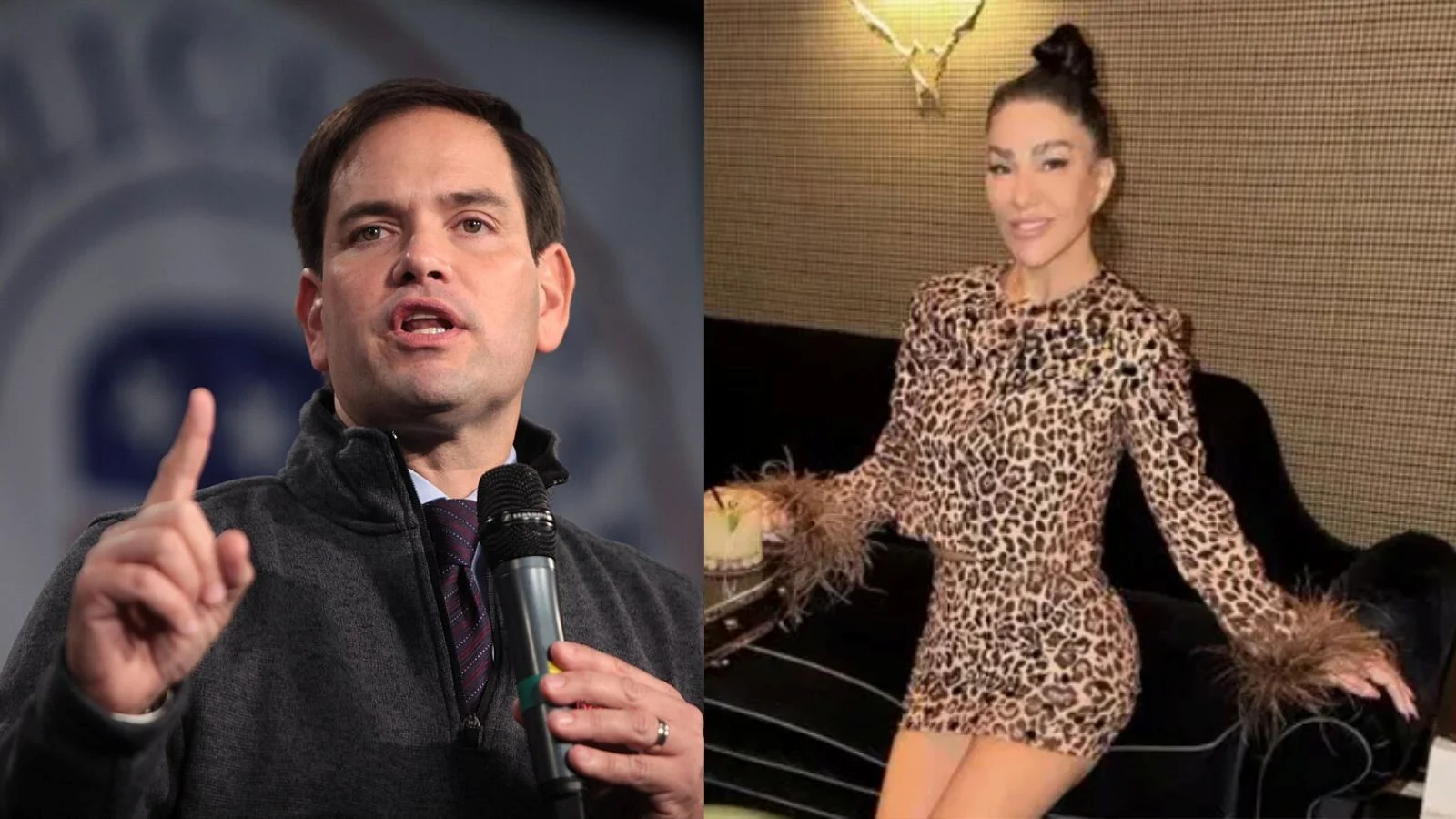
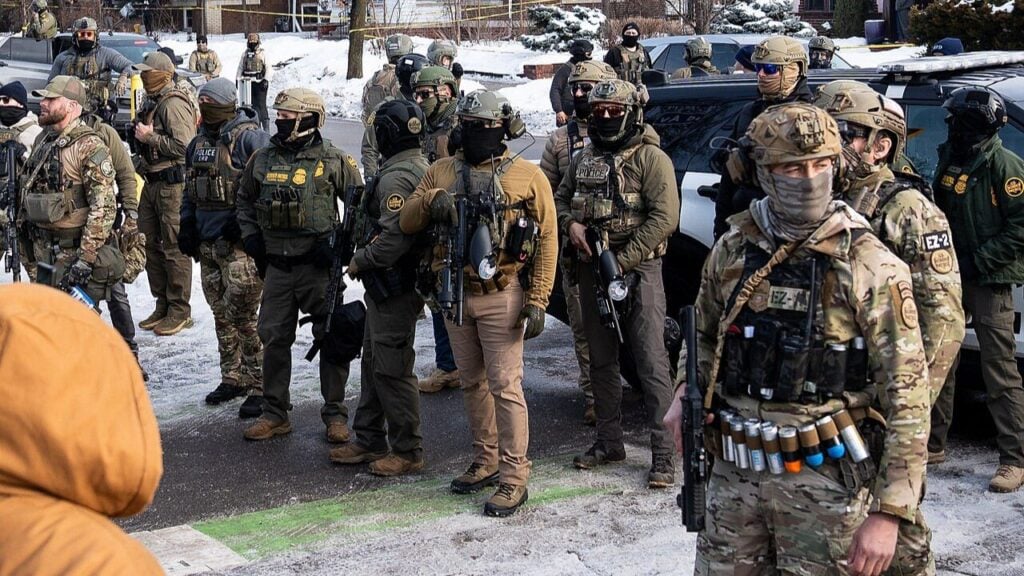
On Friday night, federal agents arrested Hamideh Soleimani Afshar, 47, and her daughter at their home in Tujunga, California. Secretary of State Marco Rubio had revoked both their lawful permanent resident status. By Saturday morning, he was on X explaining why, in terms that left nothing ambiguous. Afshar, he wrote, is “an outspoken supporter of the Iranian regime who celebrated attacks on Americans and referred to our country as the ‘Great Satan.’” Both are now in ICE custody pending removal.
The arrests are the sharpest entry yet in a pattern the Trump administration has been building since the Iran war began. They are also the point at which that pattern becomes hard enough to ignore, so people on both sides need to decide what they actually think.
Until recently, Hamideh Soleimani Afshar and her daughter were green card holders living lavishly in the United States.
Afshar is the niece of deceased Iranian Major General Qasem Soleimani. She is also an outspoken supporter of the Iranian regime who celebrated attacks on…
— Secretary Marco Rubio (@SecRubio) April 4, 2026
What the Government Says She Did
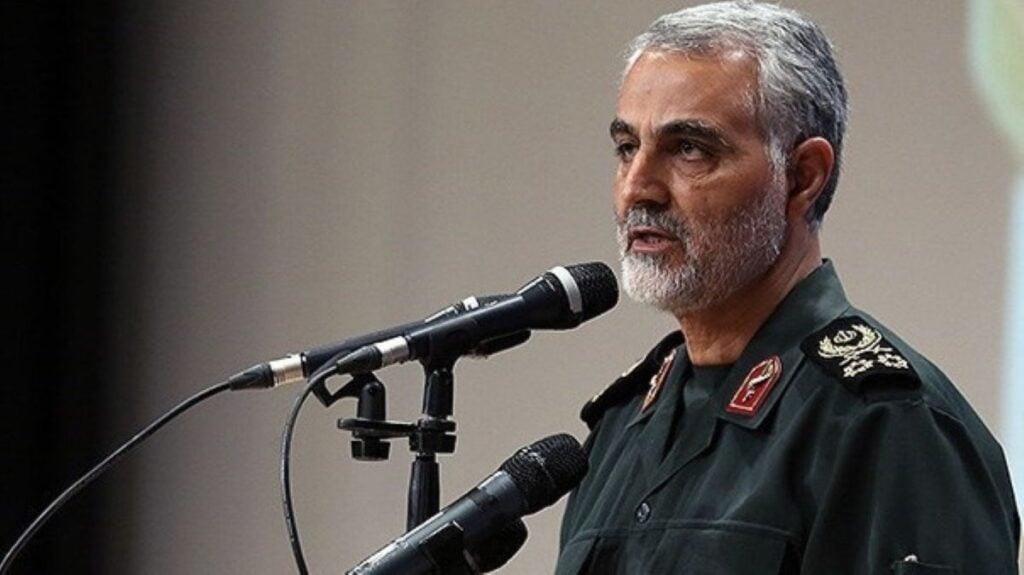
Afshar is identified by the State Department as the niece of Qasem Soleimani, the Iranian commander killed in a U.S. airstrike in January 2020. According to the State Department, she spent her years as a legal permanent resident in Los Angeles promoting Iranian regime propaganda, celebrating attacks on American soldiers, praising Iran’s leadership, and calling the United States the “Great Satan.” She deleted her Instagram after scrutiny began. It didn’t help.
There is a second charge that stands on its own. DHS says Afshar filed for asylum in 2019, claiming she could not safely return to Iran, then traveled back to Iran at least four times after receiving her green card. A DHS spokesperson said those trips showed her asylum claim was fraudulent. That allegation gives the government a cleaner legal hook than speech alone.
She is not alone. Earlier this month, Rubio terminated the legal status of Fatemeh Ardeshir-Larijani, the daughter of former Iranian security official Ali Larijani, and her husband. Both are no longer in the country and are barred from reentry. The State Department framed both cases the same way: this administration will not allow the country to become “a home for foreign nationals who support anti-American terrorist regimes.”
The Case for What They’re Doing
It does not require a complicated legal theory. You entered on an asylum claim, received the protection of American immigration law, celebrated the people killing American troops, and traveled multiple times to the country you said you could not safely return to. Now you are leaving.
The IRGC is a designated foreign terrorist organization. Rubio’s position is that publicly backing a designated terrorist group while living in the U.S. on a green card is not merely a speech issue. It is an immigration-status issue. You were given a privilege. You used it to back people trying to kill Americans. The privilege is gone. On those specific facts, that argument is genuinely defensible.
The Case Against — And Why It Matters
That still does not settle the harder question. The administration has already used similar foreign-policy powers against noncitizens in speech-related cases, and those efforts have run into free-speech and due-process challenges in court. The Soleimani case adds new complexity because it lands during an active war, in real time, against people whose offense, separate from the alleged fraud, is saying things the government finds repugnant.
That is where the limiting principle becomes important. The fraud allegation here is clean. But what about the next case without fraud, where there is only speech? What about a green card holder who posts that bombing Iranian bridges is unjust, or that American foreign policy helped create this war? The administration has not drawn that line publicly. It is drawing it case by case. Whether that standard holds as the war continues is a real question, and courts are watching.
Mahmoud Khalil set an earlier version of this fight. The administration is trying to deport him under a rarely used statute allowing the expulsion of noncitizens whose beliefs are deemed a threat to U.S. foreign policy interests. His case is still in the courts. The Soleimani case is easier to defend because of the alleged fraud, the explicit pro-regime content, and the government’s claim of direct ties to an enemy figure. But it is still the same government, the same toolkit, and the same basic theory: what you say and who you publicly support can cost you the right to stay here.
Where the Line Actually Is
Nobody knows yet, because it has not been tested in its hardest form. What the administration has shown is that documented pro-regime speech plus alleged fraud, during an active war, against someone the government says is tied to the enemy’s military command, is enough to get your permanent resident status revoked. That is the line as it exists right now.
Whether it stops there depends on whether you trust this administration to draw a principled line when the next case is messier. So here is the question Friday’s arrests leave on the table. If a green card holder with no fraud, no family ties to Iran, and no IRGC connections posts that American bombs are killing innocent people, does that cost them their green card too? The administration is letting the cases answer that. That works until a court forces a real answer, or until the next case makes this one look simple.