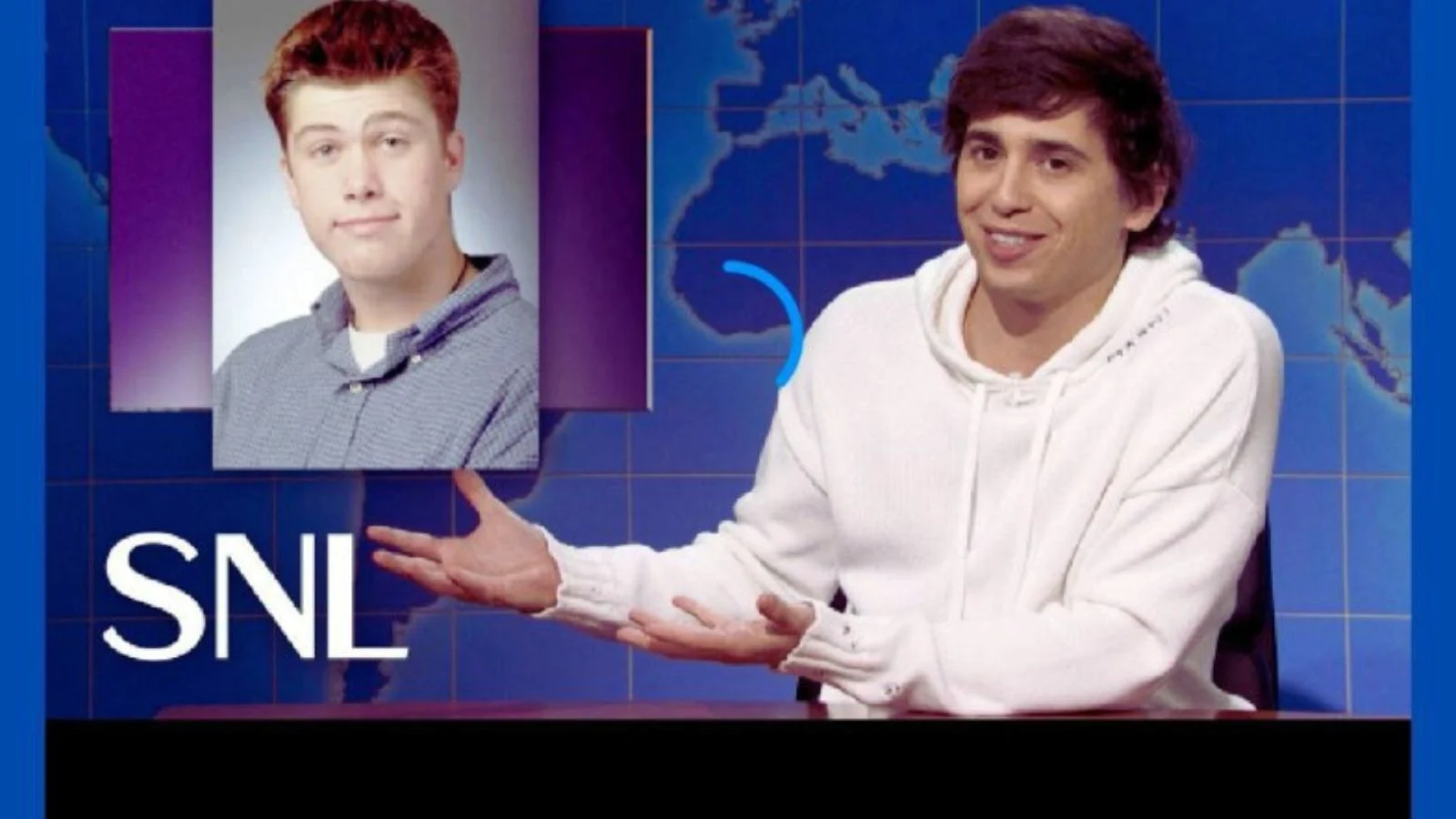
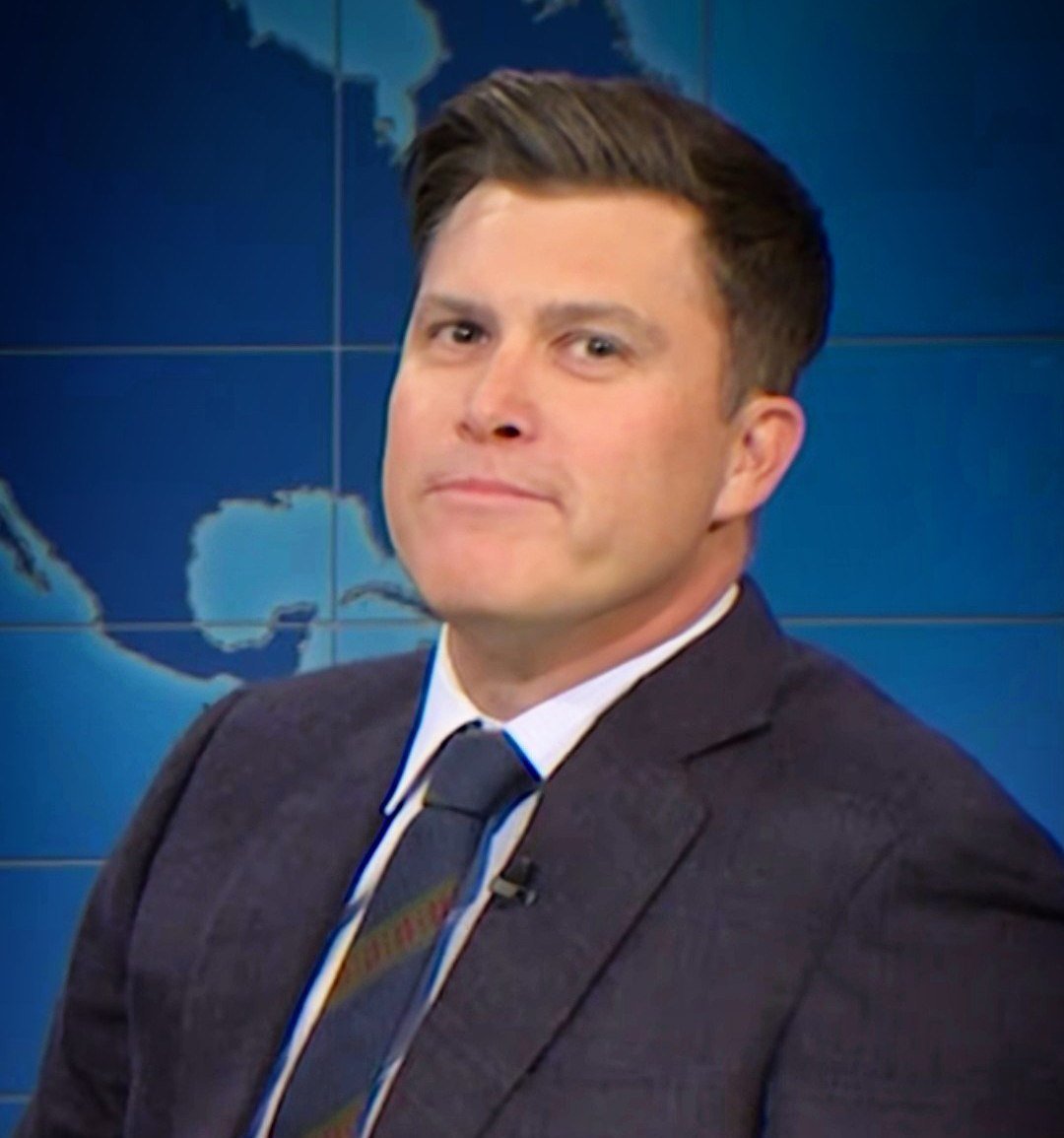
It started with a cringe. Sitting at the Saturday Night Live “Weekend Update” desk, Colin Jost attempted to use the word “cap.” Then he tried “cooked.” By the time he reached “rizz,” the collective wince of the internet could be felt from 30 Rockefeller Plaza all the way to TikTok’s headquarters. It was the familiar, awkward dance of the establishment trying to play “cool,” but this time, cast member Marcello Hernández wasn’t letting the moment pass as just another punchline.
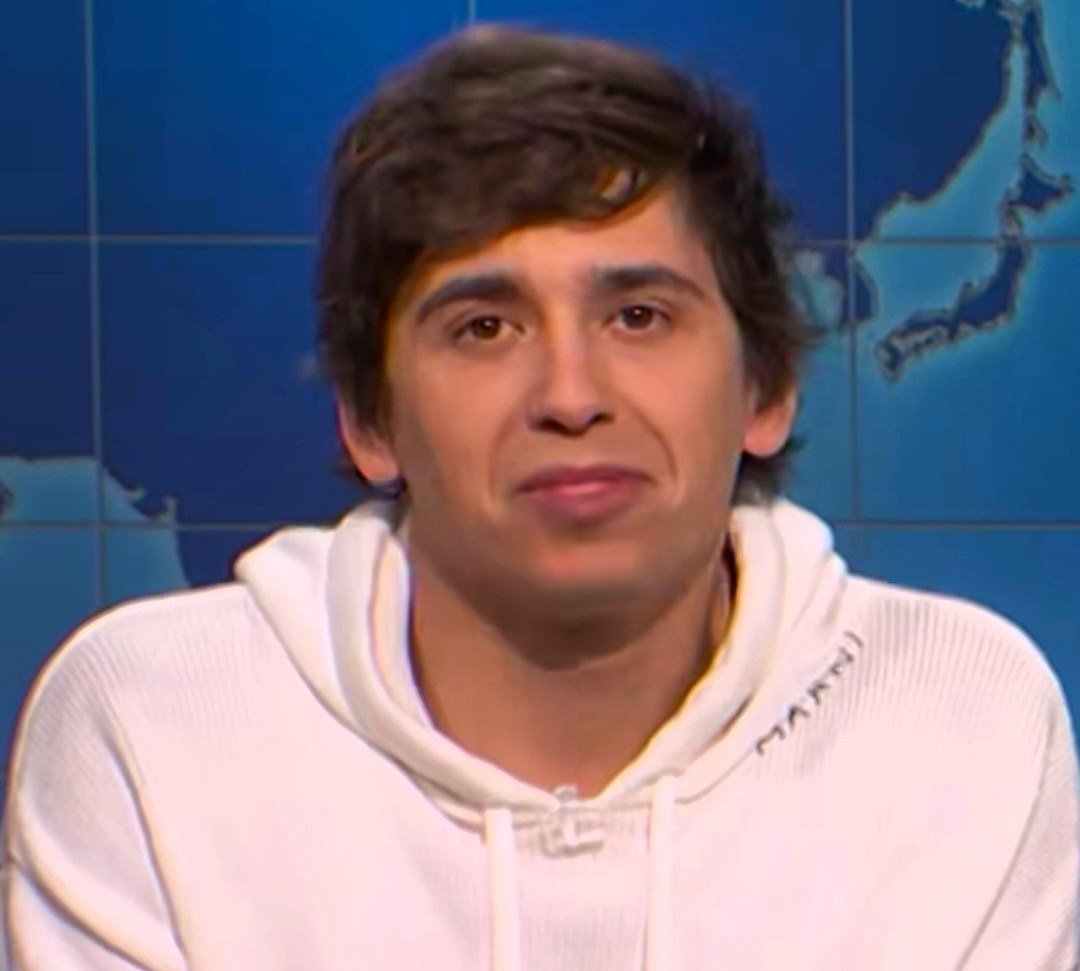
In a segment that has since ignited “Black Twitter,” Hernández performed a linguistic autopsy on what we’ve come to call “Gen Z slang.” His verdict? It doesn’t exist. “Gen Z slang is African American slang,” Hernández told a nodding, somewhat sheepish Jost. “Basically, Black people start saying something, then young people think it’s cool, so they start saying it. Then white people say it, and then once Elon Musk says it, it’s over.”
It was a “slow clap” moment for anyone who has watched the rapid-fire extraction of Black culture in real-time. The story isn’t just that a comedian made a point about appropriation; it’s that he did it on the very stage that has historically been accused of being the primary offender.
The Slang “Extraction Pipeline”
Hernández’s breakdown tapped into a cycle that has accelerated to breakneck speeds in the digital age. In decades past, the journey of a phrase from Black urban centers to the mainstream took years, moving through jazz clubs, then hip-hop records, then suburban malls. Today, via the algorithmic lightning of TikTok and X (formerly Twitter), that pipeline has been shortened to weeks.
The irony of the SNL setting cannot be overstated. In 2021, SNL faced significant backlash for a sketch titled “Gen Z Hospital,” which featured host Elon Musk and cast members using AAVE terms like “no cap” and “bestie” as the central joke. At the time, critics pointed out that the show wasn’t just mocking teenagers; it was rebranding African American Vernacular English (AAVE) as “internet speak,” effectively erasing the origins of the language while profiting from the “cool” it provided.
By name-checking Musk, who notably hosted that controversial 2021 episode, Hernández wasn’t just telling a joke; he was issuing a direct course correction. He highlighted the “Elon Musk Threshold”: the moment a tech billionaire or a corporate brand adopts a term, the cultural life of that word officially ends. It’s no longer a vibrant piece of community identity; it’s a marketing tool.
The Power of the “Linguistic Credit Roll”
What made the segment resonate so deeply with “Black Twitter” was Hernández’s insistence on “giving props.” When Jost asked why he wasn’t quizzing co-anchor Michael Che on these “new” terms, Hernández’s response was swift: “Che knows this stuff.”
The exchange underscored a fundamental truth about the American lexicon: Black Americans are the blueprint for the nation’s “cool,” yet they are rarely the ones who see the financial or social capital when that cool goes global.
“It is not Gen Z,” one user tweeted. “Even back when millennials were the youth of the moment, ebonics was being called ‘youth slang.’ That’s what slang is now. Black Americans speak/do, everyone else copies.”
This sentiment was echoed across the platform, with users mourning the “death” of terms like slaps, bop, and that hits. Linguists have noted that AAVE has its own complex grammatical rules and history dating back to the 17th century, though it is frequently dismissed as “incorrect” English until it is adopted by the mainstream.
By identifying as a Latino ally, a “Gen Z whisperer” of sorts, Hernández utilized his own skyrocketing popularity to act as a gatekeeper. He used his platform to ensure that the audience understood the labor behind the language. When terms are divorced from their history, they lose their weight. As one Twitter user pointed out regarding the term woke: “What they did to ‘woke’ is unforgivable.”
Why It Matters Beyond the Buzz
So, why does a three-minute comedy bit matter? Because language is the primary way we credit or erase culture. When we label AAVE as “Gen Z slang,” we are participating in a form of gaslighting. We are suggesting that these words were birthed by “the kids” on the internet, rather than by a community that has used language as a tool of survival, resistance, and joy for centuries.
The “Weekend Update” segment serves as a reminder that the “Mainstream Filter” is a destructive force. When a word hits a commercial for a major insurance company or a billionaire’s social media feed, it is the final stage of a colonial process. The community that created the word has to abandon it and innovate something new, while the people who co-opted it move on to the next trend.
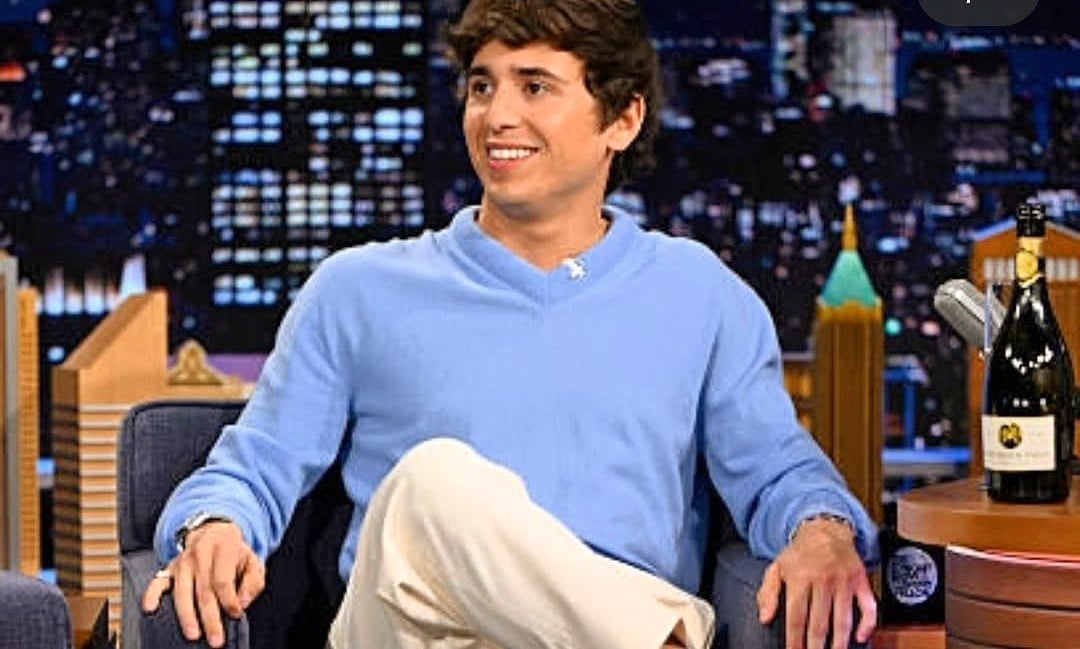
Hernández’s performance was a rare moment of transparency in a medium that usually prefers to keep the curtain closed on where its jokes come from. It was a demand for credit where the credit is long overdue.
As the 2026 media landscape continues to churn through trends at an exhausting pace, Marcello Hernández has set a new standard for the SNL desk: if you’re going to use the language, you’d better be prepared to name the source. Otherwise, as the kids (and the people they got it from) might say: the whole thing is just “cap.”