The 2026 Actor Awards began with the familiar red carpet rustle, but the emotional temperature in the room shifted the moment Sinners started picking up its early wins. Presented by SAG AFTRA and hosted by Kristen Bell, the March 1 ceremony settled into a clear theme by the time voting tallies surfaced across outlets.
USA Today confirmed Michael B. Jordan as Best Actor for his double turn as Elijah “Smoke” Moore and Elias “Stack” Moore in Sinners, while Sean Penn took home the award for Outstanding Performance by a Male Actor in a Supporting Role for his work in One Battle After Another.
Jessie Buckley’s confirmed win for her performance as Agnes Shakespeare in Hamnet balanced the film categories, yet Sinners managed to retain a noticeable spotlight through its ensemble recognition. The confirmed wins alone offered enough shape to understand what voters valued: grounded performances, intention-driven storytelling, and projects that carried their own weight without theatrics.
Where Sinners Quietly Took Over the Conversation
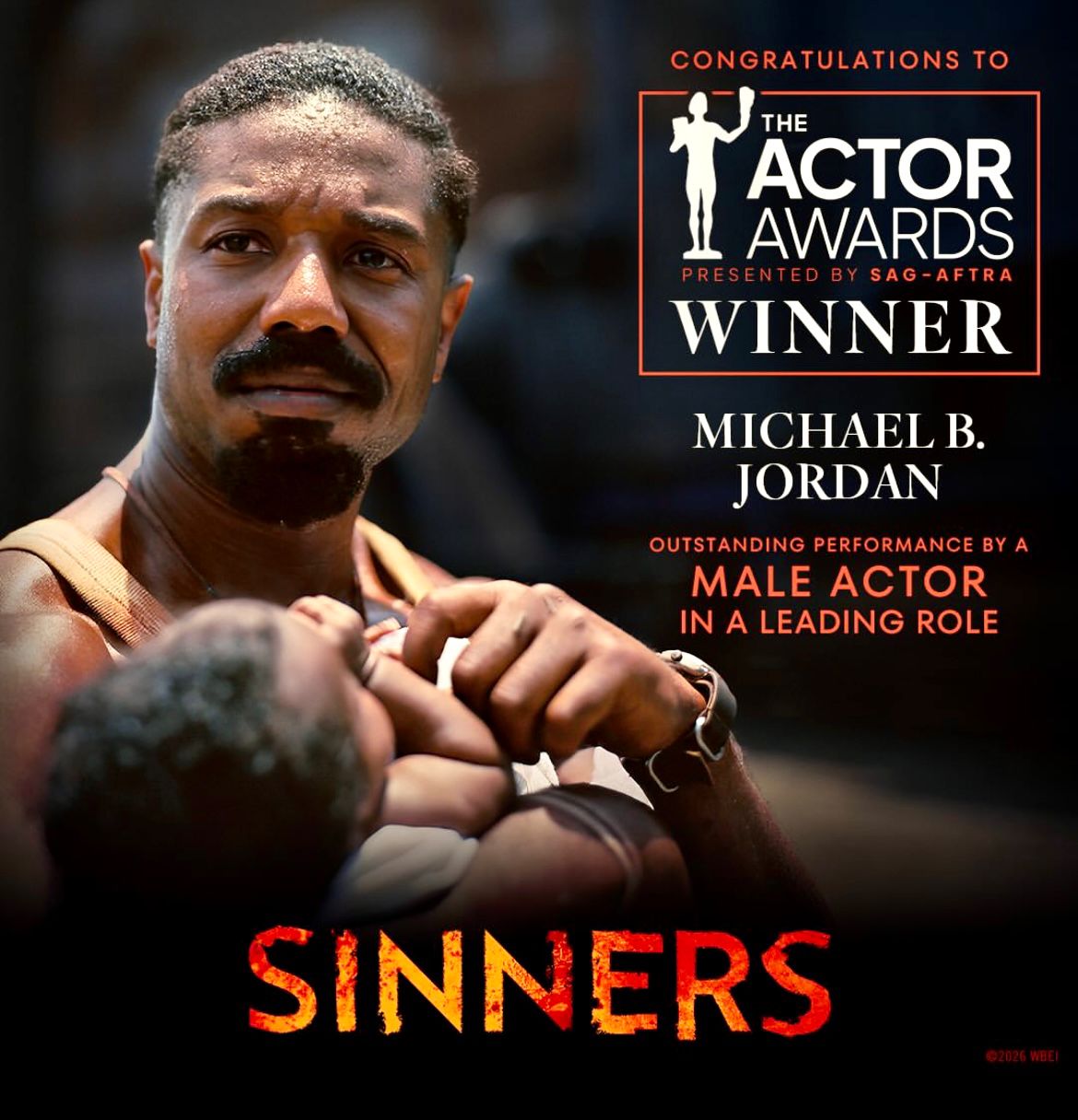
There was no dramatic sweep. No shock twist. Sinners simply kept showing up in the categories voters tend to treat like anchor points. Jordan’s dual performance as the Moore twins set the early tone. And the ensemble recognition served as the nod that tied it all together. The film functioned like a project that knew exactly what it was doing and let its performers steer the night.
What made the dynamic interesting was how Sinners held space without crowding out the competition. Jessie Buckley’s win for her deeply emotional portrait of Agnes Shakespeare in Hamnet prevented the ballot from tilting toward a single title. Instead, it created a landscape in which Sinners becoming a recurring thread across the major film categories seem less weird. The consistency mattered. The visibility mattered. And the film’s position among the verified results offered one of the clearest markers of the night’s energy.
Limited Series Quietly Stole the TV Spotlight
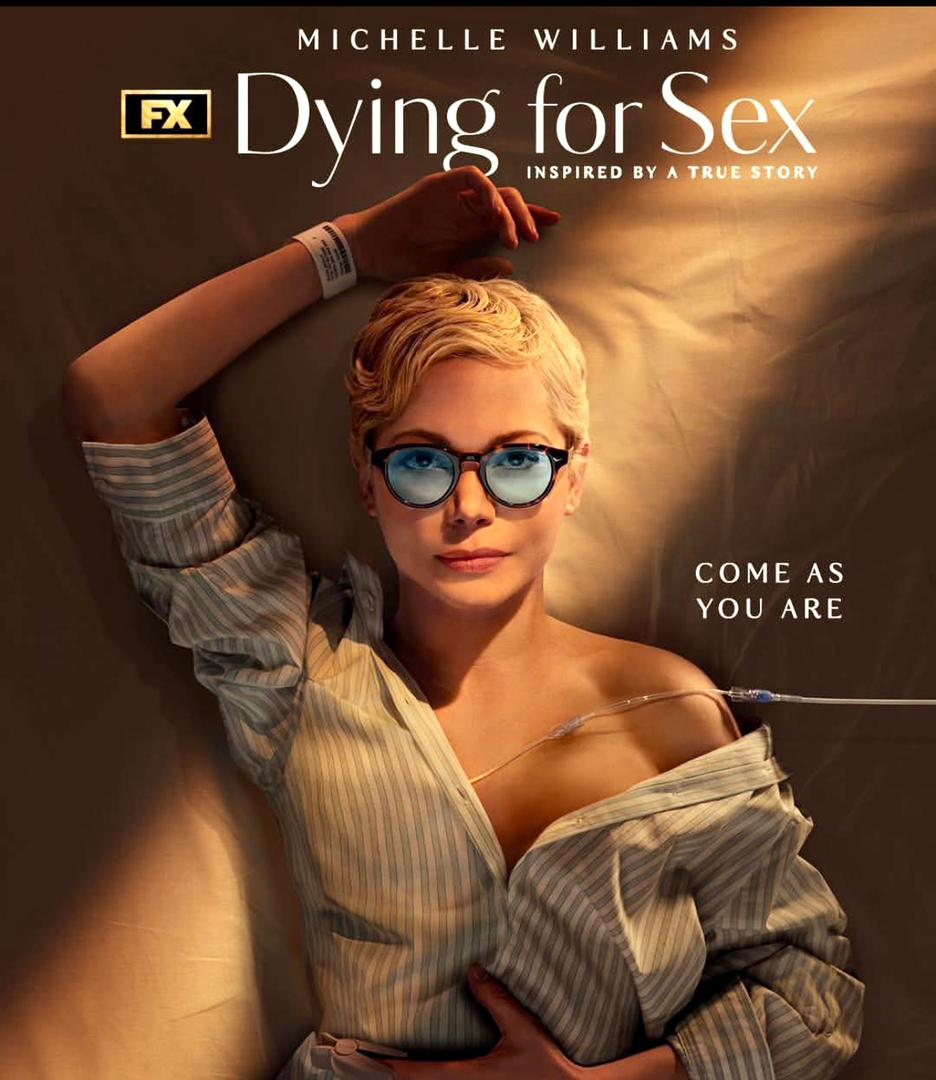
Television had its own story unfolding with the same sense of purpose. Michelle Williams won for her performance as Molly in Dying for Sex, a limited series centered on a woman with terminal cancer confronting her desires and choices with startling honesty. Owen Cooper followed with a win for his work as Jamie Miller in Adolescence, playing a thirteen-year-old navigating a crumbling family and the pressures of the online world.
Those two wins created one of the most consistent patterns in the verified reporting. Limited series did not dominate the entire ceremony, but they accounted for the highest concentration of confirmed acting wins. Their appeal made sense. Limited series offer actors something close to the perfect arena: a complete arc, a tight emotional runway, and just enough time to land performances that feel final rather than stretched.
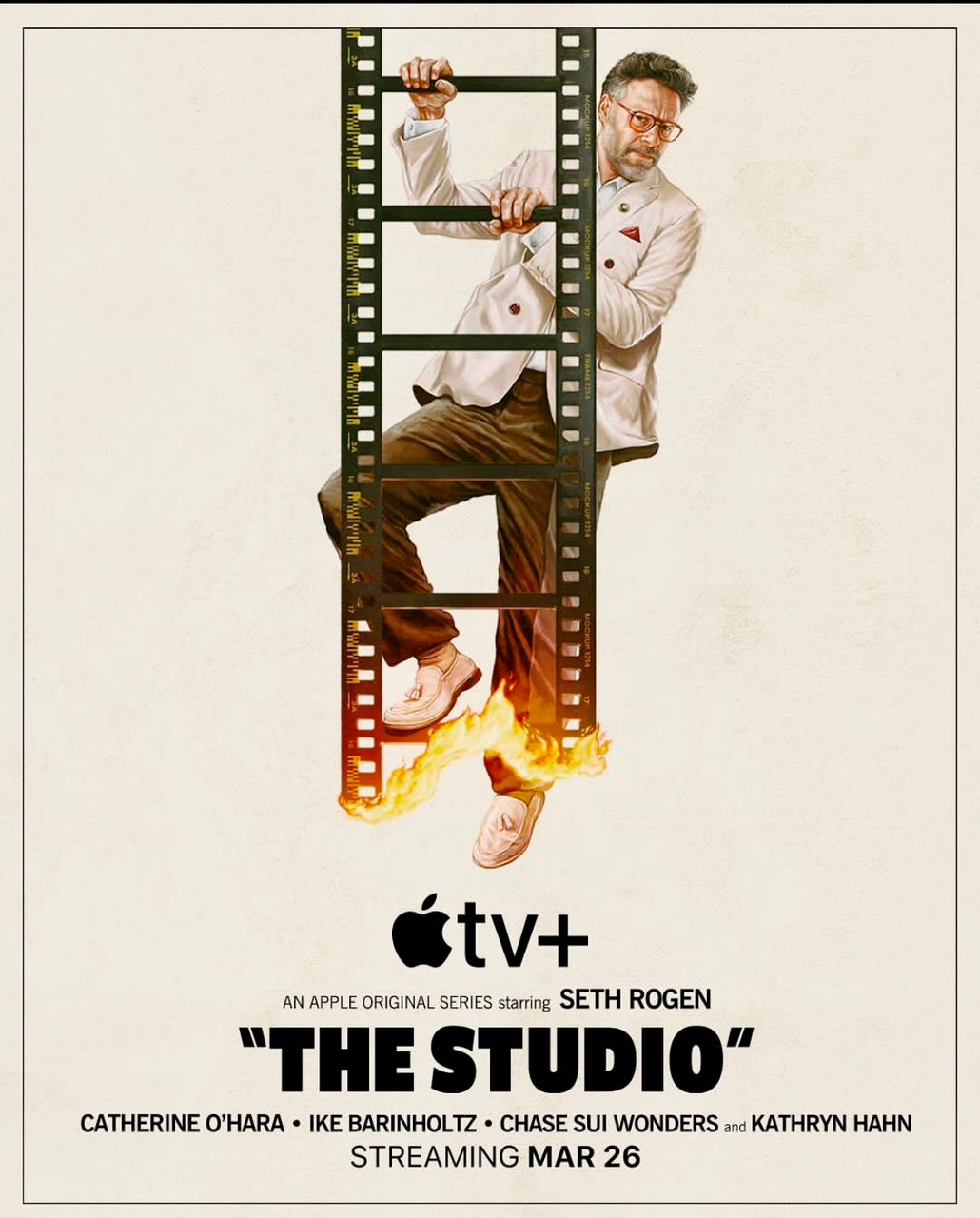
The night also featured confirmed wins for Seth Rogen as Matt Remick in The Studio and for Keri Russell as Kate Wyler in The Diplomat. Together, the winners formed a TV slate that offered clarity instead of clutter. With no extra broadcast detail preserved in the snippets, the results became the full narrative, and it worked. The strongest performances were easy to spot because nothing else competed for attention.
A Ceremony That Defined Itself Through What Was Confirmed

The verified material offered a ceremony stripped to its essentials. The results stood with all the usual award show decorations. The simplicity created an unexpected kind of sharpness. With only the confirmed categories available, the shape of the night emerged cleanly. The voters leaned into performance-driven work. They favored contained stories. They rewarded projects that did not need the push of external hype.
Some listings surfaced with partial snippets, but nothing that suggested widespread reporting errors or missing categories. It felt more like the natural limit of early distribution rather than an oversight. Even within that reduced frame, a cohesive picture emerged: the night belonged to performers who carried their categories with conviction.
What This Year’s Wins Say About Where Attention Is Going
When you pull back and look at the confirmed wins as a whole, the 2026 Actor Awards painted a picture of an industry that still knows how to reward intention, even in an era overflowing with volume. Sinners did not dominate every category but appeared exactly where voters tend to focus. Limited series carved out some of the night’s most precise performance wins. And the TV categories rewarded actors working within tightly defined emotional lanes.
With no spectacle captured in the verified snippets, the wins did the talking. They pointed toward a landscape that values work strong enough to stand on its own feet. As the season moves ahead, these results may keep curving the conversation toward projects built on intention and precision rather than size or scale, which feels almost comforting in a year when everyone already seems a little tired of the noise.
And maybe that is the real surprise of the night. With all the noise that usually surrounds awards season, this ceremony felt strangely grounded. The verified wins pointed to projects that worked because the performances worked, not because the campaigns were loud. If anything, it was a reminder that the simplest wins can sometimes feel the most refreshing.