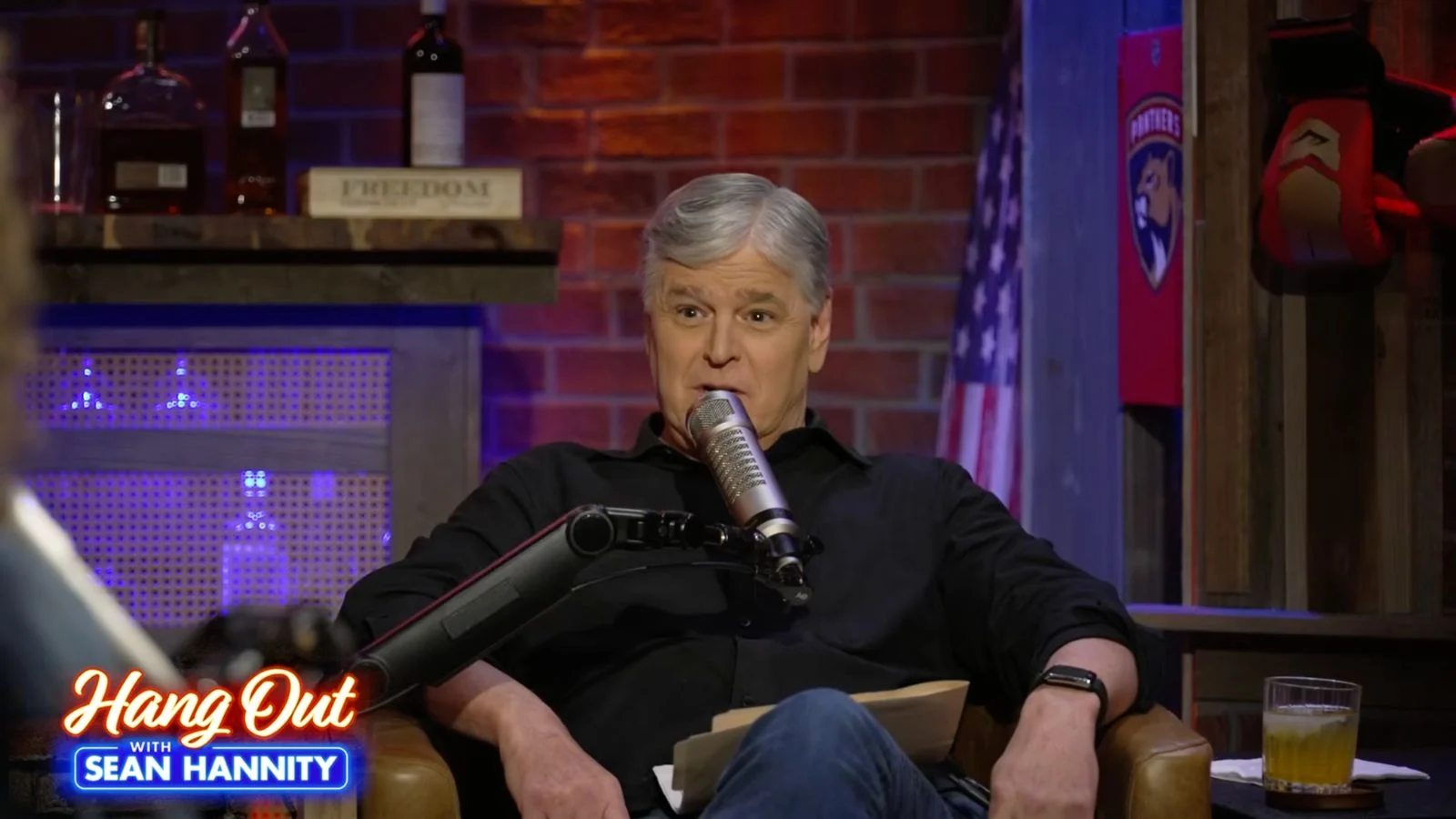
Sean Hannity thinks Bill Maher is talented, gifted, smart, and witty. He thinks Jon Stewart is funny and clever. He thinks Jimmy Kimmel, Stephen Colbert, and Jimmy Fallon are none of those things.
The Fox News host said all of this on a recent episode of his podcast Hang Out with Sean Hannity, casually delivering what might be the most revealing media commentary to come out of conservative television this year.
“I think Bill Maher is actually very talented. I do. I think he’s gifted. I think he’s talented. I think he’s smart. I think he’s witty,” Hannity said. “I don’t agree with shit. I think he hates my guts, but I don’t care. Him and Jon Stewart actually are funny. And I think they’re clever. They make me laugh.”
Then came the dismissal: “Kimmel and Colbert and Fallon don’t do it for me. They’re just not funny and creative.”
🚨NEW: @seanhannity: “I think Bill Maher is talented, gifted, smart, witty … I think he hates my guts, but I don’t care. Him & Jon Stewart actually are FUNNY & clever. They make me laugh.”
“Kimmel, Colbert & Fallon don’t do it for me. They’re just NOT funny & creative.” pic.twitter.com/03DdGzEopm
— Jason Cohen 🇺🇸 (@JasonJournoDC) April 4, 2026
What Maher and Stewart Actually Do
Hannity didn’t explain what separates the two he respects from the three he doesn’t. He just said one group makes him laugh and the other doesn’t. But their careers tell a story.
Maher has spent years drawing fire from his own audience. He’s criticized the left on free speech, Islam, and what he sees as ideological rigidity. When progressives asked why he goes after liberals so often, he once answered: “Because you’re embarrassing me.” His show Politically Incorrect was cancelled by ABC in 2002 after he made controversial remarks about the 9/11 attacks. Advertisers pulled out. Disney ended the show. Maher kept talking.

Stewart has a similar track record. When he returned to The Daily Show, his first monologue mocked President Biden’s cognitive decline — and Democrats were furious. Mary Trump, Donald Trump’s niece and one of her uncle’s most vocal critics, called Stewart’s rhetoric a ‘potential disaster for democracy.’ Months later, after the 2024 election, Stewart argued Democrats got ‘shellacked’ not because of ‘woke’ politics but because voters felt government wasn’t working for them. In a separate segment, he told Democrats to stop complaining about norms and start exploiting loopholes the way Republicans do
Kimmel, Colbert, and Fallon don’t tend to generate those kinds of headlines. Their audiences largely agree with them before the monologue starts.
He’s Said This Before
This isn’t new for Hannity. In 2014, after a week of trading public barbs with Stewart, Hannity said on his radio show that he found Stewart “extremely talented and funny.” When friends told him Stewart had taken him down on air, Hannity said it was “pretty funny” and he laughed.
On the podcast, he also referenced defending Maher when Politically Incorrect was cancelled. “I remember it was people like Rush Limbaugh, Sean Hannity, Mark Levin that were saying don’t fire Bill Maher,” Hannity said. “It’s not that we agreed with him, we just — first of all, I thought it was a great format, great show, great idea, but it was a precursor of what was to come.”
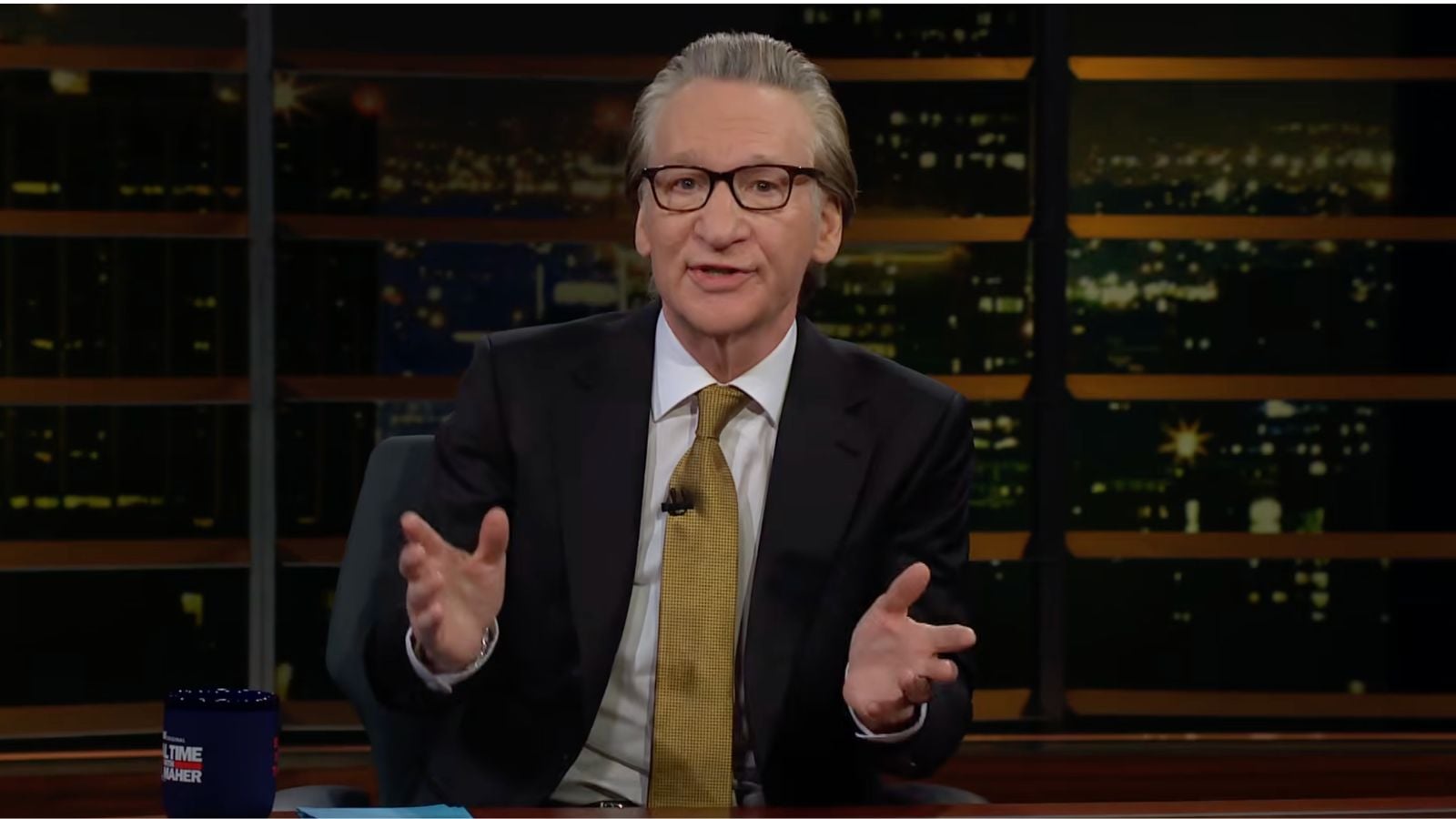
He was describing what would later be called cancel culture — and placing himself on the side of a liberal comedian, against his own audience’s outrage, over two decades ago.
Then He Drew a Line
Hannity has been one of the most partisan figures in American media for decades. He developed a close relationship with Donald Trump during the 2016 campaign and became so embedded in his orbit that White House aides reportedly called him the “unofficial chief of staff.” He joined Trump on stage at a campaign rally. During the Dominion Voting Systems lawsuit, he admitted under oath that he never believed Trump’s false claims about the 2020 election — while his show gave airtime to those very claims.
That’s the person who, in the same podcast segment, acknowledged there are people with platforms he finds “evil,” “dark,” and in some cases “racist” and “anti-Semitic.” He said he wants nothing to do with them and they’d never sit in his chair.
He didn’t name them. But the message was clear: some voices deserve protection even when you disagree with them. Others don’t. Hannity didn’t explain where that line falls. He just drew it.