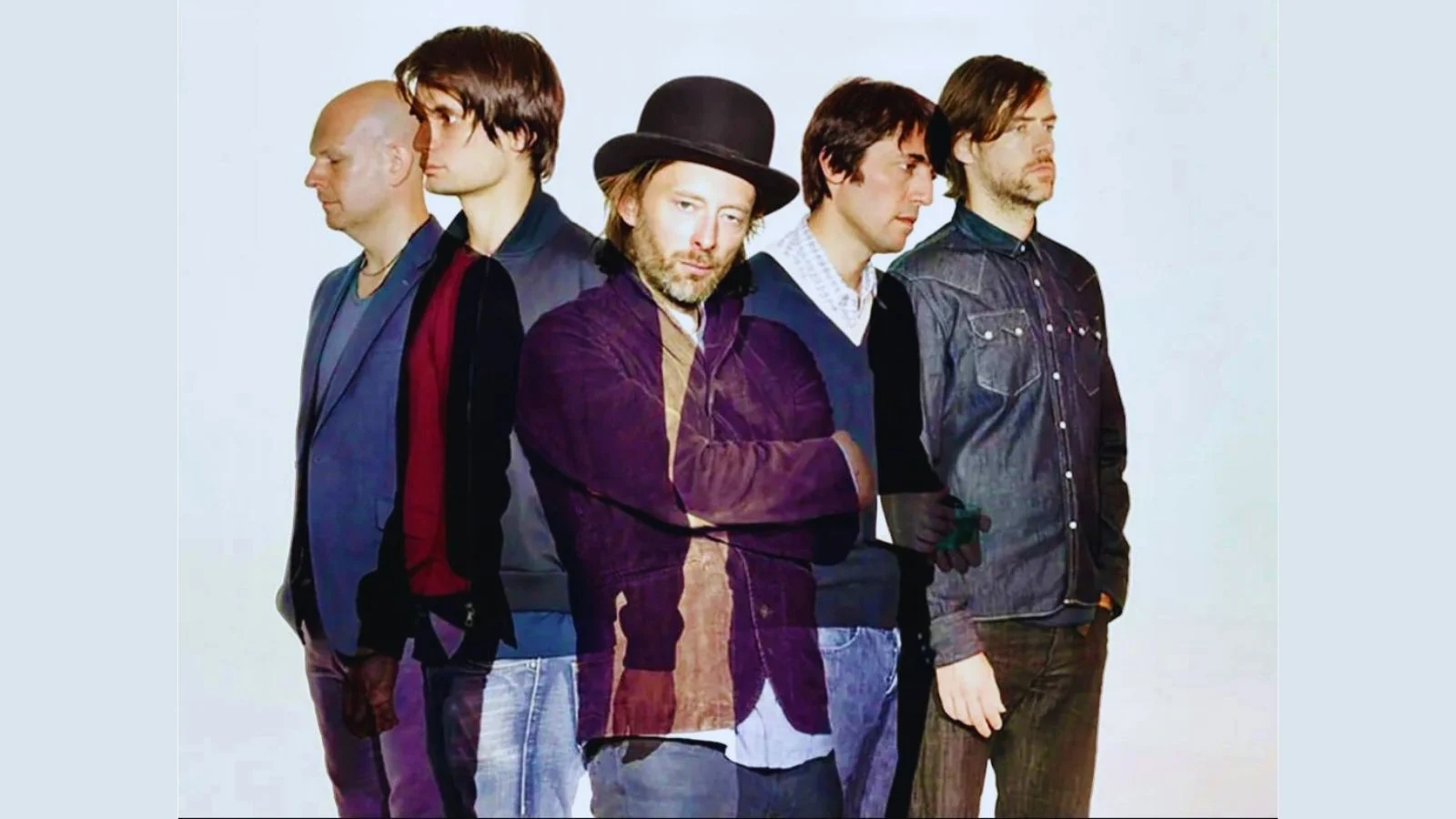
The British rock band Radiohead has entered a standoff with U.S. Immigration and Customs Enforcement (ICE) over the unauthorized use of their music in a government social media campaign. Around February 18, 2026, ICE released a video featuring a choral cover of the 1997 track “Let Down” from the album OK Computer to soundtrack images of crimes the agency attributed to people in the country illegally.
While official engagement metrics for the specific video have not been released as of late February, the incident follows recent objections from other high-profile artists regarding similar unauthorized uses of their work.
The confrontation began when representatives for the band released a public statement on February 27, 2026, demanding that the Department of Homeland Security (DHS) and ICE remove the video. The statement reflected the band’s rejection of the agency’s actions and their continued connection to their catalog.

A spokesperson for the group confirmed to several major news outlets that the song was used without any permission and characterized the entire situation as unauthorized. By using a choral cover of the track rather than the original recording, the agency utilized the underlying composition in a manner the band considers a misappropriation of their artistic intent.
“We demand that the amateurs in control of the ICE social media account take it down,” the band said in a joint statement relayed by their representatives. The message continued with a defense of their art, stating that “it ain’t funny” because the song means a lot to them and other people, and that no one should be able to “appropriate it without a fight.”
The band ended the statement with a direct dismissal of the officials involved: “Also, go f–k yourselves… Radiohead.” This response has since been carried by The New York Times and Variety, marking a public rebuke from a musical act toward a government body.
The Timeline of a Digital Dispute
Thousands of American families have been torn apart because of criminal illegal alien violence.
American citizens raped and murdered by those who have no right to be in our country.
This is who we fight for.
This is our why. pic.twitter.com/lKQp1lb4Q2
— U.S. Immigration and Customs Enforcement (@ICEgov) February 18, 2026
The friction started when the ICE video appeared on platforms like X around February 18, 2026. The clip paired the choral cover of the Radiohead song with text and images focused on victims of violence that the agency attributed to those in the country illegally. The agency used the melody to support a message that claimed thousands of American families have been torn apart.
By February 27, the story expanded as more outlets confirmed that Radiohead considered the use unauthorized and politically misappropriated. The reporting indicates that the band considers the song part of their legacy and should not be used as a tool for immigration advocacy.

Despite the media coverage and the band’s explicit demands, the Department of Homeland Security has not yet publicly addressed the controversy. Reporters from Reuters noted that the agency had not responded to inquiries regarding who authorized the music at the time of publication.
The lack of a response from the government has raised questions about the agency’s internal decision-making process. This silence remains a point of the reporting as the band continues to push for the complete removal of the content from all public platforms. The situation sits within a context of artists finding their work used in ways that contradict their personal or political values.
Reactions from the Industry and the Public
The music industry has watched this situation closely, following recent objections from pop stars like Olivia Rodrigo and Sabrina Carpenter. These artists have also expressed frustration that the administration used their songs in political content without their permission.
Major outlets like The Independent and the Daily Mail have emphasized that this is not just about copyright but about the ethics of artistic integrity. As noted in several reports, the core of the band’s argument is that the song is an extension of their identity and should not be used to imply an endorsement.

Legal observers are looking at the specific mechanics of how the choral cover was obtained for the video. Because the clip uses a cover version, it bypasses the need for a master use license from the record label but still involves the rights to the composition. Radiohead has maintained, through its representatives, that no such permission was ever granted for this specific use.
This distinction is a point that outlets like Variety have highlighted as a significant element of the dispute.
The public reaction has been shaped by the tone of the band’s statement, which many fans see as a reflection of their independence. By including a profane dismissal of the agency, the band signaled that they are willing to take a public stand to protect their music.
This bluntness has been noted by a public aware of how institutions repurpose digital content. It underscores a shift where artists are no longer content to let their representatives handle these matters through quiet channels.
What Comes Next for the Song and the Agency
As the month of February 2026 draws to a close, the video remains on social media with no sign of a formal settlement or a public response from the government. The band has not yet specified what further actions they will take beyond their public demand for removal.
However, their statement made it clear that they do not intend to drop the matter until the video is taken down. The broader administration has also stayed quiet, offering no signal on whether this incident will lead to a change in how music is selected for official messaging.
The outcome of this specific demand may influence the conversation surrounding how public entities use covers to navigate around traditional copyright hurdles. Artists and their representatives are increasingly looking for ways to address the specific challenges of social media advocacy. This case is currently a visible example of the ongoing struggle over artistic control in a changing digital environment.
Radiohead’s demand joins a growing list of formal objections from artists who have publicly distanced themselves from government messaging. As of February 28, the video remains accessible, though the band’s representatives have emphasized the song’s personal significance and their intention to contest its use.
The resolution of this specific request will be observed by both the music industry and social media teams as a test case for how artists can enforce their rights regarding unauthorized political use.