The internet spent last week absolutely spiraling over an 11-year-old girl and a hotel restaurant moment, but here’s the twist no one saw coming: a big chunk of that outrage might not have come from real people at all.
A deeper dive into the data suggests that nearly a quarter of the viral backlash was pushed by automated accounts, not actual fans.
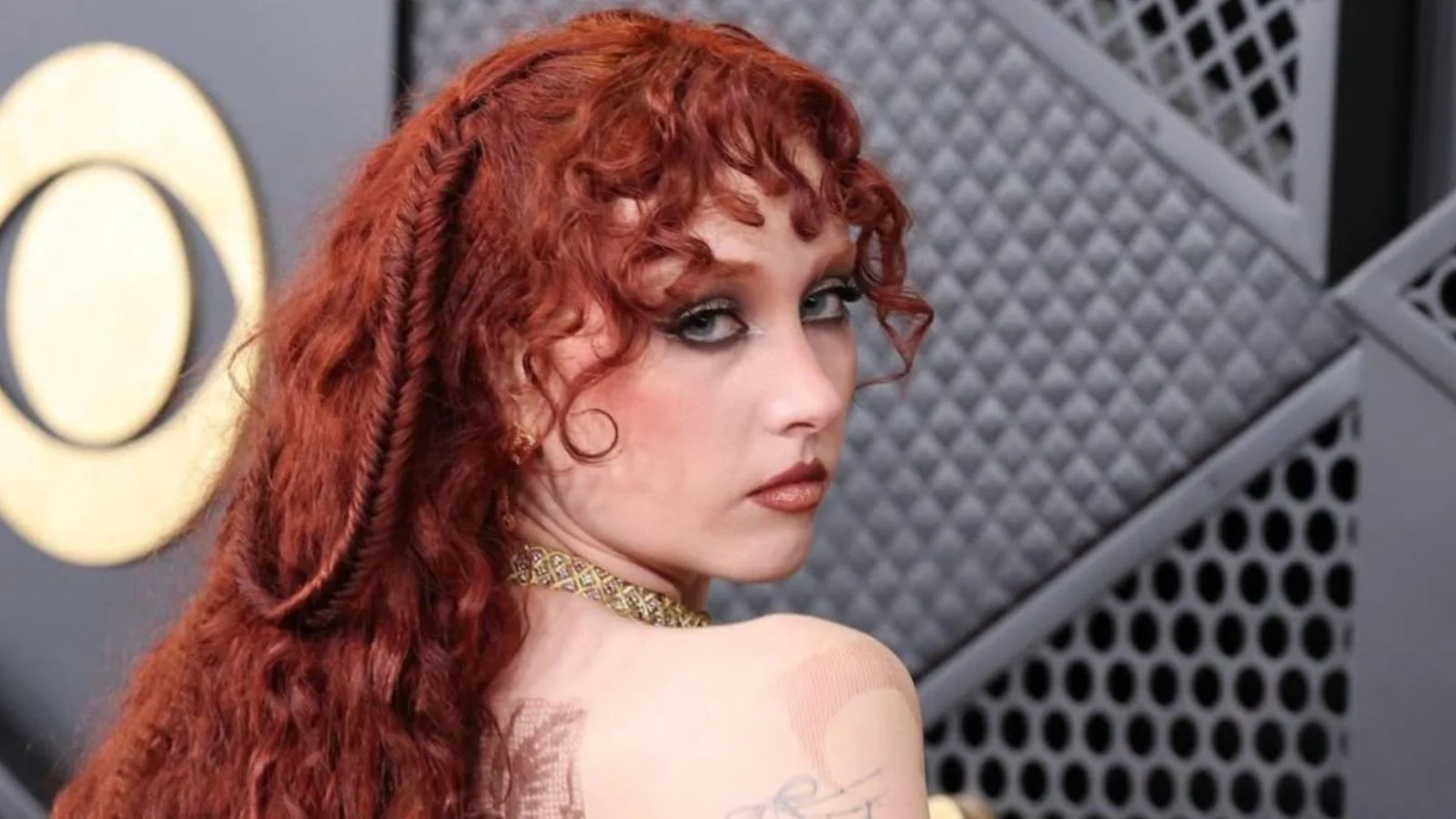
On March 21, a hotel incident involving Chappell Roan and a young fan set social media on fire, triggering calls for a boycott and some pretty intense personal attacks. And look, a story involving a crying child? That’s basically algorithm catnip.
But according to a report highlighted by BuzzFeed, research firm GUDEA found something wild. While only 4.2% of the accounts in the conversation were likely bots, they accounted for 23% of all posts.
Let that sink in for a second. What looked like a global wave of disappointment was, in part, a handful of automated accounts working overtime. It’s basically a case study in how a tiny group of non-typical accounts can hijack a narrative and reshape public opinion before the truth even gets a chance to enter the chat.
How One Hotel Moment Turned into A Full-Blown Internet Meltdown
This whole situation is a perfect snapshot of where celebrity culture is right now. Boundaries are blurry, outrage spreads fast, and engagement often beats accuracy.
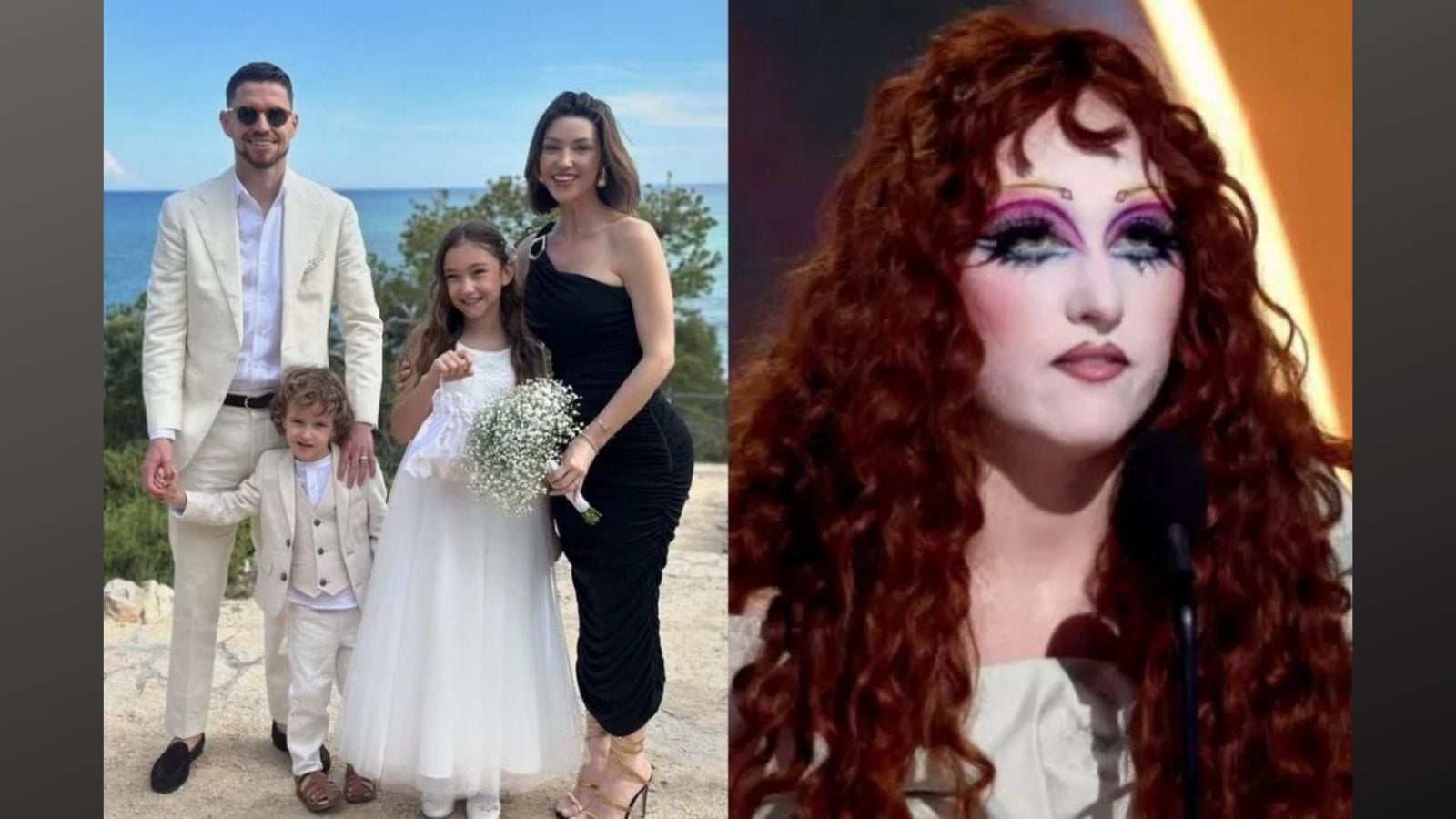
The drama kicked off when soccerstar Jorginho shared that his daughter was left shaken and in tears after simply walking past Chappell Roan’s table to confirm it was really her, when a security guard approached and warned her in what he described as an “extremely aggressive manner”.
It was the kind of story that travels at the speed of light because it hits every emotional button. Fame, kindness, a disappointed kid, it practically writes itself. But things started to shift once more details came out from people actually involved.
The security guard, Pascal Duvier, later clarified that he wasn’t working for Chappell Roan. He explained that he was there on behalf of a completely different client and made a judgment call based on the hotel’s security situation. According to his account, his actions weren’t directed by the singer or her team in any way.
He also acknowledged that the situation didn’t unfold perfectly but maintained that his response was measured and based on what he believed was a legitimate safety concern. Chappell Roan backed that up, earlier emphasizing that the guard wasn’t part of her team and wasn’t acting under her instructions.
So now there’s a pretty big gap between what initially went viral and what actually happened on that hotel floor.
The Internet’s Favorite Hobby: Turning Small Moments into Big Fiction
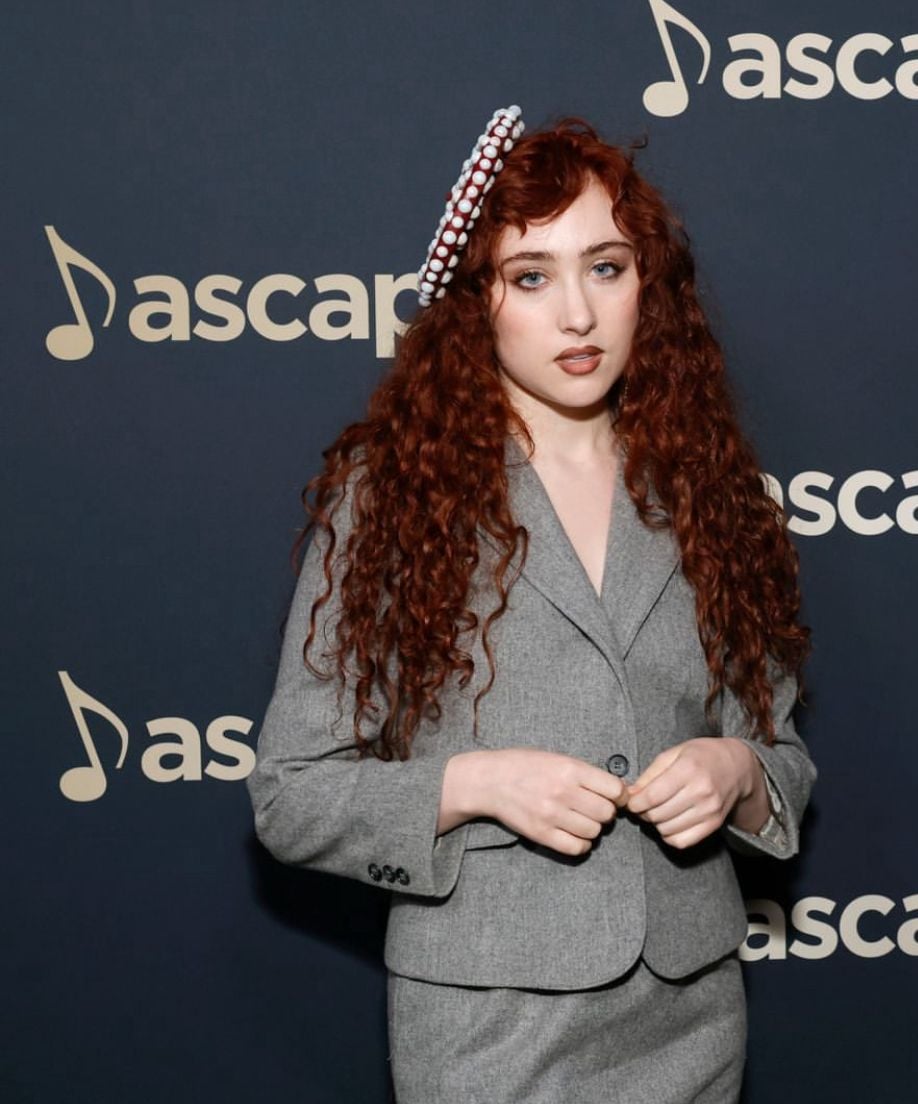
Between March 20 and March 22, this single hotel interaction exploded into over 100,000 posts from more than 54,000 users. And it wasn’t just casual commentary. GUDEA found a mix of coordinated attacks, jokes that spiraled out of control, and satire that slowly morphed into straight-up misinformation.
This is where things get a little unsettling. We’re now in a digital ecosystem where automated activity is growing eight times faster than human engagement. According to Human Security CEO Stu Solomon, the idea that there’s always a real person behind a post is quickly becoming outdated.
Their latest report suggests that AI and bots have officially overtaken humans in terms of online activity. Which honestly explains a lot. A minor restaurant interaction can suddenly feel like a global scandal because the volume isn’t coming from actual people reacting; it’s being amplified by machines.
Why That Tiny 4 Percent Can Completely Wreck the Vibe
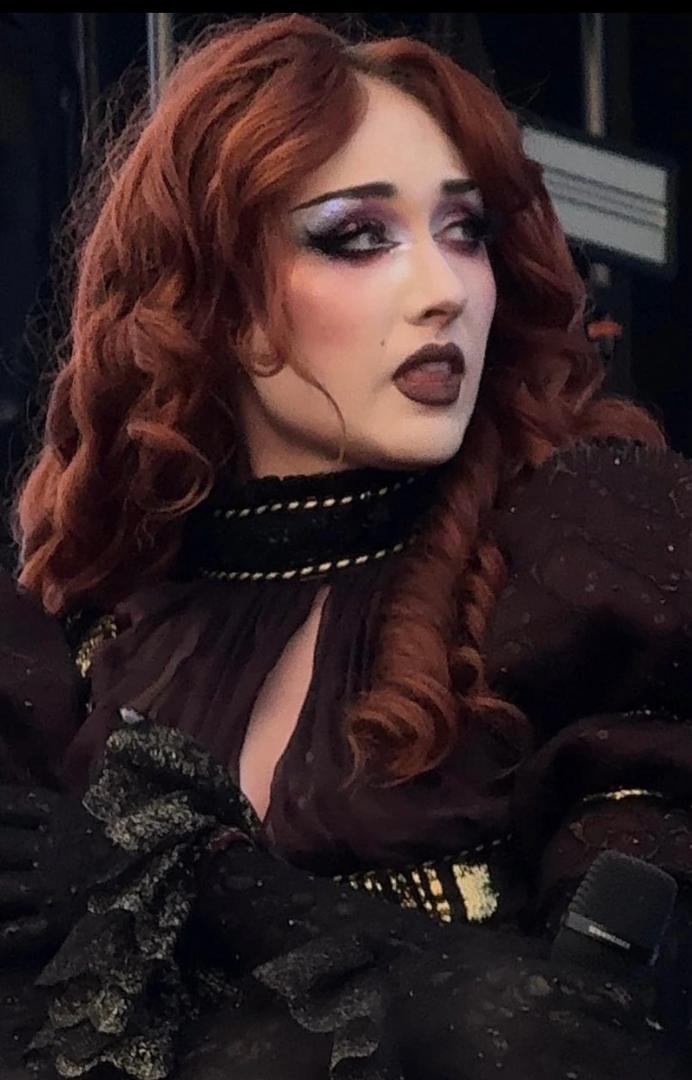
That 4.2% stat? It’s doing a lot more damage than it looks. If a small cluster of accounts can generate nearly a quarter of the conversation, then reacting to online backlash becomes a bit of a trap for celebrities. Because what are you even responding to at that point? Real fans, or highly efficient noise?
The entertainment industry still tends to treat trending hashtags as a reflection of public sentiment. But if bots are doing this much of the talking, then PR decisions are basically being shaped by automation. That’s a wild place to be.
And it’s only accelerating. There was an 8,000% spike in agentic AI tools like OpenClaw in 2025 alone, meaning the systems driving these narratives are getting faster, smarter, and harder to detect.
A joke, a critique, or even a sarcastic post can quickly get recycled into something that looks factual once it’s boosted enough times.
By the time Chappell Roan clarified that the guard wasn’t even hers, the internet had already run laps with a completely different version of the story.
The Internet Is Quietly Filling Up with Non-Humans

If you zoom out, the scale of this shift is honestly kind of hard to process. Human Security reports that AI-driven activity surged by 187% in 2025, largely driven by the rise of tools such as ChatGPT, Claude, and Gemini.
That means automated traffic is growing nearly eight times faster than actual human interaction. Eight times.
Some experts, like Indiana University professor Filippo Menczer, point out that measuring this kind of activity isn’t perfect and can get messy. But even with those caveats, the direction is clear.
We’ve gone from bots being a small slice of internet traffic to becoming a major force shaping what we see, what we believe, and how quickly stories spiral. And if this pace continues, things are only going to get weirder heading into 2027.
The Awkward Reality of Random Security Guards Making Headlines
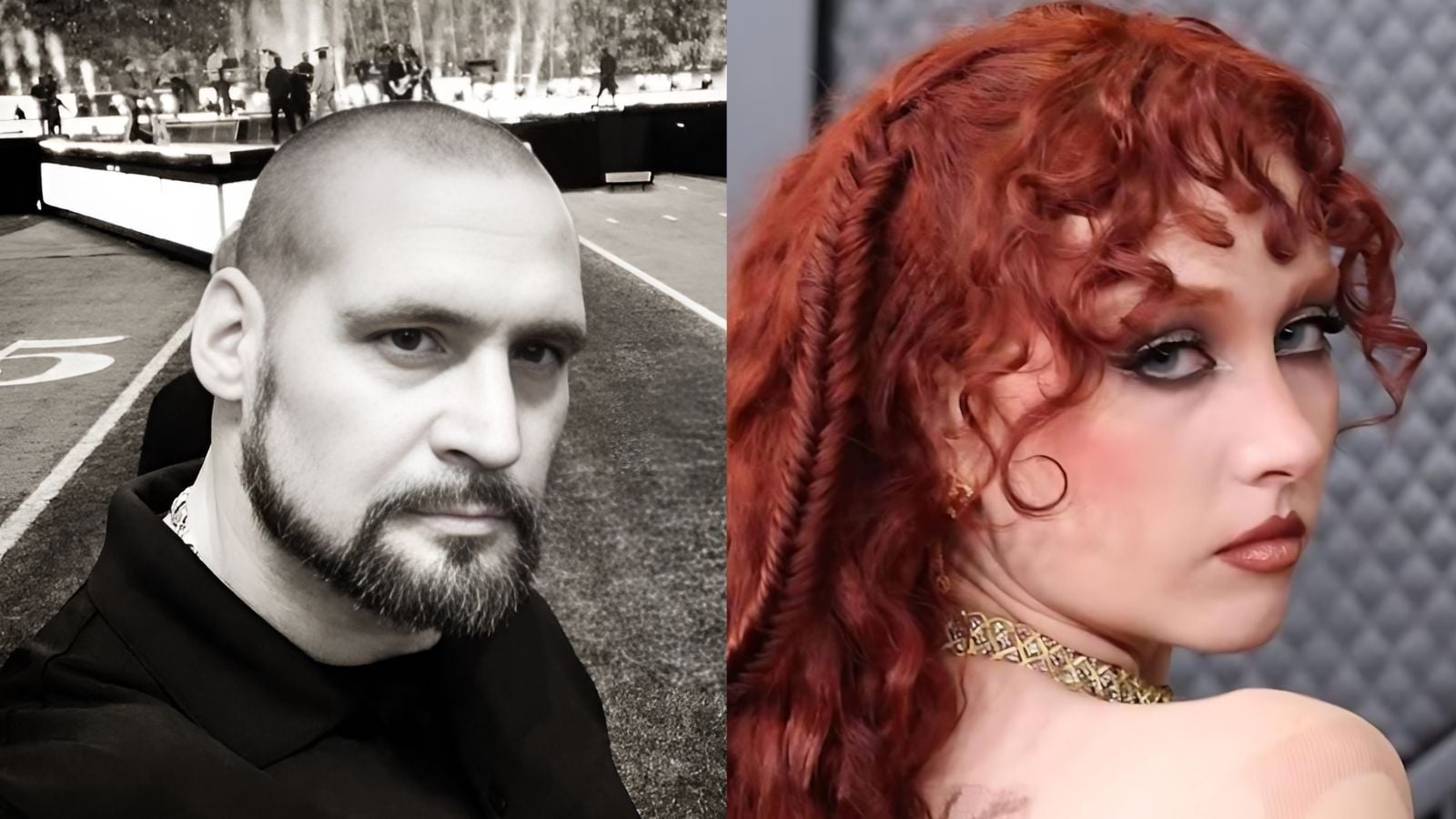
There’s also a real-world layer to this that makes everything even messier. Celebrities don’t exist in isolated bubbles. In high-end spaces like luxury hotels, they’re often surrounded by other high-profile individuals who bring their own security teams.
In this case, Pascal Duvier was working for someone else entirely. But when things escalated, the parent, followed by the public immediately connected his actions to the most recognizable person in the room.
That creates a weird responsibility gap. A third-party security guard can cause serious reputational damage to someone they don’t even represent. From a legal and PR perspective, it’s a headache.
Because where does accountability actually land when someone outside your team steps in and becomes the face of the situation? Right now, there isn’t a clear answer. And until there is, celebrities are going to keep getting caught in situations they didn’t directly control.
Silicon Valley Still Has No Plan for Your Reputation

Here’s the part that really makes you pause. While firms like GUDEA can analyze the damage after the fact, the platforms themselves are mostly staying quiet.
There’s no widespread system in place that tells users, hey, a significant chunk of what you’re seeing might not be from real people. Even though reports show automated activity has overtaken human engagement, social media still presents everything as if it’s coming from genuine users.
Which means the responsibility falls on the artist to clean up a narrative that may have been boosted by code in the first place.
As long as platforms prioritize engagement numbers over authenticity, this cycle isn’t going anywhere. Bot-driven pile-ons are basically baked into the system at this point.
So now we’re left with a bigger question. What even counts as a fan anymore if machines are doing so much of the talking?
If the industry can’t figure out how to separate real community feedback from coordinated amplification, we’re heading into a future where reputation isn’t shaped by people, it’s shaped by algorithms.
The Chappell Roan situation isn’t just drama. It’s a warning sign that the internet’s crowd might not be as human as it looks anymore.