The internet has evolved, and with it, many traditions. Some are harmless, some weird, but some should come with a required sticker that asks, “Are you sure you want to be this person today?”
This week, influencer Paige Carlene said she has spent the past two months grieving her newborn son, Austin, a twin, who died at 31 days old. She also said that, during that same window, people have been in her inbox asking for his things.
Not condolences. Not “we’re thinking of you.” Things.
“Since you can’t use it anymore, could I have it?”
Read that again. Slowly. Because if you’ve ever wondered how desensitized the internet can get, there it is. Grief, reduced to a resale listing.
What She Said, and Why It Hit So Hard
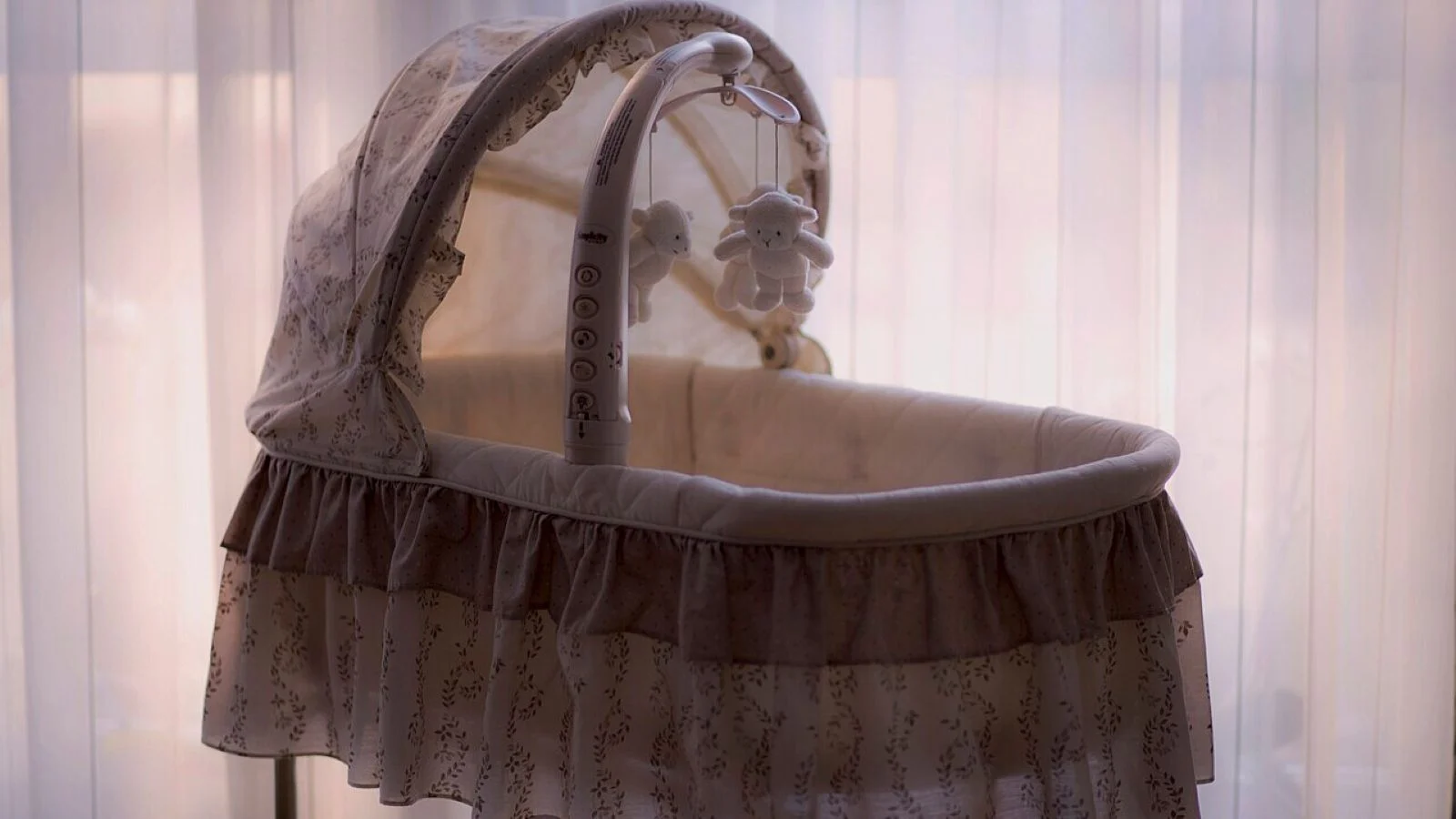
In her Instagram statement, Paige said she has received “countless messages” asking for an extra bassinet, a Twin Z pillow, and “anything else” they may have had of his. She said the requests were framed as need, as help, even as housekeeping, like grief is just clutter management.
Her response was simple and devastating. Those items aren’t “extra.” They’re the physical evidence of a life that was supposed to unfold. A bassinet isn’t just furniture when it’s the place your baby was supposed to sleep. A pillow isn’t just a pillow when it was supposed to hold two babies side by side.
She wrote what many grieving parents are forced to learn in public. Time doesn’t automatically make it easier. Two months can feel like yesterday.
The Entitlement Logic Hiding Inside “Good Intentions”
Here’s the uncomfortable part. A lot of people who send messages like this genuinely think they’re being practical. Baby stuff is expensive. People are struggling. They see an influencer as a shortcut to resources, and they tell themselves it’s efficient. Some even tell themselves it’s moral.

“Donate it.” “Someone else can use it.” “You don’t need that reminder.”
That last one is the most revealing. It assumes the right to decide what another person’s grief should look like. It also assumes access. Paige is public online, so some viewers unconsciously treat her home like a public space, and her life like a community pantry.
But popularity doesn’t cancel out personhood. It just increases the number of strangers who feel weirdly comfortable making demands.
The comments on her post were supportive. That’s the hopeful part. But the fact that she had to post a boundary statement at all is revealing.
This Isn’t Just Followers Being Weird. Brands Do It Too.
If you want proof this is bigger than one influencer’s inbox, look at what happened with baby brand Happiest Baby, the company behind the SNOO bassinet.
After Brooklyn Larsen suffered a stillbirth, her sister McKenna Bangerter said the company asked to take back a gifted bassinet. The brand later apologized, saying its outreach was intended as an offer based on prior experiences with grieving families who wanted painful reminders removed, and acknowledged that it mishandled the situation.
Two different situations, same underlying instinct. Transactional thinking applied to grief. “If the baby isn’t here, then the item should move.” Call it logistics brain trying to solve a human problem.
The Part We Keep Skipping
The internet has normalized asking for access, updates, content, and proof. Then some take it further, asking for the remnants, as if a child’s belongings are public inventory.
Asking a grieving parent to give away their child’s things, especially so soon, isn’t neutral. It’s an intrusion that puts the burden back on the bereaved to manage other people’s feelings, expectations, and needs.
If someone truly needs baby items, there are local groups, shelters, community closets, mutual aid networks, and actual systems designed for that. The shortcut is what’s ugly here. The idea that a mother’s grief can be negotiated in DMs is ugly behavior.
Paige’s point wasn’t “never.” It was “not now.” It was “with love and intention, when we’re ready.” That’s what boundaries look like when someone is still bleeding out emotionally.
If this story makes you angry, good. Keep that energy.
Just aim it correctly. Not at Paige’s followers as a faceless villain. Aim it at the habit we’ve all watched grow online.
Visibility is not consent. A platform is not a public utility. Grief is not a giveaway.