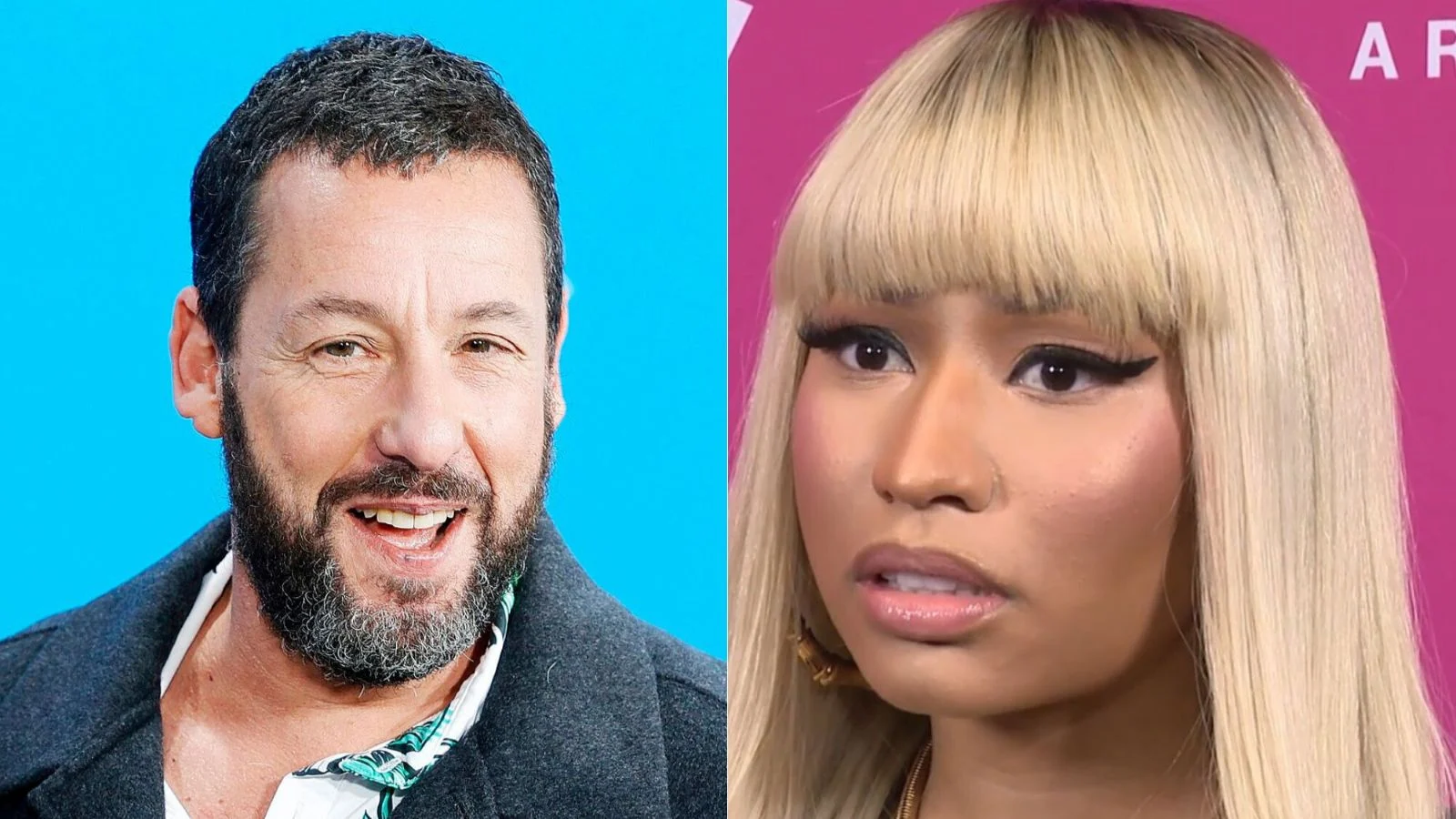
Adam Sandler used an awards-stage microphone the way Adam Sandler uses everything. As a joke that lands harder because he’s smiling while he says it.
On February 5, Sandler accepted the Maltin Modern Master Award at the Santa Barbara International Film Festival and addressed the obvious question. He’d been getting love all season for Jay Kelly. He still missed the Oscar nominations. So he offered a theory that sounded like a dig, then played it off as a bit: the nominees are “better at ass-kissing in the Academy.”
A few days earlier, the Grammys delivered a different kind of awards-season punchline.

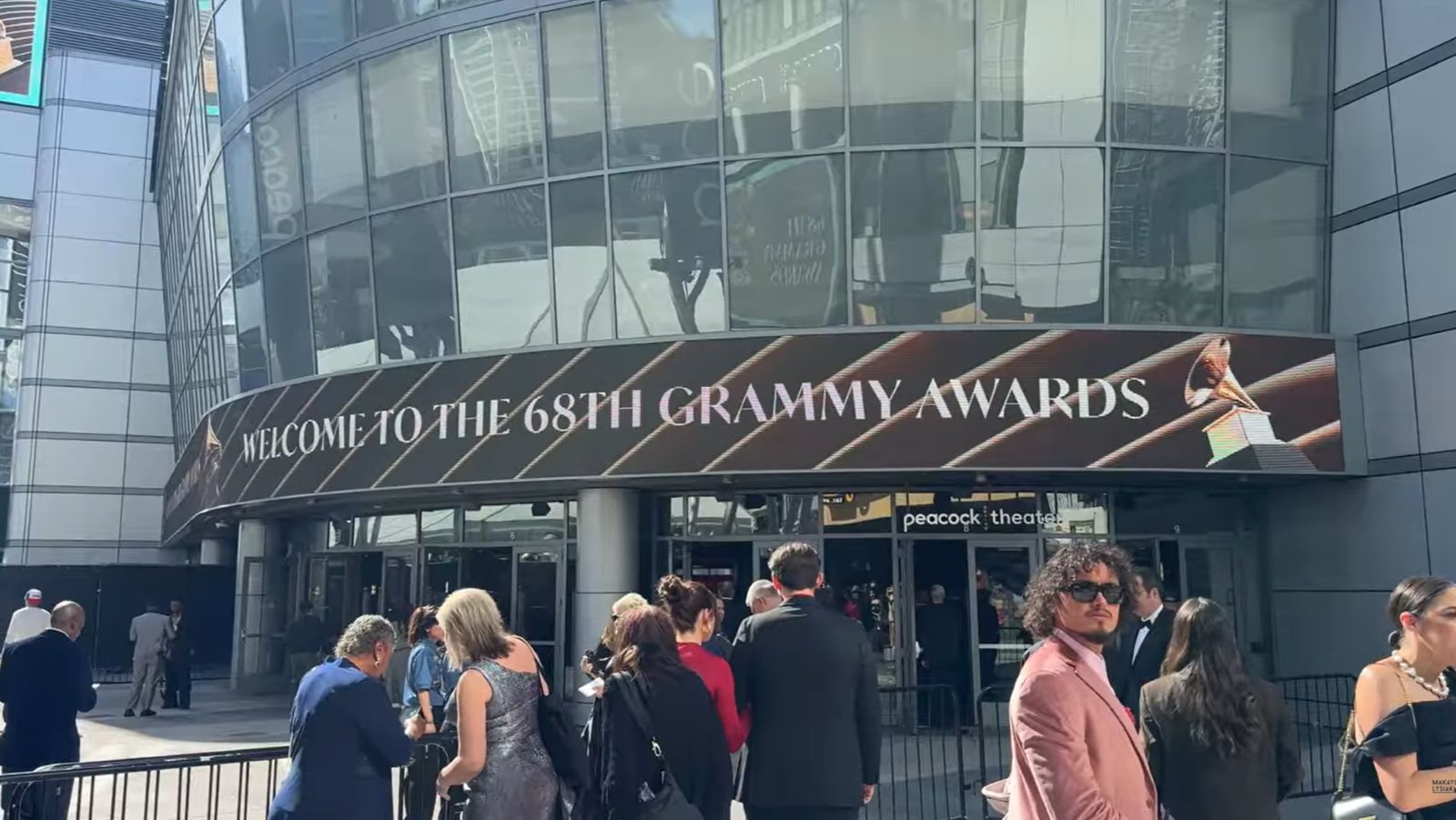
During his opening monologue at the 68th annual Grammy Awards on February 1, host Trevor Noah pointed out that Nicki Minaj wasn’t there. He joked that she was “still at the White House” with Donald Trump, discussing very important issues, then leaned into a Trump impression.
Minaj’s response didn’t sound like Sandler’s. Instead of “this is a social game,” she posted messages on X referring to a “ritual” and a “satanic cult,” without providing evidence and without naming anyone specific. The post also included graphic allegations. I’m not reproducing those claims.
Two quotes. Two moods. One underlying point: awards aren’t just about talent. Talent is the entry fee. Winning is also about being seen, being remembered, and being part of a story voters feel comfortable co-signing.
Sandler’s Joke Is the Boring Explanation People Believe
Sandler’s line works because it isn’t really about kissing up. It’s about the part of awards season everyone understands but pretends is tacky to say out loud.
Visibility matters. Voters are busy. They’re not consuming everything at the same intensity at the same time. So the work that stays top of mind wins an advantage, even before anyone argues about merit.
Narrative matters too. A performance can be great and still be hard to “sell” as a quick vote. Meanwhile, a clean storyline can become a shortcut, even for voters acting in good faith.
And yes, campaigning exists. It is so open that the Academy has formal campaign-promotion regulations spelling out what studios, publicists, and people connected to eligible films can and cannot do while promoting contenders.
That doesn’t mean votes are bought. It means awards are a persuasion contest layered on top of an art contest.
So when Sandler says “ass-kissing,” what he’s really describing is a system where relationships, access, and attention can shape outcomes. Not because voters are villains. Because voters are humans.
Minaj’s Post Is the Dramatic Explanation People Click
Minaj’s framing goes in the opposite direction. It turns the same frustration into something mythic and frightening.
That’s the internet’s favorite trade: swap boring incentives for an evil plot. Swap opaque institutions for secret cabals. Swap “I don’t like how this works” for “this is sinister.”
It’s also the fastest way to derail a real conversation about how award bodies operate.
There’s a huge difference between “campaigning distorts merit” and “this is a ritual.” One is a credible critique of incentives. The other is an unsubstantiated insinuation that adds heat and subtracts clarity.
Minaj’s posts may have been vague, but the effect is specific. They invite people to replace the mechanics with mythology.
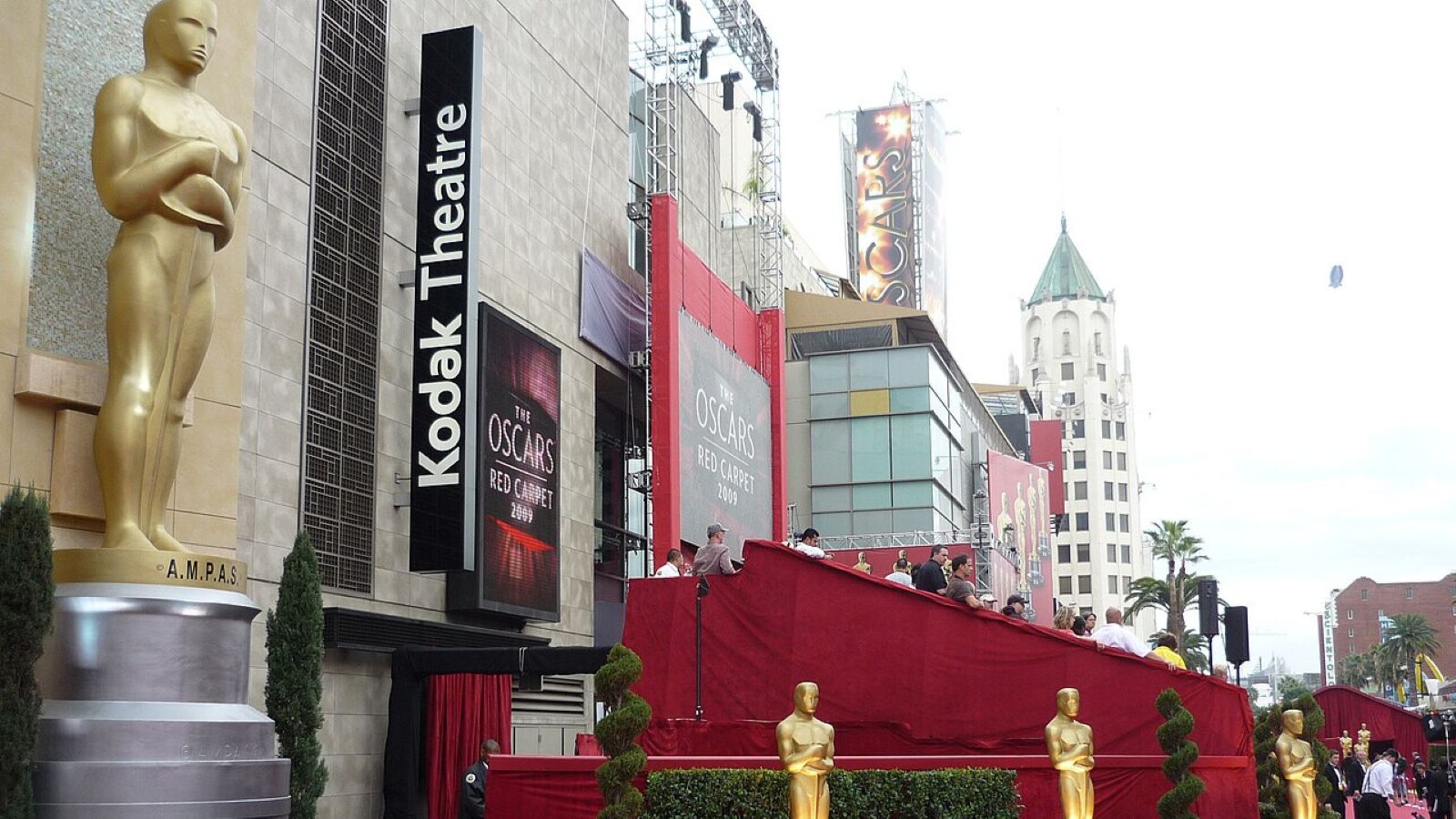
The Mechanics Aren’t Mysterious
Both the Grammys and Oscars have published processes: submissions, screening, member voting, and rules aimed at keeping the process clean.
For the Grammys, the Recording Academy explicitly prohibits voters from accepting “money or anything of value” in exchange for votes.
For the Oscars, the Academy has codified campaign rules and tightened viewing standards. Academy members must now watch all nominated films in a category to be eligible to vote in the final round.
The system isn’t a black box. It’s a big group of people operating under rules, norms, and pressure.
The part that feels like a black box is what happens in the space between “eligible” and “beloved.” That’s where campaigns live. That’s where narratives harden. That’s where the industry’s social architecture shows up.
Why This Keeps Happening Every Awards Season
Sandler and Minaj aren’t talking about the same thing with the same intent. But they’re reacting to the same modern reality: awards bodies are credibility machines. When people stop trusting the machine, they reach for explanations that make them feel less powerless.
Sandler chooses a joke that renders the machine legible. It’s schmoozing. It’s politics. It’s the social layer.
Minaj chooses posts that make the machine feel monstrous. It’s not politics. It’s darkness.
Here’s the uncomfortable middle that actually fits the evidence: awards are not pure meritocracy. They’re not supernatural either. They’re reputation markets with trophies at the end.
Talent gets you in the room. Campaigning keeps you in the conversation. Narrative helps people justify the vote.
And when that reality feels gross, the internet will keep producing two kinds of explanations. The Sandler version, which is cynical but usable. The Minaj version, which is cinematic but combustible.