There are celebrity travel mishaps, and then there are moments that feel like a mirror held up to the culture. Natasha Lyonne’s now-viral Delta red eye incident lands firmly in the second category. It is not just about a delayed flight or a groggy passenger in first class. It is about how quickly a private moment becomes public narrative, how perception can outrun facts, and how social media turns confusion into something that feels like a statement about the world.
Here is what we know. On April 7, 2026, Lyonne boarded a Delta One flight from LAX to New York shortly after attending the premiere of Euphoria Season 3. Before takeoff, crew members say she became unresponsive and unable to follow basic safety instructions like fastening her seatbelt and stowing her laptop.
The plane returned to the gate, delaying passengers for over an hour, and she was escorted off the aircraft. Soon after, she posted on X that she had been detained by ICE, writing that she had been looking forward to seeing Drew Barrymore but “I guess ICE had other plans.” The Department of Homeland Security quickly pushed back, stating that no such detention occurred.
The Fog of Federal Agencies
Let’s be clear. According to official statements made to TMZ, neither ICE nor the Transportation Security Administration had any role in removing Lyonne from that flight. This was not a federal intervention. It was an airline safety decision.
So how did we get from point A to point ICE?
Thanks for the great reporting, @enews. Indeed, I took a Lunesta once seated, to ensure some shut eye on the Delta One red eye flight to NYC. Boarded seamlessly with just a backpack and sneakers, eager for a nap. Plan was to be bushy tailed & beauty rested, as I was meant to head… https://t.co/gdRIKJ41Lt
— natasha lyonne (@nlyonne) April 10, 2026
Lyonne explained that she had taken Lunesta after boarding, hoping to sleep through the flight. Anyone familiar with prescription sleep aids knows they can hit fast and hard. They can also leave you disoriented, especially if you are interrupted mid-cycle or asked to process instructions quickly.
It sounds wild, but context matters. You are seated. You take something meant to shut your brain down. Suddenly, you are being asked questions, given instructions, and possibly surrounded by uniforms. Your mind is foggy. Your sense of time is off. Authority figures start to blur together.
What makes this interesting is not just the mistake, but how quickly it turned into a narrative. Lyonne did not just say she was removed. She named a specific agency. At the same time, she posted support for TSA workers, referring to them as “unpaid”, even though they are federally compensated. That mix of details suggests confusion rather than intent, but in a hyper online environment, nuance disappears fast.
And once the word ICE enters the conversation, the story is no longer neutral. It becomes political, whether that was the intention or not.
Timing is Everything in Hollywood
If this had happened on a random Tuesday with no cameras around, it might have barely registered. But the timing gave it a different kind of energy.
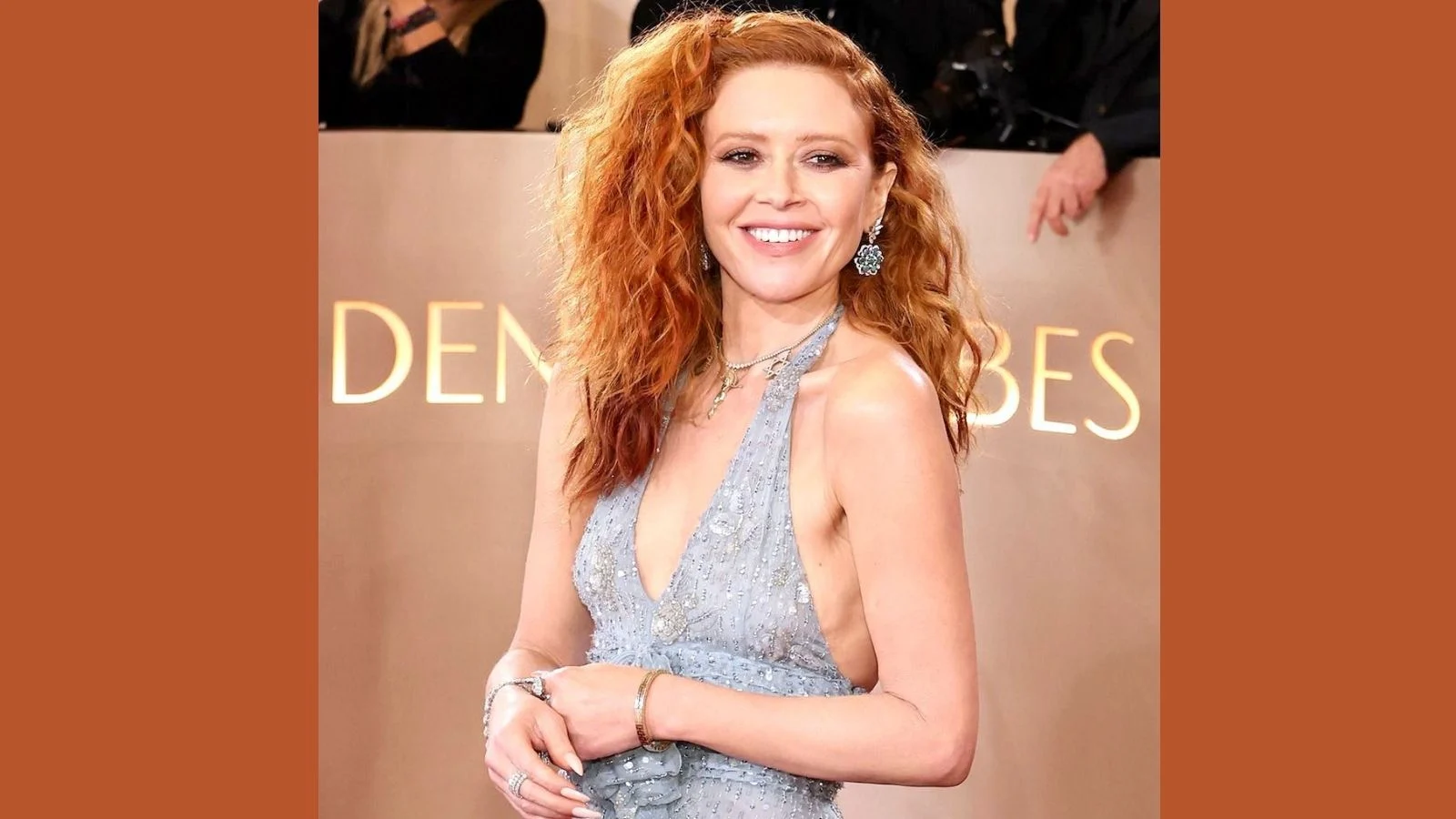
Just hours earlier, Lyonne had walked the red carpet at one of the most talked-about premieres of the year. The Euphoria Season 3 premiere was already dominating timelines, with clips, fashion breakdowns, and commentary circulating widely. She was part of that moment, visible, photographed, and very much “on.”
Hollywood actress Natasha Lyonne claims she had a sleeping pill before being removed from a flight; claims she was ‘detained’ by ICE.
The actress, who was seen struggling to walk on a red carpet hours before the flight blamed a sleeping tablet and ICE for the incident.
“I… pic.twitter.com/WsOGjtQtXX
— Oli London (@OliLondonTV) April 10, 2026
Then comes the pivot. From a high-visibility Hollywood event to a dimly lit cabin where the expectation is simple compliance. Not performance, or persona. Just follow the instructions.
That contrast is striking. It raises a quiet question. How quickly can anyone switch from public mode to private exhaustion, especially after a long night, a high-energy event, and immediate travel?
Two days later, Lyonne appeared in New York for a Lorne Michaels related premiere, reinforcing how quickly the professional machine keeps moving. The schedule does not pause just because something went sideways mid-flight.
The Human Factor Behind the Headlines
This is where the story becomes less about headlines and more about human behavior.
Lyonne has been open about her recovery journey, including a relapse earlier in 2026 and a subsequent update that she was back on track. That context does not explain what happened on the plane, but it does shape how people interpret it.
Some see vulnerability. Others see inconsistency. A few jump to conclusions unsupported by confirmed facts.
Let’s be careful here. There is no verified evidence that this incident involved anything beyond what has been reported, which is a passenger taking a sleep aid and becoming unresponsive before takeoff. But public figures rarely get the benefit of a clean, isolated narrative. Everything is layered.
What makes this interesting is how quickly people fill in the blanks. A groggy response becomes a theory. A delay becomes a storyline. A single tweet becomes a cultural flashpoint.
A New Rule for the Friendly Skies
Strip away the noise, and the core issue is simple. Airlines operate on strict safety protocols. If a passenger cannot follow instructions, the flight does not proceed. It does not matter who you are.
There were no arrests. No charges. Just a removal from the flight and a delay for everyone involved. Delta Air Lines has not publicly detailed the specific crew protocols used in this case, but the outcome aligns with standard industry practice.
Here’s the thing. Airplanes are one of the last places where the rules are non-negotiable. You either meet the baseline requirement of being able to respond and comply, or you do not fly. And celebrity status does not override that.
DHS firmly denies detaining actress Natasha Lyonne by ICE after her removal from a L.A.-NYC flight due to appearing unresponsive from a Lunesta pill. A spokesperson clarified neither ICE nor TSA escorted her, countering her claims.#NatashaLyonne#ICEgate#NatashaLyonneFlight pic.twitter.com/pD4vLIvEDJ
— Heading (@HeadingDaily) April 11, 2026
So What Are We Really Looking At Here
This story lingers because it sits at the intersection of several cultural tensions. Trust in institutions. The speed of social media. The public’s complicated relationship with celebrity vulnerability.
It also highlights something more subtle. The gap between experience and reality.
Lyonne experienced something that felt real enough to post about in the moment. Authorities say it did not happen that way. Both things can exist at once, but only one aligns with verified facts.
And in a culture that moves this fast, the version that spreads first often sticks hardest. So what are we left with?
A delayed flight. A confused passenger. A misidentified authority figure. And a reminder that in 2026, the story is never just what happened. It is how it is told, how it is received, and how quickly it becomes something bigger than itself.