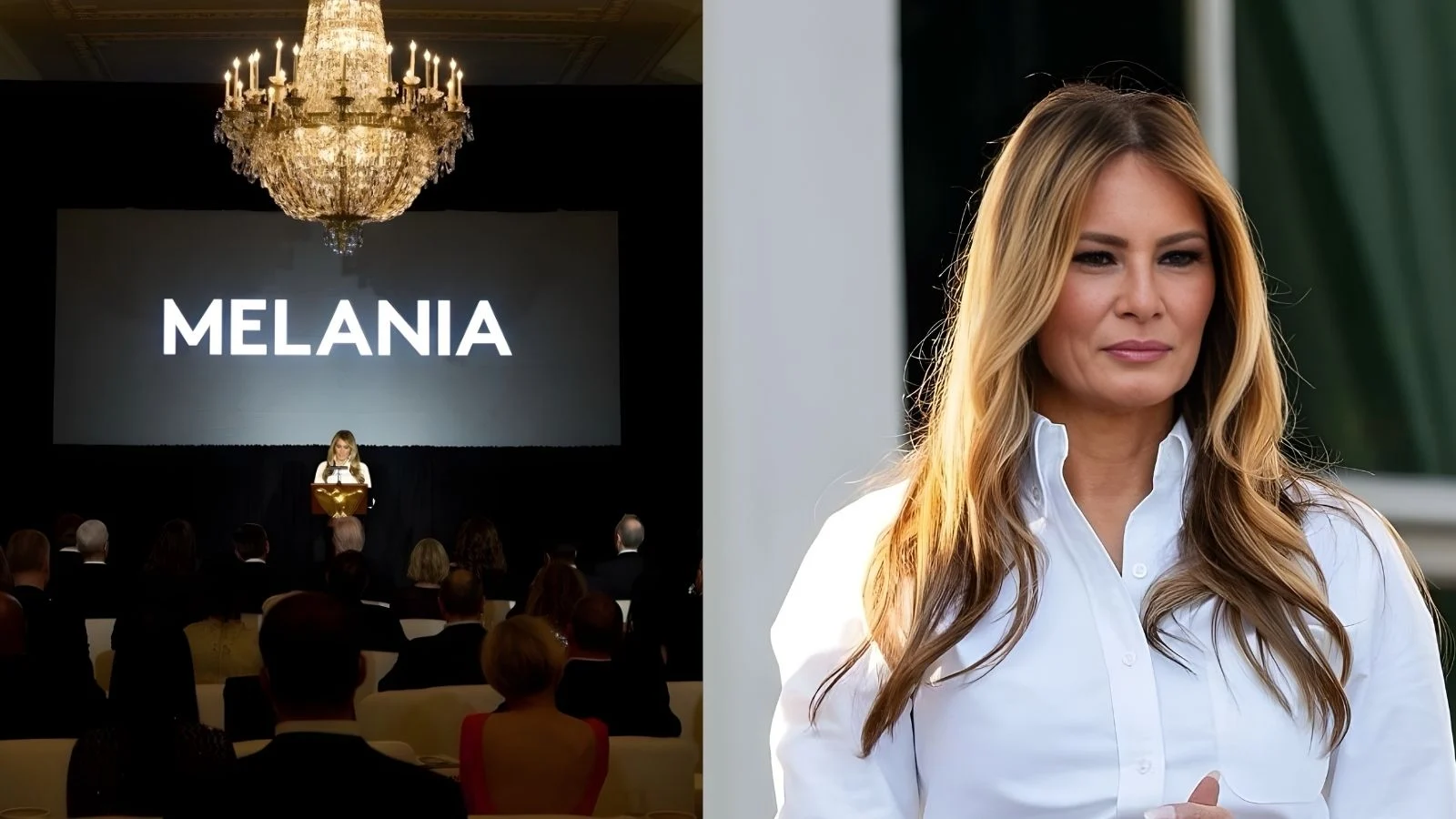
The Melania documentary was supposed to be a splashy deep-dive into one of the most mysterious modern First Ladies. It had a major streaming platform behind it, a $35 million marketing push, and months of online buzz leading up to the release.
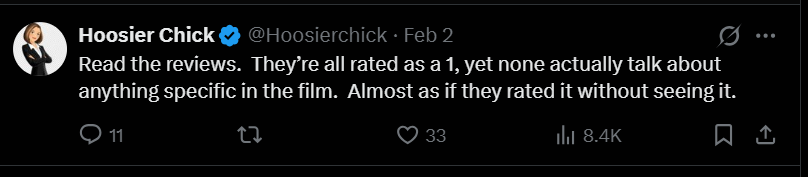
But instead of critical praise or audience curiosity, it’s landed in pop culture headlines for the worst possible reason: it currently holds one of the lowest scores ever on IMDb, clocking in at 1.3 out of 10, based on tens of thousands of user reviews.
For context, that rating puts it in the same conversation as infamous bombs like Disaster Movie and The Hottie & the Nottie. So, what exactly happened here? And is there a chance this PR disaster could turn into a redemption arc?
What Went So Wrong
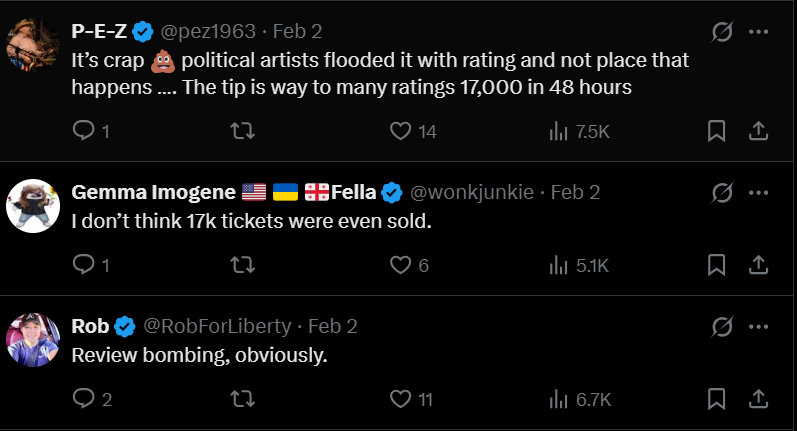
There’s no single reason for the freefall, but a mix of timing, controversy, and execution turned Melania from a possible cultural moment into an online flashpoint. First, the backlash began almost instantly on IMDb. Within 48 hours of its release, the film was flooded with one-star reviews.
While some of those reviews focused on the documentary’s production quality or narrative, many of them clearly had little to do with the content. The project became a lightning rod for politically motivated “review bombing,” with users piling on ratings seemingly as a reaction to Melania Trump herself rather than the film.
Review-wise, the movie didn’t fare much better. On Rotten Tomatoes, it has an abysmal critic score, with multiple reviewers labeling it as stage-managed or airbrushed. The New Yorker described it as “exceedingly mid” and questioned whether it should even be considered a documentary at all, calling it more of an extended promo reel.
Adding to the firestorm is the controversy surrounding the film’s director, Brett Ratner. Ratner hasn’t directed a major project since being accused of sexual misconduct in 2017, and his attachment to Melania reignited those conversations. Many in the entertainment industry questioned Amazon’s decision to work with him, which cast a cloud over the project before it even premiered.
On top of that, the film’s tone struck many as oddly sanitized. Rather than a critical examination of Melania Trump’s time in the White House or a deep exploration of her personal life, the documentary plays more like a curated lookbook.
Box Office Reality and Audience Reactions
Despite the online drubbing, Melania didn’t completely flop in theaters. It earned $7 million in its opening weekend, making it one of the best-performing documentary debuts in recent memory. While nowhere near the scale of blockbuster films, that figure is impressive for a political doc with a tight release window.
Even more surprising? CinemaScore audiences gave it an A grade, suggesting that people who actually saw the film in person had a much more positive experience than online users would suggest. This kind of gap isn’t unheard of. Critics and casual viewers don’t always agree but it adds a curious twist to the movie’s narrative.
The movie’s PR team has tried to course-correct by focusing on these positives: spotlighting CinemaScore, emphasizing the Amazon streaming release, and teasing additional bonus content. But for many, the damage to the documentary’s reputation is already done.
Could Things Turn Around?
So is there any hope for Melania to recover from this digital nosedive? Maybe, but it won’t be easy. Films sometimes bounce back from bad early ratings when audiences decide to reassess them after release. Classic cult movies often tank initially and then find loving fanbases later on. Melania could become an ironic pick for movie nights or subject of academic discussion about political media. But that is very different from becoming a mainstream audience favorite.
Another realistic path to redemption is streaming. After its theatrical run, Melania is expected to hit platforms like Amazon Prime Video where more casual viewers might give it a chance without paying for a ticket. Streaming can sometimes soften public sentiment if the film feels more accessible.
There is also the simple fact that IMDb scores don’t define everything. Critics often point out that user ratings can be skewed by people trying to make a statement. If new audiences approach the documentary later with fresh eyes or a different perspective, the film’s rating could slowly move upward.
What do you think?