On Friday evening, Nigerian radio personality SizZzle posted a tweet that had nothing to do with politics, war, or the White House. “What did Messi do to his fellow Argentinians to make them so Angry with him?” he wrote. “They are dragging the Hell out of him in his Instagram comments section since morning? Pls can Somebody give me the gist?”
The tweet hit 1.2 million views. A radio host in Bayelsa, Nigeria — thousands of miles from Buenos Aires, even further from Washington, D.C. — could feel something had shifted in Lionel Messi‘s universe before most English-language outlets had finished writing their headlines.
What did Messi do to his fellow Argentinians to make them so Angry with him? They are dragging the Hell out of him in his Instagram comments section since morning? Pls can Somebody give me the gist? 😳🫨😬
— SizZzle. 😎🇳🇬 (@n6oflife6) March 6, 2026
A Trophy Ceremony That Opened With a War Briefing
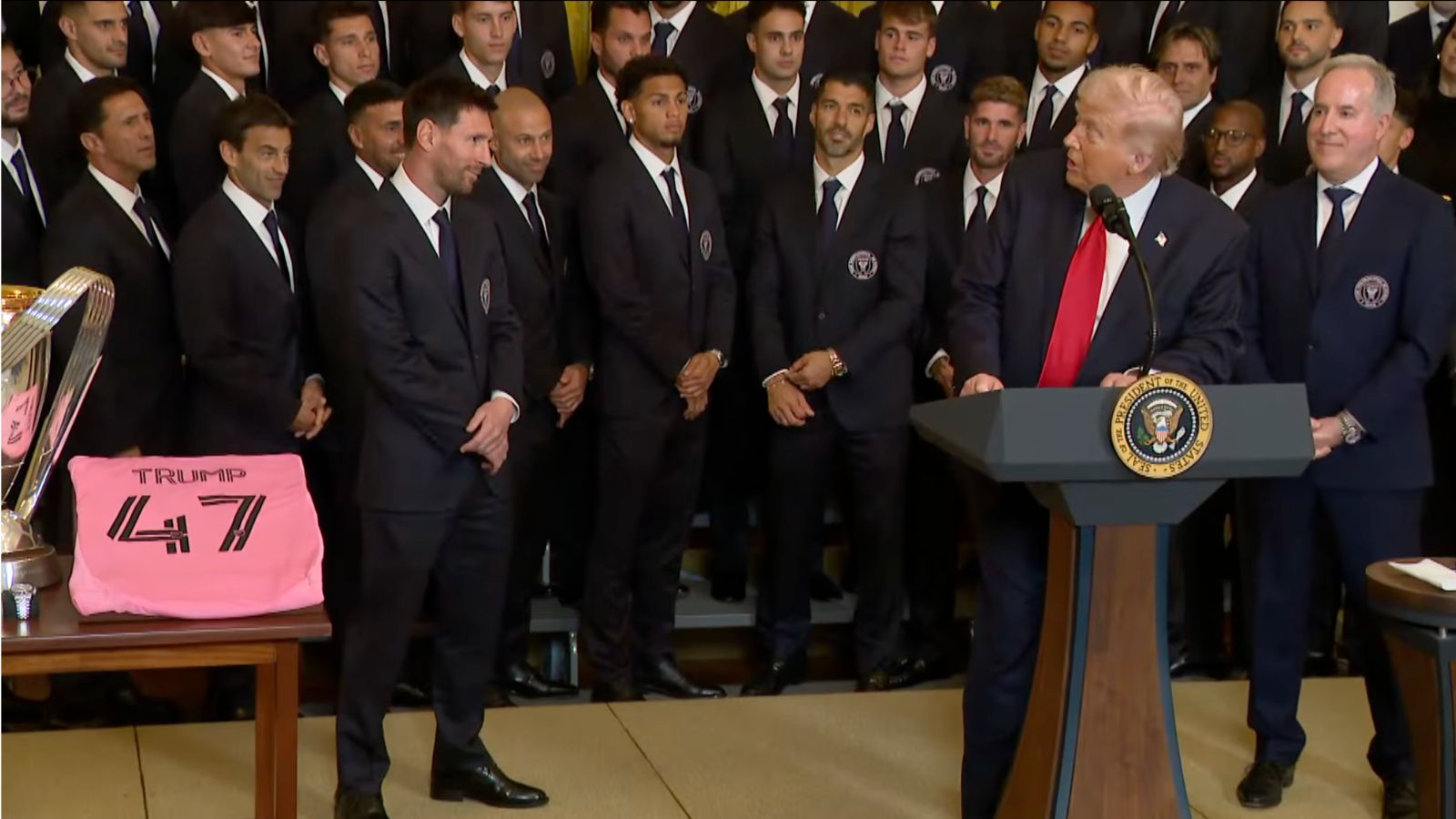
Inter Miami visited the White House on Thursday to celebrate their 2025 MLS Cup championship. Messi showed up to do what championship teams in America have done for decades — shake the president’s hand, take the photo, go home.
That is not what happened.
President Trump opened the event not with congratulations, but with a live briefing on the U.S.-Israel military strikes against Iran — strikes that had killed over 1,200 people. He spoke about demolishing the enemy “far ahead of schedule,” then pivoted to Venezuela, Cuba, and tariffs.
Messi stood right next to him the entire time. He didn’t speak. And when Trump finished, the room applauded. Messi applauded with them.
That was the clip. That was all it took.
Lionel Messi has been criticised for meeting US President Donald Trump and applauding his latest brief on the Iran war at a White House event honouring the Argentinian superstar and his Inter Miami team. pic.twitter.com/G06LQVAPs2
— Al Jazeera English (@AJEnglish) March 6, 2026
His Own People Turned First
What followed wasn’t the typical internet outrage cycle. It came from Messi’s own people.
Argentine journalist Mariano Sinito called the image “a huge stain on Messi’s legacy.” One fan captured the emotional fracture perfectly: “Whatever happens, you’ll always be my greatest idol, but you can’t count on me for this.” Palestinian journalist Abubaker Abed called the scene “utterly shameful and repulsive,” naming Messi, Mascherano, Suárez, and De Paul specifically.
Then there was the defense. “Messi & Suarez are clapping, but I don’t think they understand what Trump is saying,” one commenter argued.
That might be the most devastating part of all. The greatest soccer player of his generation, standing next to the leader of the free world during a live war briefing, and the best his fans can offer is: he didn’t know what was being said.

The Ronaldo Detail
Here’s the part nobody’s talking about. Four months earlier, Cristiano Ronaldo also visited the White House — not as part of any team tradition, but as a personal guest at a state dinner for Saudi Crown Prince Mohammed bin Salman. He sat near Elon Musk. He got an Oval Office tour. The White House captioned a photo of him and Trump “Two GOATS.” The backlash came and went within days.
Messi attended as part of a routine championship visit — the same tradition that has brought NFL, NBA, and MLS teams to the White House for decades. Trump admitted he didn’t even know Inter Miami was coming. And the backlash still hasn’t stopped. The difference is obvious: Ronaldo’s visit didn’t open with a live war briefing.
The Tradition Nobody Talks About
White House championship visits are as American as tailgating — and just as loaded.
LeBron James said no NBA Finals team wanted the invite. Megan Rapinoe famously said she wasn’t “going to the f—ing White House.” The political calculus of showing up — or not — is a skill American athletes have been developing for years. They look like photo ops. They function as political endorsements.
But Messi isn’t an American athlete. He’s an Argentine who spent two decades in Barcelona before moving to Miami in 2023. The tradition of championship teams visiting the White House isn’t part of his playbook.
Inter Miami coach Javier Mascherano tried to make this point the next day. “I thought we would talk about football but I guess I’m not lucky,” he said. “We were following the protocol that is practically a tradition.”
Protocol. Tradition. Except the tradition has never been routine — American athletes just made it look that way. Messi didn’t have that playbook. And no one handed it to him on the way in.
Reporters are running Messi through because he dared to go to the White House and meet with Donald Trump.
But they don’t say anything about the fact that Maradona used to routinely meet with corrupt evil dictators. https://t.co/tNWtfeX74A
— Sovereign Wolf | Expat Consultant (@BowTiedYanqui) March 7, 2026
What This Is Really About
Messi has built a twenty-year career on being everywhere and nowhere at the same time — the most recognizable face on the planet with the least recognizable opinions. It’s what made him brand-safe for Adidas, for Saudi tourism, for every sponsor that needed a global ambassador who would never say the wrong thing.
But that only works when you control the room. When the room controls you — when a president opens your trophy ceremony with a war briefing — silence stops being neutral. It becomes a blank screen everyone projects onto. Some saw endorsement. Some saw complicity. Some saw a man out of his depth.
Messi didn’t walk into a controversy. He walked into an American institution that has always been one — and became the first person famous enough, global enough, and quiet enough to make the rest of the world see it for what it’s always been.
And he still hasn’t said a word.