Did you know there is always a reason for people to buy gifts throughout the year? Think about Father’s Day, Mother’s Day, Christmas, birthdays, weddings, anniversaries, graduations, and baby showers. These are just a few of the many occasions when people spend money on gifts.
Now, imagine turning this demand for gifts into an online business without buying products in advance, storing stock at home, or packing orders yourself. Sounds good, right?
That is where print-on-demand comes in!
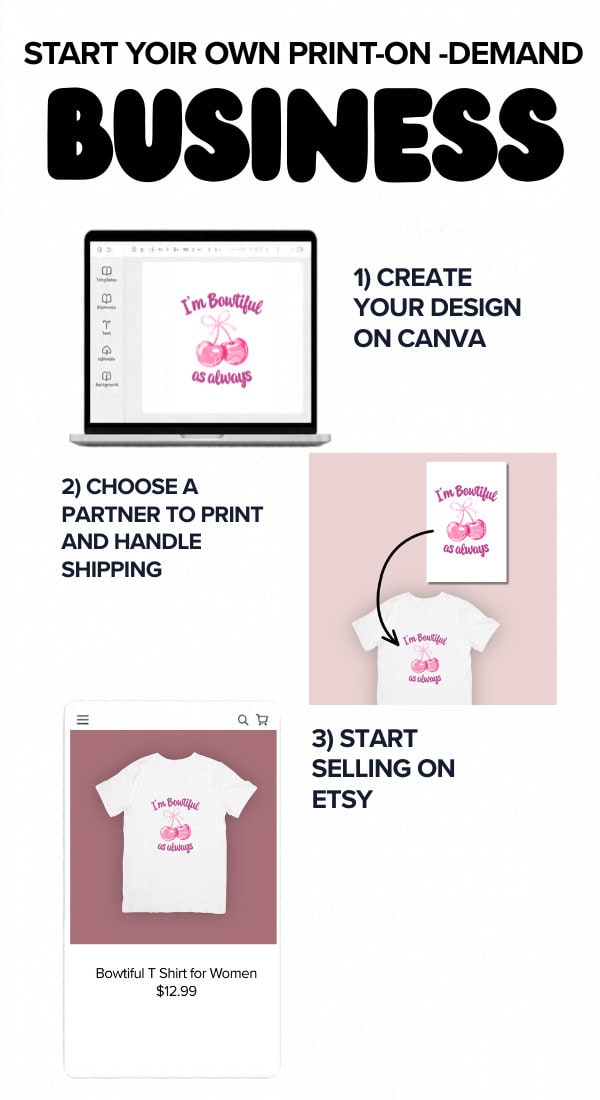
Print-on-demand is a business model that allows you to create designs and sell products online without keeping inventory. You can sell items such as T-shirts, mugs, tote bags, phone cases, posters, and personalised gifts.
In this guide, you will learn how to make money on Etsy selling print-on-demand products, even if you have no previous experience.
What Is Print-on-Demand?
Print-on-demand, also called POD, is a business model where products are made only after a customer places an order.
For example:
>>Imagine you create a design for a mug with the words “Best Dad Ever.” Instead of buying 100 mugs and storing them at home, you upload your design to a print-on-demand company. When someone buys your mug, the company prints your design on it, packs the product, and ships it to the customer.
You receive the money from the sale, pay the costs of making and shipping the product, and keep the remaining amount after other expenses.
The best part is that you do not need to handle the products yourself.
Step 1: Choose a Profitable Niche
Before you start creating designs, you need to decide what kind of products you want to sell. A niche is simply a specific group of people or a particular topic you want your shop to focus on.
For example, your niche could be gifts for new moms, dog lovers, teachers, fitness fans, or people who enjoy gardening. Or it could be occasion based like weddings or baby showers.
Choosing a niche can make it easier to understand your customers and create products they want to buy.
Think about the occasions when people shop for gifts. Someone looking for a birthday present for a dog lover may want a personalised mug, while someone buying a wedding gift may prefer a custom print.
You can also focus on products for everyday interests, such as funny T-shirts for dads or tote bags for book lovers.
Try to choose a niche that has customers who are willing to spend money and offers plenty of opportunities for new designs.
You do not have to sell everything to everyone. Starting with a clear focus can help you build a more recognisable shop.
Step 2: Research What People Are Buying
Once you have chosen a niche, spend some time researching what customers are looking for.
Etsy is a good place to start. Search for products related to your niche and look at the types of items that appear.
Pay attention to the designs, colours, product styles, and occasions they target. Read customer reviews to understand what buyers like and what could be improved.
You can also use Etsy’s search suggestions to discover phrases people use when looking for products.
For example, if you want to sell gifts for teachers, you could research terms such as “teacher appreciation gift,” “personalised teacher mug,” and “teacher Christmas gift.”
The goal is not to copy another seller’s work. Instead, use your research to understand customer demand and find ways to create something different.
Remember that popular products can have strong competition, so look for ways to make your designs more personal, useful, funny, or unique.
Step 3: Create Your Designs Using Canva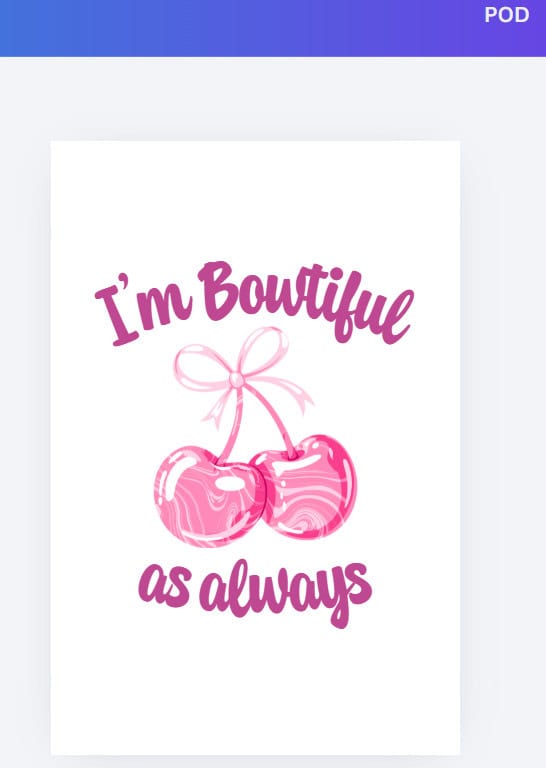
You do not need to be a professional graphic designer to start a print-on-demand business. Tools like Canva can help you create simple designs for your products. You can use text, shapes, illustrations, and other design elements to make products that appeal to your target customers.
Canva has both a free and paid (currently at $15/month) option that you can choose from.
Personalised products are another option. You might offer customers the chance to add a name, date, or short message to a design. Keep your designs clear and easy to read. Sometimes, a simple design with the right message works better than one filled with too many details.
Before using any graphics, fonts, or images, check that their licences allow your intended commercial use. Avoid using copyrighted characters, company logos, song lyrics, or other protected material without permission.
Your designs should be original and follow Etsy’s rules for products made with production partners.
Step 4: Choose a Print-on-Demand Company
After creating your designs, you need a company to print and ship your products.
Printify is one option worth considering. It offers a range of products, including clothing, mugs, bags, and home accessories.
You can upload your design, choose a product, and use the available tools to see how the finished item might look.
Printify works with print providers that produce and ship orders. This means you do not need to buy printing equipment or package products yourself.
Other print-on-demand companies are also available, so compare product prices, shipping costs, quality, and delivery times before choosing one.
It is a good idea to order samples when your budget allows. This helps you check the print quality, materials, and overall appearance before customers receive the product.
You should also check that your chosen provider can ship to the countries you want to sell to.
Step 5: Open Your Etsy Shop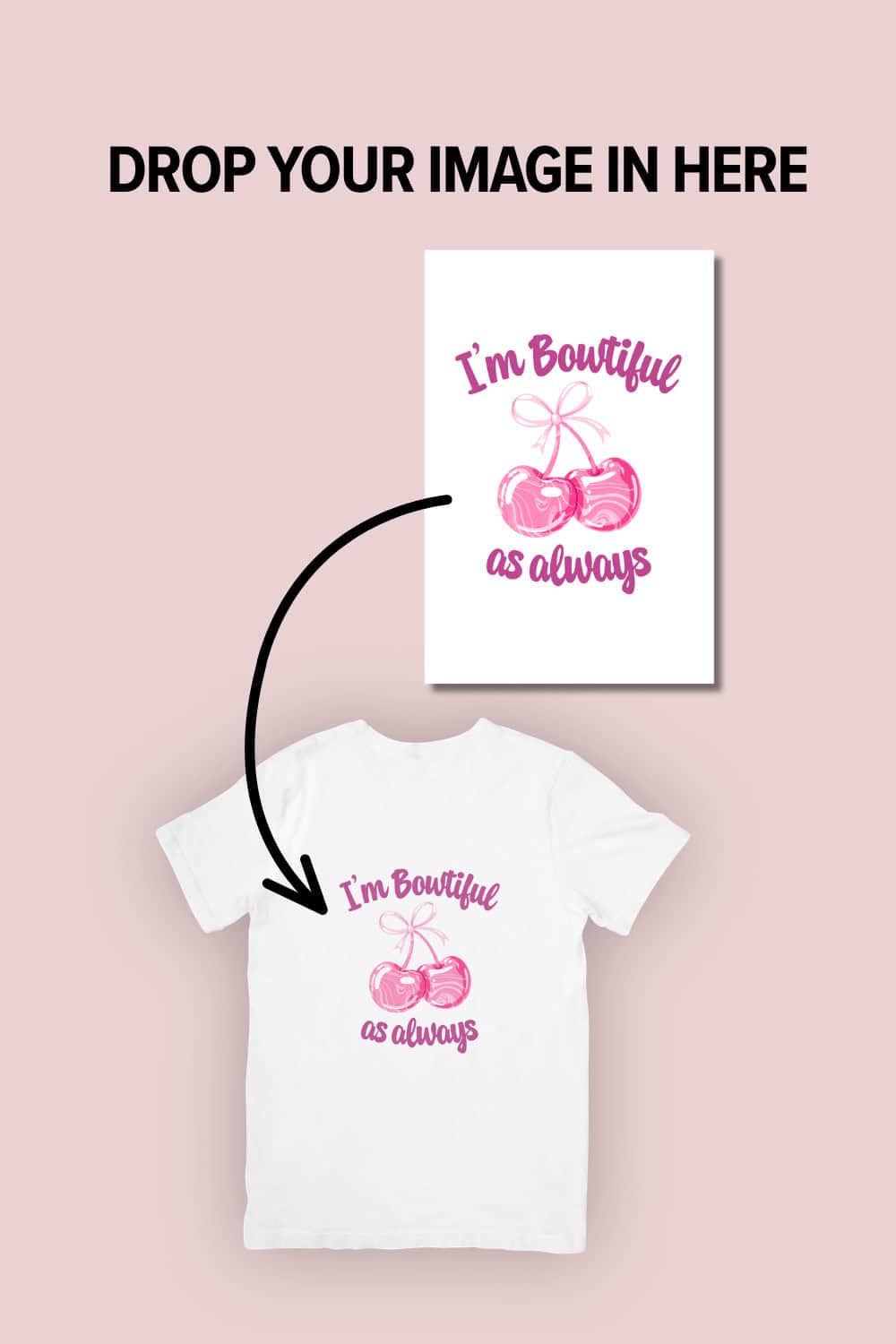
Now that you have your designs and a print-on-demand provider, it is time to set up your Etsy shop.
Create an Etsy account and follow the instructions to open your shop. Choose a shop name that is easy to remember and fits the products you plan to sell.
Next, create your product listings. Each listing should include clear product photos or mock-up images, a helpful title, a detailed description, and an accurate price.
Explain what the customer will receive, what the product is made from, and what size or colour options are available.
If you sell personalised products, make it clear how customers should provide their details.
You must also disclose your print-on-demand company as a production partner where Etsy requires it. Your products need to comply with Etsy’s current creativity standards and other seller policies.
Before opening your shop, review Etsy’s fees and payment rules so you understand the costs involved.
Step 6: Price Your Products for Profit
Setting the right price is important because making sales does not automatically mean you are making money.
Suppose you sell a printed mug for $18. Your production cost is $7, and shipping costs $4. That leaves $7 before Etsy fees, taxes, advertising costs, and any other expenses.
This is why you should calculate your costs before deciding on a selling price.
Include the product cost, shipping, applicable Etsy fees, payment processing fees, advertising expenses where relevant, and any other business costs.
Compare your price with similar products, but do not compete on price alone. Good designs, clear product descriptions, personalisation, and helpful customer service can make your products more appealing.
Your aim is to set a price that customers are willing to pay while leaving enough money to cover your costs and make a profit.
Step 7: Create Product Listings That Attract Buyers
Your product listing helps customers decide whether to buy from you.
Use a clear title that describes the product and includes relevant search terms. For example, a listing for a mug could target phrases such as “personalised teacher mug” or “teacher appreciation gift,” provided they accurately describe the item.
Add several high-quality images showing the product from different angles. Mock-ups can help customers understand how your design will look on the finished product.
Note: Mock-ups can be designed on Canva
Write descriptions that answer common questions about size, materials, personalisation, production, and delivery.
Choose relevant tags and categories to help Etsy understand what you are selling.
Avoid adding unrelated keywords just to attract more visitors. Your listing should match what customers are actually searching for.
Step 8: Promote Your Etsy Shop
You cannot always rely on customers finding your shop by chance.
Social media platforms such as Pinterest, Instagram, Facebook, and TikTok can help you show your products to potential buyers.
For example, you could create Pinterest pins featuring your gift designs or short videos showing how a personalised mug looks.
You can also prepare products around seasonal events. Start planning for Christmas, Mother’s Day, Father’s Day, and graduation season early enough to allow for production and delivery.
And that’s it! You are a Print-on-Demand Business Owner!
Conclusion
Making money on Etsy with print-on-demand can be a practical way to start an online business without managing stock or shipping orders yourself.
You can create designs using Canva, work with a service like Printify, and sell your products through an Etsy shop.
Start small, learn what your customers want, and improve your shop as you go.
With patience, careful planning, and consistent effort, you can build a print-on-demand business that has the potential to grow over time.
The post How to Make Money with Print-on-Demand appeared first on One Fine Wallet.