What if politics turned into the ultimate reality TV hit, complete with nonstop drama, viral feuds, and ratings gold? Well, it has.
Donald Trump didn’t just run for president; he transformed the game into a 24/7 spectacle that hooked the nation.
From his 2015 launch to his second term beginning in 2025, Trump’s playbook borrowed straight from entertainment, keeping him center stage while others faded.
The twists that built this empire? Buckle up—they’re wild.
Trump Entered Politics as a Celebrity First
Trump didn’t start from scratch in politics. He was already a TV icon thanks to The Apprentice, which launched in 2004 and drew up to 20.7 million viewers per week in its first season. That boardroom boss vibe made him feel familiar to millions.
When he announced his run in June 2015, no extreme policy intros were needed; voters already felt like they knew him. MediaQuant tracked nearly $2 billion in free coverage by early 2016—twice what Hillary Clinton got at that point.
Networks aired his rallies live, often uninterrupted, because they delivered ratings. Trump arrived with a ready-made image shaped by years of entertainment media.
Rallies Turned Into Must-See Events
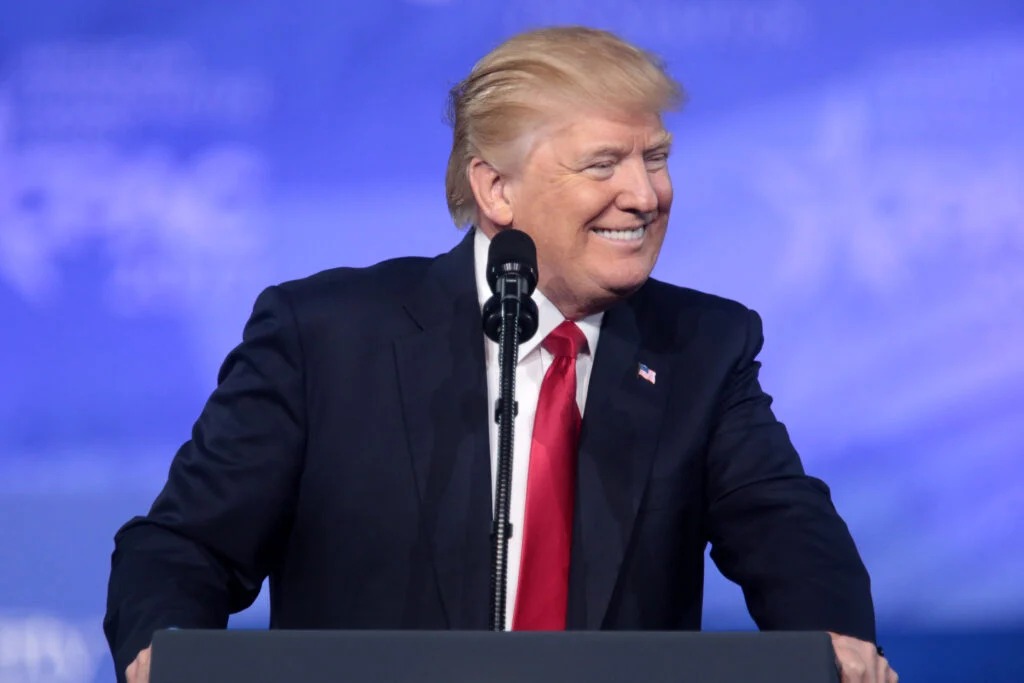
Trump’s rallies weren’t speeches; they were high-energy shows. No scripts, just nicknames for rivals, crowd hype, and off-the-cuff zingers that went viral fast.
Clips flooded cable news and social feeds, dominating cycles for days. Networks couldn’t resist the draw, often broadcasting full events uninterrupted.
Provocation paid off big. Outrage clicked, turning every gathering into fresh content that buried rivals’ messages.
Social Media Became the Main Stage
Trump mastered Twitter (now X) like no politician before. As president, he fired off posts announcing policies, slamming critics, and setting the daily agenda.
One famous example: His 2018 “Nuclear Button” tweet escalated tensions with Kim Jong-un in response to Kim’s New Year’s speech. Journalists scrambled, turning single posts into headlines.
This bypassed briefings entirely. Supporters got unfiltered access; critics fueled the fire. Governance mixed with performance in real time.
Conflicts as Content
Trump’s political style relied heavily on conflict. He publicly feuded with members of Congress, judges, journalists, business leaders, and even members of his own administration. These conflicts were rarely resolved quietly.

Each clash generated headlines, social media debates, and television panels. The constant tension kept Trump at the center of public attention, regardless of the topic.
Political communication experts have noted that conflict-driven messaging increases engagement. Trump consistently leaned into this dynamic, ensuring that even criticism amplified his visibility.
News Coverage Shifted Permanently
Trump’s presidency altered how political news is produced and consumed. Cable news networks devoted hours of daily coverage to his statements, legal issues, and personal behavior.
Traditional distinctions between hard news and opinion blurred. Panel discussions, breaking news alerts, and live reactions became standard even for relatively minor developments.
This environment rewarded speed and outrage over context. It also trained audiences to expect politics to be dramatic, personal, and emotionally charged at all times.
Supporters and Critics Became Audiences
One of the most significant changes Trump introduced was turning political participation into fandom. Supporters attended rallies wearing merchandise, repeating slogans, and treating Trump appearances like cultural events.
At the same time, critics followed his every move with equal intensity. Opposition to Trump became its own media ecosystem, generating books, podcasts, and constant analysis.
In both cases, attention never dropped. Politics became something people watched continuously, not just during elections or major legislative moments.
The Legacy That’s Still Playing Out
Trump’s influence extends beyond his own career. Other politicians now mimic his style, prioritize viral moments, and communicate directly through social media rather than traditional channels.
Campaigns increasingly focus on branding, personality, and constant engagement. Policy discussions still matter, but they often compete with spectacle for attention.
Whether admired or criticized, Trump demonstrated that modern politics operates under the same rules as entertainment. Visibility drives power. Conflict fuels engagement. And once politics goes entertainment, the credits never roll.
What do you think?