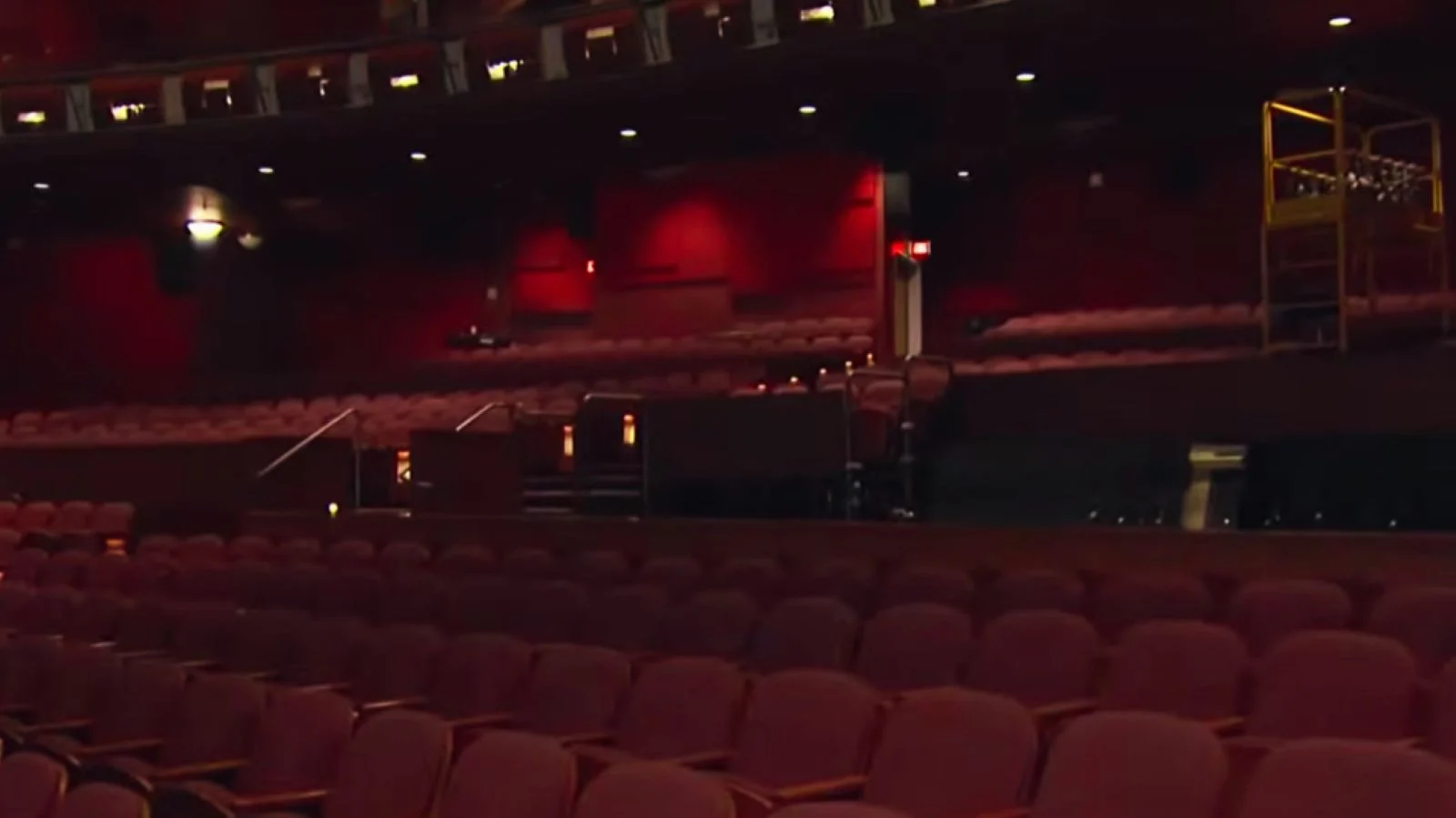
Tomorrow night, Conan O’Brien will walk back onto the Dolby Theatre stage, and Hollywood will once again ask the country to treat the Oscars like a national event. On paper, it still looks big. The stars will show up. The red carpet will flood social media before the first award is handed out. Someone will cry. Someone will bomb. Someone will become a meme before the show is even over. And somewhere around 20 million people may tune in, which sounds respectable until you remember the Oscars used to pull more than 55 million.
That is the part Hollywood never quite knows how to talk about.
The Oscars are not dead. They are just no longer consumed the way the Academy keeps pretending they are. Hollywood still packages the ceremony like it is church. The audience increasingly treats it like leftovers. Not one sacred live-TV ritual, but a pile of moments to pick through later. A monologue clip on X. A red-carpet interview on TikTok. A speech on Instagram. A best-dressed slideshow before bed. A group chat debate Monday morning.
That gap is the whole story. The number that matters is not just how many people still watch. It is how they watch now.
Last year’s Oscars drew 19.7 million viewers, the biggest audience in five years. That is enough for the Academy to claim momentum. It is also nowhere near the 55 million-plus who watched when Titanic dominated. The ceremony did not die. It shrank, then stabilized at a much lower altitude.
And that is where the fake debate starts every year. The industry points to the rebound and says people still care. The cynics point to the long decline and say nobody cares. Both sides are asking the wrong question.
An AP-NORC poll last year found that about half of U.S. adults said they had watched all or most of at least one awards show in the previous year. Slightly more, 55 percent, said they had watched clips from an awards show. That is the shift in one number. The audience did not vanish. It fragmented.
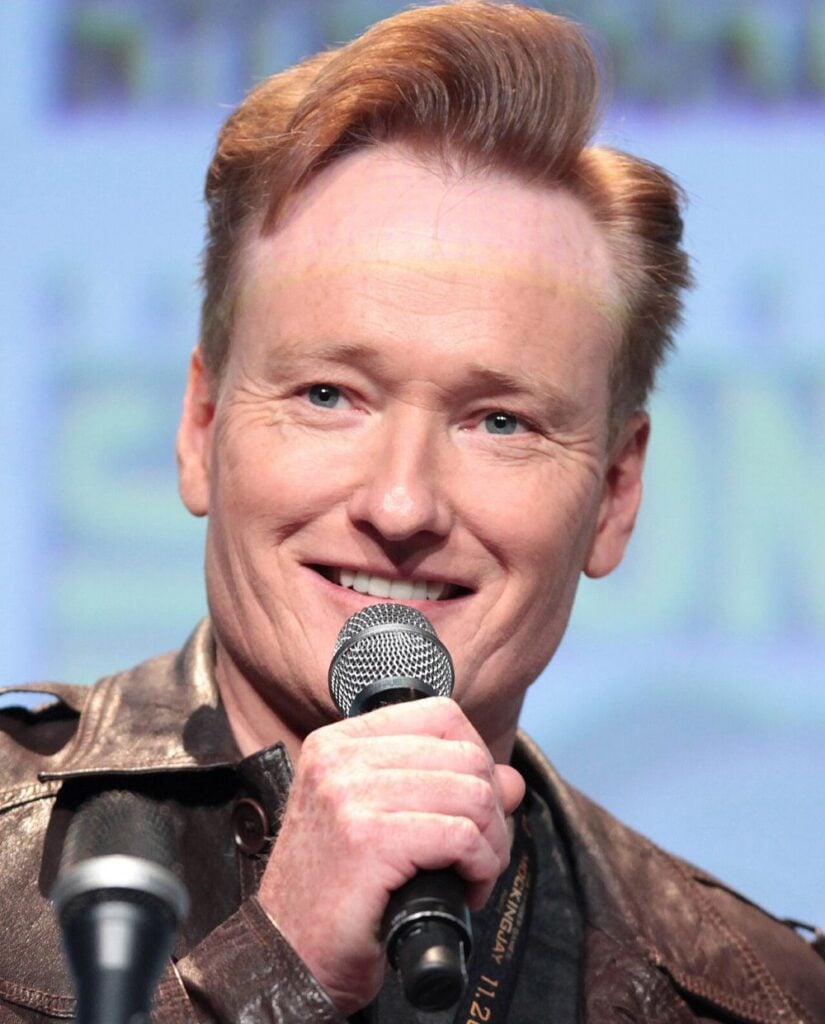
If you watched Conan’s opening on your phone, checked the dresses in a slideshow, caught the most awkward acceptance speech in your feed, and looked up the winners the next morning, did you watch the Oscars?
For a growing share of the audience, the answer is yes.
That is why the show can feel faintly absurd now. Hollywood still sells the Oscars as a grand, shared act of cultural attention. The public increasingly experiences them as raw material. The live broadcast is often no longer the main event. It is the source file. The real event happens after, on phones, in clips, in recaps, in posts, and in arguments between people who did not actually sit through the same telecast.
The Academy already knows this, which is why its behavior keeps giving away the game. The 98th Academy Awards will air Sunday at 7 p.m. ET on ABC and Hulu, with O’Brien back as host. The Academy has also leaned harder into digital-first personalities like Amelia Dimoldenberg, who is returning for a third year as social media ambassador and red-carpet correspondent. That is not the move of an institution that thinks the main telecast is enough. It is the move of an institution that knows attention now lives everywhere else, too.
Then there is the bigger admission. Starting in 2029, the Oscars will move from ABC to YouTube. Free. Global. Built for reach, replay, clips, and shareability. That is not a minor distribution tweak. It is a confession. The future of this institution is no longer built around the old fantasy of everybody gathering around the same television at the same time.
Plenty of people still care. They just care selectively, opportunistically, and often secondhand. They care about the joke that bombs. The upset that sparks outrage. The speech that gets clipped. The quote that becomes Monday’s headline. The look that divides the internet before the ceremony is even over.
In other words, people still want the Oscars. They just may not want the Oscars as a full-length television experience.
Hollywood keeps asking how to bring the audience back to the old model. That may be the wrong question entirely.
The more uncomfortable one is this: If most people now experience the Oscars through fragments, reactions, and next-day discourse, is sitting through the entire ceremony actually the least relevant way to watch it?