In Hollywood, you are only as good as your last opening weekend. One day, you’re the industry’s golden child, and the next, you’re a cautionary tale discussed in hushed tones at the Polo Lounge. For some stars, a single “risky” role, like a drug-fueled cameo or a masked mercenary, acts as a career defibrillator, shocking their relevance back to life. For others, a poorly timed comedy or a $100 million shipwreck becomes a professional anchor, dragging even the brightest A-list reputations into the depths of “where are they now?” lists.
We are breaking down the high-stakes gambles that redefined the trajectories of eight Hollywood icons, proving that in Tinseltown, the line between a legendary second act and a permanent exit is thinner than a red carpet.
Neil Patrick Harris
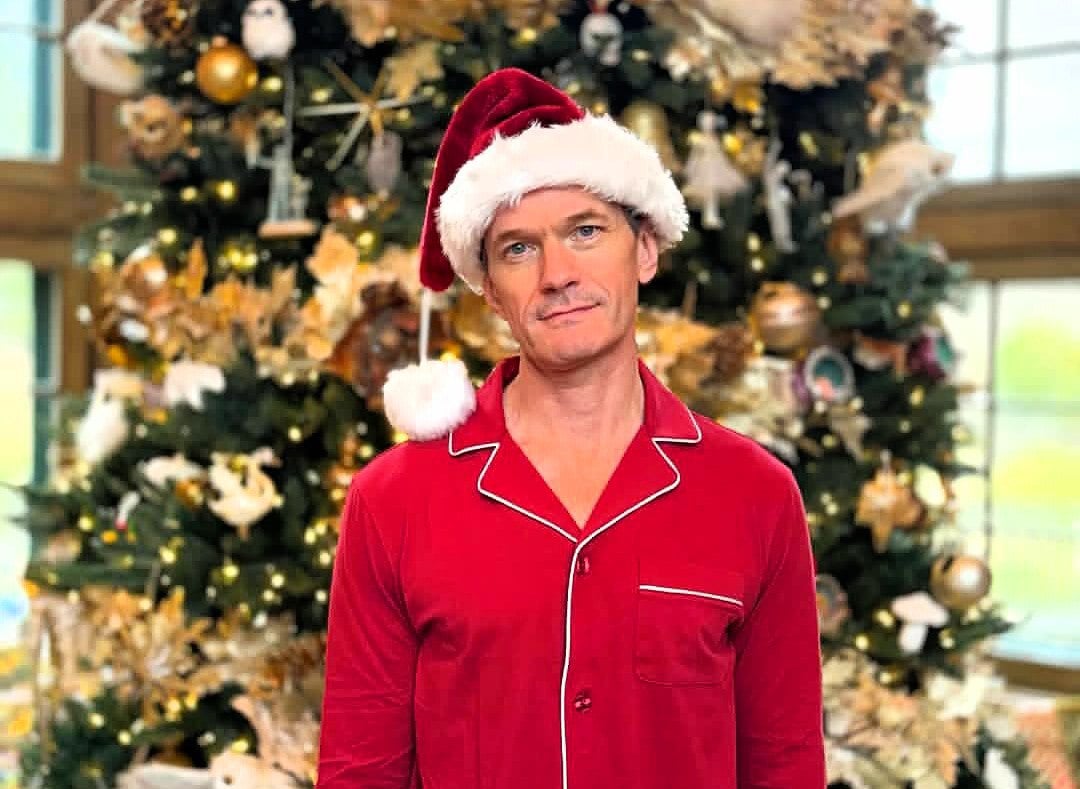
For over a decade, Neil Patrick Harris was the poster child for the “former child star” trap. After Doogie Howser, M.D. wrapped in 1993, Harris found himself primarily known for the stethoscope he’d long since hung up. That all changed with a 2004 cult comedy about two guys looking for sliders.
In Harold & Kumar Go to White Castle, Harris played a fictionalized, hyper-aggressive, drug-fueled version of himself. It was a masterclass in image subversion. By leaning into a hedonistic caricature, Harris proved he had the comedic range to move beyond his wholesome “Doogie” roots. As Reddit user ccarpenter9726 noted, while it wasn’t a “great role” in terms of screen time, it “put him back on the Hollywood radar.”
This bold risk was the direct catalyst for his casting as the legendary Barney Stinson in How I Met Your Mother. Industry reports confirm that the creative team specifically looked at his Harold & Kumar performance as proof that he could play a lovable, suit-wearing sociopath.
Jessica Lange

Jessica Lange was already a titan of the industry with two Oscars when she entered the 2010s, but she was arguably entering a “pre-retirement” phase. Then came Ryan Murphy. When American Horror Story premiered in 2011, it didn’t just give Lange work; it gave her a brand-new generation of fans.
Lange’s portrayal of Constance Langdon in Murder House reminded audiences of her terrifyingly sharp dramatic instincts. She became the cornerstone of the franchise, winning two Emmys across her four-season run. Fans on Reddit, including user BrazilianMerkin, agree that “AHS definitely brought her back into the forefront.”
Interestingly, Lange originally intended to retire after the fourth season, Freak Show. However, her creative partnership with Murphy proved too fruitful to quit. She eventually returned for Apocalypse and went on to star in Feud: Bette and Joan. As of early 2026, excitement is peaking as reports from Ryan Murphy Productions social media confirm her return for the show’s 13th season, a move many thought would never happen after her 2025 comments stating, “Christ, no” to a return.
Keanu Reeves
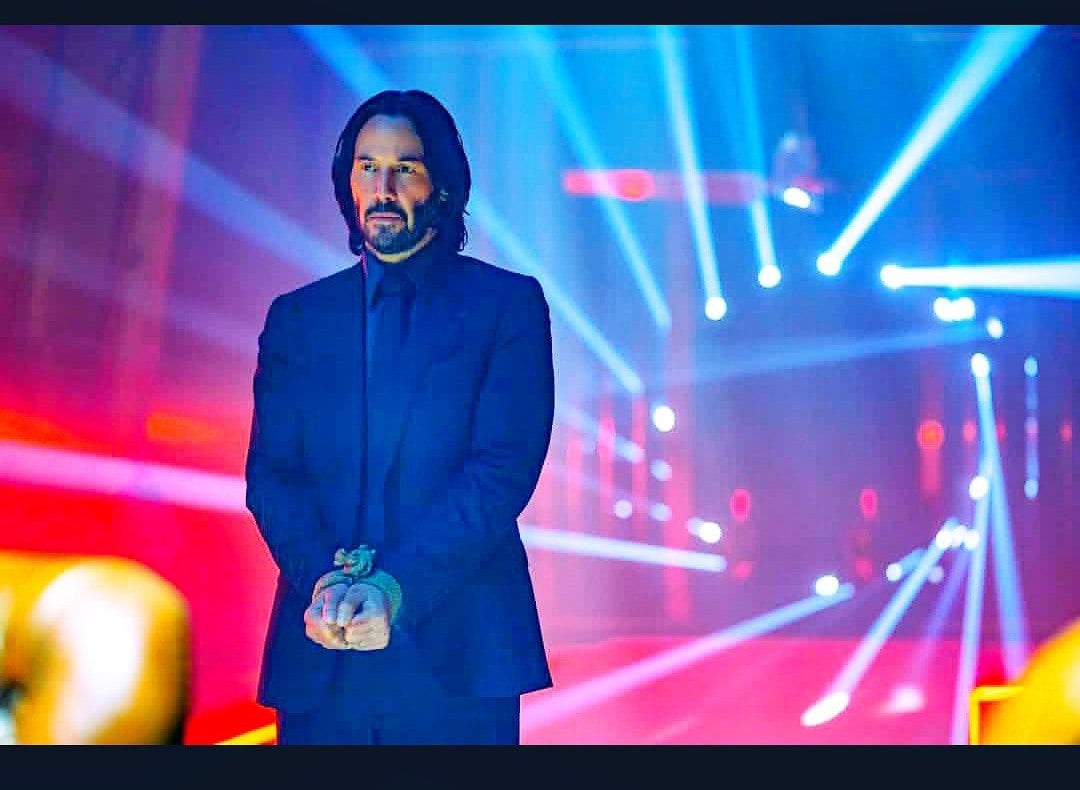
Before 2014, the “Keanu-ssance” was a distant dream. After the Matrix sequels concluded, Reeves entered a period defined by quiet indie projects and films like 47 Ronin that failed to capture the zeitgeist. Online chatter at the time frequently “clowned on him for being a bad actor,” as Reddit user baberlay points out.
Then came John Wick. The film’s lean, stylish approach to action was the perfect vessel for Reeves’ Zen-like intensity. It didn’t just relaunch his career; it redefined the modern action genre. According to reports, the film was born from a spec script titled Scorn, and few expected it to launch a multi-billion-dollar franchise.
Today, the “Keanu is the best” sentiment is so ubiquitous that many fans have effectively “erased” the decade where he struggled to find his footing. He didn’t just return; he became the most protected man on the internet.
Ryan Reynolds
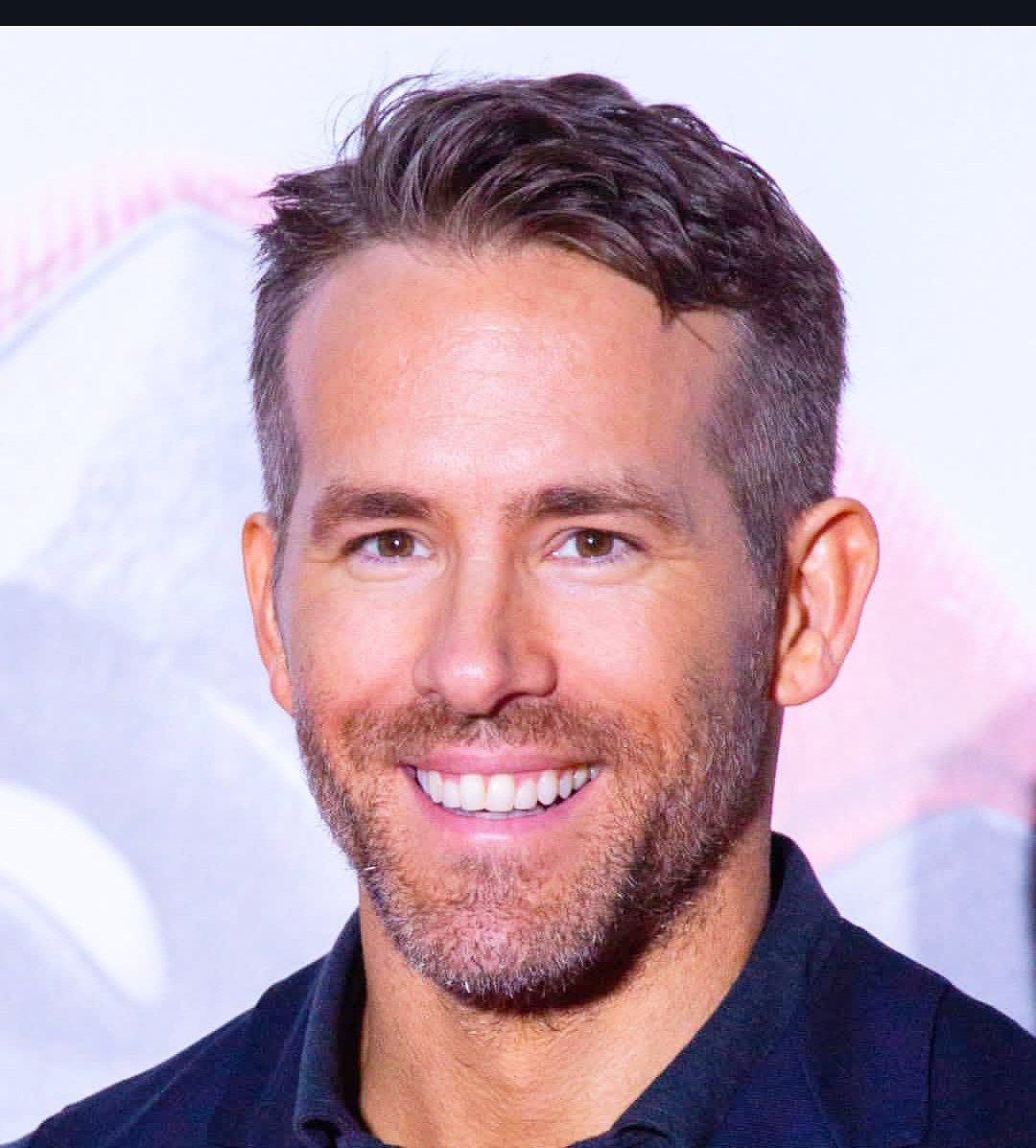
If there is a textbook example of a “career-killing” movie that was somehow survived, it’s Ryan Reynolds and Green Lantern (2011). The film was a critical and commercial disaster, plagued by infamous CGI and a script that failed to land. For years, Reynolds was seen as “the guy who couldn’t launch a franchise.”
However, Reynolds’ relentless passion for Deadpool and the “accidental” leak of test footage saved him. Deadpool (2016) allowed Reynolds to lean into the meta-humor he’s now famous for, often making self-deprecating jokes about the Green Lantern suit.
As Reddit user Locksley_1989 put it, his career was “destroyed by Green Lantern and revived by Deadpool.” Reynolds didn’t just get a second chance; he gained enough leverage to become a mogul, proving that owning your failures can be the most effective PR move in the book.
Joseph Gordon-Levitt
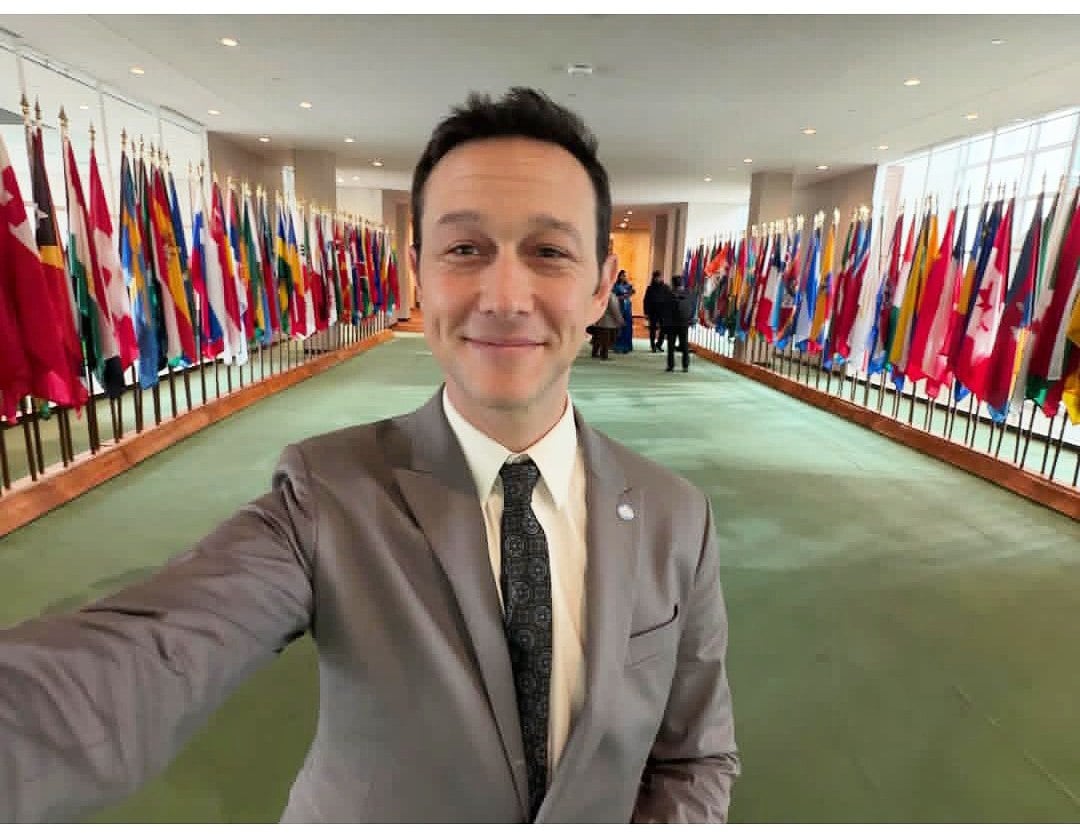
Joseph Gordon-Levitt was the “it” boy of 2012. Between The Dark Knight Rises and Looper, he was everywhere. Then came Premium Rush. While the film received decent reviews, it marked a shift in his visibility that some fans believe he never quite recovered from.
The production was notoriously grueling. In 2010, Gordon-Levitt famously crashed into a taxi while filming a bike stunt, requiring 31 stitches. Footage of the bloody aftermath was even included in the film’s credits. While the movie cemented his reputation for dedication, it preceded a period where he moved away from major leading man roles to focus on his platform, HitRecord, and more niche projects.
Online speculation, such as comments from MaddenRob on Reddit, suggests he’s “not as popular as he was after that movie.” While Gordon-Levitt remains a respected actor, he hasn’t quite reclaimed the blockbuster “leading man” throne he held during his 2012 peak.
Eddie Murphy
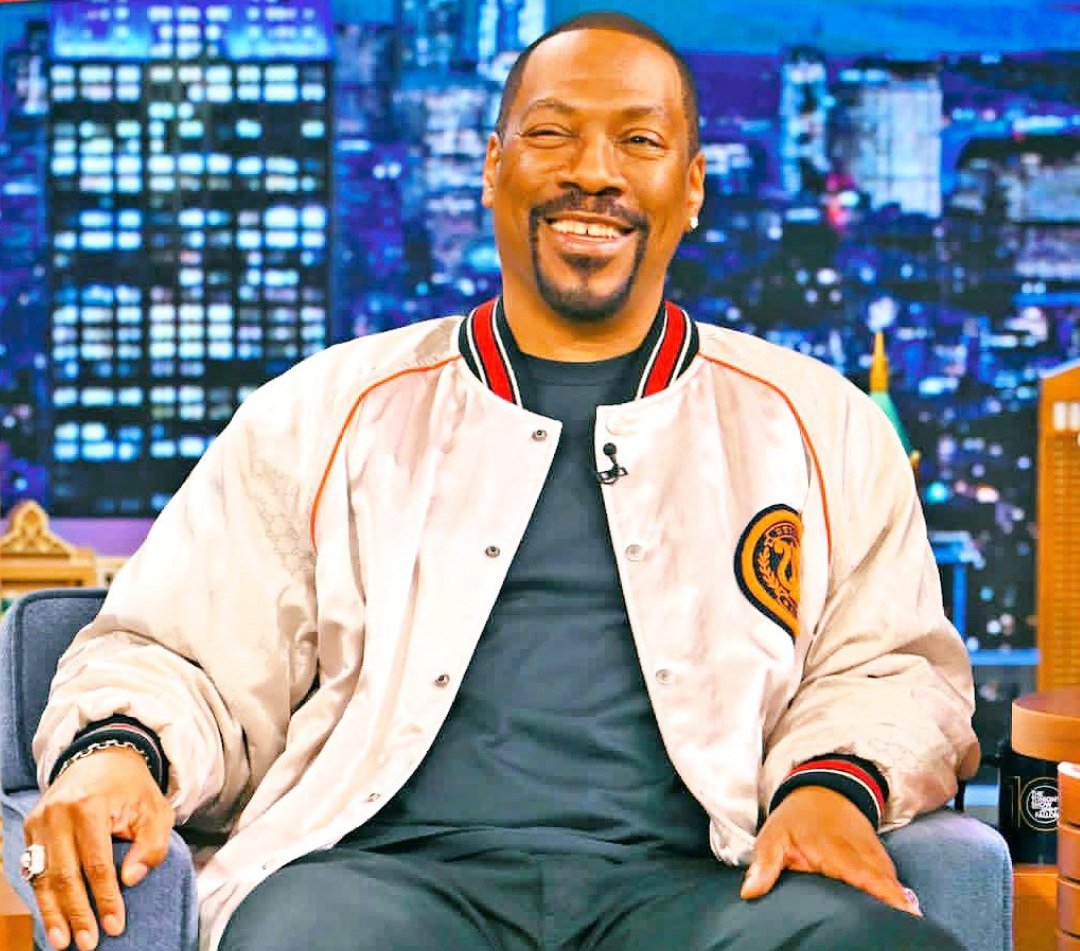
In 2007, Eddie Murphy was the undisputed frontrunner for the Best Supporting Actor Oscar for his career-defining work in Dreamgirls. He had the Golden Globe and the SAG Award in hand. Then, one week after his Oscar nomination was announced, Norbit hit theaters.
The “Norbit Effect” is now a recognized Hollywood phenomenon. The contrast between the high-brow acclaim of Dreamgirls and the low-brow, critically panned comedy of Norbit reportedly gave Academy voters “whiplash.” Voters seeing billboards for Murphy in a fat suit while they were weighing his “serious” performance likely cost him the win.
Alan Arkin took the trophy for Little Miss Sunshine, and Murphy famously left the ceremony early. While he has since had a “comeback” with Dolemite Is My Name, the 2007 loss remains one of the most cited examples of bad timing in award season history.
Hayden Christensen
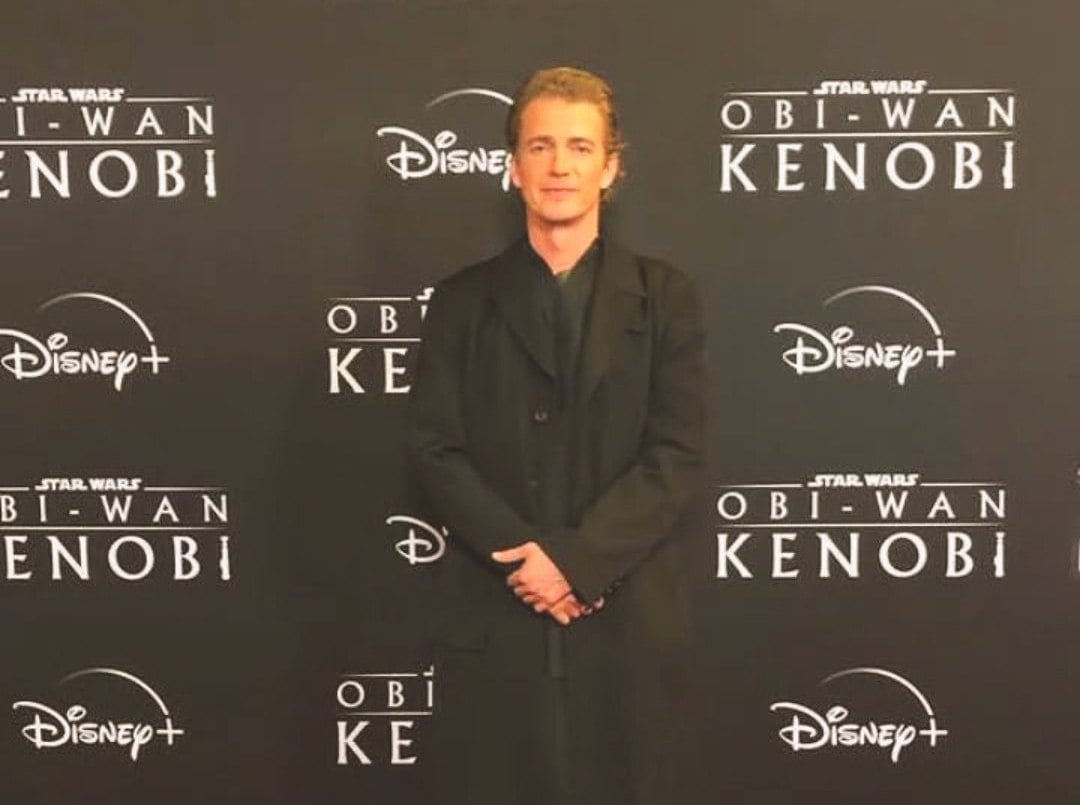
Hayden Christensen had the world at his feet after Life as a House, but playing the most iconic villain in cinema history proved to be a double-edged lightsaber. The critical drubbing of the Star Wars prequels, particularly Attack of the Clones (2002), focused heavily on Christensen’s performance and the “stilted” dialogue.
The actor eventually retreated from the spotlight, purchasing a farm in Ontario. He told reporters he felt his fame was “too handed to him” and he wanted to “earn” his way back. While he worked steadily in B-movies and indies for years, he was largely written off by major studios.
However, the narrative has shifted in the 2020s. A “vocal subset of Star Wars fans,” primarily Millennials who grew up with the prequels, have reclaimed him as a hero. His return in Obi-Wan Kenobi and Ahsoka has been met with emotional standing ovations, proving that while Attack of the Clones may have stalled his trajectory in the 2000s, “patience” (as Christensen himself said) eventually led to a heartfelt redemption.
Geena Davis

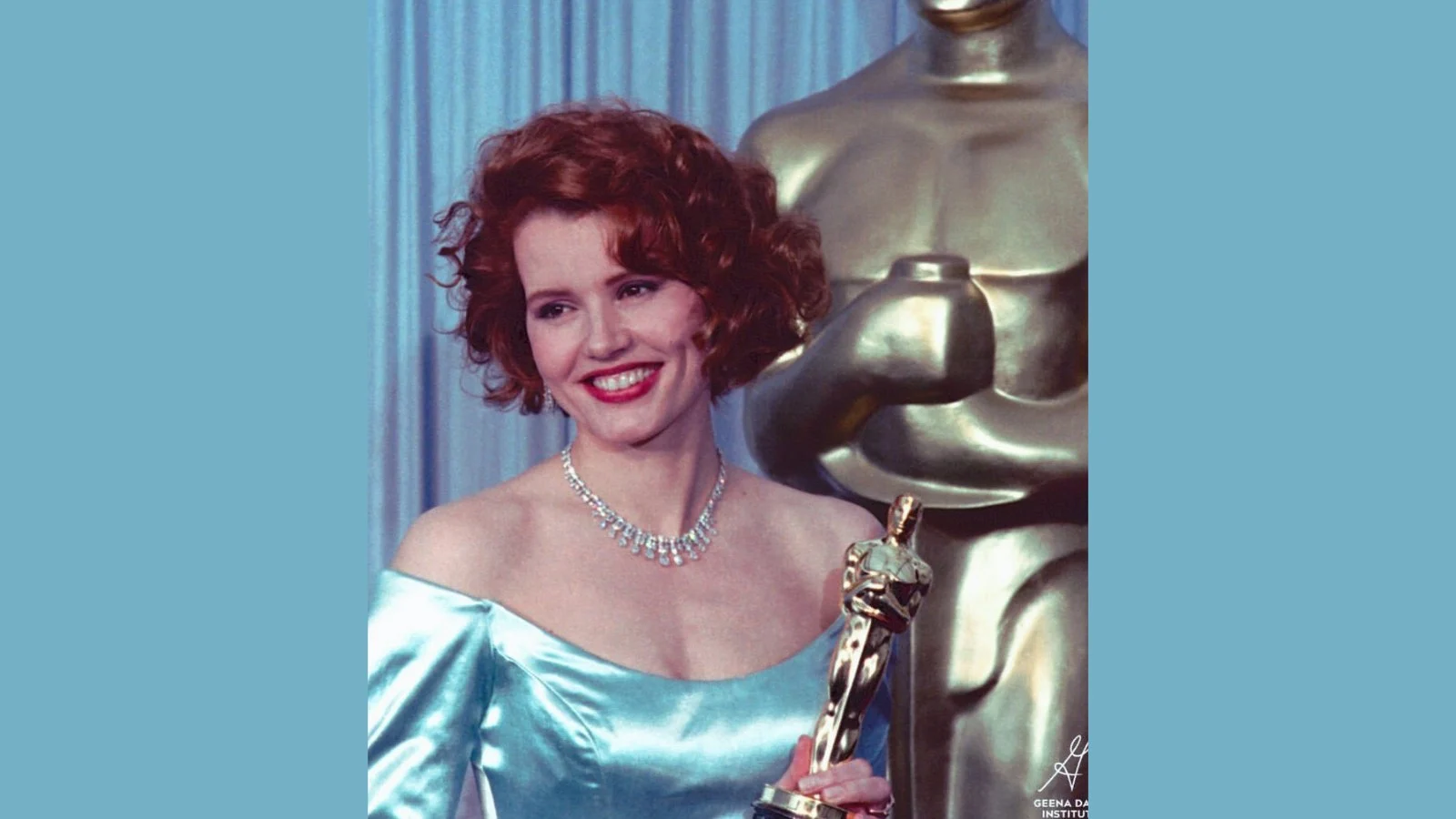
In 1995, Geena Davis was an Oscar-winning star with hits like Thelma & Louise and A League of Their Own. Then she starred in Cutthroat Island, a pirate epic directed by her then-husband Renny Harlin. The film didn’t just flop; it bankrupted Carolco Pictures and held the Guinness World Record for the “largest box office loss.”
The fallout was immediate. Davis, who was meant to be established as an action star, found that roles “dried up” almost overnight.
“I was getting offers, but for nothing meaty or interesting like in my 30s,” Davis recalled. While she has remained an influential figure through the Geena Davis Institute on Gender in Media, her days as a bankable Hollywood box-office lead effectively ended with that shipwreck.