Maine families using public assistance lost more than $100,000 after EBT card information was cloned and used for unauthorized withdrawals and purchases, according to federal records cited by local reports.
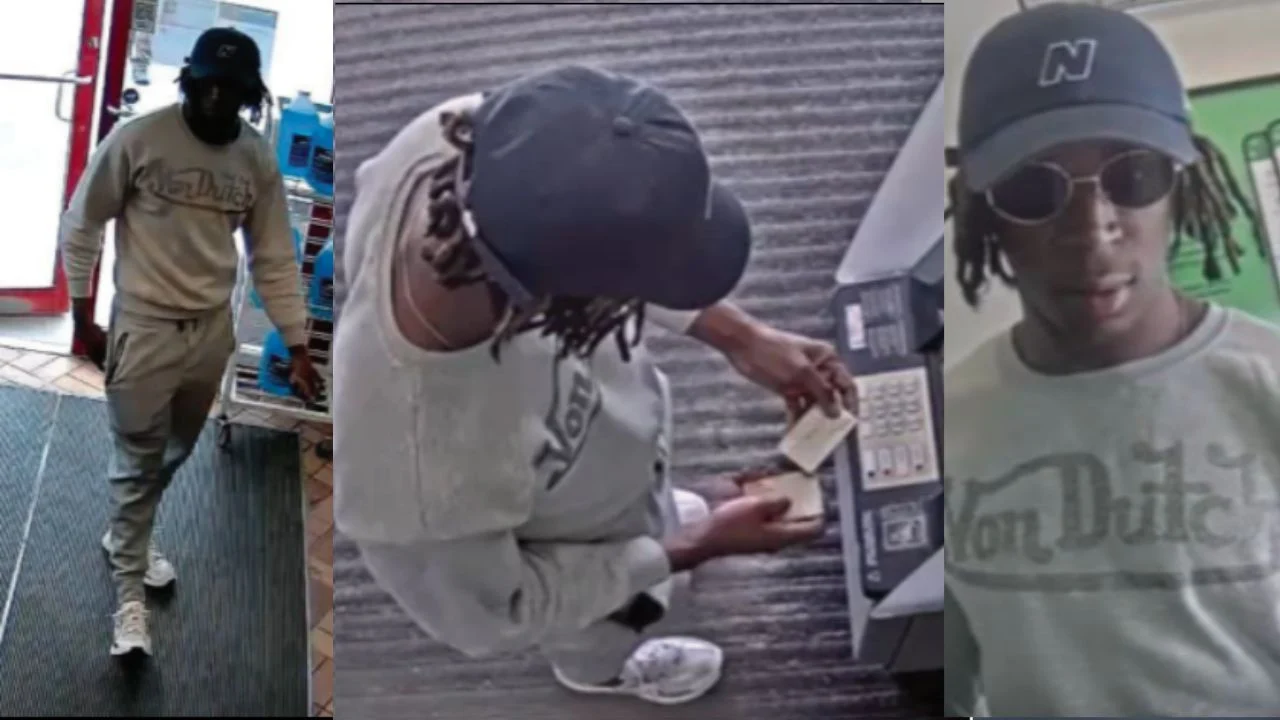
WGME reported that investigators arrested Jeronimo Mavungo Raymond of Auburn after tracing surveillance footage from ATMs, a restaurant, and a convenience store. Bangor Daily News, republishing Maine Trust for Local News reporting, identified him as Jeronimo Mavungo-Raymond, 24, and said he made a first court appearance Wednesday after being arrested by the U.S. Marshals Service.
Federal investigators believe Maine has lost $103,860 through unauthorized welfare spending linked to roughly 111 recipients’ cards, according to Bangor Daily News. More than $40,000 was lost on May 1 alone, the report said, citing federal court records.
The charges and accusations against Mavungo-Raymond have not been proven in court.
Investigators Say the Victims Still Had Their Real Cards
The case began at a Bank of America ATM in South Portland, where surveillance video showed Mavungo-Raymond withdrawing $560 with a cloned EBT card, according to WGME. Six minutes later, cameras at a nearby TD Bank captured him again, this time holding multiple cards investigators believed were cloned EBT cards while withdrawing another $680.
Investigators later tied him to a small purchase at New York Fried Chicken in Portland using one of the cloned cards, WGME reported. Surveillance footage at a Big Apple convenience store showed him in the same clothing, and investigators identified his vehicle and traced its registration back to him.
The important detail for cardholders is that the victims had not physically lost their cards. Investigators said they knew the cards were cloned because both victims still had their original EBT cards and had not shared their card information.
Two Recipients Had Children in Their Households, Report Says
Bangor Daily News reported that at least two of the original cards belonged to Maine residents with minor children who receive Temporary Assistance for Needy Families, known as TANF. TANF provides cash assistance and employment support for very low-income families with dependent children.
According to the affidavit summarized by Bangor Daily News, two TANF recipients began receiving alerts after May 1 that their cards were being used for unauthorized transactions. One reported a $560 ATM withdrawal in South Portland and a $9.99 transaction at New York Fried Chicken in Portland.
Federal investigators also obtained surveillance footage from another bank ATM, where they said Mavungo-Raymond withdrew $680 using a cloned card tied to another recipient whose household included a child younger than 12. That recipient told a Maine DHHS employee they had not made the withdrawal, Bangor Daily News reported.
Maine Had Already Seen a Larger EBT Theft Wave
Lindsay Hammes, a spokesperson for the Maine Department of Health and Human Services, confirmed to Bangor Daily News that the department helped start an investigation with federal officials.
Hammes said Maine blocked Maine-issued EBT accounts from making out-of-state purchases in every state except Maine, New Hampshire, and Vermont as of August 2025 to reduce large-scale theft and cloning.
The state had already warned about a broader EBT theft wave in August 2025. Maine DHHS said then that about 300 households had been affected by the theft of roughly $76,000 in SNAP benefits.
That incident appeared to involve stolen card numbers and PINs, sometimes called cloning, rather than one localized skimming device, according to Maine DHHS. The department said benefits had been stolen through fraudulent point-of-sale devices registered in New York, California, Pennsylvania, and New Jersey.
EBT Card Cloning Can Drain Benefits Without Taking the Card
WGME noted that the U.S. Department of Health and Human Services describes EBT card cloning as a common form of fraud that lets thieves steal benefits without physically taking the recipient’s card.
That is what makes the warning important for families using food or cash assistance. A person may still have the real card, then open the app or try to buy groceries and find that benefits have already been withdrawn or spent somewhere else.
In the Maine case, federal investigators said cloned cards were used for ATM withdrawals and purchases. Bangor Daily News reported that an investigator for the U.S. Department of Agriculture wrote in an affidavit that people had been cloning cards and using them to make large withdrawals from ATMs across Maine and New Hampshire.
How Maine EBT Recipients Can Protect Their Accounts
State officials reminded EBT recipients that DHHS will never call or text asking for an EBT card number or PIN, according to WGME. Anyone who believes they may have shared that information with a scammer should contact the Office for Family Independence.
Maine DHHS has urged EBT users to use the lock/unlock feature in the ebtEDGE app or online, block out-of-state or online transactions if they are not regularly needed, review account activity, and change PINs regularly.
Recipients should avoid easy PINs such as 0000, 1234, birthdates, or repeated numbers. Changing the PIN before benefits are issued can also reduce the chance that stolen card data will still work when funds arrive.
Anyone who sees an unauthorized EBT transaction should report it immediately, request a new card if needed, change the PIN, save screenshots of account activity, and keep any alerts or messages tied to the suspected fraud. Families who rely on benefits for food or cash assistance should also contact the state quickly to ask what freeze, replacement, or emergency support options are available.