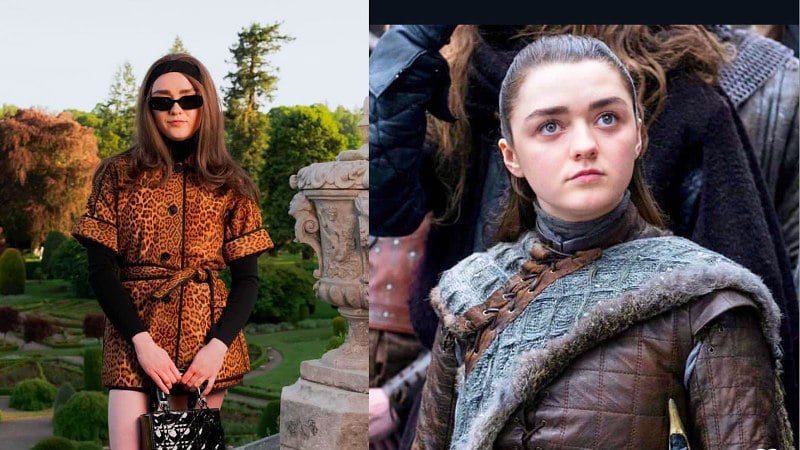
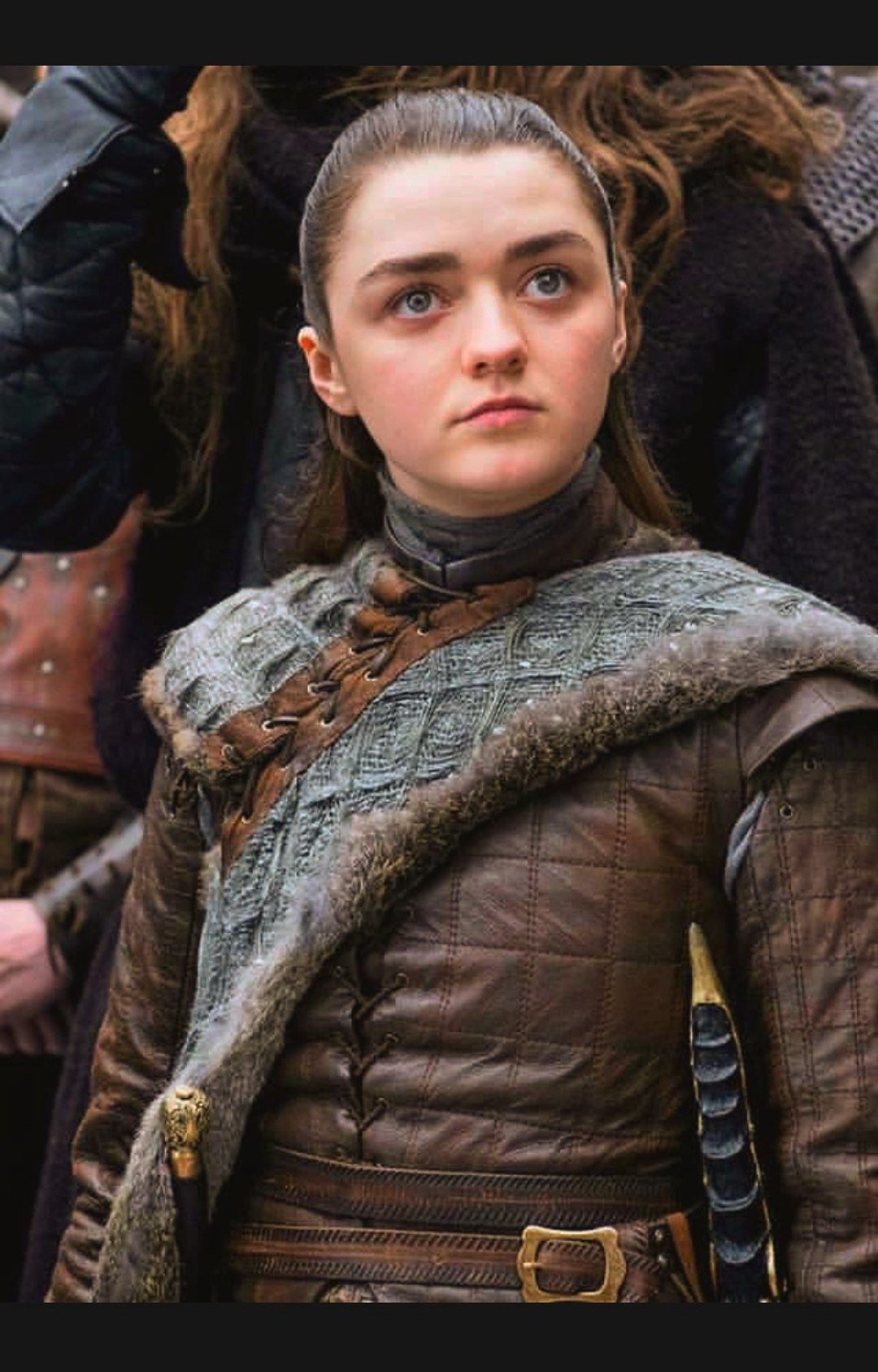
In a move that has sent shockwaves through the Seven Kingdoms and social media, HBO is officially sailing “West of Westeros.” According to a bombshell report from The Hollywood Reporter, the network is in the “very early development” stages of a Game of Thrones sequel series centered on the fan-favorite assassin Arya Stark, portrayed in the original series by Maisie Williams.
This news comes on the heels of the official collapse of the long-gestating Jon Snow spinoff, a project that was reportedly shelved after HBO executives and star Kit Harington couldn’t align on a creative direction that wasn’t, well, overwhelmingly depressing. While George R.R. Martin has remained characteristically coy about the unannounced project, the trade report confirms that HBO has already tapped a high-profile writer to steer the ship: Quoc Dang Tran, the creative force behind the critically acclaimed Apple TV+ series Drops of God.
A New Voyage: Why Arya Stark is the Future of the Franchise
The transition from a Jon Snow-led sequel to an Arya-centric adventure marks a significant pivot for HBO as it attempts to maintain the momentum of the Game of Thrones brand. For years, fans have speculated about what exactly lies “West of Westeros,” the mysterious horizon Arya set sail for in the polarizing 2019 series finale.
Unlike the prequel series House of the Dragon or the upcoming A Knight of the Seven Kingdoms, an Arya Stark series would represent the first true live-action sequel, continuing the story of a character whose fate was left entirely open-ended. The news is particularly poignant now, as the industry enters a “Marvel-style roadmap” era for Westeros, with seasons planned out through 2028.
By shifting the focus to Arya, HBO is seemingly leaning into a more “adventure-of-the-week” or exploratory tone, potentially moving away from the heavy political machinations of King’s Landing and toward the lush, uncharted territories of the continent of Essos.
The choice of Quoc Dang Tran as the lead writer is a telling indicator of the show’s potential direction. Tran’s work on Drops of God was praised for its intricate, character-driven storytelling and its ability to bridge different cultures and languages, skills that would be vital for a show set in the diverse and sprawling continent of Essos. While no actors are currently cast, and it is important to note that Maisie Williams has not yet officially signed on, the mere existence of a writer on board suggests that HBO is serious about this replacement project.
The network is reportedly “keenly aware of how high the bar of execution needs to be,” especially following the mixed reception to the final season of the original show. By focusing on Arya, a character who transcended her “tomboy” origins to become the hero who slew the Night King, HBO is betting on a character with immense “built-in” goodwill. This project could potentially serve as a “soft reboot” for the post-series era, providing an accessible entry point for new viewers who might be intimidated by the dense lore of the Targaryen prequels.
The prospect of seeing Arya navigate the Mediterranean-like lands of Essos, perhaps utilizing her Faceless Men skills in a new context, offers a narrative freshness that the franchise has lacked since the main series concluded. However, as with all “early development” projects, the road to a greenlight is long, and fans are cautioned that this is currently a creative exploration rather than a production-ready series.
The Death of “Snow”: Why Kit Harington’s Vision Was Too Dark for HBO
While the Arya news has brought excitement, it simultaneously serves as the final nail in the coffin for “Snow,” the Jon Snow sequel that had been the subject of rumors since 2022. Today’s detailed report includes startling new details about why the project ultimately faltered. It appears that Kit Harington, who personally championed the series and worked with writers from his drama Gunpowder, envisioned a take on the character that was perhaps too “gritty” even for the network that brought us the Red Wedding.
Harington’s pitch reportedly saw Jon Snow living as a “broken man with PTSD” in the aftermath of his exile beyond the Wall. In this version of the story, Jon had discarded his iconic Valyrian steel sword, Longclaw, and had even chased off his faithful direwolf, Ghost. The narrative loop involved Jon building cabins in the frozen wilderness only to burn them down in a cycle of self-destruction and grief.
Most shockingly, Harington reportedly didn’t want to play a traditional hero and intended for the series to end with Jon Snow’s permanent death, a creative choice that HBO reportedly “baulked” at, considering the pitch too downbeat for a major franchise tentpole.
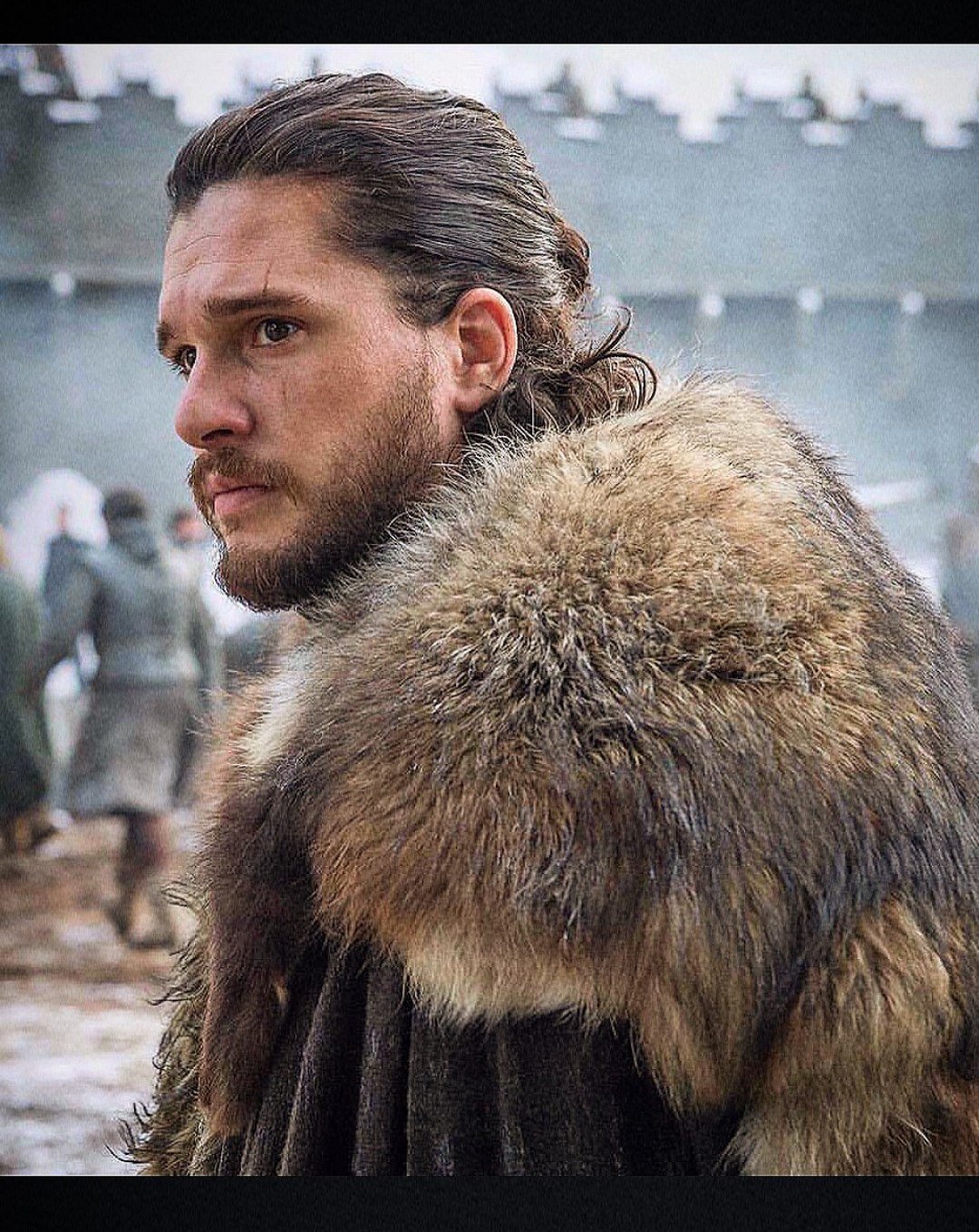
The fallout from this creative disagreement seems to have been significant. In the years since the project was first discussed, Harington has grown increasingly vocal about his desire to distance himself from the role. Last month, when asked by Variety if he would consider reprising the character for an audiobook, Harington gave a blunt response that went viral: “No, god no. I don’t wanna go anywhere near it. I spent 10 years doing that. Thanks, I’m alright.”
This “thanks, but no thanks” attitude from the man who is Jon Snow effectively ended any hopes of the series moving forward in its original form. Sources suggest that while the character of Jon Snow would have provided an easy, geographically separate route back into the world of Thrones, the psychological weight Harington wanted to bring to the character was at odds with the network’s desire for a more “invigorating” franchise expansion.
The “broken man” narrative, while perhaps artistically resonant for Harington, posed a commercial risk for a network looking to sustain a “Marvel-like” universe. The contrast between Harington’s dark vision and the proposed Arya Stark project is stark (no pun intended); where Jon’s story was one of isolation and trauma, Arya’s “West of Westeros” voyage is inherently one of discovery and agency. This shift in tone suggests that HBO is prioritizing forward-looking adventure over a somber reflection on the past.
The Martin Manifesto: Rumors, Realities, and the Road to 2028
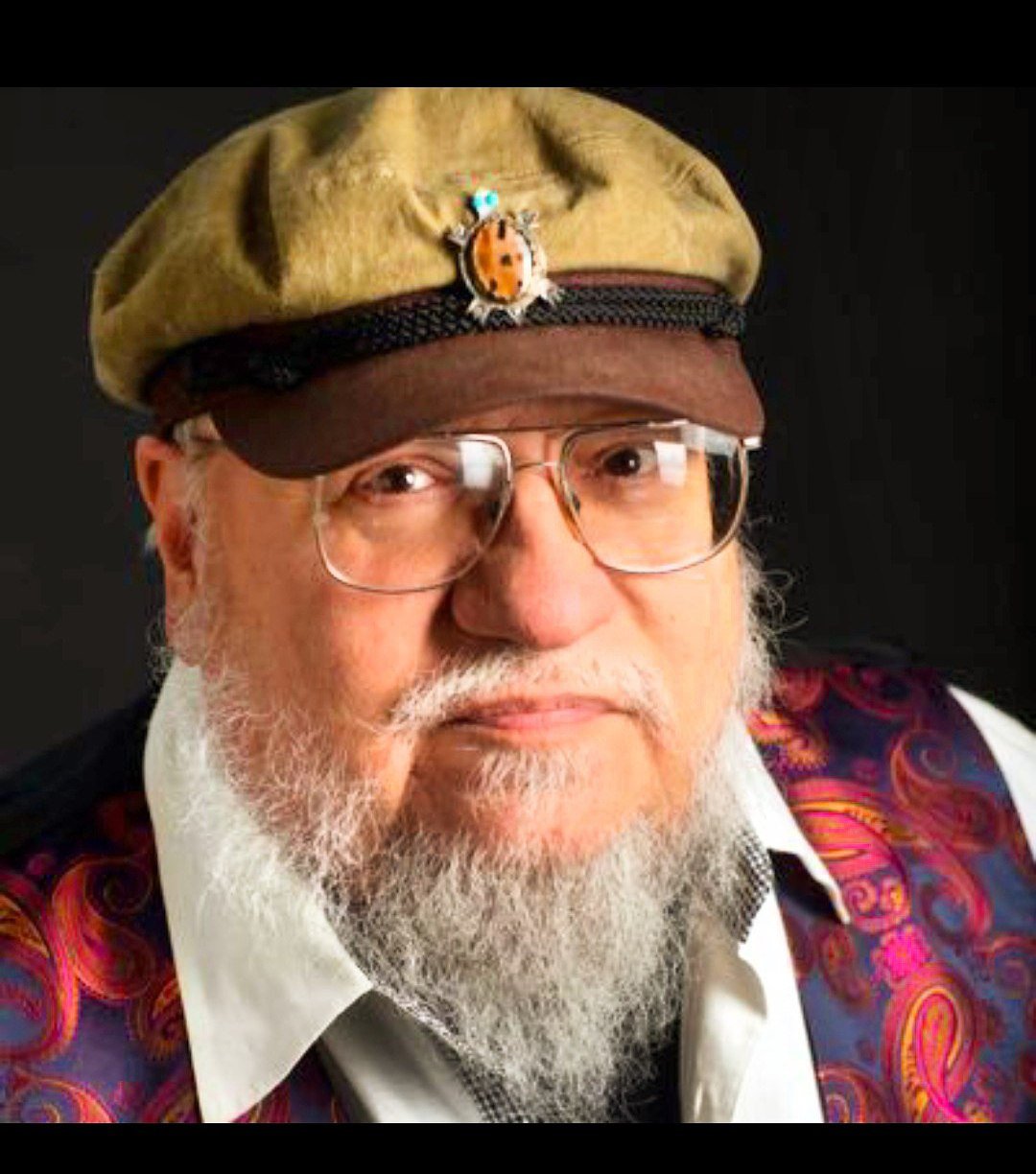
The reveal of the Arya project was buried within a much larger and more complex profile of George R.R. Martin in The Hollywood Reporter, which painted a picture of a creator increasingly at odds with the adaptations of his work. While Martin is a co-creator of the upcoming A Knight of the Seven Kingdoms, the report described his current relationship with House of the Dragon showrunner Ryan Condal as “abysmal.”
Martin has used his personal blog to criticize changes made to his source material, Fire & Blood, leading to a public tension that has overshadowed the production of the show’s third season. Amidst this friction, the Arya Stark sequel appears to be one of the few projects that could bridge the gap between Martin’s vision and HBO’s commercial needs. However, Martin himself has remained tight-lipped, declining to comment on the Arya project specifically while emphasizing that his upcoming book, The Winds of Winter, will feature an ending “significantly different” from the TV series.
Martin unintentionally confirmed that Jon Snow still has POV chapters in the forthcoming book, a tidbit that has fueled “online speculation” that Jon’s literary fate will be far more complex than his television exile.
In the realm of “fan theories” and “unverified rumors,” social media has been ablaze with speculation regarding the return of Maisie Williams. While the actress has previously stated that she “resented” Arya at times due to the pressures of growing up in the spotlight, she has also called the role the “greatest thing that ever happened” to her. Industry insiders suggest that if the script by Quoc Dang Tran is strong enough, Williams could be enticed back, making her the first major lead from the original series to return for a sequel.
This “appearance discourse” often surrounds child stars who grow up on screen, but Williams has successfully pivoted to fashion and independent film, maintaining a distance from the “Thrones” machine that might make her return more impactful. As HBO prepares for a 2026 that includes both A Knight of the Seven Kingdoms (premiering January 18) and House of the Dragon Season 3 (Summer 2026), the network’s strategy is clear: keep the world of Westeros alive every single year.
Whether the Arya Stark project eventually joins the confirmed 2028 schedule remains to be seen, but for now, it stands as a beacon of hope for fans who weren’t quite ready to say goodbye to House Stark.