There’s something uniquely disorienting about watching someone who usually delivers the news become the story. For years, Savannah Guthrie has been a steady presence, a co-host on the Today Show, a calm voice, a composed posture, the kind of person you trust to walk you through chaos. But now, the chaos is hers. And it’s messy, unresolved, and painfully human.
Her mother, Nancy Guthrie, 84, vanished from her home in Tucson, Arizona, on the night of January 31. What began as a missing-person case quickly hardened into something darker. Authorities say the evidence points to a targeted abduction.
And so, for weeks now, Savannah has been doing something she’s never had to do on national television: beg. Not as a journalist… As a daughter who just needs her mom back.
The Kind of Disappearance That Doesn’t Sit Right
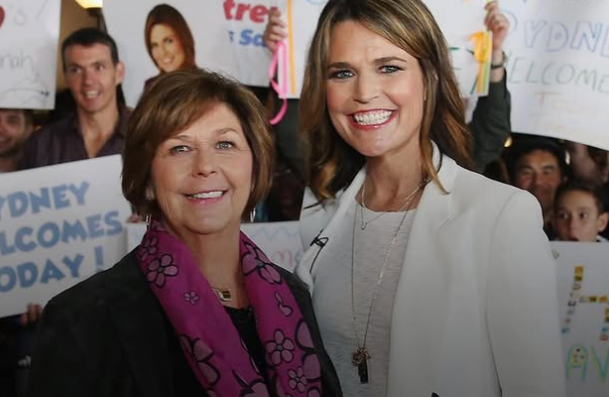
Nancy Guthrie wasn’t someone who simply wandered off. She was last seen being dropped off at home after dinner with family. By morning, she was gone, but her phone, her belongings, her life… all still inside the house.
Investigators found signs that suggested she didn’t leave willingly. Surveillance footage later showed a masked man at her door. That detail alone changes everything. It turns a quiet disappearance into a question that lingers in your chest: Why her?
Authorities have said the act appears “targeted,” though they’ve withheld specifics about motive. They have made zero arrests, and suspects remain unconfirmed. Just fragments of evidence and a growing silence. And silence, in cases like this, is its own kind of noise.
“We Cannot Be in Peace Until She Is Home.”

Savannah’s plea isn’t polished. It isn’t strategic, nor was it rehearsed. It’s raw. She and her siblings have repeatedly called on the public, especially the local Arizona community, to look again. Revisit security footage. Reconsider conversations. Check the details you might’ve dismissed. Anything… just anything.
It’s a striking request, not because it’s unusual, but because of how deeply it leans on ordinary people. Not law enforcement. Not technology… People.
There’s something almost old-fashioned about it… this belief that somewhere, someone noticed something small… and didn’t realize it mattered. And maybe that’s the most unsettling part: the idea that the answer might not be hidden, just overlooked.
A Case Built on Fragments
In the weeks since Nancy disappeared, the case has unfolded like a puzzle missing its center. The FBI joined the investigation early, signaling the seriousness of the situation. Surveillance images revealed unidentified individuals near the property, but not on the day she vanished.
A ransom demand surfaced, reportedly in the millions, though authorities have struggled to verify its legitimacy. A person of interest was detained briefly, then released without charges.
Each development feels significant… until it isn’t. Each clue opens a door, only to reveal another hallway. Meanwhile, time keeps moving. And in cases involving elderly victims, time is not neutral. It’s a pressure point because Nancy reportedly requires daily medication, adding urgency to an already desperate search.
The Emotional Math of Hope
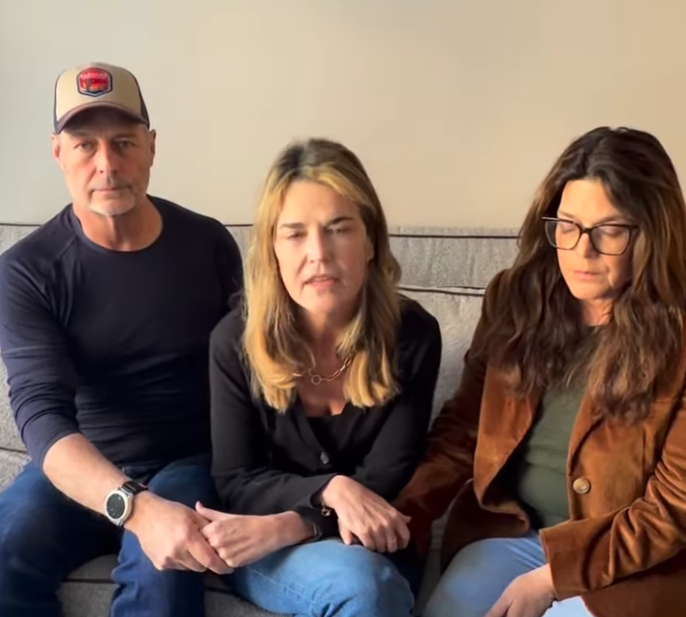
Here’s where things get complicated. Publicly, Savannah Guthrie has remained unwavering: hopeful, prayerful, insistent that “it is never too late to do the right thing.” Privately, or at least structurally, the situation suggests something more fragile.
The family has offered a $1 million reward. They’ve pleaded directly with a potential abductor. They’ve even acknowledged the need for proof of life in a world where voices and images can be manipulated.
And there is something quite delicate about cases of missing loved ones: the families never find closure. They never move on. Because there will always be something to wake up and worry about, day in… day out. where they are. Their living conditions. If they are okay. If they are even still… alive.
That last part? It’s quietly one of the most chilling details in this entire case, because it introduces a modern fear: not just “Is she alive?” but “Would we even know if she was?”
What makes this case linger isn’t just the mystery; it’s the absence of resolution. Instead, there is a community being told, gently but urgently, “don’t look away.” A family asking strangers to remember something they might not even know they saw.
What No One Is Asking
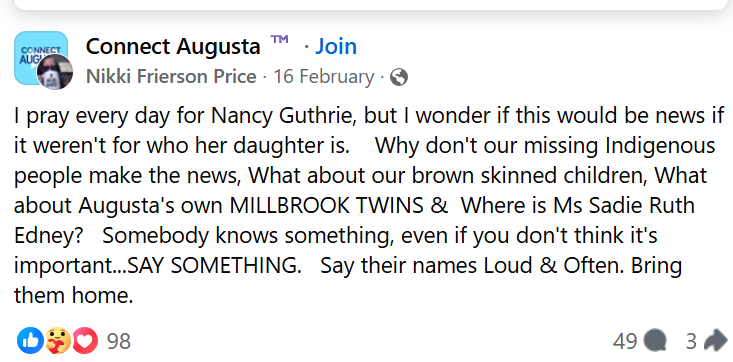
There’s an uncomfortable tension sitting beneath all this coverage. Would this case feel as urgent if Savannah Guthrie weren’t famous?
It’s not a criticism; it’s a reality worth checking. Thousands of families navigate missing-person cases every year without national attention, without FBI press briefings, without headlines that stretch across continents. Many plead just as loudly, just as desperately… but into a void.
Savannah’s platform has undeniably amplified the search. It has mobilized resources, drawn attention, and kept Nancy’s name in the public eye, but it also highlights a quiet inequality in how attention works.
Visibility, in cases like this, can mean the difference between momentum and obscurity… Between a story that breathes, and one that disappears.
That doesn’t diminish Savannah’s pain. If anything, it complicates it. Because she’s grieving in public, fighting in public, hoping in public… while being painfully aware that others don’t get that same chance.
The Plea Beneath the Plea

Away from the headlines, you’re left with something simple yet heartbreaking: a family wants their mother back; they want to sit at a table with her again… to hear her voice without wondering if it’s the last time. To move out of this suspended state where hope and grief coexist, constantly negotiating.
Savannah Guthrie has spent her career telling other people’s stories. Now she’s living a story she cannot control, cannot edit, and cannot conclude, not on her own.
And so, she asks… again and again, not for sympathy, but for attention. Because somewhere in that attention, she believes, is the missing piece. And until her mother is found, that belief is all she has left to hold onto.