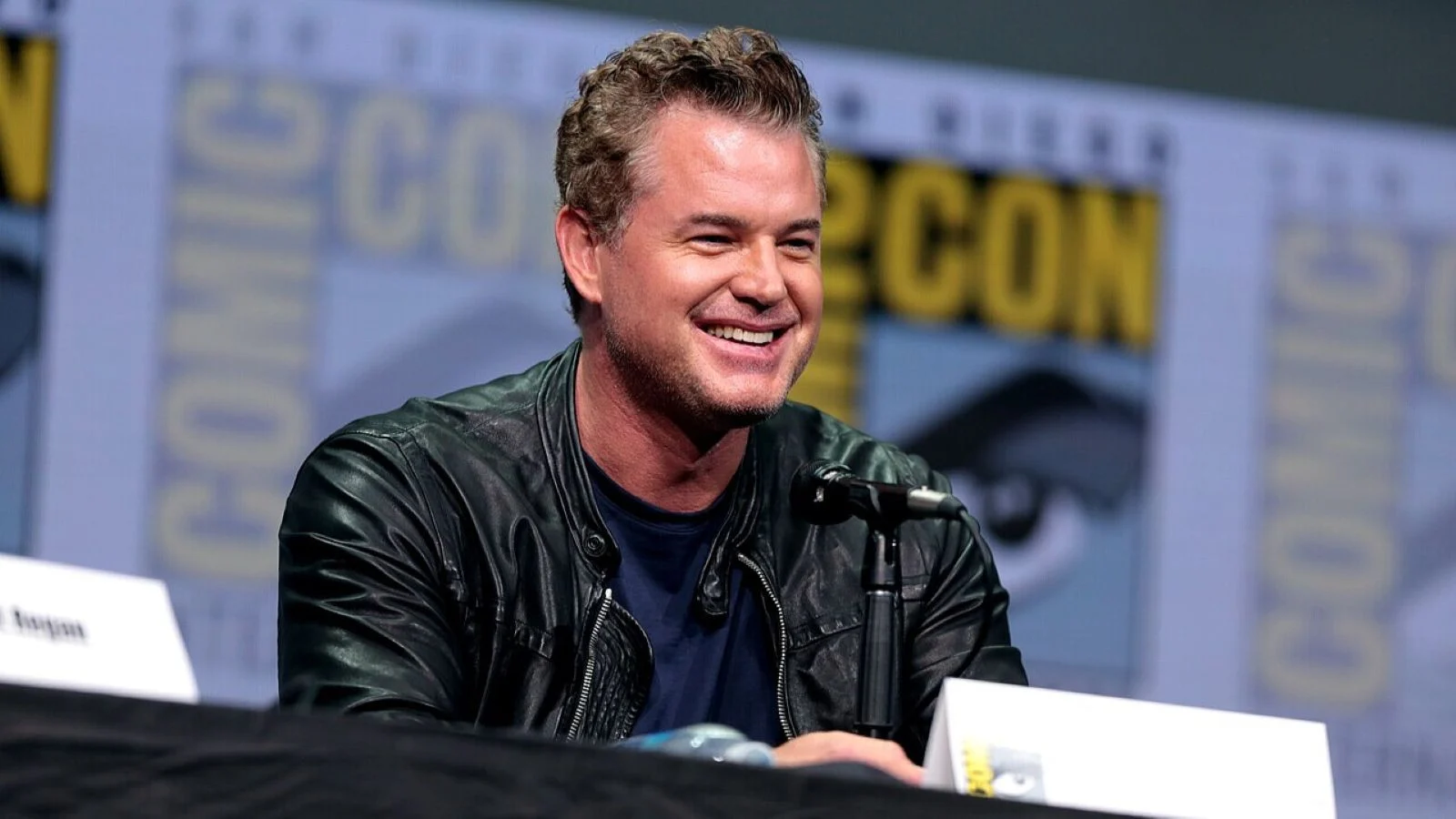
Eric Dane died on February 19, 2026. He was 53. Nearly a year earlier, he had gone public with his ALS diagnosis, and he kept showing up anyway. In the uncomfortable space where a famous person tries to be honest about a disease that is going to win. His family confirmed his death in a statement and asked for privacy. For a beat, the internet did what it usually does in these moments. It mourned.
Then someone posted.
What She Said, and When She Said It
Shortly after Variety shared a death announcement on Threads, Laura Ann Tull, who described herself as a former Grey’s Anatomy background actor, replied publicly, calling Dane “a bully and an a-hole.” She followed with additional posts alleging on-set mistreatment during the years she says she worked as an extra on the show, claiming it had lasting professional consequences. She did not provide evidence. She did not indicate regret about the timing. When people pushed back, she doubled down.

What happened next was not really about Tull, or Dane, or even Grey’s Anatomy. It was about a question the internet has been circling for years and still cannot answer: when someone dies, does the window for public grievance close with them?
The Internet Split, and the Fault Lines Are Sharp
One camp came down hard on the timing. Dane had just died. He had ALS. A stranger was posting about him under a death announcement while his family was still in the first raw hours of grief. That camp’s argument is simple: there is a minimum period of human decency that should survive even legitimate anger, and she blew past it.
The second camp’s response was harder to sit with. If someone caused you real harm, why does their death obligate you to silence? Grief is not a legal proceeding. The deceased does not get to set the terms of how they are remembered just because they are no longer here to dispute it. Several users made the point plainly: the people most insistent on protecting a dead man’s reputation are rarely the ones who had to share a set with him.
The Third Position Nobody Wants To Engage With
Then there is a smaller camp, and it is the one that tends to get shouted down because it feels less moral and more procedural. It is not about timing or truth. It is about what unverified allegations posted under a death announcement actually accomplish.
Tull’s claims have not been corroborated publicly. And in at least one place, they run into a problem the internet would rather skip past. In a 2024 interview, Dane said he believed he was let go from Grey’s Anatomy partly because long-running cast members become expensive for the network. He also acknowledged he was not the same person the show had hired. That does not disprove anyone’s private experience. But it does mean the internet cannot responsibly treat one person’s Threads posts as a definitive account of why a network wrote a character off a hit series.
Posting accusations that a dead person cannot answer, without documentation, is not accountability. It is content. And once it is content, the incentives shift. People stop asking what happened. They start picking sides.
What the Tributes Actually Said

The tributes were not subtle. Patrick Dempsey and Ellen Pompeo posted. The show issued a statement. And Grey’s Anatomy nostalgia, including throwback photos with Sandra Oh, flooded feeds. None of it read like carefully worded corporate language celebrities deploy when someone they barely knew passes. It read like people describing someone they actually liked.
None of that makes him a saint. None of it makes Tull wrong. None of it makes her right. It just shows what always happens when someone dies in public. The loudest version of them becomes the first draft.
The Rule We Haven’t Written Yet
What the Tull posts exposed is a gap in the informal rules we pretend we have around public grief. We agree, more or less, that you do not speak ill of the dead at the funeral. But Threads is not a funeral. A trade publication’s death announcement is not a private ceremony. The comment section underneath it is a space we have no cultural script for at all.
The question is not whether Laura Ann Tull should have posted. People have already decided that, in both directions, and nothing will change their minds. The real question is what we think public death actually means now, and whether the people most loudly defending the answer have ever had to be the one without the verified account.