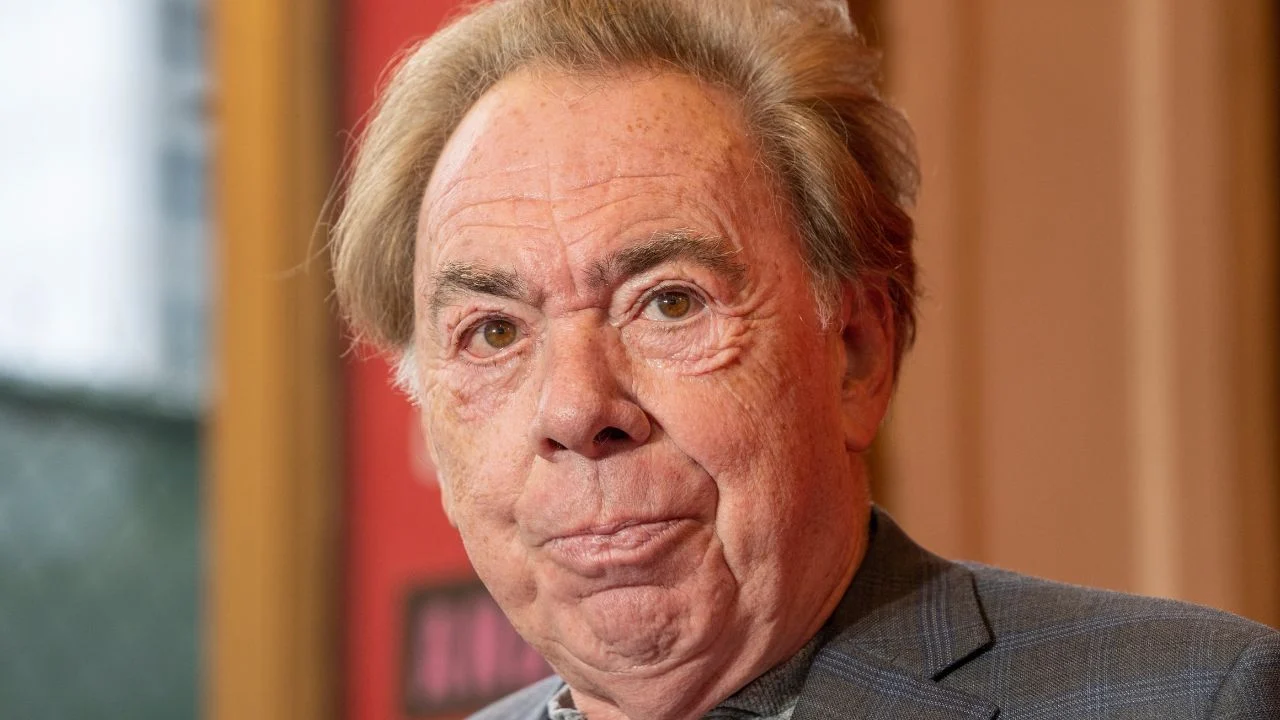
Andrew Lloyd Webber is warning that Broadway is in “dire danger” after the acclaimed Cats: The Jellicle Ball announced it will close months earlier than planned.
The composer issued the warning in a lengthy X statement after producers confirmed that the Tony-winning revival will play its final performance at the Broadhurst Theatre on Aug. 8. The production had previously extended its run through Jan. 17, 2027.
“Broadway is more than a street or a collection of buildings,” Lloyd Webber wrote. “It is an idea and one of the greatest cultural ideas America has given us.” He urged people with the power to protect that idea to work together before it is too late.
Cats: The Jellicle Ball reportedly cost $18 million to bring to Broadway, won three Tony Awards and surpassed $1 million during Tony Awards week, yet it will end its run without recouping its initial investment.
The Acclaimed Revival Could Not Cover Its Costs
Cats: The Jellicle Ball reimagined Lloyd Webber’s musical through New York’s Black and Latino queer ballroom culture. Directors Zhailon Levingston and Bill Rauch replaced the original production’s junkyard setting with a runway where performers competed through dance, fashion and ballroom categories.
The production began Broadway previews March 18 and officially opened April 7. It received nine Tony nominations and won three, including awards for direction, choreography and Qween Jean’s costume design.
The critical response and awards did not produce a sustainable long-term box office. People reported that weekly grosses fell from $1,027,555 during Tony Awards week to $691,071 for the week ending July 5.
Attendance during that later week reached 87% of capacity, with 8,083 of the Broadhurst Theatre’s 9,280 available seats filled. The revival had been scheduled to continue into January before producers moved the final performance to Aug. 8.
Lloyd Webber said the production’s approximately $1 million weeks were still not enough to overcome Broadway’s operating expenses. The reported $18 million capitalization also remained unrecouped despite the show’s awards, reviews and celebrity guest judges.
Lloyd Webber Says New Broadway Work Makes Little Financial Sense
Broadway is more than a street or a collection of buildings. It is an idea—and one of the greatest cultural ideas America has given us.
That idea is now in dire danger. I beg everyone with the power to protect it: come together before it is too late.
— Andrew Lloyd Webber (@OfficialALW) July 14, 2026
“The painful truth is that, with things as they are, bringing almost any new show to Broadway makes little financial sense,” Lloyd Webber wrote.
He described production costs as immense and said writers, directors and other creators frequently accept reduced royalties simply to get their work staged. Some creators now receive fixed weekly payments rather than a larger share of a production’s success, he added.
Lloyd Webber questioned how younger theater professionals could build sustainable careers under those conditions. He raised similar concerns about investors, arguing that many consider themselves fortunate when they recover even part of their money.
Without people willing to finance risky productions, he warned, Broadway will have fewer opportunities to develop the next generation of shows.
Lloyd Webber said established hits remain profitable but argued that Broadway cannot depend indefinitely on a small group of long-running productions. He called for theater owners, unions and producers to address the cost structure together rather than expecting one part of the industry to solve it alone.
Broadway’s Record Season Did Not Protect Every Production
Lloyd Webber’s warning follows a record season for Broadway as a whole. The Broadway League reported $1.91 billion in ticket sales during the 2025–2026 season, with 14.6 million admissions and audiences filling 90.8% of available seats.
Those totals covered 74 productions and more than 13,400 performances. They do not show how revenue was divided among individual productions or whether newly opened shows recovered their development and operating costs.
The Guardian reported that Lloyd Webber pointed to a broader post-pandemic problem for musicals, noting that dozens of new Broadway musicals have opened since COVID-19 at enormous combined cost, while many closed before becoming financially secure.
Lloyd Webber is continuing to invest in New York theater . His immersive Phantom of the Opera production Masquerade remains in the city, while the Rachel Zegler-led revival of Evita is scheduled to transfer to Broadway in spring 2027.