
Music is a realm of timeless legends, where stories are passed down through generations, woven into the fabric of culture and memory. However, not all of these stories are grounded in truth. Over the years, music history has been plagued by myths, misconceptions, and wildly inaccurate tales. From misleading lyrics to fabricated rivalries, some of the most famous “facts” about music are far from accurate. These misconceptions have been fueled by dramatic anecdotes, misinterpretations, and sometimes, the media itself.
Here are 10 music history myths that persist despite the truth being far more complex.
The Altamont Free Concert

The infamous 1969 Altamont Free Concert, where violence erupted during a Rolling Stones performance, is remembered as the moment the 1960s counterculture ended. However, one crucial detail has been misunderstood: the death of Meredith Hunter, a concertgoer who was stabbed by a Hells Angels member.
The myth persists that Hunter was killed during the Rolling Stones’ performance of “Sympathy for the Devil,” but the truth is that it occurred during “Under My Thumb.” Despite the footage and eyewitness accounts, this detail is often overlooked, adding to the confusion surrounding the tragic event.
Salieri and Mozart
The myth that Antonio Salieri murdered Wolfgang Amadeus Mozart out of jealousy has been one of the most enduring misconceptions in classical music. Popularized by the play and film Amadeus, the narrative portrays Salieri as a bitter rival who poisoned Mozart.
In reality, there is no historical evidence to support this claim. Salieri and Mozart were not close friends, but they were not enemies either. Salieri later taught Mozart’s son and was a respected composer in his own right. The myth of Salieri’s murderous jealousy is rooted in speculation and gossip, not fact.
The Tragic Tale of Cass Elliot’s Death
One of the most enduring myths in rock history is that Cass Elliot, the beloved lead singer of The Mamas & The Papas, died from choking on a ham sandwich. This story has been perpetuated for decades, despite being completely false. According to Cass’s daughter, Owen Elliot, the story was fabricated by her mother’s manager to distance her death from the rock-and-roll drug culture.
In reality, Cass Elliot passed away from a heart attack in 1974, at the young age of 32. This myth continues to circulate, often being used to mock her appearance, despite her family’s efforts to correct the record.
Mozart’s Pauper’s Grave
The myth that Wolfgang Amadeus Mozart was buried in a pauper’s grave has been a part of classical music lore for centuries. It suggests that even the great composer, who wrote some of the most revered music of all time, died in obscurity and poverty.
The truth is more mundane: Mozart was likely buried in a common grave, as was the practice for many people at the time, regardless of their social standing. The idea of a pauper’s grave for Mozart has been debunked through research, though the romanticized version persists as a symbol of his tragic end.
Edelweiss
In the 1959 musical The Sound of Music, the song “Edelweiss” is sung as a heartfelt farewell to Austria, evoking nostalgia for the country’s culture. However, many people mistakenly believe that the song is an ancient Austrian folk tune. In reality, “Edelweiss” was written specifically for the Rodgers and Hammerstein musical.
It was meant to sound traditional, but it has never been part of Austrian folk music. This misconception persists, likely due to the song’s timeless appeal and its connection to the film’s depiction of Austria.
Phil Collins’s “In the Air Tonight”
One of the most enduring myths surrounding Phil Collins’s hit song “In the Air Tonight” is that it was written after witnessing a drowning. Rumors spread that Collins saw a man fail to save someone from drowning and later confronted him at a concert.
However, Collins has repeatedly stated that the song is not about any such incident. He wrote it during a difficult period of his life following his divorce, and the lyrics were largely improvised in the studio. Despite Collins’ clear explanations, the myth of the drowning incident continues to circulate.
Yoko Ono and the Beatles
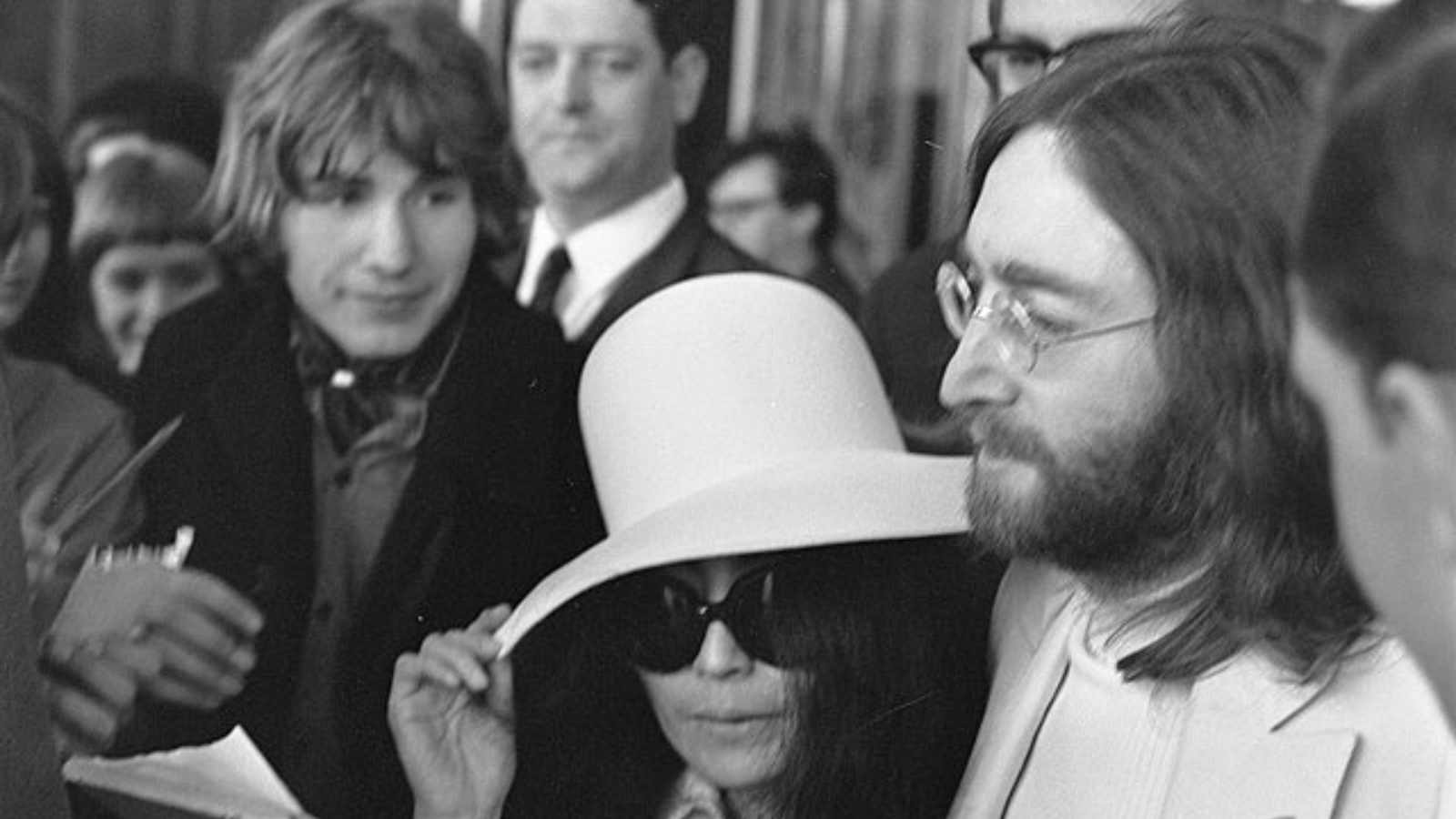
For decades, Yoko Ono has been blamed for the breakup of The Beatles, with many fans believing her presence caused irreparable tension within the band. While Ono was a frequent presence during the band’s final years, the breakup was the result of a variety of factors, including business disputes, creative differences, and the death of the band’s manager, Brian Epstein.
By the time Ono became involved, The Beatles were already experiencing internal strain. The idea that Ono single-handedly caused the split is an oversimplification of a much more complex situation.
The Monkees and the Great Record Sales Hoax
In 1967, it was widely reported that The Monkees outsold both The Beatles and The Rolling Stones in record sales. This claim was widely circulated by the media, but it was a complete fabrication. In 2015, Monkees band member Mike Nesmith admitted that the story was a lie he had told to a reporter in 1977.
Nesmith later explained that his goal was to see if journalists would fact-check the claim; unfortunately, they didn’t, and the myth stuck. Despite their commercial success, The Monkees never outsold the giants of rock in 1967, but the lie continued to spread for decades.
Puff, the Magic Dragon
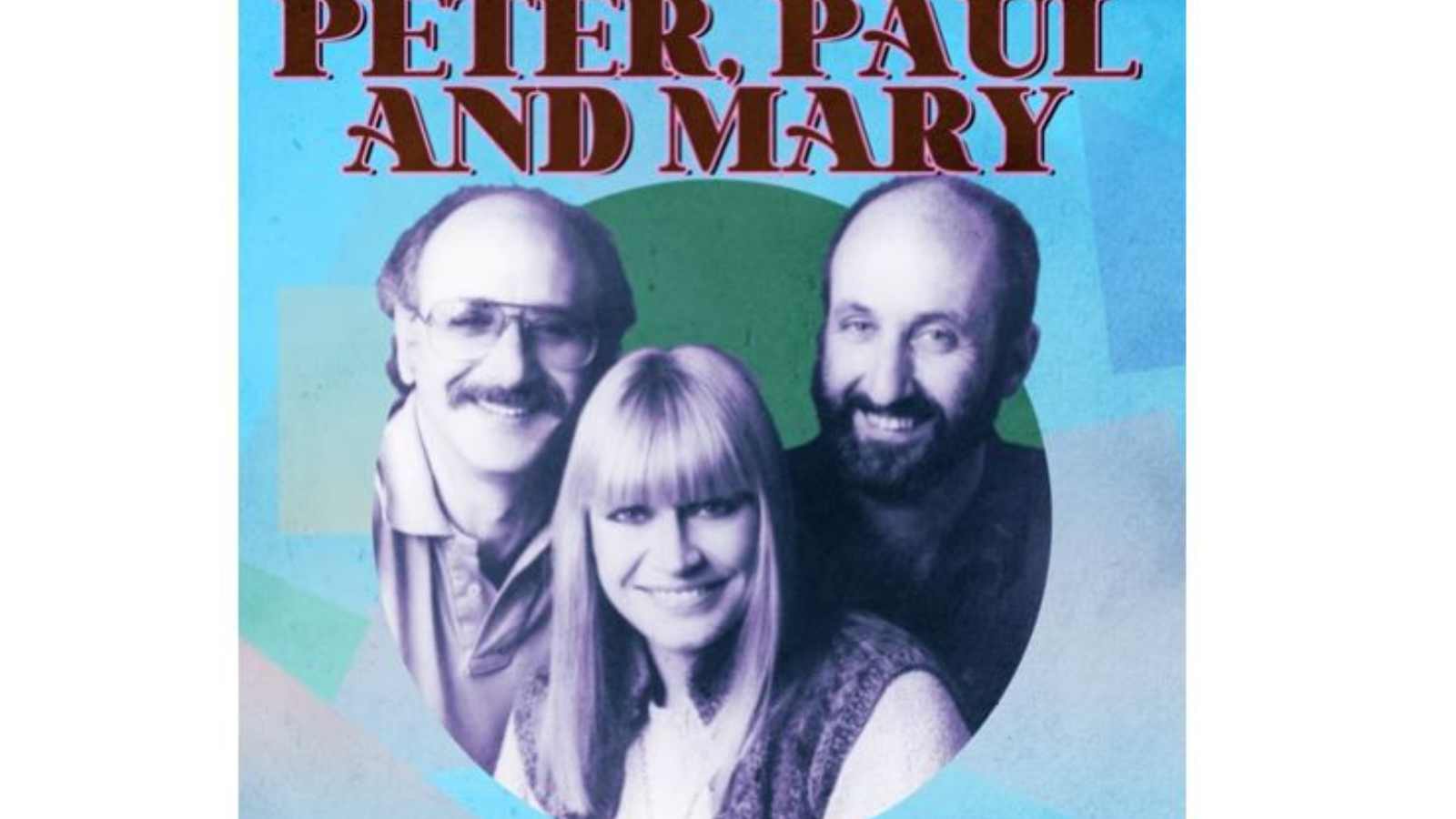
Since its release in 1963, the song “Puff, the Magic Dragon” by Peter, Paul, and Mary has been widely interpreted as a metaphor for drug use, largely because of words like “puff” and “dragon.” However, the song’s origins are far more innocent. It was based on a poem written by Leonard Lipton, who later collaborated with Peter Yarrow to turn it into a song.
Both Lipton and Yarrow have repeatedly stated that the song was simply about childhood imagination and the inevitable loss of innocence, not about drugs. Despite these clear explanations, the misconception that the song is about marijuana continues to thrive.
The Myth of the 27 Club

The idea of the “27 Club,” a group of musicians who died at the age of 27, has become an iconic part of rock and roll lore. Jimi Hendrix, Janis Joplin, Jim Morrison, Kurt Cobain, and Amy Winehouse are often cited as members of this cursed club, but the belief that 27 is a particularly dangerous age for musicians is a myth.
Studies have shown no statistical evidence that musicians are more likely to die at 27. The “27 Club” myth is the result of selective attention, where the high-profile deaths of several musicians at that age have been exaggerated into a pattern.
Conclusion
Music history is rich with fascinating stories, but not all of them are based on fact. The misconceptions that have survived for decades are often more dramatic, more memorable, and more sensational than the truth. However, as more research and firsthand accounts come to light, the myths are slowly being dispelled. Understanding the real stories behind these famous moments is essential to truly appreciating the depth and complexity of music history. While the myths may persist, the truth is always more interesting and far more valuable.