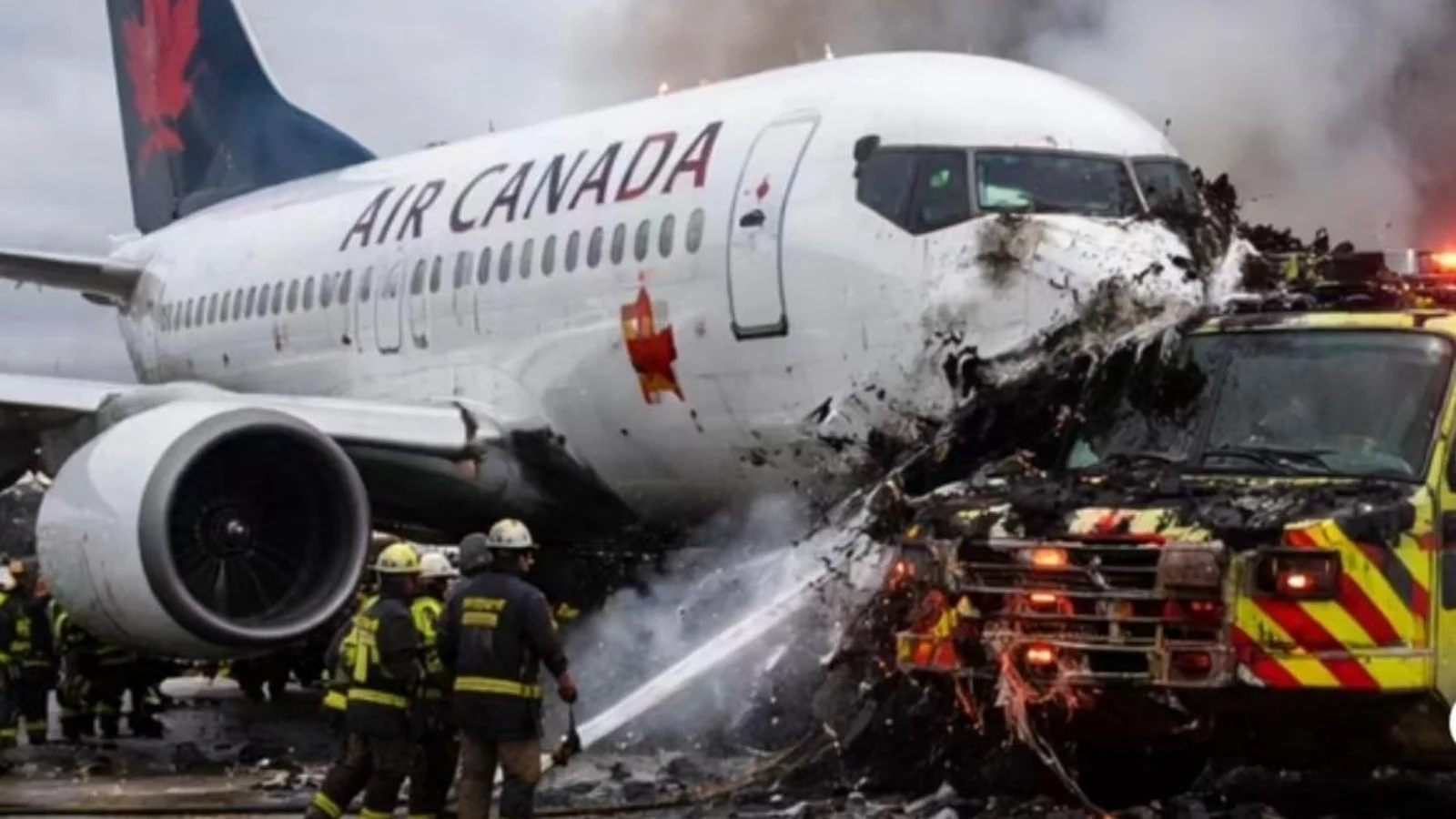
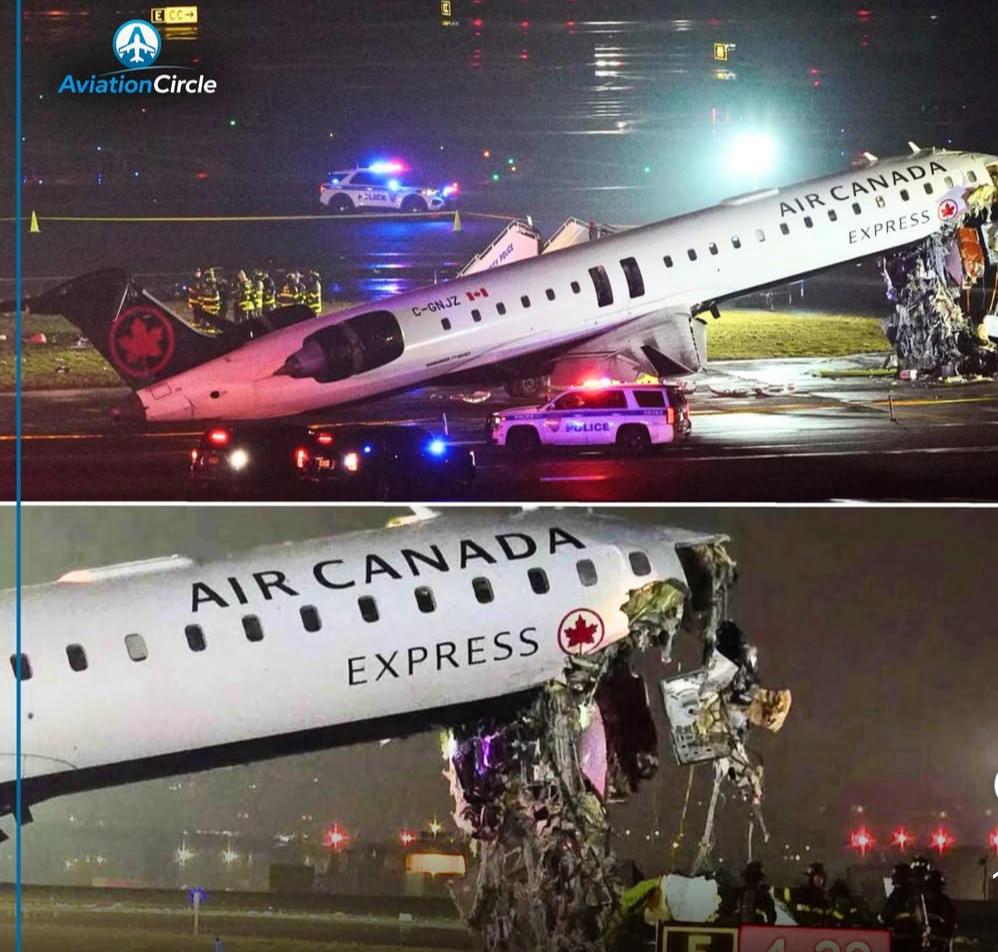
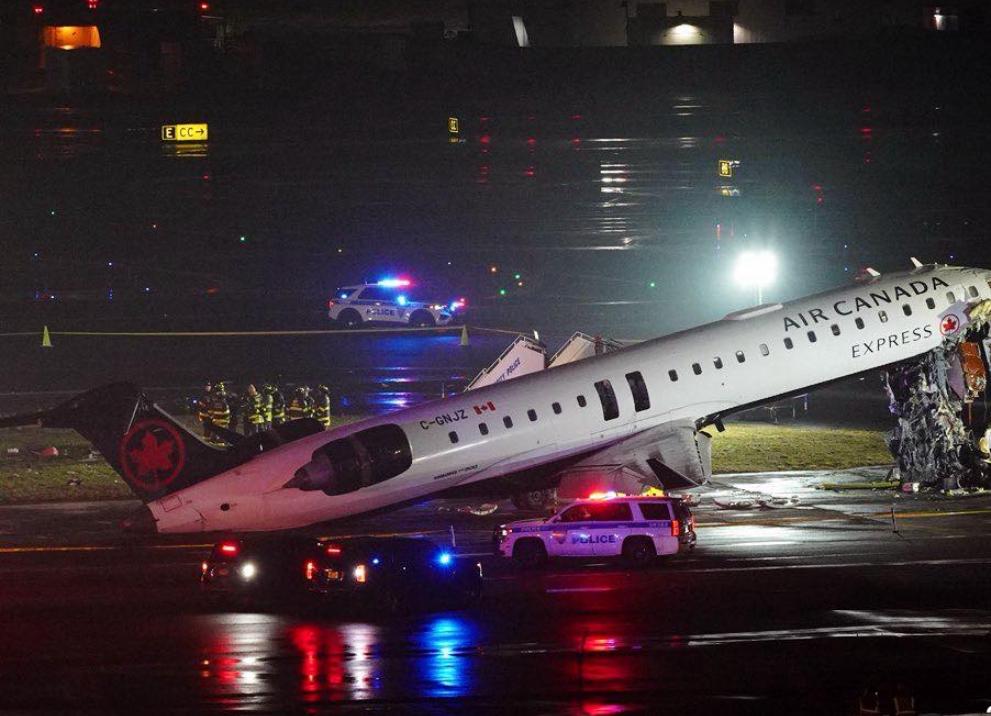
Late Sunday night at LaGuardia, a routine trip from Montreal turned into a scene straight out of an action movie. An Air Canada Express regional jet collided with a Port Authority fire truck right on the runway, and the fallout has been massive. With two pilots tragically lost and over 600 flights canceled by the next morning, this is the kind of travel nightmare that makes you want to double-check your travel insurance.
The Air Canada Express CRJ‑900, operated by Jazz Aviation, was carrying about 76 people when it hit that truck around 11:40 p.m. local time. While the technical details are still being dissected by the NTSB, the human stories emerging from the wreckage are absolutely wild. We are talking about a survival story so intense it’s already being called a miracle by the families involved.
The Flight Attendant Who Defied Gravity
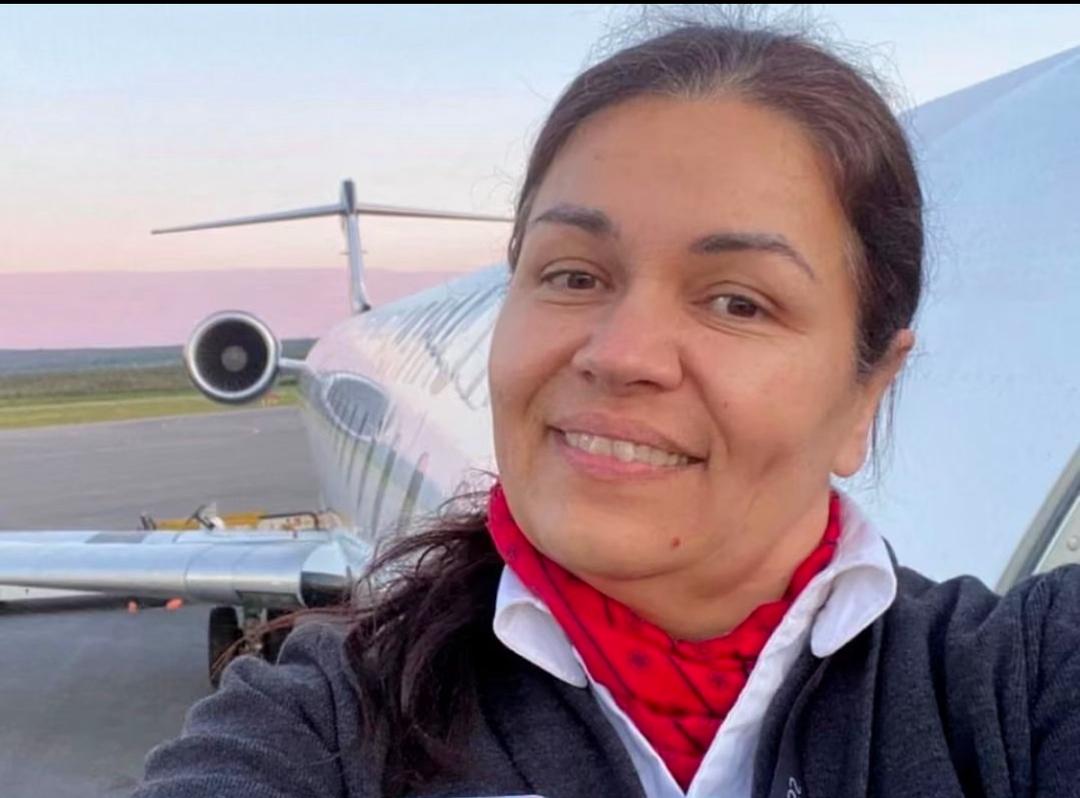
If you believe in guardian angels, Solange Tremblay’s daughter, Sarah Lépine, has some receipts for you. During the impact, Tremblay was actually ejected from the plane while still strapped into her jump seat. She was found more than 320 feet away from the aircraft, which is longer than a football field.
Lépine told Quebec’s TVA News that her mother is expected to survive after surgery for a broken leg and multiple fractures. She described the whole thing as a complete miracle, and honestly, she’s not wrong. Most people don’t walk away, or even fly away, from a seat ejection like that.
Aviation experts told ABC that Tremblay likely has her gear to thank for her life. Unlike the standard lap belts we use in coach, crew jump seats use a four-point restraint system. It’s basically the high-performance version of a seatbelt, designed to keep you glued to the chair even when things go sideways.
A “Messed Up” Moment in the Tower
The audio from air traffic control is hauntingly raw and sounds like a script from a high-stakes horror drama. In the recordings, you can hear a controller clearing the fire truck to cross the runway before things go south fast. Seconds later, the tone shifts to pure panic as they yell for the truck to stop.
After the collision, the controller was caught on tape saying, “I messed up,” while talking to another pilot. It is a rare, unpolished look at the intense pressure these folks are under. One Frontier Airlines pilot even tried to play therapist in the moment, telling the controller they did the best they could.
At the time, the tower was already juggling another emergency involving an “unusual odor” on a different plane. It’s a classic case of sensory overload where one small distraction can lead to a major catastrophe. The NTSB is currently looking into why those “stop” commands seemingly went unheeded by the fire crew.
The 600 Flight Ripple Effect

If you think your Monday morning commute was bad, imagine being one of the thousands of people stuck at LaGuardia. The airport had to shut down completely before reopening with a fraction of its usual capacity. By midday Monday, more than 600 flights had been canceled, leaving travelers stranded across the country.
This wasn’t just a local issue; it was a total system shock for one of the world’s busiest hubs. When a runway becomes a crime scene, the entire East Coast feels the vibration. It’s a sober reminder of how much we rely on a perfectly timed dance between pilots and ground crews.
The two firefighters in the truck were also injured when their vehicle rolled over, but luckily, their injuries weren’t life-threatening. Most of the 40 or so passengers taken to the hospital have already been discharged. In the world of aviation disasters, the survival rate for everyone behind the cockpit is actually quite staggering.
What the Investigators Are Digging For
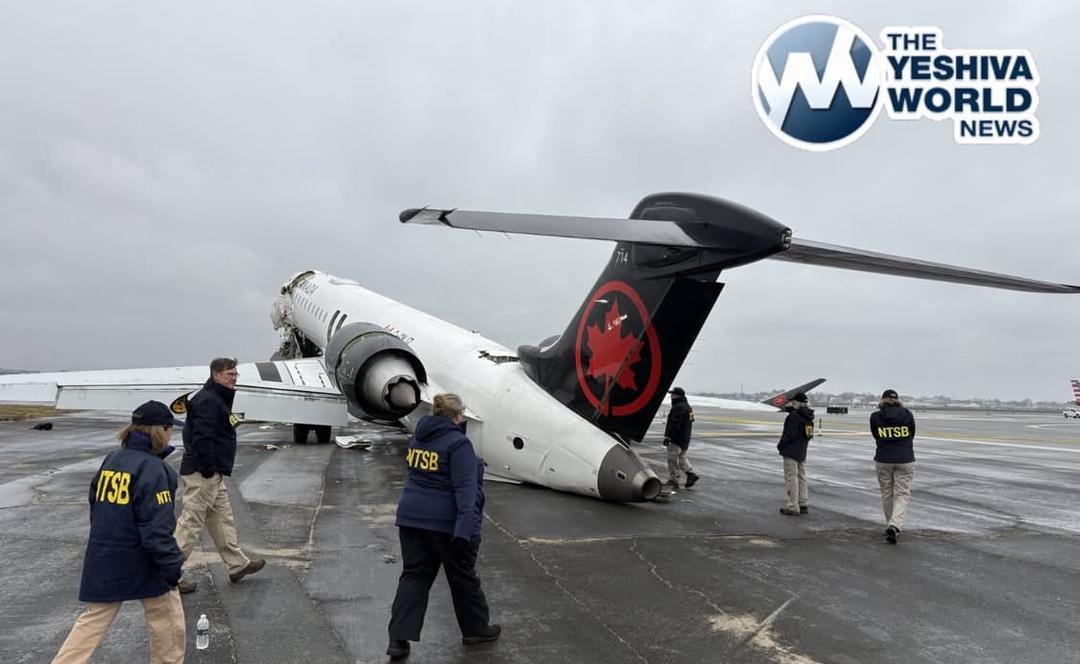
While the “I messed up” quote is making the rounds, the legal blame game is just getting started. The National Transportation Safety Board, is the lead on this one, and they aren’t going to be swayed by a single soundbite. They are looking for the “why” behind the communication breakdown between the tower and the fire truck.
Was it a radio glitch, a human error, or just the chaos of responding to two emergencies at once? We still don’t have the official play-by-play of exactly how many seconds passed between the clearance and the crash. Those details will eventually come out in the final report, but for now, all eyes are on the data.
The aircraft was reportedly moving at about 24 mph when it hit the truck, according to data from Flightradar24. While that sounds slow for a car, it’s enough force to crush the nose of a jet and flip a massive fire engine. It shows that even at “low” speeds, these machines are no joke.
The Cultural Aftershock of the Crash
This incident will be discussed in flight safety briefings for years to come. It’s not just about the tragedy of the two pilots, but about the systems we put in place to catch human mistakes. The fact that Solange Tremblay is alive today is a massive win for safety engineering.
It also changes how we view the people working in the tower and on the tarmac. These aren’t just faceless voices; they are people making split-second decisions in high-stress environments. When they have a bad day at the office, the whole world watches the playback on the news.
We are left waiting for the next update from the NTSB to see what changes will be made to runway protocols. Until then, it’s a story of heartbreak, a “miracle” survival, and a very loud wake-up call for the travel industry. It makes you realize that every smooth landing is actually a small, quiet victory.