Fifty years. That’s how long it took for Saturday Night Live to get a British version. The format has been exported to Germany, Japan, South Korea, and half a dozen other countries since the ’90s. Britain had to wait until Saturday night.
SNL UK finally premiered — a brand new cast on a brand new stage in London, delivering the show the world had been promised.
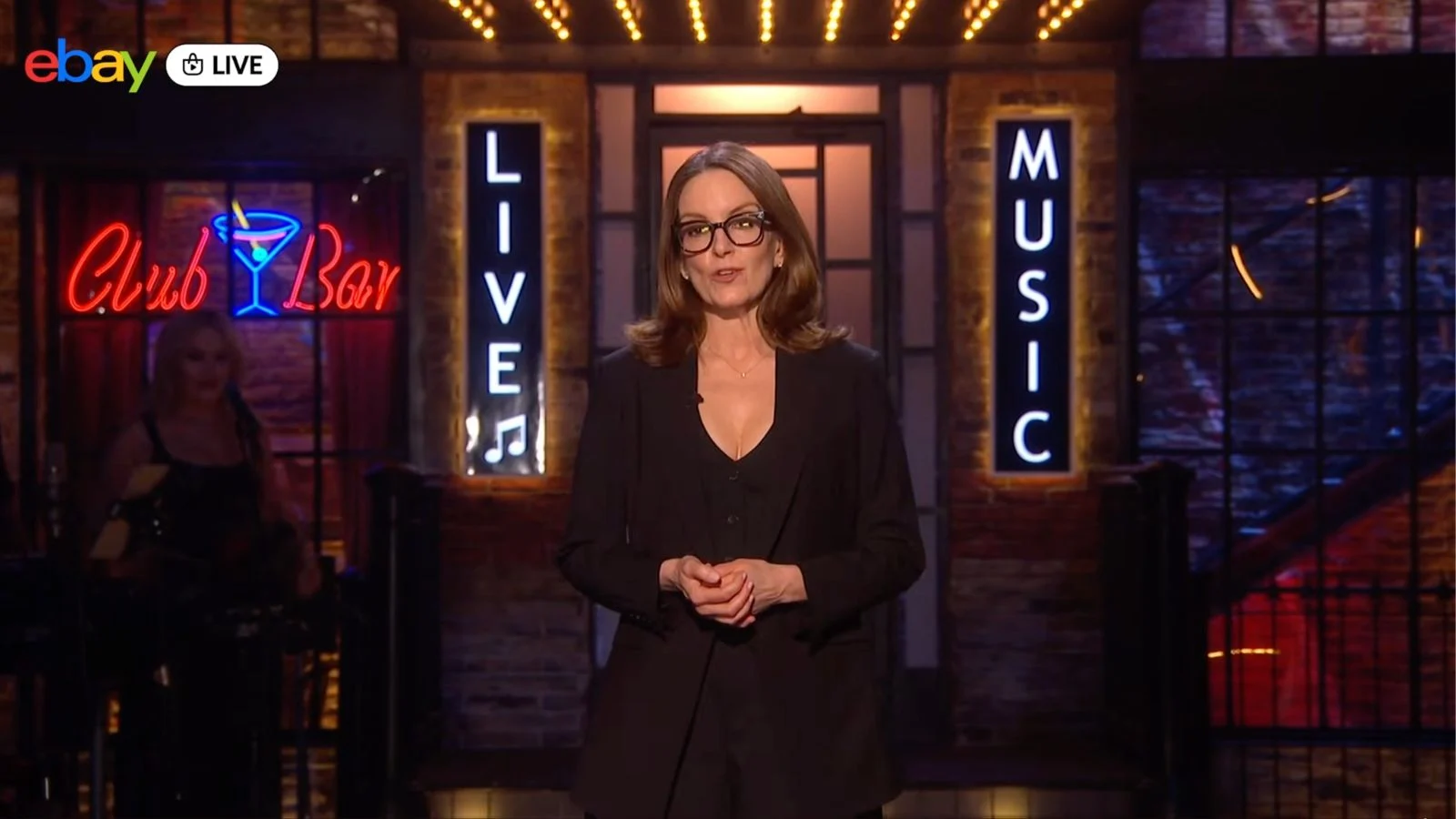
Then Tina Fey walked out.
Not a British comedian. Not one of the 11 performers Sky and Lorne Michaels had spent months handpicking from Edinburgh Fringe stages and London comedy circuits. The first face of SNL UK was the most iconic American SNL performer of the last quarter century — because, as Fey herself put it during the monologue, “none of you fuckers would do it.”
She was responding to Nicola Coughlan, who had stood up from the audience and asked what everyone at home was thinking: if this is SNL UK, why is an American hosting? Fey’s answer got a huge laugh. It also confirmed something the show’s producers probably didn’t want confirmed on opening night — that the biggest comedy launch in British television in years couldn’t find a single British star willing to go first.
Then It Kept Happening
After Coughlan — who reminded Fey that she’s Irish, not British, “educate yourself” — Michael Cera popped up from the crowd. He’s Canadian, which he justified by noting Canada is part of the Commonwealth. His entire contribution was discovering that British TV allows swearing. He said “shitbird” and “fucking bollocks” with a grin and sat down.
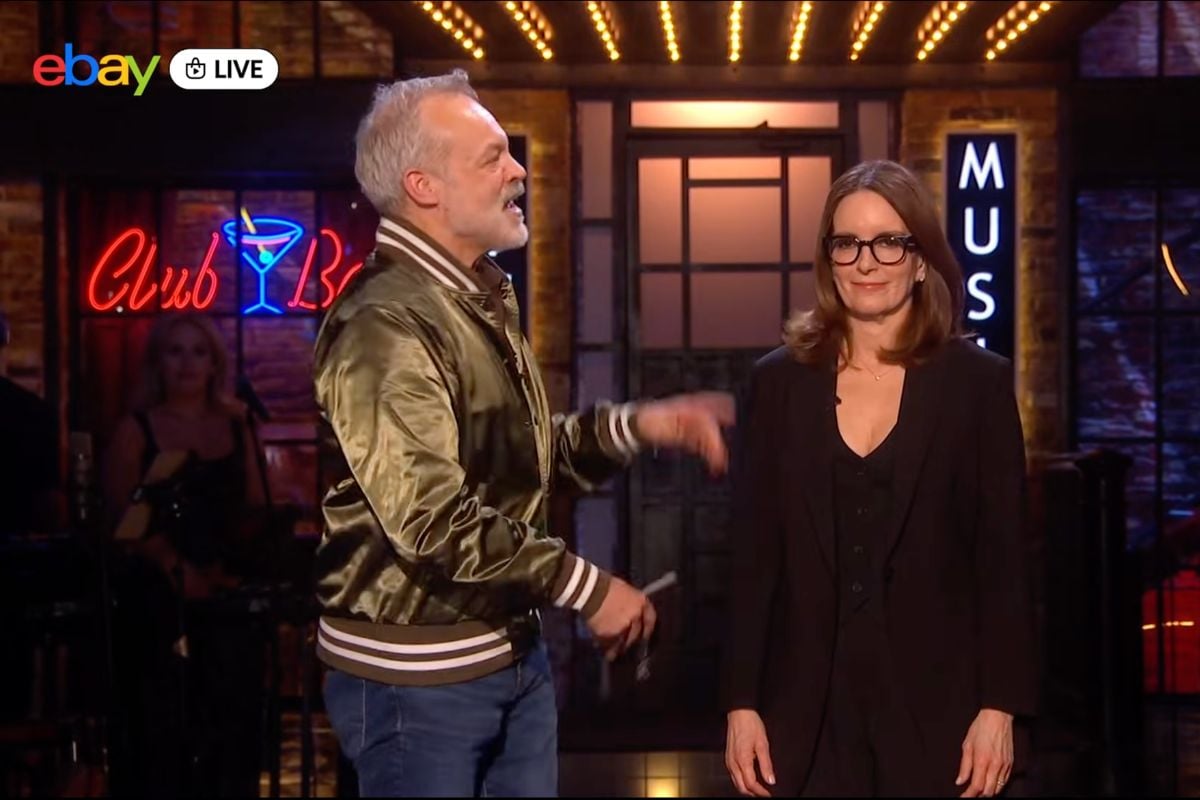
Then Graham Norton stood up. The biggest chat show host in the country — and himself Irish, not British — didn’t take the spotlight. He helped Fey land her British references — coaching her through Jet2 holiday slogans and sitcom catchphrases so the American host could connect with the audience that was supposed to be watching the British cast.
Three audience cameos. An American, a Canadian, and two Irish stars. Not a single British celebrity among them. None of the 11 new cast members got a moment like that in the first 15 minutes of their own show.
The First Joke SNL UK Ever Told
Before any of that, the show opened cold — just like the American version. Political sketch. Tradition.
But here’s what SNL UK chose for its very first joke: George Fouracres playing Prime Minister Keir Starmer, terrified of a phone call from Donald Trump. “Oh, golly! What if Donald shouts at me?” When he finally picked up, the punchline was deference disguised as charm: “I’m afraid I can’t go to war with you, but that doesn’t mean we can’t be chums.”
The first piece of comedy SNL UK ever broadcast was about a British leader being too scared to say no to an American one. On the show that was supposed to declare British comedy’s independence.
You could not write a better metaphor for the premiere if you tried.
The Graveyard SNL UK Is Walking Into
Most of those international versions didn’t last. Spain’s aired on Thursdays — not Saturdays — and was quickly canceled. Japan’s ran for six months with a permanent host and only aired once a month. Finland gave its cast four performers. Russia’s was yanked from its prime slot after three episodes.
The ones that failed tended to share a common problem: they leaned too heavily on the American original instead of trusting their own comedic identity. Spain copied sketches directly from the U.S. version. The versions that survived — Germany’s RTL Samstag Nacht in the ’90s, South Korea’s SNL Korea — succeeded by going local. Korea ran nine seasons and launched a reboot. Germany turned its version into a star-making machine.
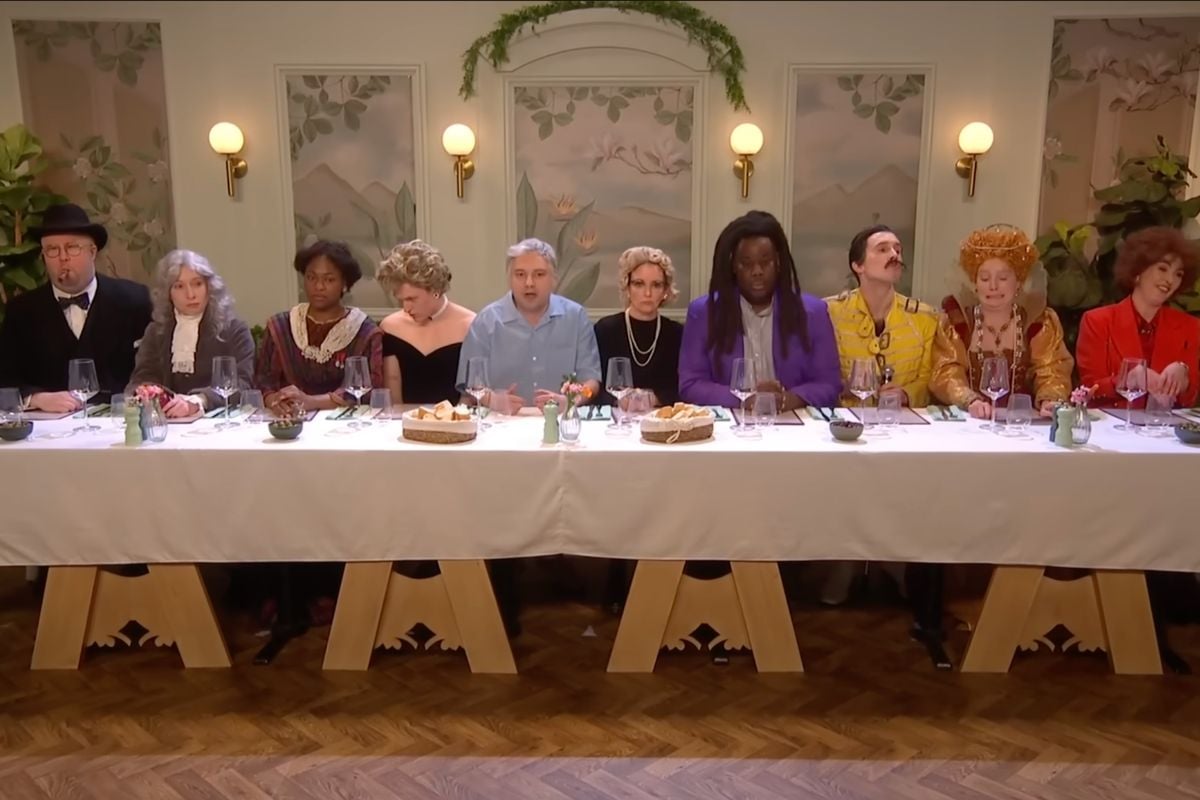
SNL UK’s producers clearly understand this. The cast is British. The writing room is British. The references in the sketches — Jet2, EastEnders, Autoglass — are deeply, unmistakably British. But on premiere night, the show made the same choice that killed its predecessors: it put America at the center.
Seven Episodes to Answer One Question
Jamie Dornan hosts next week. Riz Ahmed follows. SNL UK has seven more episodes and every reason to find its footing.
But the premiere left one question that no amount of good sketches can walk back: if the show was built to stand on its own, why couldn’t it stand on its own for night one?
British sketch comedy hasn’t had this kind of investment in years. The talent is there. The money is there. The format is 50 years proven.
The premiere just chose a strange way to make the case — by leaning hardest on the one country it was supposed to prove it didn’t need.