The long-awaited conclusion to the Hawkins saga hasn’t just arrived on our screens; it has brought with it a candid, emotional, and technically staggering behind-the-scenes look at how the Duffer Brothers pulled off the impossible. As Stranger Things wraps its historic run, a new documentary exploring the making of the final season has pulled back the curtain on the grueling production, the creative friction, and the unexpected inspirations that fueled the series finale.
For fans who have grown up alongside Eleven, Mike, and the rest of the Party, this deep dive provides the closure we didn’t know we needed, proving that the magic of the show was often born from a mix of intense familial support and sheer, unadulterated chaos.
The sheer magnitude of the final season of Stranger Things cannot be overstated, and the documentary makes it clear that the Duffer Brothers were feeling the weight of the world on their shoulders from day one of pre-production.
The Duffers’ Ultimate Creative North Star is their Parents
Perhaps the most touching revelation in the documentary is the role of the Duffers’ own parents. While Hollywood is often a world of high-powered agents and detached executives, Matt and Ross Duffer credit their mother and father for keeping them grounded during a decade of intense pressure. The documentary reveals that their parents were often the first people to read early script treatments, offering a “civilian” perspective that helped ensure the show never lost its emotional core.
“They remind us why we started telling stories in our backyard,” Matt Duffer notes in a sit-down interview. This groundedness was essential when tackling the final episodes, which had ballooned into feature-length spectacles.
Season 5 Had an Unprecedented Scope
We’ve heard the term “cinematic” applied to television before, but the documentary illustrates that Season 5 was an entirely different beast. With a budget rumored to exceed $30 million per episode, the production took over massive soundstages and sprawling outdoor sets that looked more like a Marvel blockbuster than a nostalgia-fueled Netflix show.
The documentary showcases the logistics of coordinating thousands of extras and massive practical effects, emphasizing that the scale was a direct response to the stakes of the narrative. It wasn’t just about making things bigger; it was about making the threat of the Upside Down feel truly global.
Scripting the Conclusion Was a Grueling Process
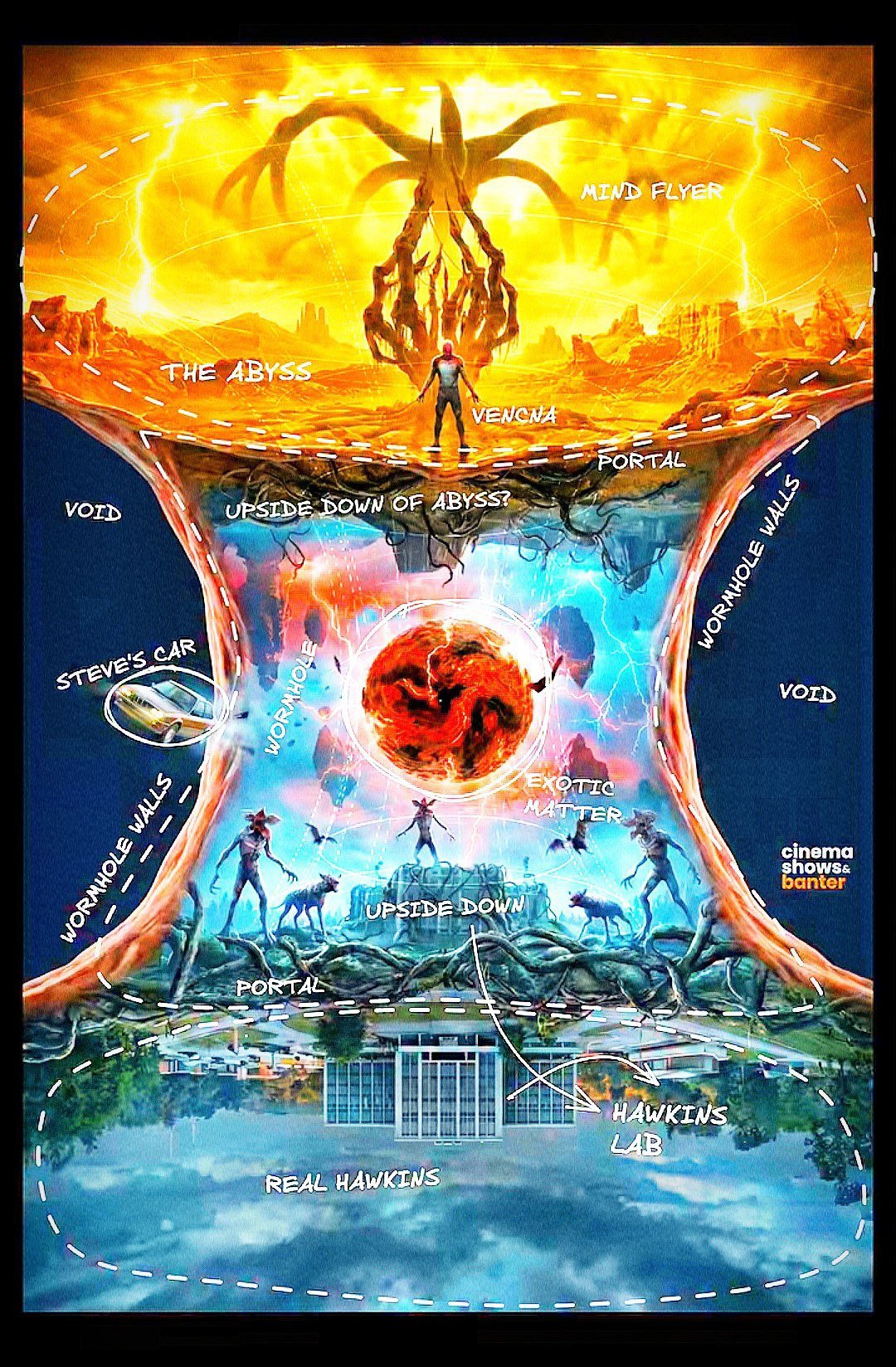
The writing process for the series finale was described by the brothers as an “ordeal” that tested their limits. The documentary captures late-night sessions where the duo agonized over how to provide satisfying arcs for over a dozen main characters. Balancing the lore of the Upside Down with the personal growth of the Hawkins kids required months of rewriting.
“There were days where we felt like we were drowning in our own mythology,” Ross admits. They describe the process as a puzzle where every piece had to fit perfectly, or the entire legacy of the show would crumble.
Mike’s Most Aggressive Move Came from Wolfhard Himself
In a lighter moment, the documentary confirms a long-standing fan theory about Mike Wheeler’s sudden surge in bravado. Apparently, the character’s insistence on being armed during the trek into the Abyss was a direct suggestion from Finn Wolfhard. During a rehearsal, Wolfhard joked that after four seasons of being chased by monsters,
Mike would have logically “found a way to get a permit.” The Duffers loved the idea of Mike taking a more proactive, defensive stance, signaling his transition from a scared kid to a leader willing to do whatever it takes to protect El.
Moving from the “why” to the “how,” the second act of the documentary focuses on the technical wizardry required to bring the Duffers’ vision to life, revealing that even with Netflix’s full backing, time and physics remained their biggest enemies.
Vecna’s Look Went Through 100 Revisions
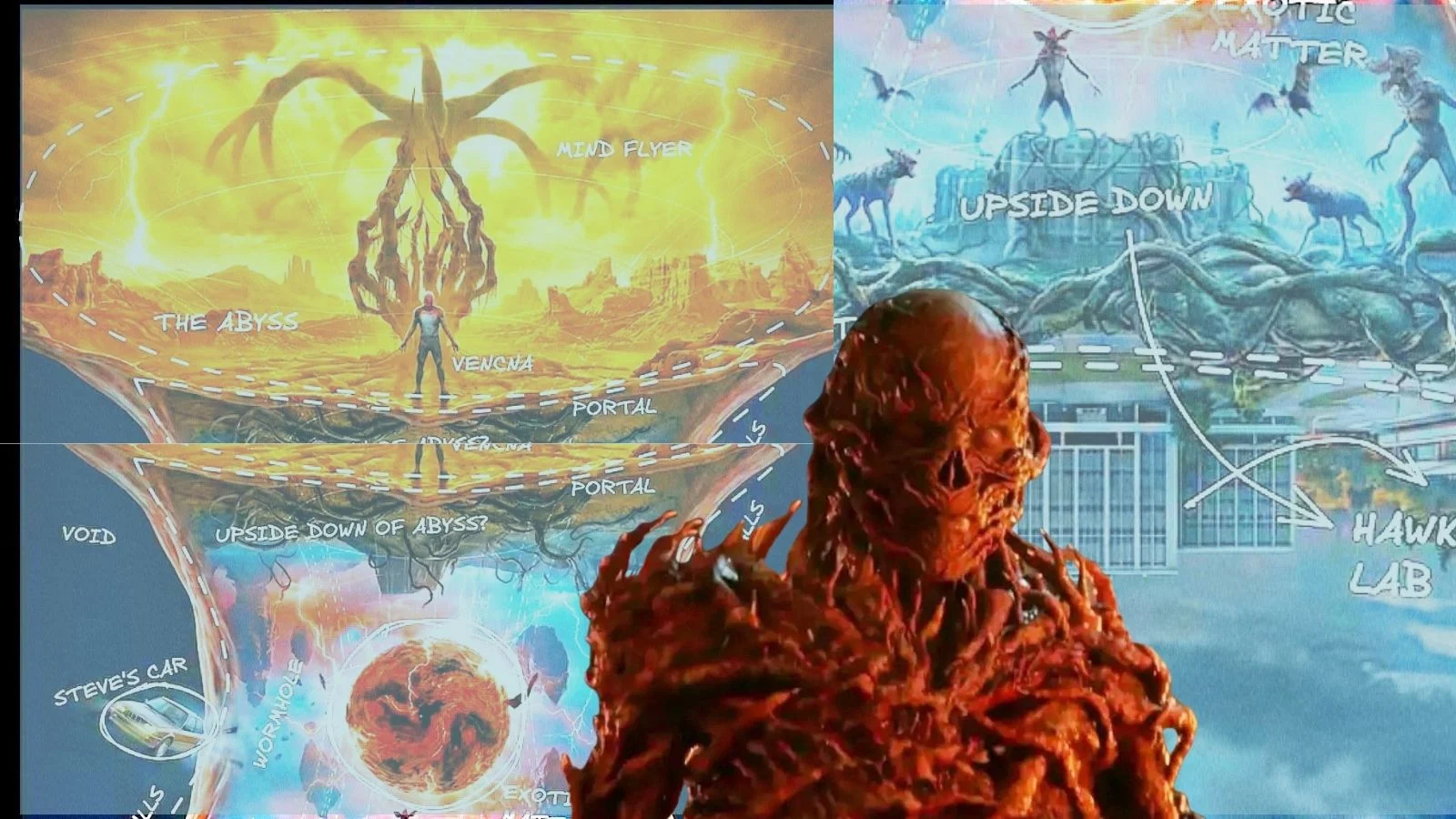
Vecna remains one of the most iconic villains in modern horror, but his evolution in the final season required a total rethink. The documentary reveals that the creature design team, led by legendary makeup effects artist Barrie Gower, went through nearly 100 different iterations for Vecna’s final form.
They experimented with different textures, degrees of “wetness,” and even color palettes that reflected his deepening connection to the Mind Flayer. The goal was to make him look more decayed yet more powerful, a transition that required Jamie Campbell Bower to spend upwards of eight hours in the makeup chair every single day.
The Duffers Decided to Share Directing Duties
While the Duffers have always been the captains of the ship, the sheer volume of Season 5 forced a shift in their workflow. The documentary details the moment they realized they couldn’t direct every second of the finale themselves while also overseeing post-production on earlier episodes. This led to a more collaborative environment with returning directors like Shawn Levy.
“It was a lesson in ego,” Matt Duffer says. “We had to trust our collaborators to carry our vision while we were stuck in the edit suite or the writers’ room.” This sharing of duties allowed the season to maintain its high quality despite a punishing schedule.
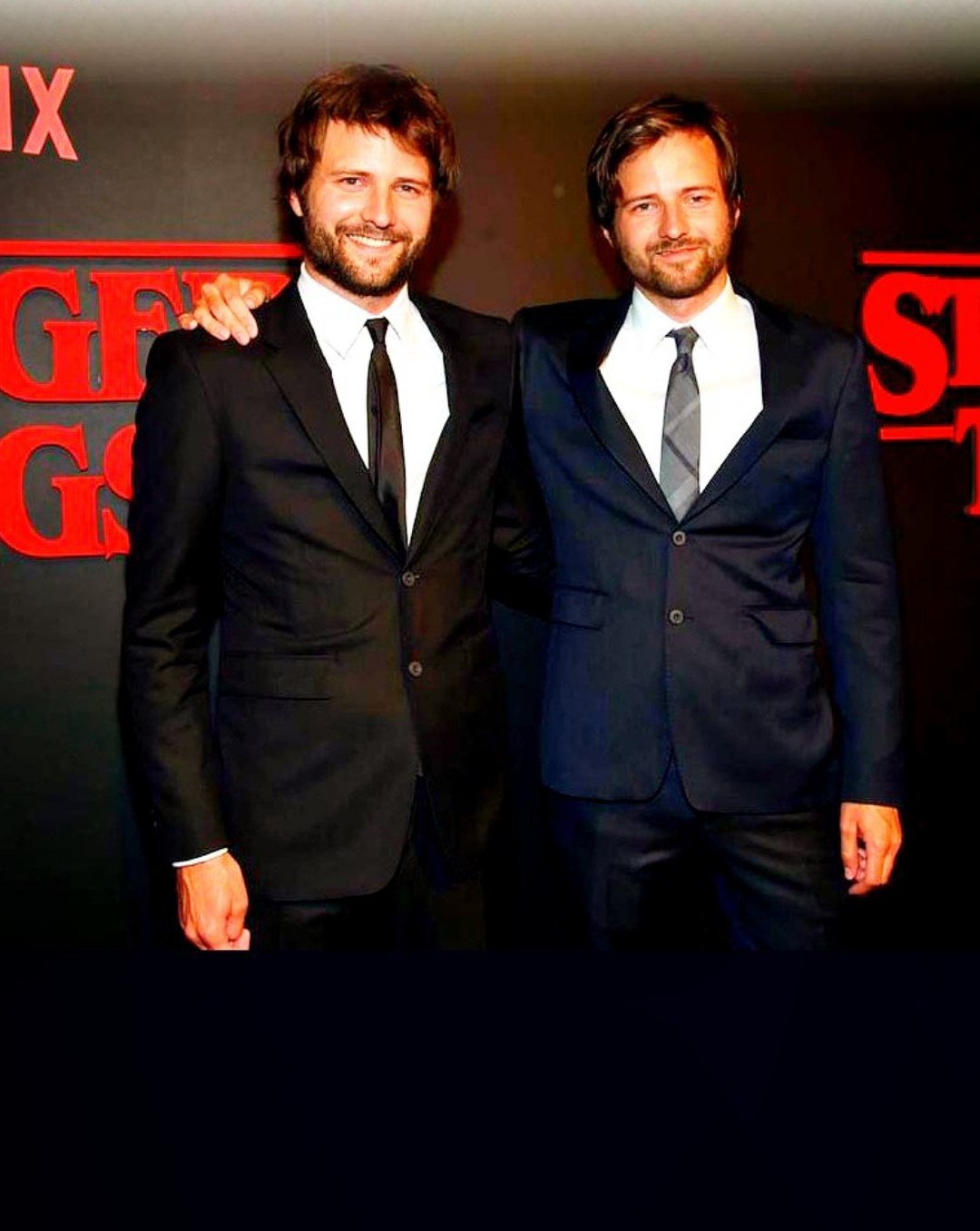
Time was precious
If there is one recurring theme in the documentary, it is the race against the clock. Between the aging of the cast, who were now significantly older than their on-screen counterparts, and the complexity of the visual effects, every day on set was meticulously planned. The documentary shows the “war room” where schedules were managed down to the minute.
Delaying a single scene in the Hawkins forest could ripple through the entire production, costing hundreds of thousands of dollars. This pressure created a “diamond-making” atmosphere, where the cast and crew had to deliver their best work under immense scrutiny.
The Wheeler house attack was a long-awaited sequence
For years, fans wondered when the monsters would finally breach the safety of the Wheeler suburban home. The documentary highlights the “Wheeler House Attack” as a sequence that the Duffers had been planning since Season 2. Filming the destruction of such a familiar set was emotional for the crew.
“Seeing that basement, where it all started, get ripped apart… it felt like the end of an era,” says Natalia Dyer (Nancy Wheeler). The sequence involved intricate stunt work and practical explosions, serving as a visceral reminder that nowhere in Hawkins was safe anymore.
As the documentary reaches its emotional climax, it addresses the human element of making the show, the friendships, the “happy accidents,” and the legacy left behind.
The emotional heft was real
The footage of the final “wrap” for each cast member is predictably tear-jerking. The documentary doesn’t shy away from the raw emotions of Millie Bobby Brown, Gaten Matarazzo, and Caleb McLaughlin as they say goodbye to the characters they’ve played for a decade.
Beyond the actors, the documentary captures the tears of the crew members who have been with the show since the pilot. This emotional investment is what the Duffers believe translated onto the screen. “You can’t fake that kind of history,” Ross Duffer explains. “The audience feels the weight because we were all feeling it on set.”
Despite the preparation and talent, things didn’t always go as planned
In a refreshingly honest segment, the documentary shows the “bloopers” that weren’t funny, the technical failures, the weather delays, and the creative disagreements. There is a sequence where a major practical effect involving a Demobat failed repeatedly, nearly forcing the production to pivot to full CGI.
Seeing these moments of frustration humanizes the process, reminding viewers that even the most successful show in the world is susceptible to the “chaos of the craft.” It was often these unplanned moments that led to better creative solutions, such as an improvised line of dialogue that became a standout moment in the finale.
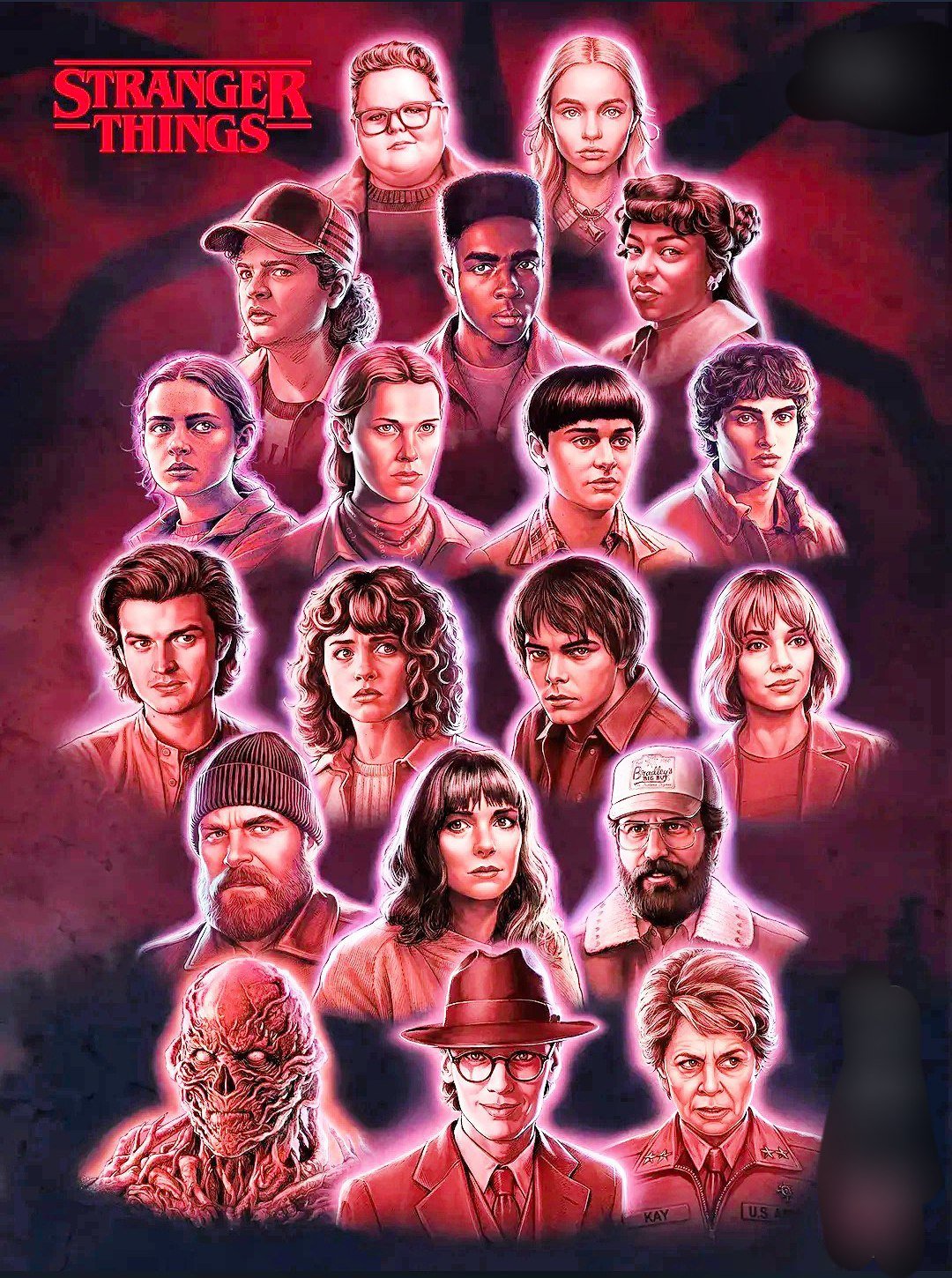
The Duffers’ real-life favorite teacher played Holly’s teacher
In a beautiful “full circle” moment, the documentary reveals a heartwarming cameo. The actress playing Holly Wheeler’s teacher in a pivotal school scene was actually the Duffer Brothers’ real-life favorite teacher from their childhood in North Carolina. They flew her out to the set as a surprise.
“She was the one who first told us we could be storytellers,” Matt Duffer shares. This meta-narrative of honoring one’s roots is woven throughout the documentary, mirroring the show’s own themes of memory and the power of the past.