
The Academy Awards love a good narrative. The comeback. The overdue legend. The shocking upset. The tearful speech runs long enough to make the orchestra nervous.
But within all the Hollywood mythology swirling around Oscar night, the Best Actor race quietly stands apart as a lens into the Academy’s changing definition of greatness. This category doesn’t just reward talent; it showcases how timing, industry politics, and evolving tastes shape the meaning of a truly memorable performance.
From the first-ever winner in 1929 to the rare performers who’ve managed to win twice, or even three times, the story of Best Actor isn’t just about talent. It’s about timing, industry politics, cultural change, and the strange ways the Oscars decide who gets remembered forever. Let’s take a walk through the club and see how it all began.
The Beginning- A Category Still Figuring Itself Out
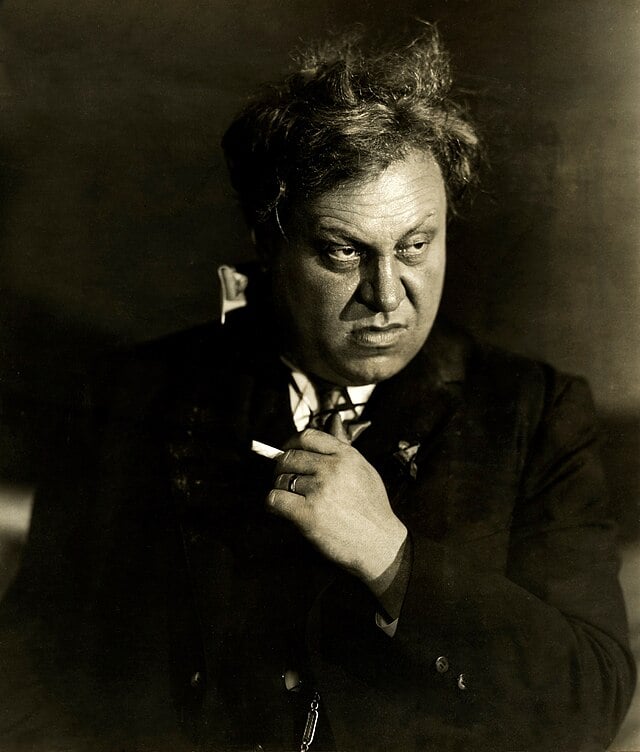
The first Best Actor Oscar went to Emil Jannings at the inaugural Academy Awards ceremony in 1929. The twist? He actually won for two performances, The Last Command and The Way of All Flesh, because early Oscars sometimes honored a body of work instead of a single role.
The rules quickly changed. By the early 1930s, the Academy settled into the structure we recognize today: one actor, one role, one statue. In those early decades, the winners often reflected Hollywood’s golden-age archetypes: heroic leading men with commanding voices and larger-than-life screen presence.
Actors like Gary Cooper, Spencer Tracy, and Fredric March dominated the era. Several of them picked up multiple wins, setting the first precedent that the Academy loves rewarding actors it already trusts.
But even back then, a strange pattern was emerging: the Oscars rarely crowned the same actor more than once. Winning once? Possible. Twice? Impressive. Three times? Nearly unheard of.
The Elite Club- Two-Time Winners
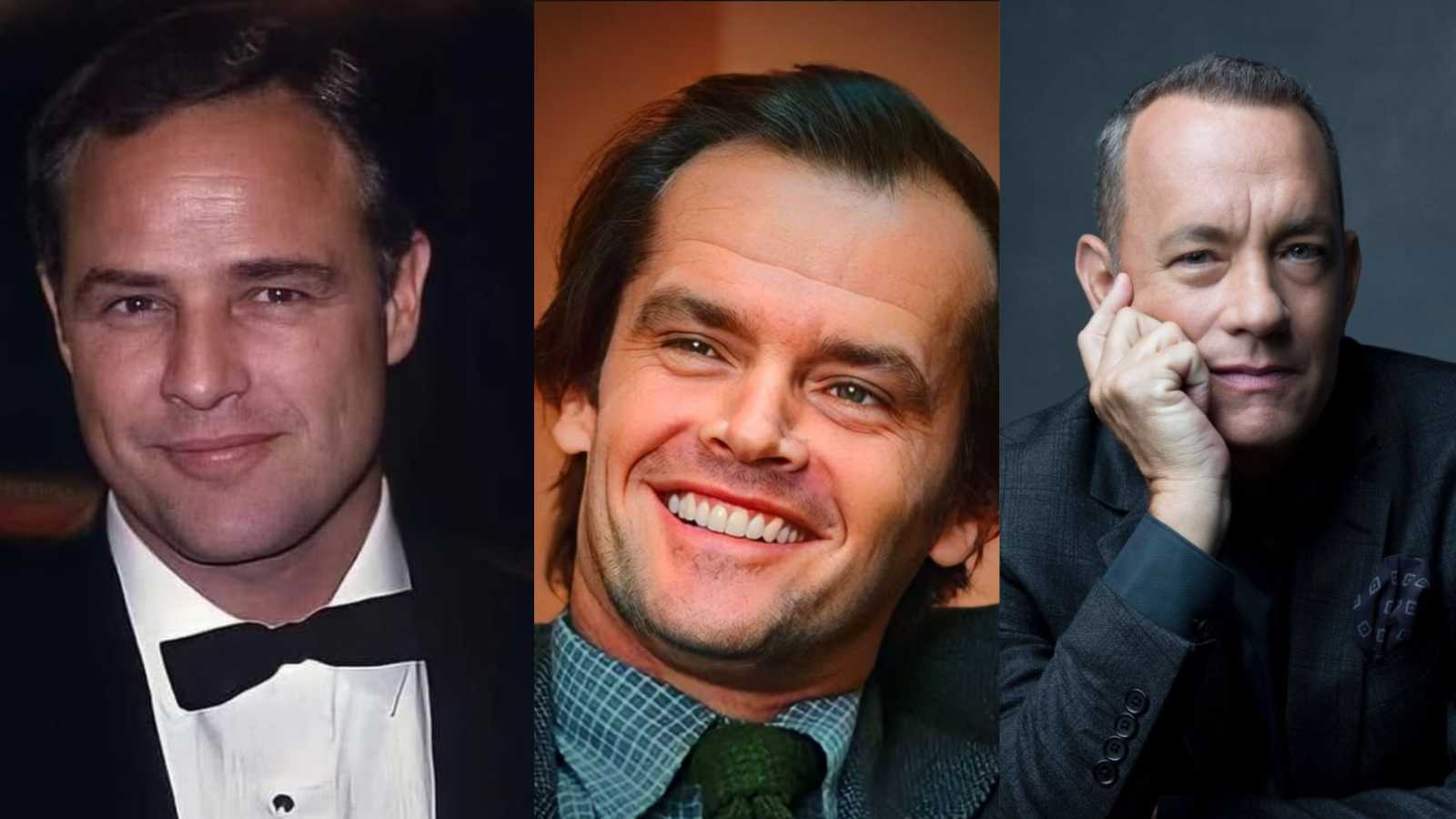
Despite nearly a century of awards, the list of actors who have won Best Actor more than once remains surprisingly short. Some of the most recognizable names in film history sit in this group:
Marlon Brando (On the Waterfront, The Godfather); Jack Nicholson (One Flew Over the Cuckoo’s Nest, As Good as It Gets); Dustin Hoffman (Kramer vs. Kramer, Rain Man); Tom Hanks (Philadelphia, Forrest Gump); Sean Penn (Mystic River, Milk); Anthony Hopkins (The Silence of the Lambs, The Father)
Each of them represents a slightly different era of acting. Brando’s win in the 1950s signaled the arrival of Method acting, a style that brought raw emotional realism to Hollywood. Nicholson embodied the rebellious anti-heroes of the 1970s and ’80s.
Hanks’ back-to-back wins in the 1990s made him the rare modern actor to dominate the category two years in a row, a feat not seen since Spencer Tracy did it in 1937 and 1938. And yet, even these giants never managed to reach three wins, which brings us to the outlier.
The One Man Who Broke the Ceiling
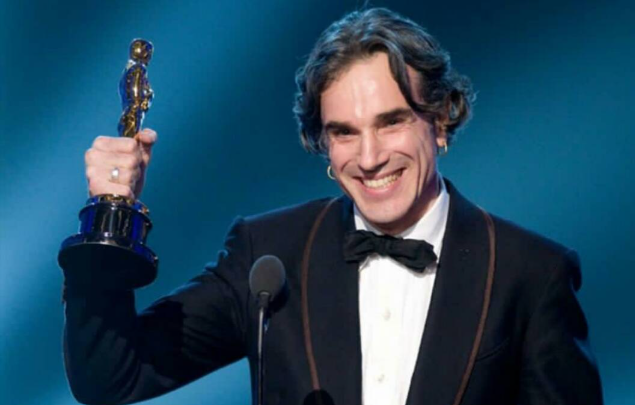
In 2013, Daniel Day-Lewis did something no other male actor had ever accomplished: he won his third Best Actor Oscar for portraying Abraham Lincoln. His previous wins came for My Left Foot (1989) and There Will Be Blood (2007).
Three statues. Three wildly different characters. Three decades apart. That’s what people often overlook: Day-Lewis didn’t dominate a single period; he resurfaced over generations and still won. Even more fascinating is how selective he’s been.
His entire film career includes relatively few roles compared with many of his Oscar peers, yet his performances routinely become awards-season juggernauts. In other words, he didn’t win often because he worked often. He won because every appearance felt like an event.
The Record That Might Never Be Broken
Here’s the wild thing about Day-Lewis’ record: it may stand for a very long time…. not because other actors aren’t talented enough, but because the Academy itself has changed. Modern Oscar voting spreads recognition across a broader range of performers.
The industry is more global, more diverse, and less likely to crown the same leading man repeatedly. Think about the actors widely considered the best of their generation: Leonardo DiCaprio, Denzel Washington, Joaquin Phoenix, and Christian Bale.
Each has either one or two wins, but none are close to three. Even actors with enormous acclaim sometimes walk away empty-handed. Peter O’Toole, for instance, received eight Best Actor nominations without ever winning competitively. That’s not bad luck. It’s the Oscars doing what they often do: spreading the spotlight around.
The Quiet Truth About the Best Actor Category
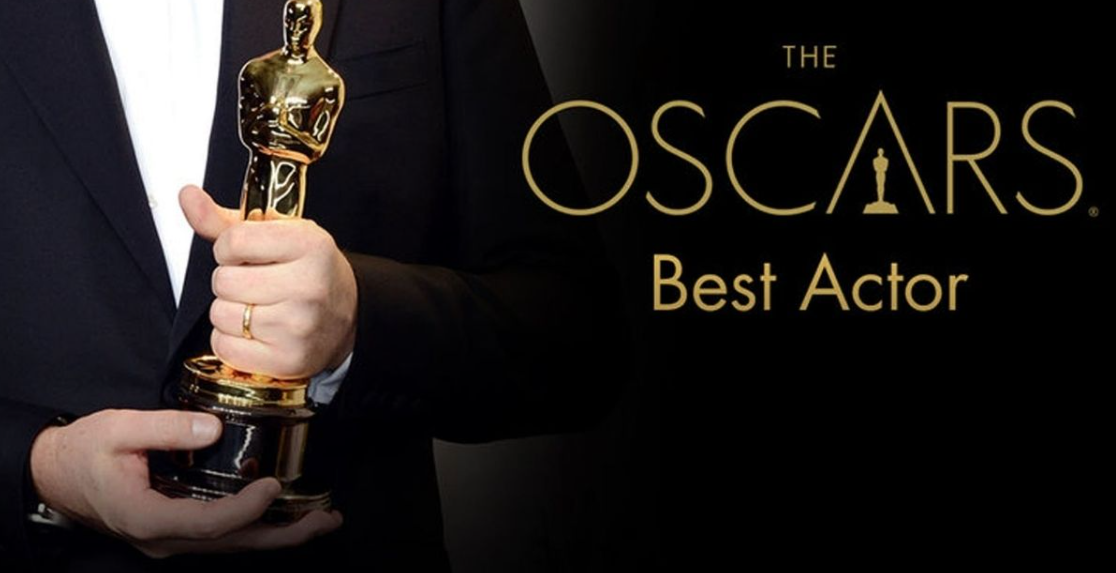
Here’s the key takeaway: Best Actor is rarely about the absolute best acting alone. Instead, it’s about how personal and career narratives intersect with the Academy’s definition of greatness at a particular moment. Consider the pattern: The “overdue legend” wins, The “career narrative” wins, The “makeup Oscar” after previous snubs.
In fact, many industry observers believe the Academy often honors a body of work behind a single performance. It’s why some actors win for roles that critics consider merely good rather than career-defining.
And it’s why some extraordinary performances… think of the long list of nominees who never won, fall through the cracks. In other words, the Best Actor Oscar is part artistic recognition, part storytelling device. Hollywood loves a narrative arc. The Oscars put a trophy on it.
The Cultural Milestones
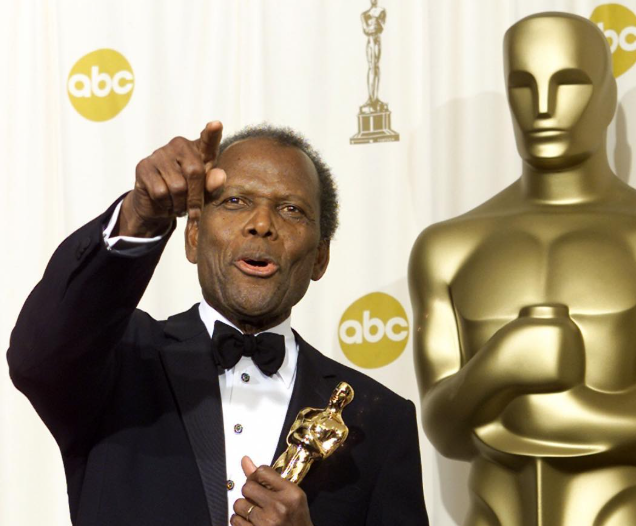
Despite its quirks, the category has also delivered some genuinely historic moments. In 1964, Sidney Poitier became the first Black man to win Best Actor for Lilies of the Field. In 1973, Marlon Brando refused his Oscar for The Godfather, sending activist Sacheen Littlefeather to protest Hollywood’s treatment of Native Americans.
Decades later, the category continues to reflect shifts in Hollywood… both its progress and its growing pains. Recent winners like Cillian Murphy, Brendan Fraser, and Will Smith highlight how varied the modern Best Actor lineup has become.
From intense biopics to emotional comeback stories, the category now rewards performances that might not have fit traditional Oscar molds decades ago.
Why the First Win Still, And Will Always Mean the Most
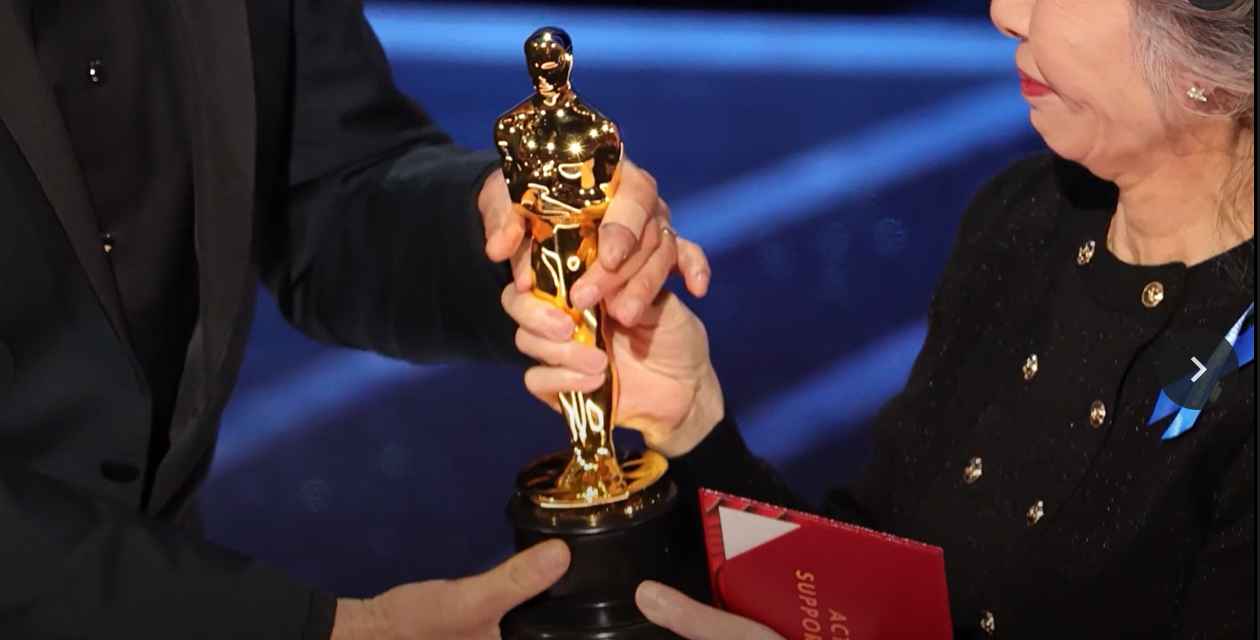
For all the records and statistics, the most electrifying moment in this category remains the same: the first win… that moment when an actor hears their name and looks genuinely stunned.
Because, unlike technical categories or even Best Picture, acting awards carry a unique weight. They’re intensely personal. The result of years, sometimes decades, of chasing a role that finally lands at the perfect moment.
For every three-time champion, there are dozens of performers whose careers are defined by a single Oscar night. And maybe that’s why the Best Actor race remains one of the most compelling traditions in Hollywood. Not because of who wins the most… but because each winner defines greatness in that unique moment in film history.
And if Oscar history has taught us anything, it’s this: The next great performance might come from a first-time nominee… or from a legend we thought the Academy had already finished rewarding.
Oscar history shows us that, regardless of the winner’s background or legacy, each new award renews the story of achievement in film. The tradition continues, promising more memorable moments and surprises with every ceremony.