The myth of the “lone genius” singer-songwriter is one of the most persistent illusions in pop culture. We love to imagine our favorite idols hunched over a notebook at 3 AM, bleeding lyrics onto the page in a moment of pure, unadulterated inspiration. But as guitarist and songwriter Jim Heald observed on Reddit, that image is increasingly a relic of the past.
Heald noted that while legendary figures like Paul McCartney, Paul Simon, or Joni Mitchell were the architects of their own universes, the modern landscape is vastly different. He estimated that across all levels of the industry, fewer than 50% (and perhaps as few as 25%) of artists write the majority of their own material. “That’s a reflection of the music business and increasing commodification of songs,” Heald argued.
Songs are products to be sold and consumed rather than shared as personal expressions.” This shift has turned the industry into a high-stakes game of musical chairs, where a track might be tailored for one superstar, rejected, and then passed to another who turns it into a career-defining anthem.
(You Make Me Feel Like) A Natural Woman
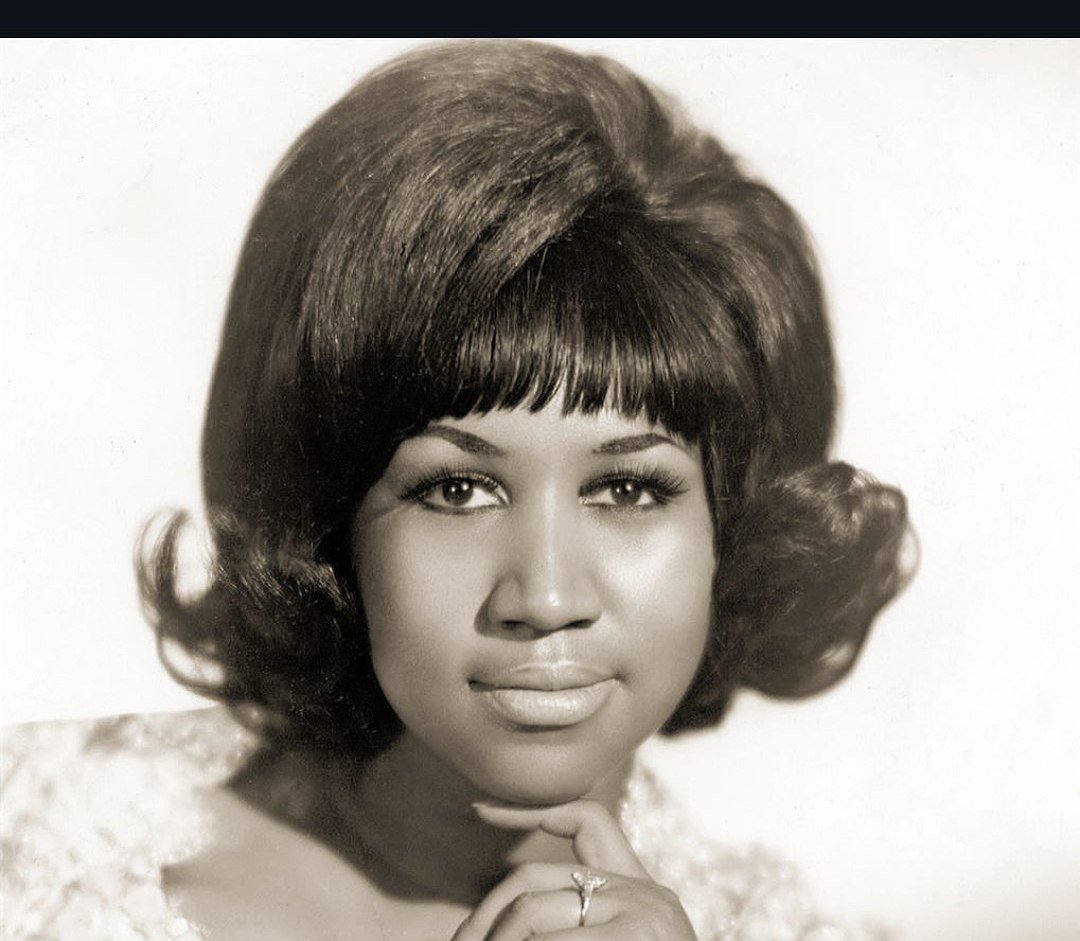
When Aretha Franklin’s ” (You Make Me Feel Like) A Natural Woman” fills a room, it feels like an elemental force of nature. However, the soul anthem was actually a bespoke creation by the legendary songwriting duo Carole King and Gerry Goffin. As King detailed in her memoir, A Natural Woman, the song was born after Atlantic Records producer Jerry Wexler shouted to them from a moving car that he wanted a “natural woman” song for Aretha.
King and Goffin went home and wrote it that night. While Franklin’s performance is the definitive version, King later reclaimed the track for her 1971 masterpiece Tapestry, offering a more hushed, folk-leaning interpretation. The song remains a masterclass in how a writer can capture a specific performer’s essence before they’ve even heard the first note.
“Play” by J.Lo
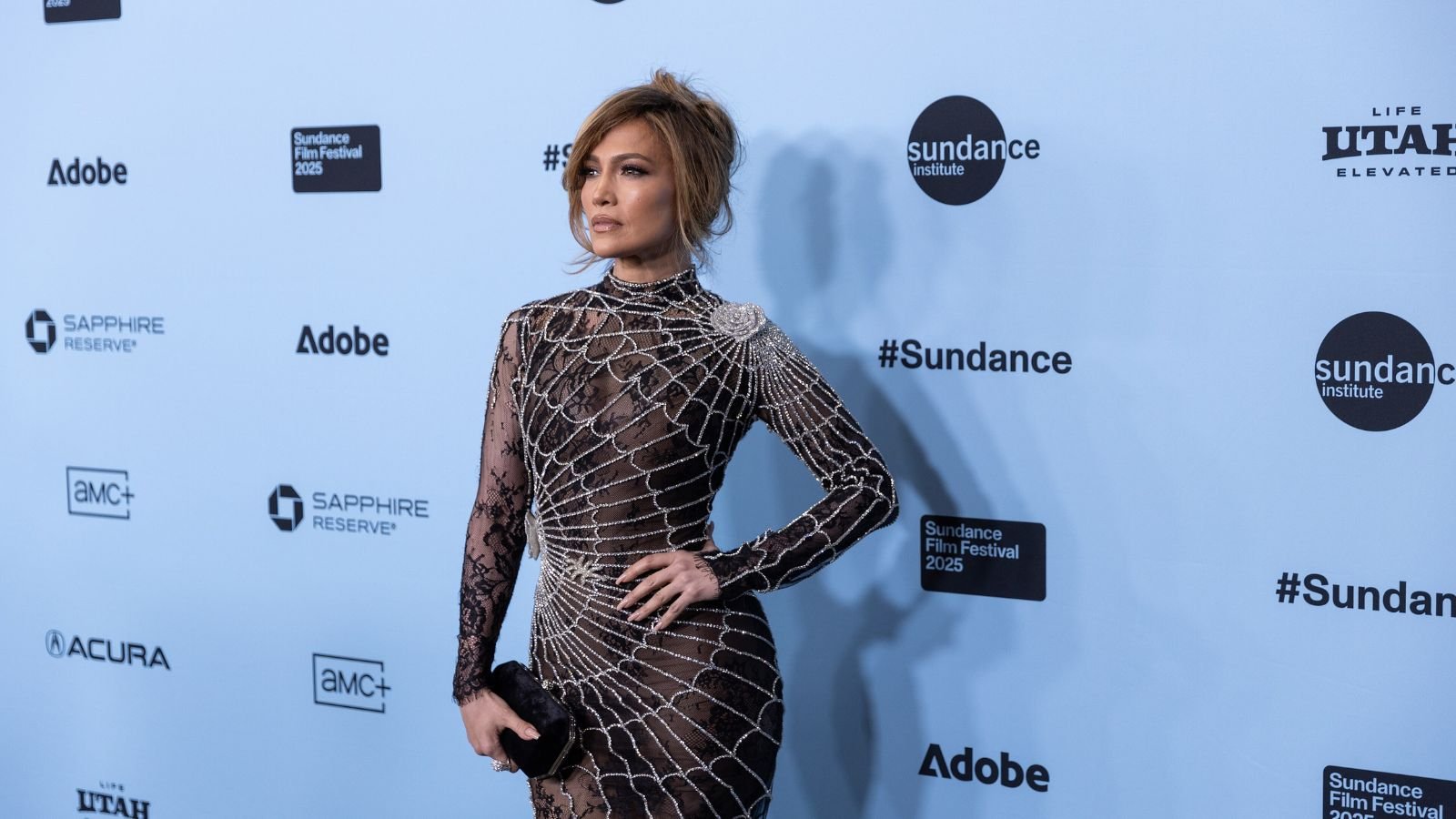
In 2001, Jennifer Lopez was transitioning from a rising star to a global pop juggernaut with her album J.Lo. One of the standout tracks, the infectious dance-pop hit “Play,” actually features the penmanship and some of the vocals of Christina Milian. Before Milian became a household name with “AM to PM,” she was a prolific songwriter.
In various interviews, including a deep-dive with E! News, Milian has addressed the “Play” era, confirming she wrote the track and even provided the background vocals that define the chorus. It’s a classic example of a rising star providing the fuel for an established icon’s engine, and the track remains a staple of early-2000s nostalgia playlists.
“Baby” by Bieber
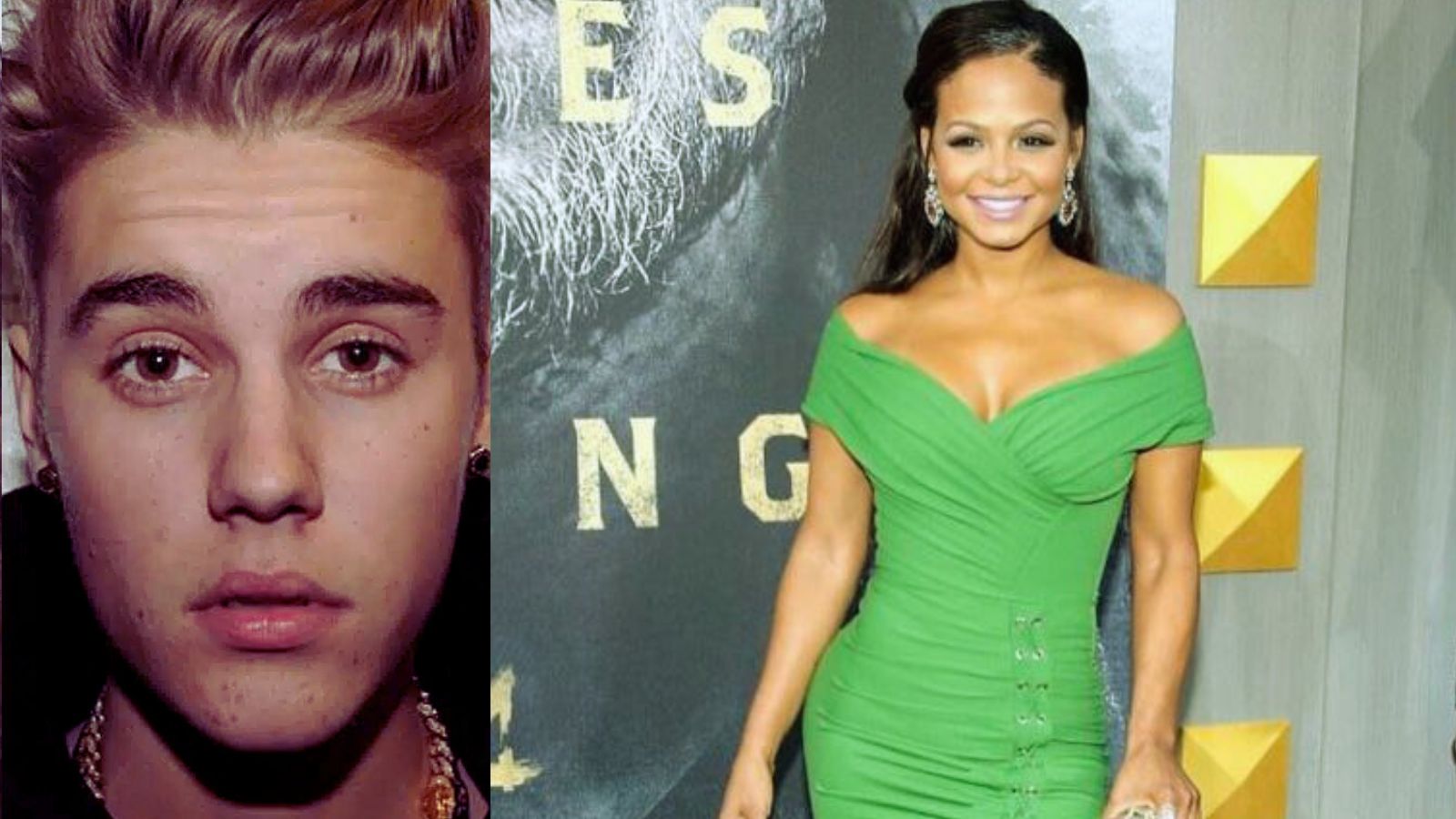
The 2010s were effectively defined by the “Bieber Fever” sparked by “Baby.” While Justin Bieber’s name is synonymous with the track, the writing credits reveal a powerhouse team, including Christina Milian (often credited under her birth name or alongside her then-husband The-Dream).
Milian’s knack for catchy, rhythmic hooks provided the foundation for Bieber’s transition from YouTube sensation to the biggest pop star on the planet. This wasn’t just a “teen” song; it was a meticulously crafted piece of pop machinery that utilized Milian’s deep understanding of R&B-pop crossover appeal.
“Pleasant Valley Sunday” by The Monkees
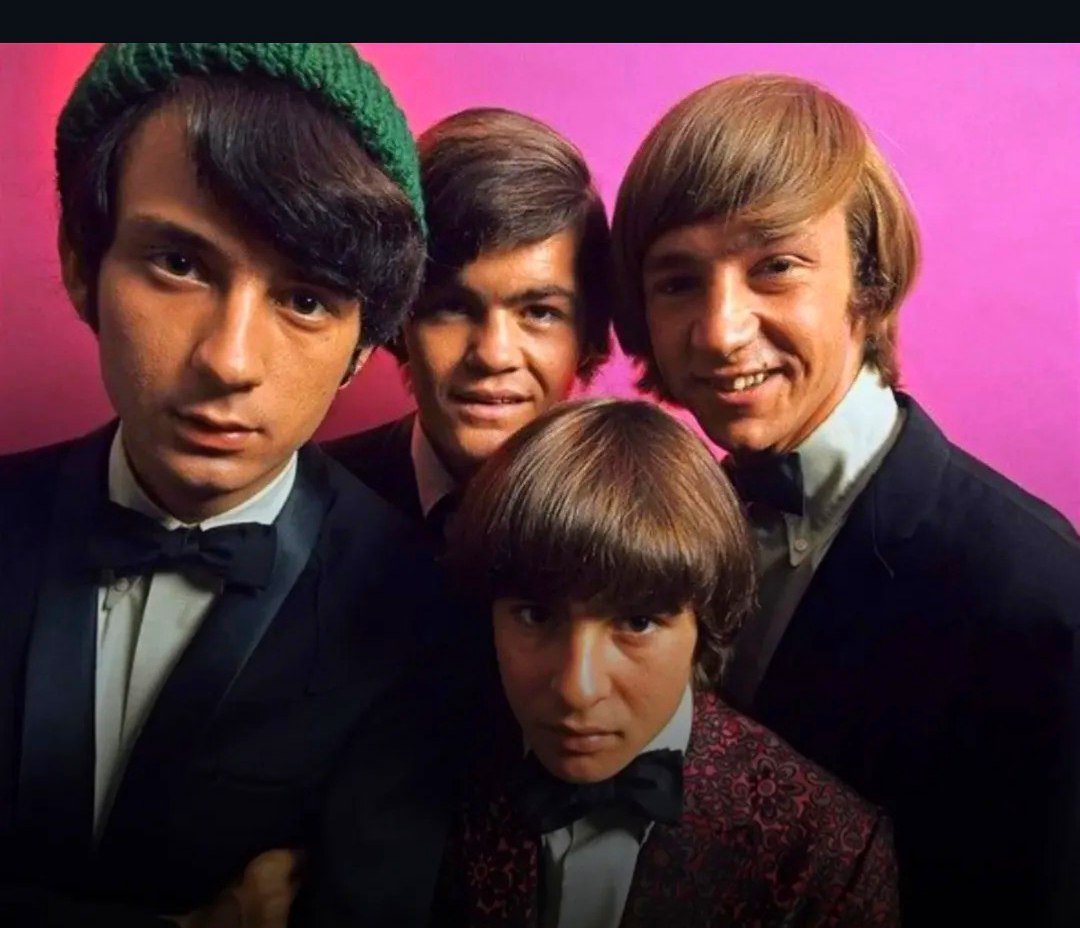
Long before she was the voice of the “sensitive 70s,” Carole King (again with Gerry Goffin) was the secret weapon for The Monkees. “Pleasant Valley Sunday” is often remembered as a breezy 1967 radio hit, but look closer at the lyrics, and you’ll see King’s sharp social commentary on suburban boredom.
According to reports on 1960s pop culture, Goffin and King wrote the song about a street in West Orange, New Jersey. The Monkees brought the charisma, but King provided the intellectual grit. It’s a testament to her versatility: she could write a soulful ballad for Aretha one day and a biting piece of social satire for a TV band the next.
“Umbrella” by Rihanna
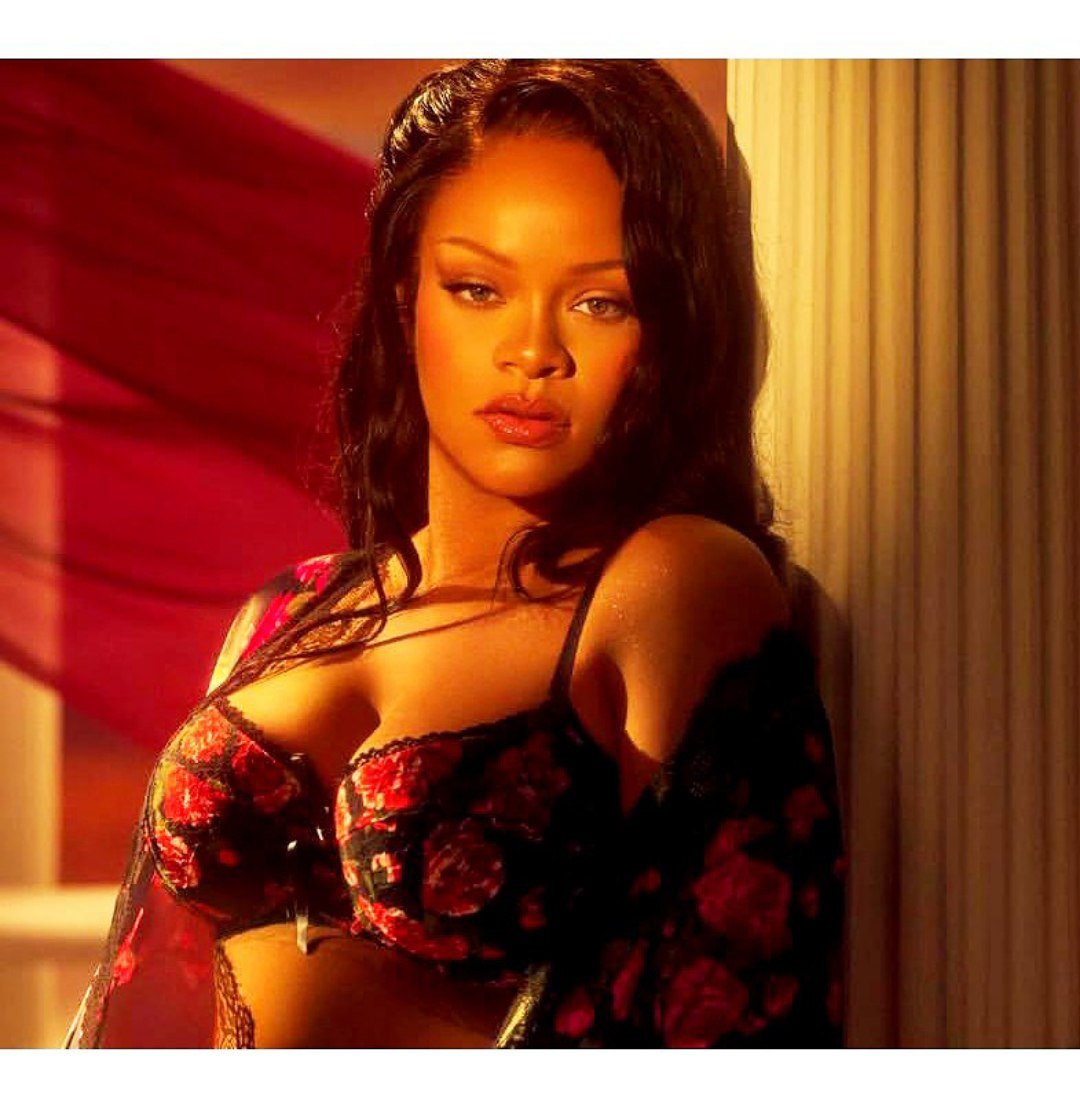
It is almost impossible to imagine “Umbrella” without Rihanna’s signature “ella, ella” hook, but the track was famously shopped around before landing in her lap. Written by The-Dream (Terius Nash) and Tricky Stewart, the song was originally intended for Britney Spears, whose label famously passed on it.
According to reports, the song was then offered to Mary J. Blige before Rihanna’s team fought for it. The-Dream has frequently spoken about how he knew the track was a “career-changer.” His ability to create a “sonic atmosphere” paved the way for Rihanna to move from Caribbean-infused pop to the edgy, “Good Girl Gone Bad” persona that defined the rest of her career.
“I’m a Slave 4 U” by Britney Spears
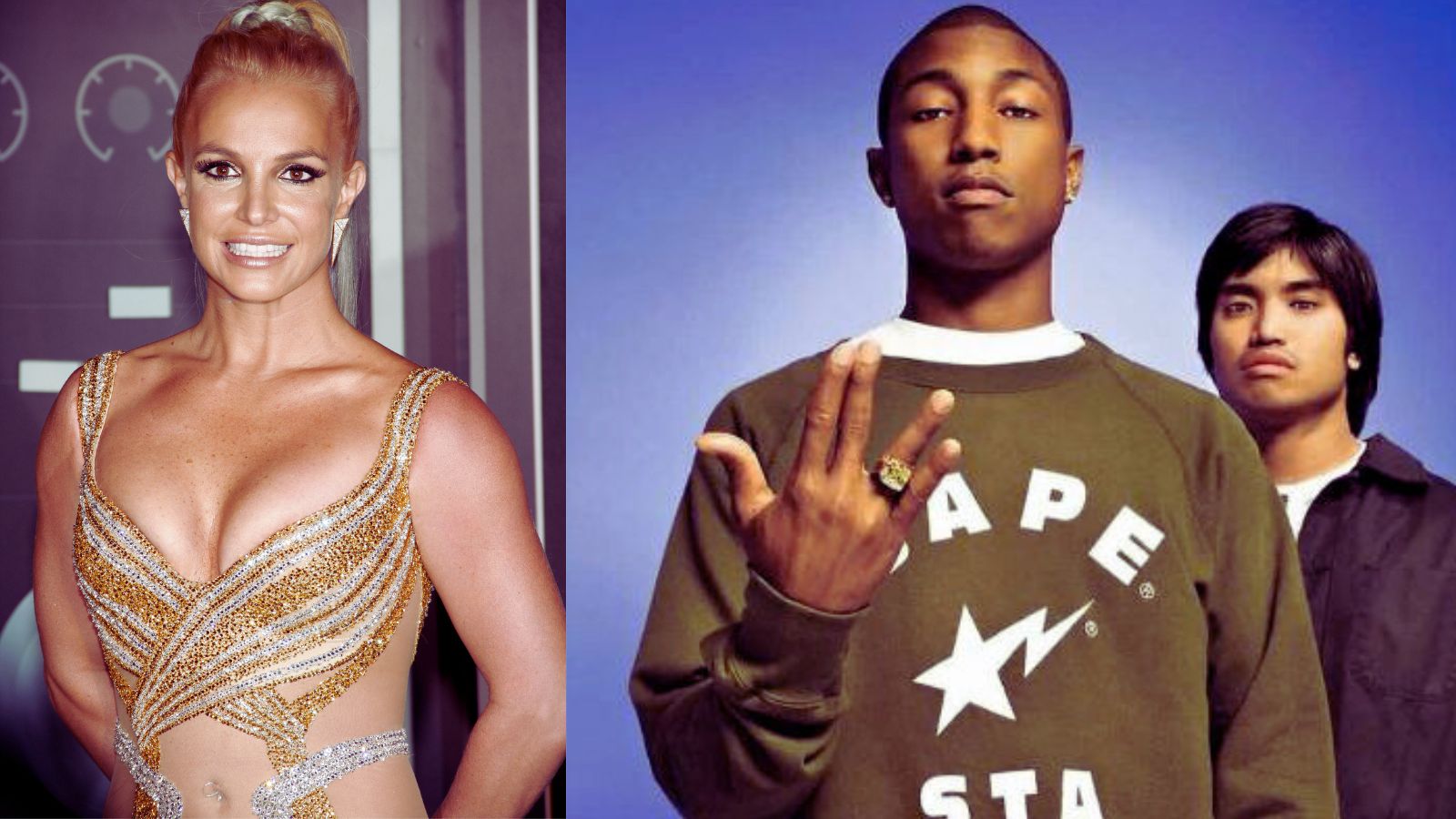
“I’m a Slave 4 U” was a radical departure from the Max Martin pop sound of her previous albums and was written by Pharrell. Pharrell has confirmed in interviews that the track was originally written with Janet Jackson in mind. When Janet passed, Britney stepped in, delivering a breathy, minimalist performance that changed the sound of pop music.
The Neptunes’ signature dry drums and synthesized chirps made the song an instant classic, proving that Pharrell’s “left-of-center” production was exactly what mainstream pop needed to evolve.
“Rock Your Body” by Justin Timberlake
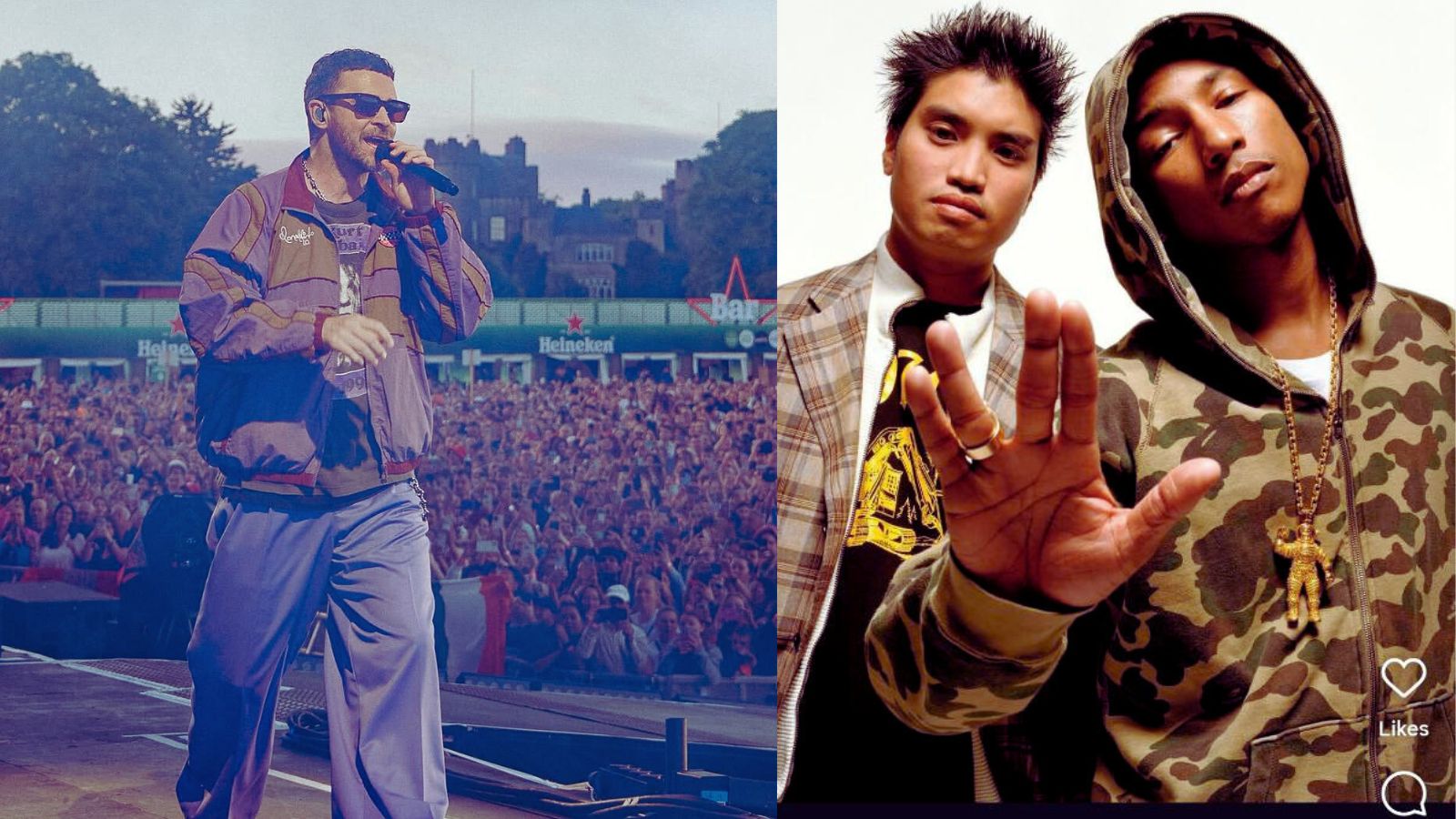
Continuing the theme of “songs meant for others,” Justin Timberlake’s “Rock Your Body” was another Pharrell Williams and Chad Hugo production that was originally slated for Michael Jackson’s Invincible album. As reported by Entertainment Weekly, after Jackson’s team declined the material, Pharrell passed it to Timberlake for his solo debut, Justified.
You can still hear the MJ influence in the beat’s structure and the falsetto-heavy hooks. This moment didn’t just give Timberlake a hit; it solidified Pharrell as a “kingmaker” of the early 2000s, capable of taking a rejected concept and turning it into a defining moment for a new solo artist.
“Irreplaceable” by Beyoncé
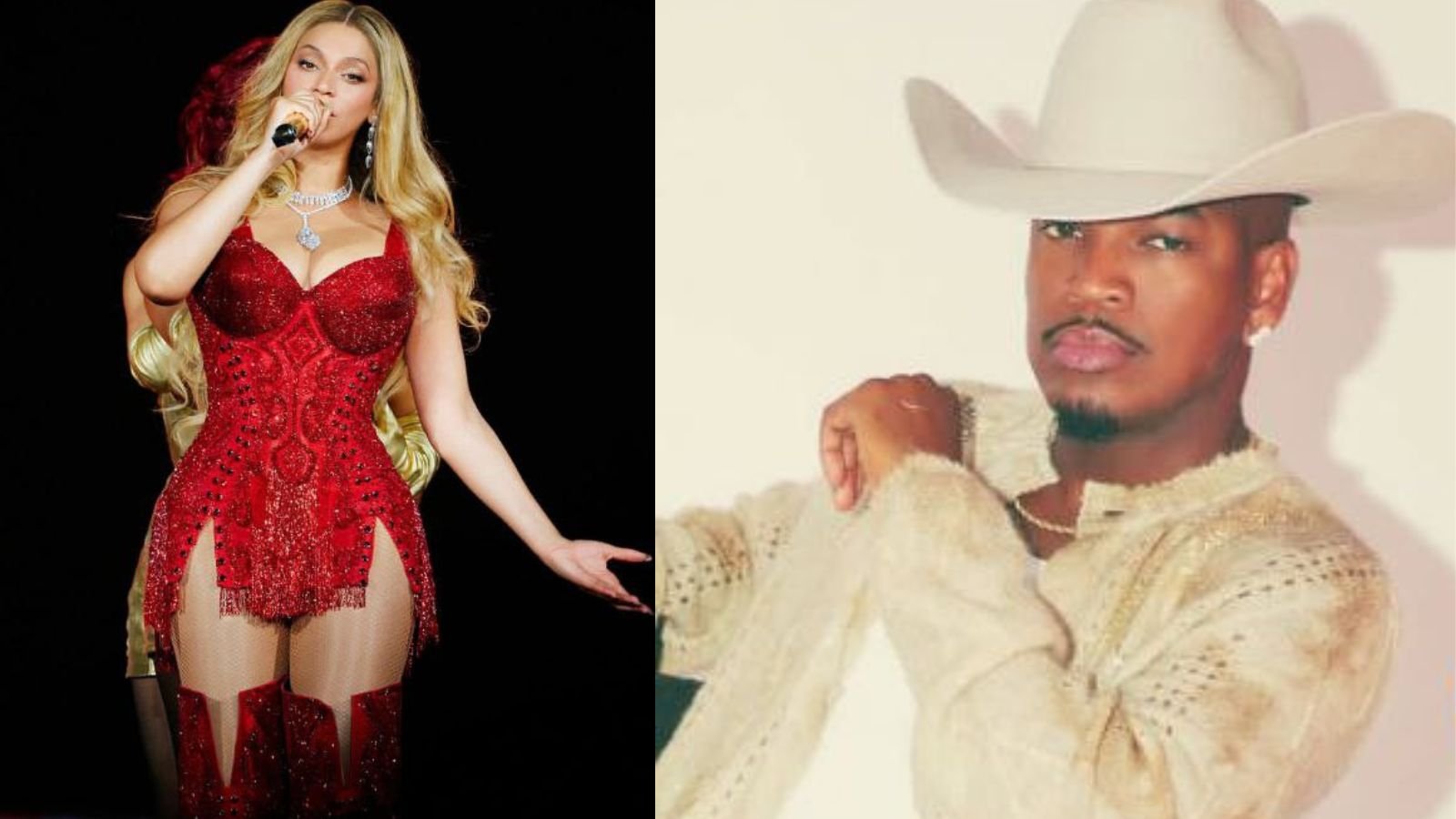
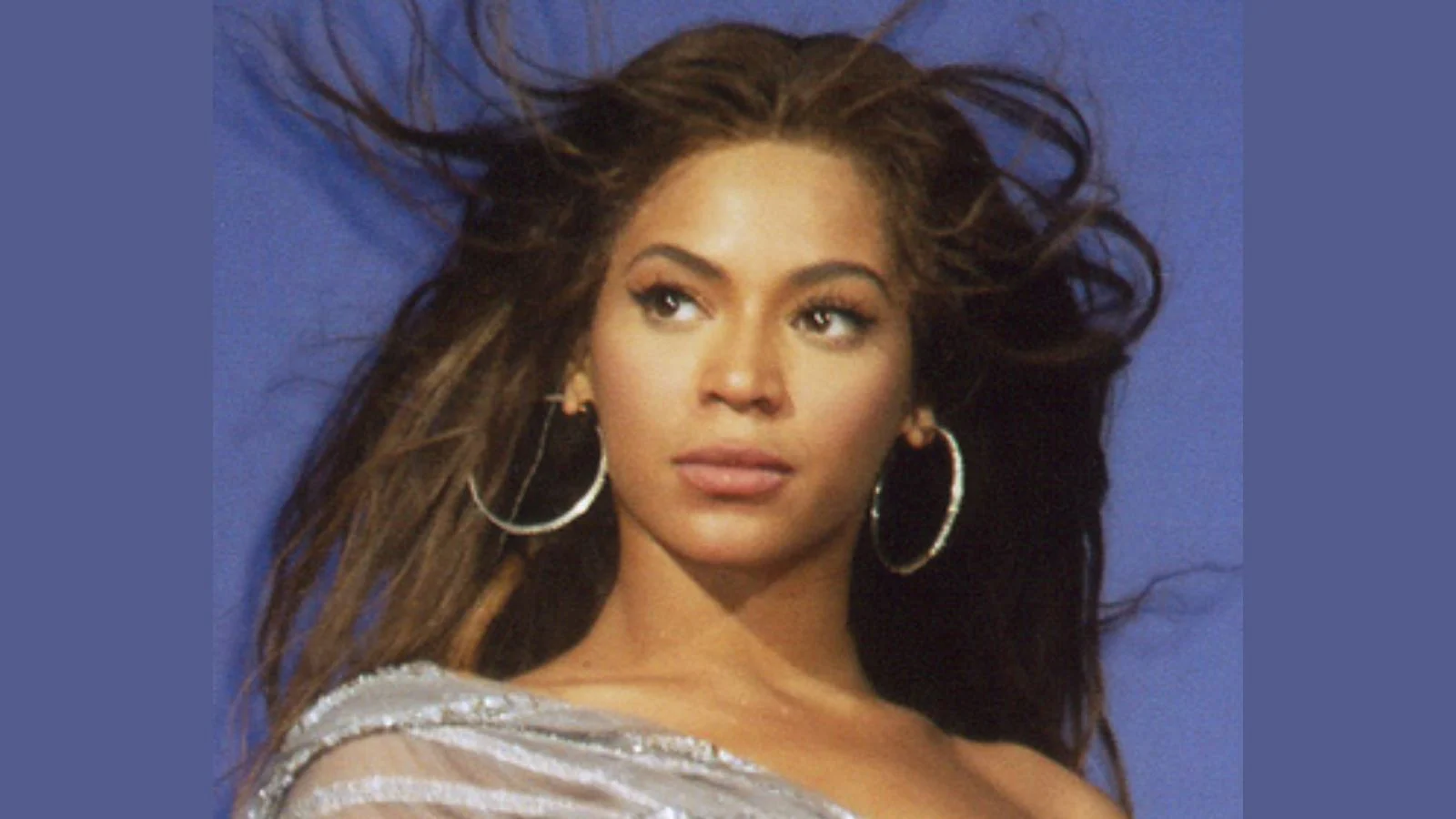
“To the left, to the left” became a global mantra thanks to Beyoncé, but the song’s origin lies with R&B crooner Ne-Yo. Initially, Ne-Yo wrote it as a country-leaning track, inspired by a real story from his aunt. But once he clocked how spicy some of the lyrics were, Ne-Yo realized doing the song himself might not sit right with his female fans. So he made the call: this song needed a woman’s voice.
Then came Beyoncé. She didn’t just sing it, she reshaped it, refining the production and giving it that bold B’Day energy. While there has been online speculation over the years about how much of the “sass” was Ne-Yo vs. Beyoncé, Ne-Yo has consistently credited her for making it a female empowerment anthem, proving that sometimes a songwriter’s best work finds its true voice in the hands of another.