The 83rd Annual Golden Globe Awards proved that Hollywood still knows how to throw a party and keep the internet talking for days. Hosted by comedian Nikki Glaser, who returned for a second consecutive year, the ceremony at the Beverly Hilton on January 11 was a masterclass in balancing high-stakes prestige with the kind of unpredictable energy that has defined the Globes for decades.
From historic wins for Brazilian cinema to Teyana Taylor’s “bejeweled” red carpet statement, the night offered a vivid snapshot of an industry in the midst of a stylistic and cultural shift.
The Big Winners and the History-Making Speeches
The evening’s big winners were clear early on: Paul Thomas Anderson’s One Battle After Another and the Netflix limited series Adolescence dominated their respective fields, each walking away with four trophies. Anderson’s film secured Best Motion Picture (Musical or Comedy), while Adolescence took home Best Limited Series.
But beyond the tally of trophies, the night was defined by a series of emotional “firsts.” Wagner Moura made history as the first Brazilian actor to win Best Actor in a Motion Picture (Drama) for his role in The Secret Agent, a film that also took home the prize for Best Non-English Language Motion Picture.
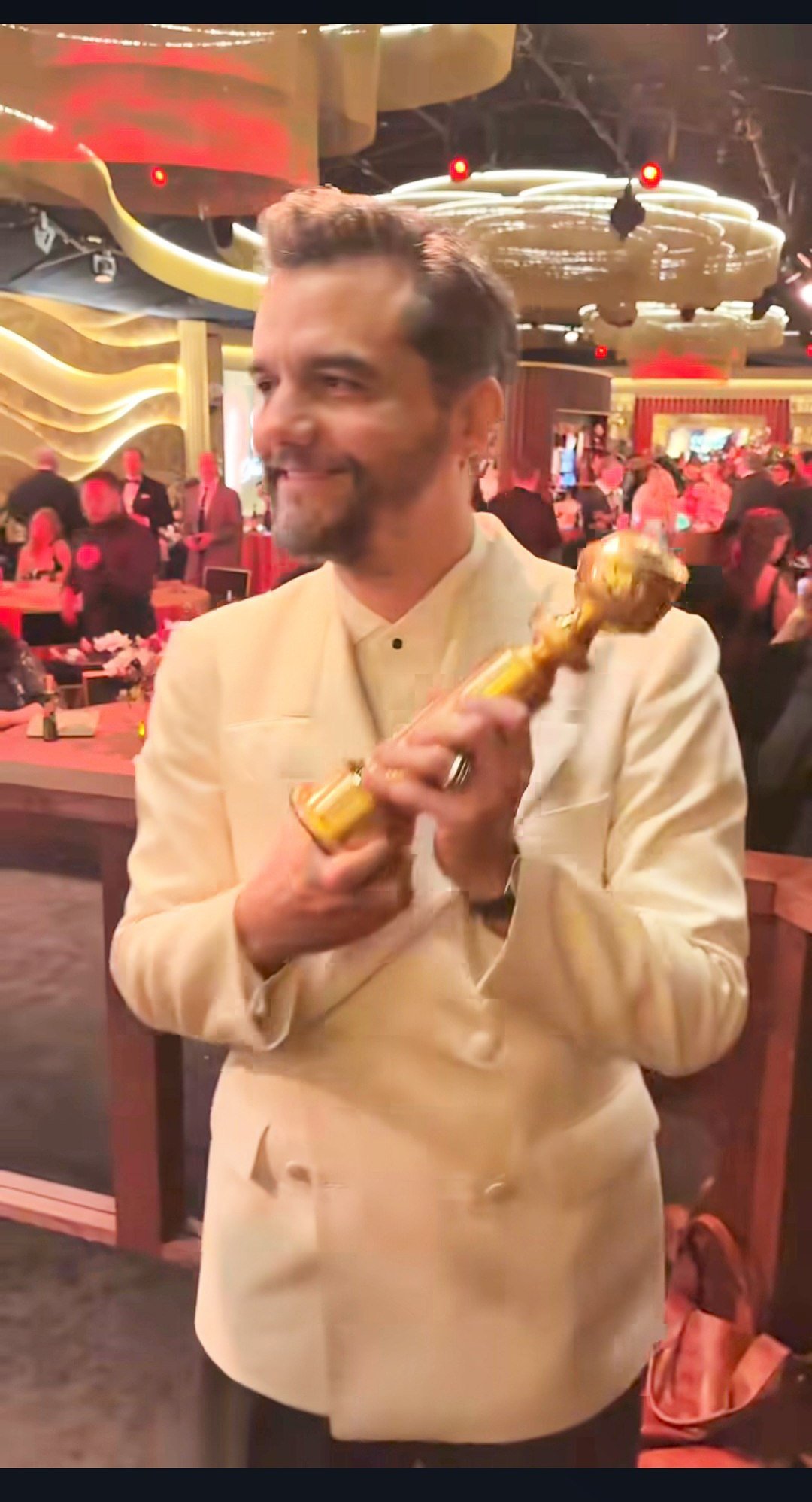
“This is a film about memory, or the lack of memory, and generational trauma,” Moura said during a poignant acceptance speech that resonated deeply with the room. He emphasized that while trauma can be passed down, so can values, dedicating the win to those “sticking with their values in difficult moments.” His victory marks a continuing streak for Brazilian talent following Fernanda Torres’ win the previous year, signaling a growing international influence on the Hollywood Foreign Press Association’s successor organization.
Nikki Glaser’s monologue set a sharp, satirical tone for the night, addressing online chatter and industry scandals with her signature roast-style delivery. She didn’t hold back on perennial favorite targets, joking that the Globe for Best Editing should go to the Justice Department for their work on the redacted Epstein files.
She also poked fun at Leonardo DiCaprio’s well-documented dating history, quipping that he has achieved legendary career heights “all before his girlfriend turned 30.” While the room erupted in laughter, Glaser maintained a level of “reverence for her subjects,” as noted by several critics, ensuring the jabs felt more like a community roast than a malicious attack.
The Red Carpet Look That Broke the Internet
One of the most talked-about moments of the night happened away from the podium and on the red carpet. Teyana Taylor, who won Best Supporting Actress for One Battle After Another, sparked a massive social media conversation with her custom Schiaparelli gown.
The dress featured a “bedazzled thong” detail that peeked through a daring back cutout, a look that fashion critics labeled as a defining moment for the “peekaboo lingerie” trend.
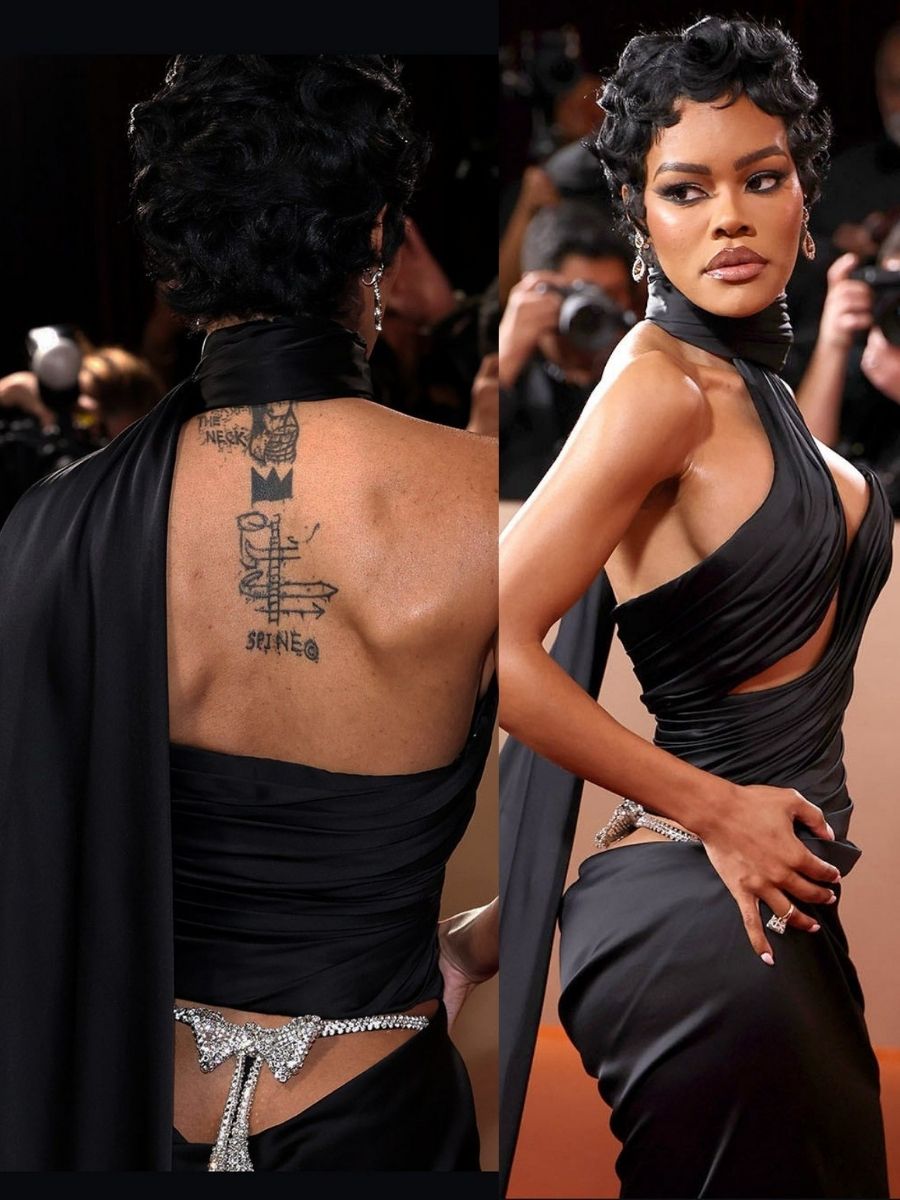
Taylor’s win was equally significant. In her emotional acceptance speech, she spoke directly to “little Brown girls watching tonight,” stating, “Our softness is not a liability. Our depth is not too much. Our light does not need permission to shine.” The moment was a powerful reminder of the platform these awards provide for underrepresented voices.
The discourse surrounding her outfit, ranging from praise for her “sartorial risk-taking” to debates over red-carpet etiquette, underscores the intense scrutiny celebrities face when they choose to push fashion boundaries.
The 2026 ceremony also introduced a new category: Best Podcast. In a field that included heavyweights like SmartLess and Call Her Daddy, Amy Poehler took home the inaugural trophy for Good Hang. Presenter Snoop Dogg provided a moment of levity (and a brief FCC-mandated silence) when he admitted to being “high as a motherf*****” on stage, a comment that was quickly censored for the live broadcast but immediately went viral on X (formerly Twitter).
Politics and Personal Antics Take Center Stage
The night wasn’t without its political undertones. Several stars, including Jean Smart, Mark Ruffalo, and Natasha Lyonne, wore “BE GOOD” pins to protest recent actions by Immigration and Customs Enforcement (ICE). Smart, who won Best Actress in a TV Musical or Comedy for Hacks, used her time at the mic to urge the audience to “do the right thing,” referencing a recent tragedy in Minneapolis. This blend of high fashion, humor, and social commentary has become a hallmark of the modern Golden Globes, as the ceremony attempts to reclaim its status as a vital part of the cultural zeitgeist.
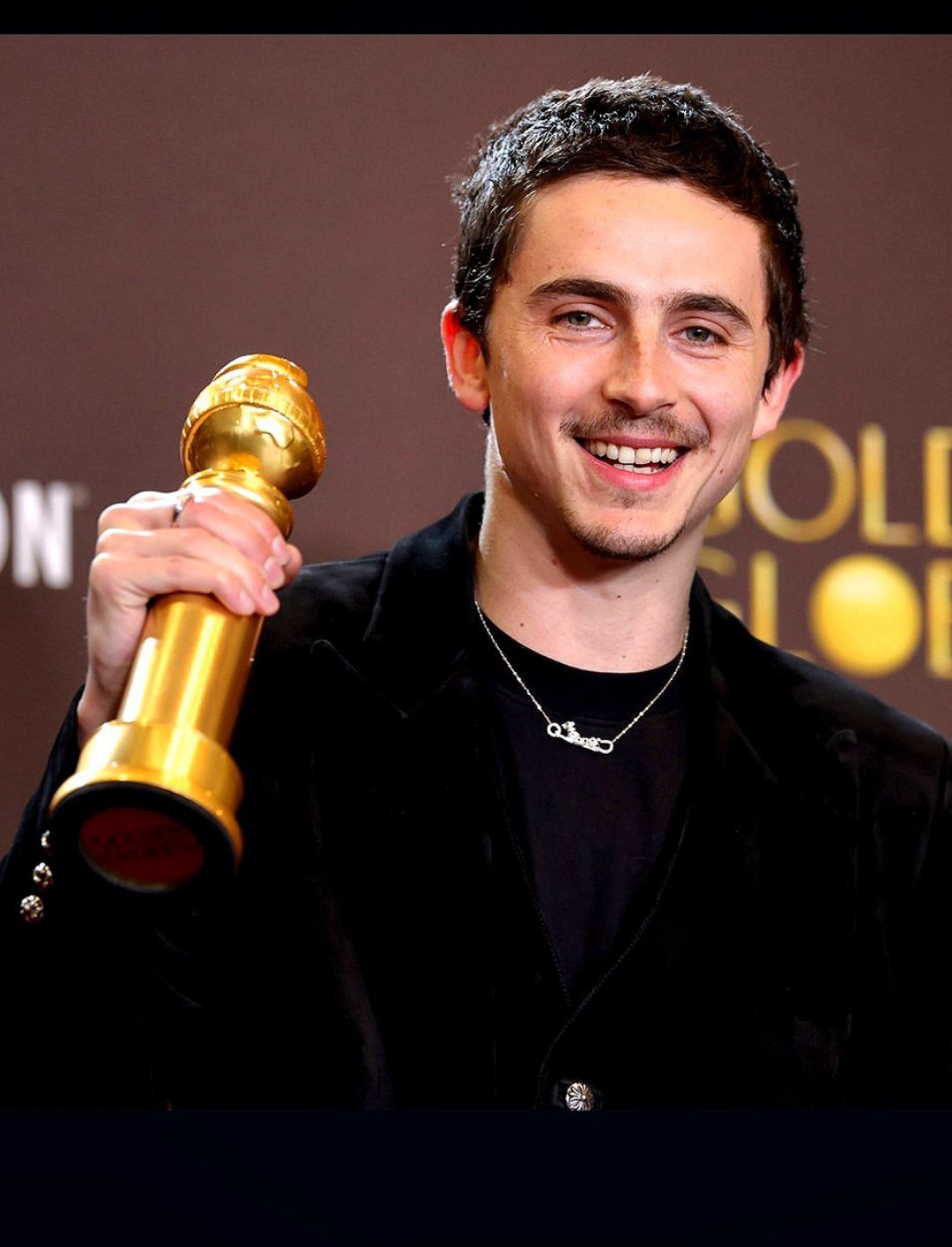
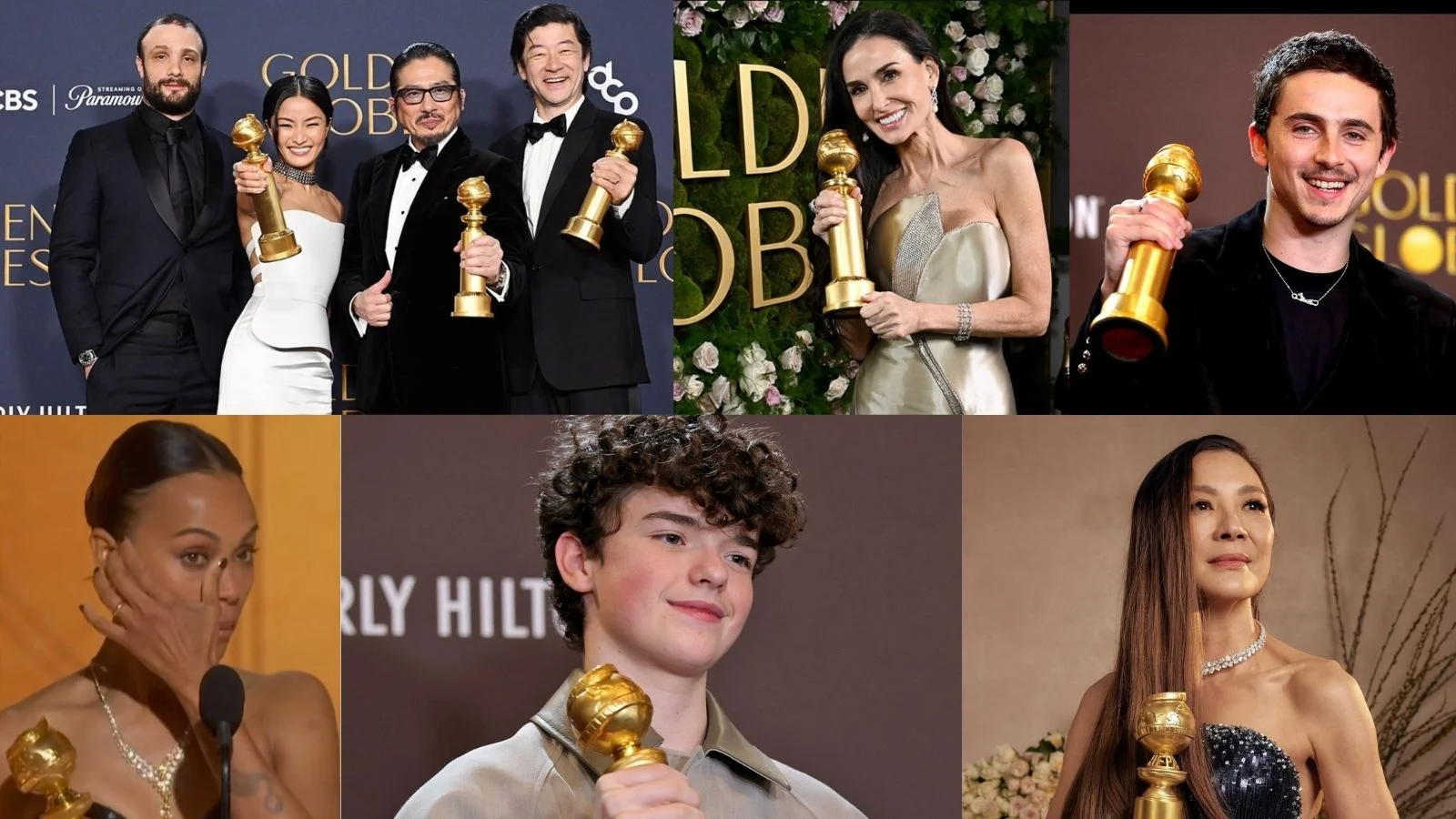
As the industry looks toward the Oscars, the 2026 Globes have successfully set the narrative. Timothée Chalamet’s win for Best Actor in a Musical or Comedy for Marty Supreme, where he gave a surprising shout-out to Shark Tank star Kevin O’Leary, has solidified his frontrunner status. Meanwhile, the success of Hamnet, which won Best Motion Picture (Drama), proves that audiences and critics alike are still hungry for deeply emotional, period-driven storytelling.
Ultimately, the 2026 Golden Globes balanced the expected with the radical. Whether it was Rose Byrne explaining her partner Bobby Cannavale’s absence (he was busy buying a bearded dragon at a reptile expo) or the historic recognition of international cinema, the night proved that despite the shifting landscape of media, the allure of the “biggest party in Hollywood” remains intact.