When a book is adapted into a movie, the process is never straightforward. A beloved novel, filled with intricate details, character arcs, and plot nuances, often finds itself transformed into something completely different on the big screen. Some of these changes are subtle, while others are drastic, leading to films that barely resemble the stories that inspired them.
Below are ten movies that strayed far from their source material, much to the surprise and sometimes frustration of book lovers.
Shrek (2001)
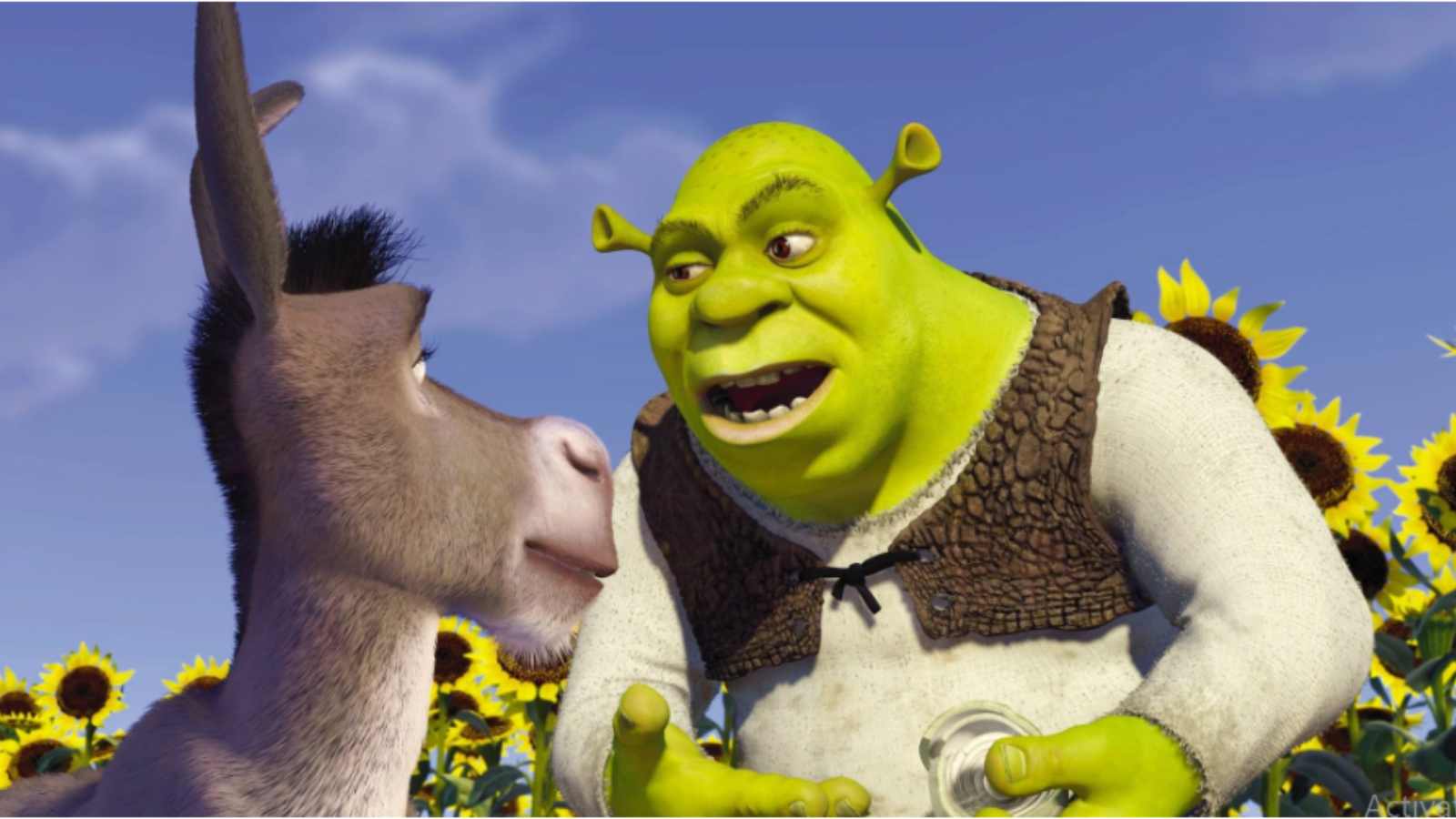
What most viewers didn’t know when watching DreamWorks’ Shrek for the first time is that it’s based on a children’s book, Shrek! by William Steig. While the film and the book share a character, Shrek, the grumpy ogre, their plots and tones diverge drastically. In Steig’s story, Shrek embarks on a journey after being kicked out by his parents, and he eventually defeats a knight, rescues a princess, and breathes fire.
The movie, however, takes the story in an entirely different direction, focusing on Shrek reclaiming his swamp from fairy-tale creatures, introducing an entirely new cast of characters, and crafting a whimsical world that Steig never envisioned. The book’s simple narrative is expanded, and the movie transforms Shrek into an unlikely hero.
The Shining (1980)
Stanley Kubrick’s The Shining is often hailed as one of the greatest horror films ever made. Yet Stephen King, the novel’s author, had a significant problem with the adaptation. Kubrick took liberties with the story, drastically altering key characters and plot points. The book features Jack Torrance’s gradual descent into madness, whereas Nicholson’s portrayal starts with a character already on the edge.
The eerie hedge maze and the sinister “Grady twins” are additions not found in King’s novel. The Overlook Hotel itself is depicted as a malevolent force in the film, a concept that doesn’t appear in the book. For fans of King’s work, Kubrick’s version remains a brilliant film, but a questionable adaptation.
The Dark Tower (2017)
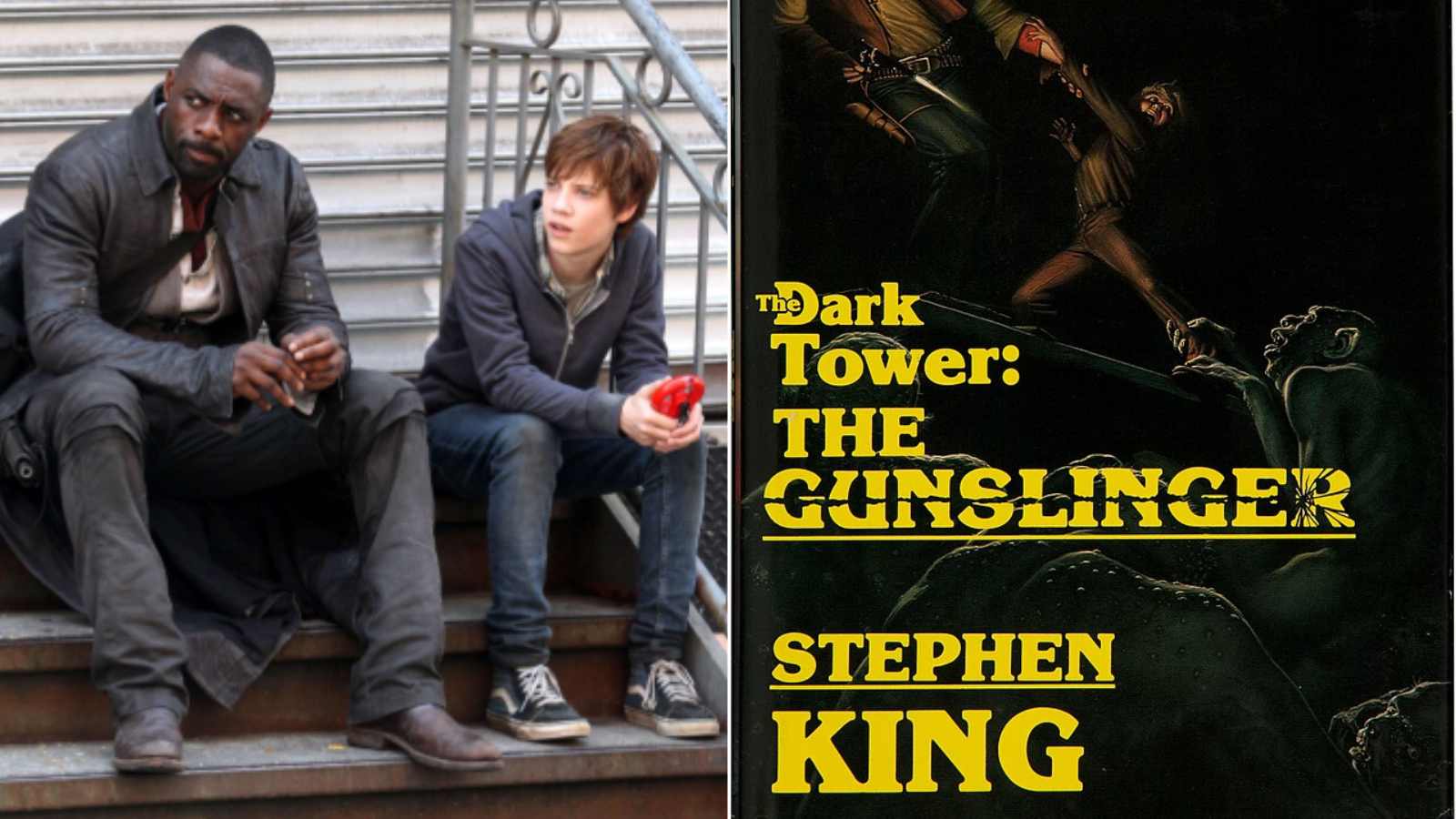
Stephen King’s The Dark Tower series spans eight books, blending fantasy, science fiction, and western genres. However, the 2017 film adaptation of the first book, The Gunslinger, took significant creative liberties, leaving fans disappointed. The film combines elements from multiple books in the series, straying from the original plot and removing key themes, such as Roland Deschain’s singular obsession with reaching the Dark Tower.
The film’s Roland (played by Idris Elba) is less the brooding, stoic gunslinger from the books and more a revenge-driven character. The magic and mysticism of King’s world are toned down, replaced with more sci-fi elements like high-tech portals. This transformation of the source material led to a film that failed to capture the epic scope of the books.
Forrest Gump (1994)
Forrest Gump is an American classic, beloved by audiences around the world. However, the film, which won multiple Academy Awards, bears little resemblance to Winston Groom’s novel. In the book, Forrest is portrayed as foul-mouthed and violent, and as a genius in subjects like math and physics, qualities that are toned down or entirely absent in the film.
The movie opts for a sweeter, more humble version of the character, and the portrayal of Jenny, who in the book is far more complex, is simplified. Perhaps the most significant departure comes in the ending: in the film, Jenny dies, and Forrest raises their son alone, whereas in the book, Jenny lives and has remarried, leaving Forrest out of her life. The novel’s darker, more comedic tone is nearly lost in the adaptation.
Jurassic Park (1993)
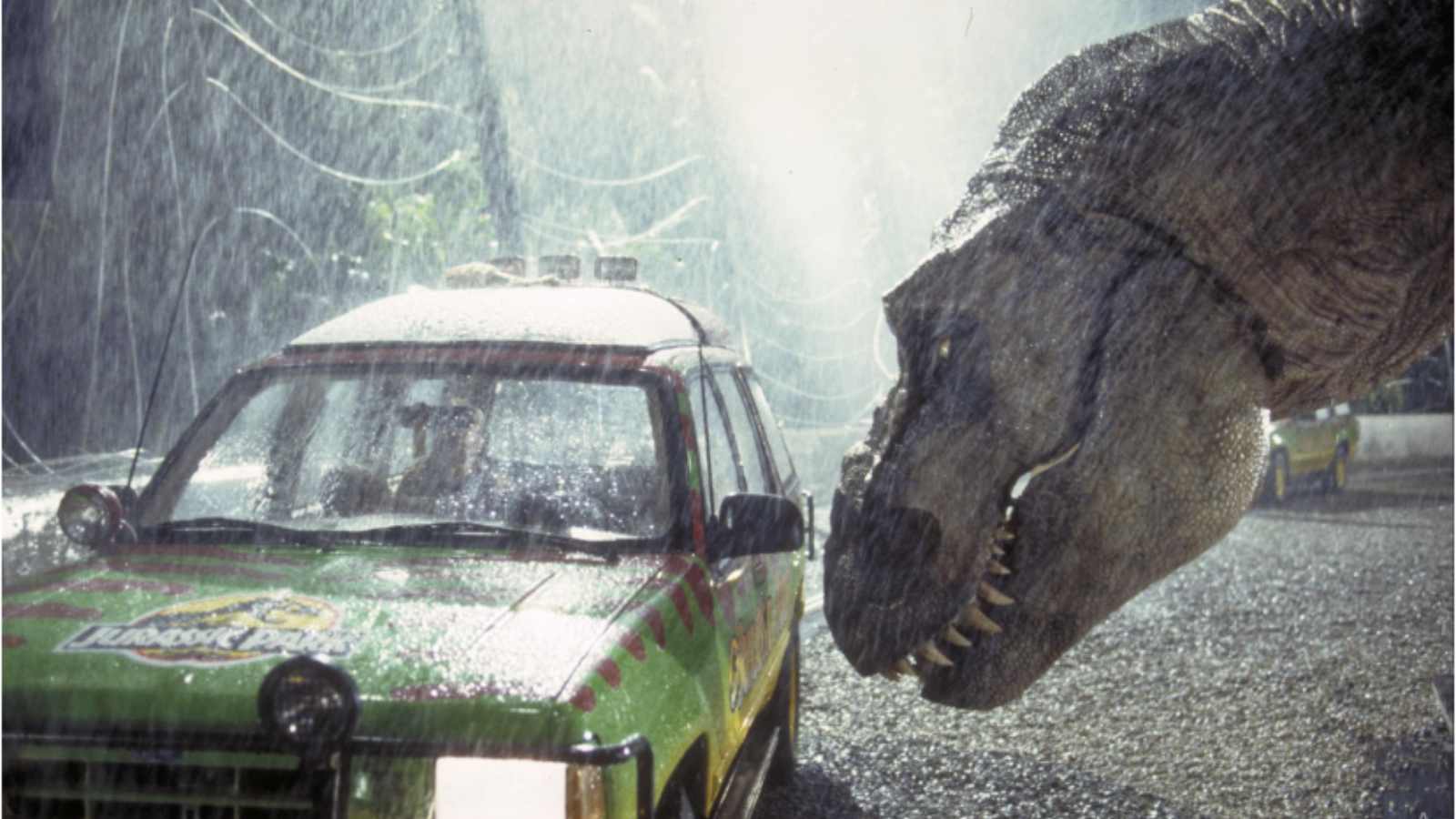
Steven Spielberg’s Jurassic Park captured the imagination of audiences in 1993, but it diverges significantly from Michael Crichton’s novel. While the film retains the basic premise of dinosaurs brought back to life and the ensuing chaos, many of the novel’s darker, philosophical themes are lost. In Crichton’s book, John Hammond is portrayed as a much more sinister figure, driven by greed and the consequences of his own hubris.
The film’s portrayal softens Hammond, making him more sympathetic. The book also delves deeper into the ethical and moral dilemmas surrounding genetic engineering, but the film focuses more on action and spectacle. The omission of key character arcs and subplots, such as the fates of secondary characters, makes the film a far simpler version of the novel.
The Hunger Games (2012)
Suzanne Collins’s The Hunger Games series became a worldwide phenomenon, and while the 2012 film adaptation remained largely faithful to the novel’s premise, several key differences stand out. In the book, Katniss Everdeen is portrayed as a more introspective character, with the narrative often delving into her internal conflicts and skepticism of the Capitol.
The film, however, portrays her as more outwardly defiant, giving her a stronger stance against the oppressive system. The film also condenses the events and characters, focusing more on the action and spectacle than the book’s deeper commentary on power, propaganda, and societal collapse.
I Am Legend (2007)
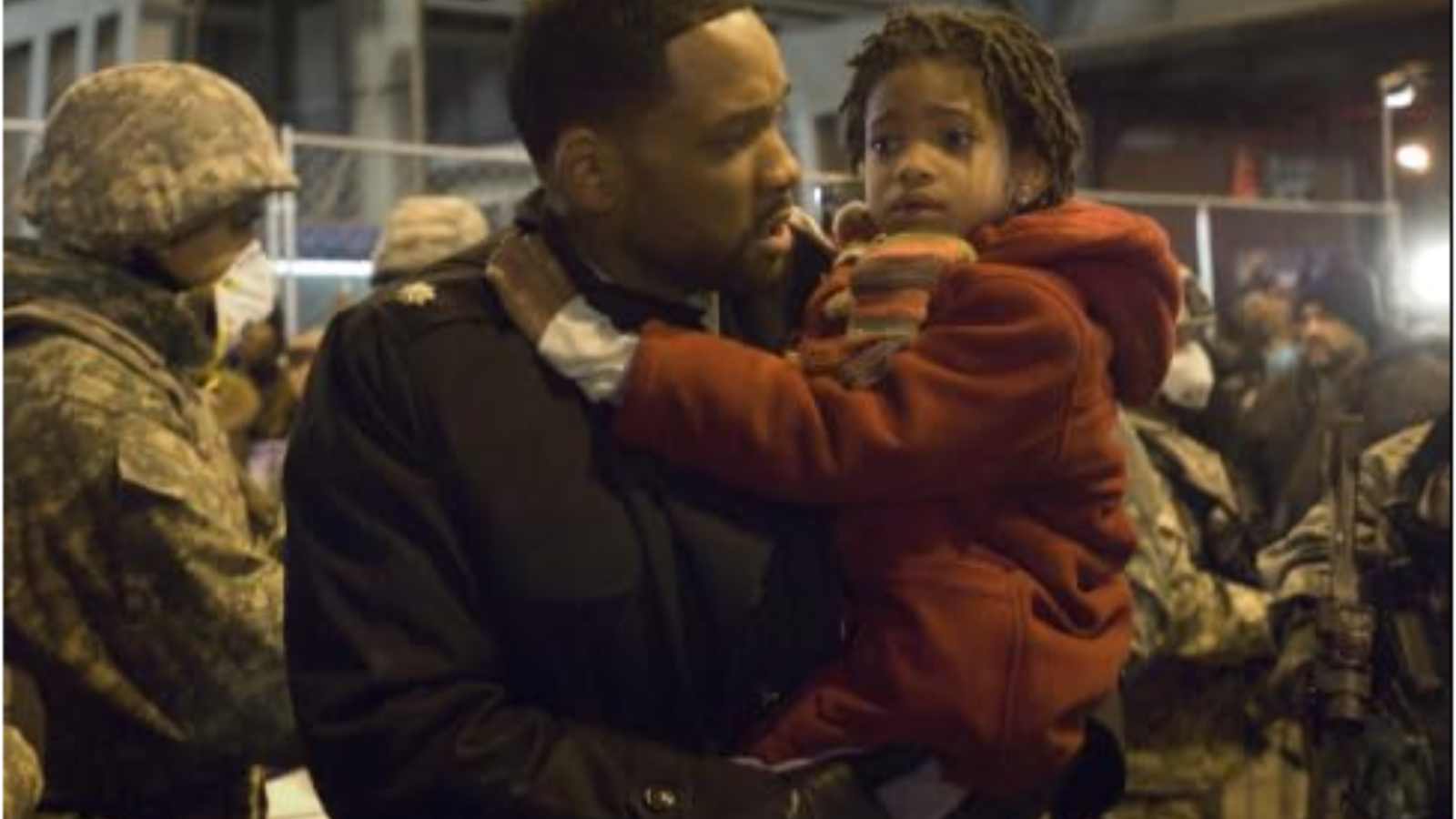
Richard Matheson’s 1954 novel I Am Legend is a haunting exploration of isolation, humanity, and survival in a post-apocalyptic world. The 2007 film adaptation starring Will Smith takes several liberties with the source material, particularly in its portrayal of the infected creatures. In the book, the monsters are vampire-like beings that view Neville as a legend, the “last man on Earth.”
However, the film transforms them into zombie-like creatures, abandoning much of the novel’s philosophical themes. The movie also changes the ending completely: while Neville dies in the book, accepting his role as a “monster” in the eyes of the infected, the film presents a more heroic, self-sacrificial conclusion.
Ready Player One (2018)
Ernest Cline’s Ready Player One is a treasure trove of pop culture references and a love letter to ’80s nostalgia. However, Steven Spielberg’s 2018 adaptation takes several liberties with the source material. The book is largely about Wade Watts’s journey to find the Easter egg hidden within the OASIS virtual world, with a deep focus on ’80s culture.
The film, on the other hand, introduces new characters and subplots and changes the ending to make it more optimistic and Hollywood-friendly. The film also makes the action sequences much more intense and visual, focusing on spectacle rather than the nuanced, introspective exploration of gaming and technology that the book emphasizes.
The Lord of the Rings (2001)
Peter Jackson’s The Lord of the Rings trilogy is renowned for its faithfulness to J.R.R. Tolkien’s epic novels, yet even here, creative liberties are taken. In the first film, The Fellowship of the Ring, the character of Tom Bombadil, a significant figure in the book, is entirely omitted.
Additionally, the role of Arwen, a minor character in the book, is significantly expanded in the movie. The films also condense several key events and characters to improve pacing, leaving out certain subtleties from the original novel. While the films capture the spirit of the book, they take liberties in streamlining the complex narrative to fit a cinematic format.
World War Z (2013)
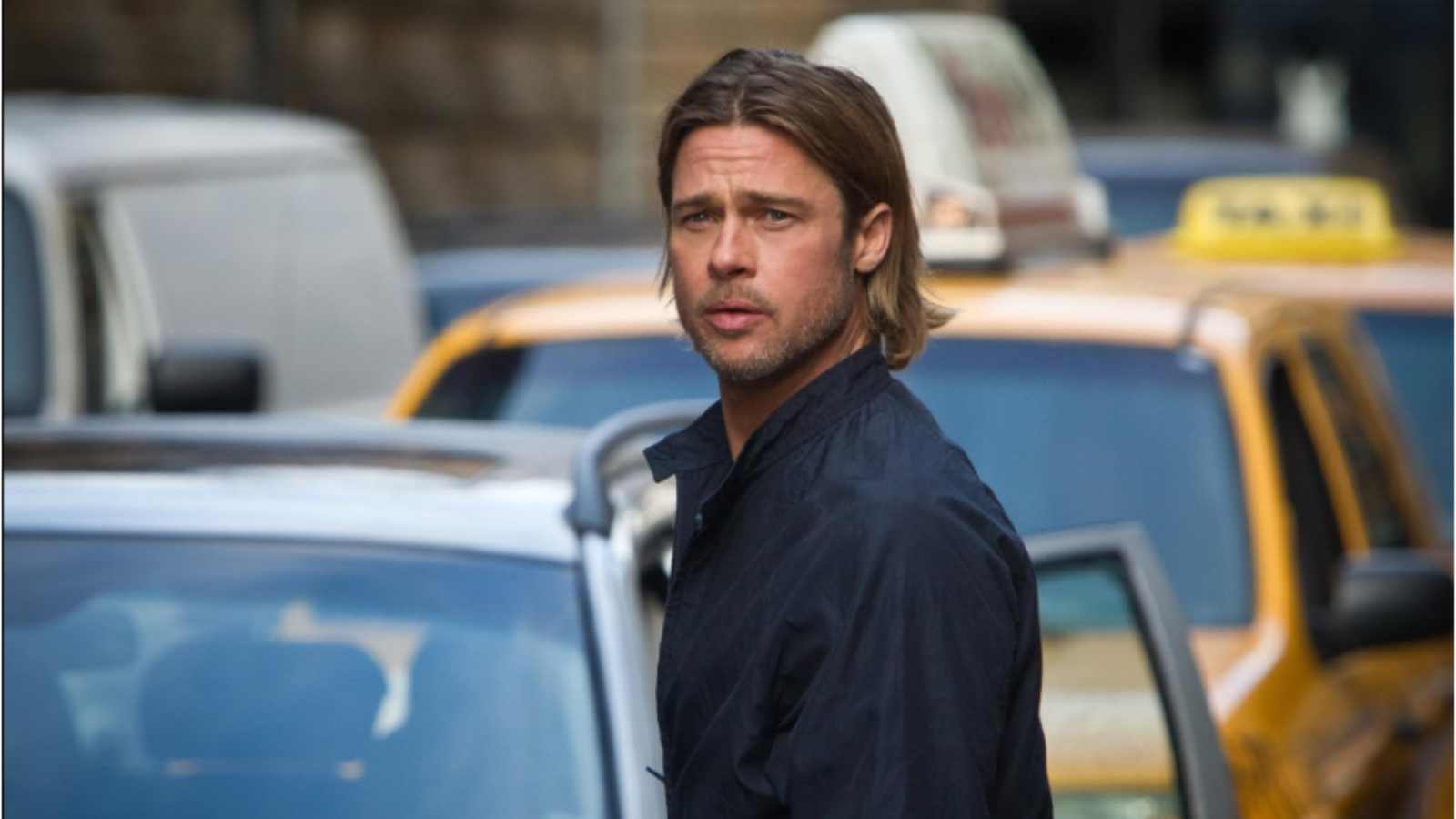
Max Brooks’s World War Z is a chilling collection of oral histories documenting the global devastation caused by a zombie outbreak. The 2013 film adaptation, starring Brad Pitt, barely resembles the book’s structure and tone. While the novel presents a mosaic of characters from across the globe, recounting their personal experiences with the plague, the film narrows its focus to Brad Pitt’s character, Gerry Lane, a former UN investigator.
The movie’s zombies are much faster and more aggressive than those depicted in the novel, and the film’s plot is entirely action-oriented, with a simplified narrative that contrasts with the novel’s deep exploration of geopolitical and social consequences.
Conclusion
In conclusion, while these films captured audiences’ imaginations, they deviated from the original books in various ways, including by simplifying plots, changing characters, and altering themes. These adaptations remind us that bringing a book to life on the big screen often involves significant changes, not always for the better. Fans of the original works may find these departures jarring, but they remain essential chapters in the history of film adaptations.