Billionaires often have the financial freedom to change the world, but instead, many indulge in bizarre and excessive expenditures. From private islands to cryogenic preservation, these are the nine most ridiculous ways the super-rich have blown their money.
Chasing Immortality

Some billionaires appear obsessed with defying death. Peter Thiel, the PayPal co-founder, has spent millions on anti-aging ventures like Unity Biotechnology and even partners with Alcor to undergo cryonic preservation after his death. His belief that future technology will revive him is as far-fetched as it is expensive. Meanwhile, thousands die from preventable diseases every day, and Thiel’s millions could have been better spent on solving real-world health crises.
The Space Race for Fun
The ultra-rich’s quest for adventure has shifted to space. Jeff Bezos and Elon Musk have poured billions into their space companies, Blue Origin and SpaceX. While their ventures advance space exploration and technology, the priority given to space tourism, offering expensive joyrides to a select few, seems tone-deaf to earthly challenges like poverty and climate change. Wouldn’t these billions be better invested in pressing global issues?
Titanic Expeditions
In 2023, the tragic loss of life during an expedition to the Titanic wreck served as a grim reminder of the dangers of deep-sea exploration. OceanGate, the company behind the ill-fated Titan submersible, charged $250,000 per ticket for this high-risk tourist experience. While some might argue it’s for the advancement of science, the risks and costs associated with these voyages seem more suited to adventurous billionaires seeking a thrill than meaningful scientific discovery.
Gigantic Yachts

Roman Abramovich, the Russian oligarch, is notorious for his multi-million-dollar superyachts, such as the Eclipse and Solaris. These floating palaces epitomize opulence, with astronomical maintenance costs to match. Meanwhile, homelessness and housing crises continue to soar in developed nations, raising questions about the morality of such extravagant displays of wealth. If only these billionaires invested in more accessible solutions to global problems.
Private Islands
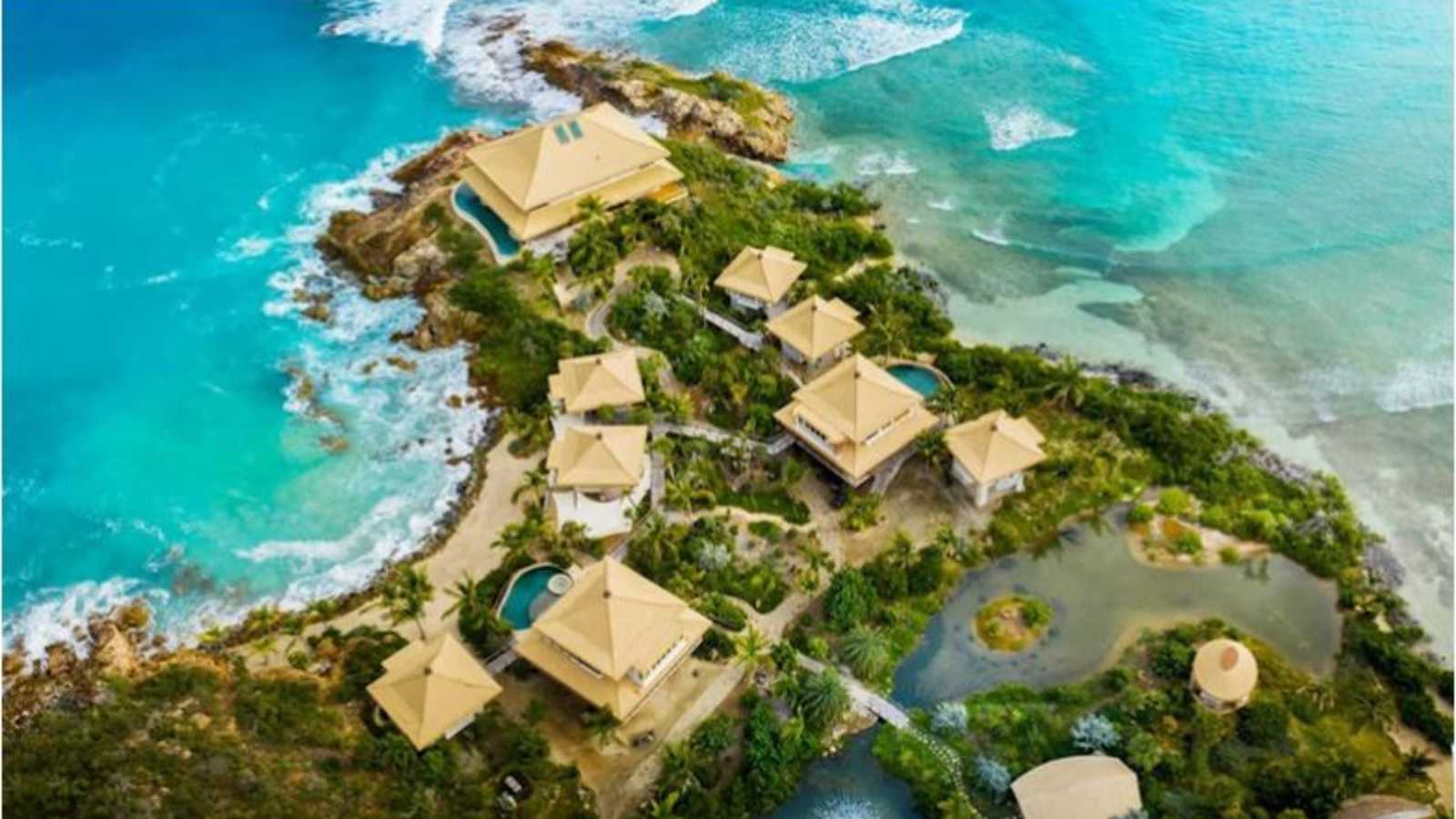
Richard Branson’s Necker Island is just one example of billionaires splurging on private islands. These secluded paradises come with enormous costs, both financially and environmentally. While these islands offer nothing but luxury to their owners, they provide little to society, despite vast global inequalities and environmental challenges. The ultra-wealthy’s insatiable desire for isolation could be better channeled into efforts to improve others’ lives.
Sports Teams

Billionaires’ passion for owning sports franchises often leads to sky-high spending with little benefit to society. Steve Ballmer, former CEO of Microsoft, spent $2 billion on the Los Angeles Clippers in 2014. While owning a team boosts local economies marginally, billions could have been better spent funding public health, education, or other critical services that benefit broader communities. These vanity projects do little to address society’s pressing needs.
Art Collections
Ken Griffin, a hedge fund manager, dropped $500 million on rare art pieces, including works by de Kooning and Pollock. While art is undeniably valuable to culture, spending such eye-watering sums on these treasures often serves as a symbol of prestige rather than genuine cultural advancement. Instead, billions could support creative arts education, fund emerging artists, or bring art to underserved communities.
Useless Long-Term Projects
Jeff Bezos made headlines when he spent $42 million to construct a clock designed to last 10,000 years inside a mountain in Texas. This monument to human ambition begs the question: What is the point? While the idea of building something for the distant future might be seen as an intellectual pursuit, the money could have funded far more meaningful, impactful projects. Bezos could have taken a page from his ex-wife, MacKenzie Scott, who has donated billions to charities, directly improving lives.
Exotic Pets
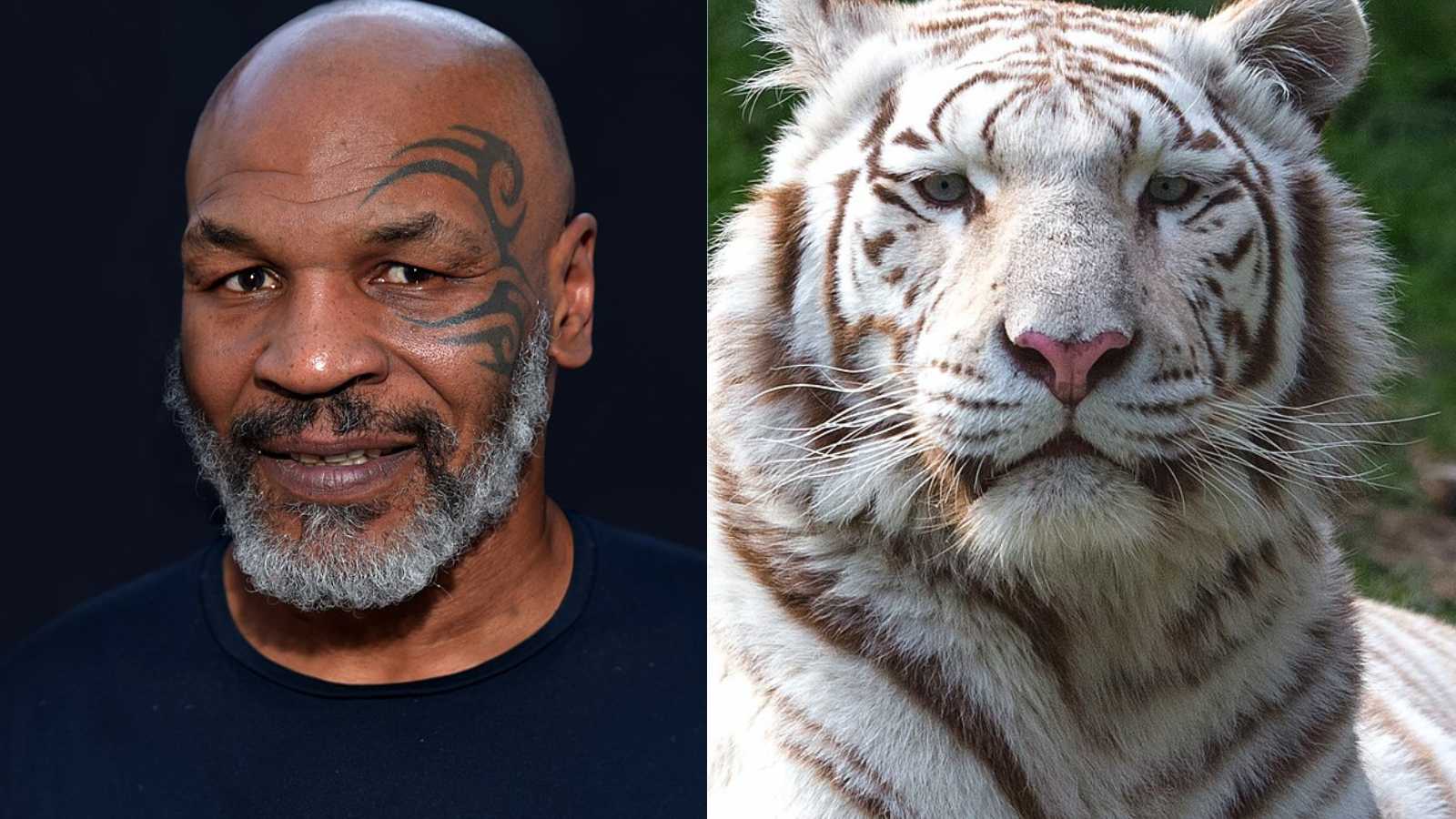
Owning exotic pets, including rare and often dangerous animals, is a costly hobby among the ultra-wealthy. Mike Tyson, former world boxing champion, spent millions on tigers, an animal that requires special care and training. Beyond the sheer cost of such pets, this raises ethical questions about wildlife conservation, habitat protection, and animal well-being. While Tyson’s tiger collection may be a personal indulgence, it also highlights the disconnect between the rich’s excesses and pressing global conservation needs.
Conclusion
Despite possessing immense resources, these billionaires choose to spend their fortunes in ways that benefit no one but themselves. Whether it’s funding space tourism, chasing immortality, or indulging in expensive hobbies, their choices reflect a disregard for the world’s real problems. Instead of investing in the future of humanity, many billionaires are fixated on flaunting their wealth in the most extravagant, often pointless ways possible. The question remains: should we be more concerned about how they use their fortunes, or how much more they could accomplish if they used their resources for societal good?