Ever watch a movie and think, How did this casting ever work… and why can’t I stop watching? Sometimes, the actors who spark the loudest backlash before release end up delivering the most unforgettable performances.
Hollywood has a long history of “wrong on paper” casting choices that somehow turn into lightning in a bottle. These are the roles that sparked petitions, panic, and plenty of side-eye, right up until the lights went down and the performances took over. When the talent hits hard enough, even the loudest doubts fade fast.
Heath Ledger as the Joker (The Dark Knight, 2008)
When Heath Ledger was cast as the Joker, the backlash was loud and immediate. Fans couldn’t see past his romantic-lead image from 10 Things I Hate About You and Brokeback Mountain, and many assumed Warner Bros. was chasing shock value instead of substance. The Joker, after all, had a long comic-book history tied to theatrical menace and chaos, not brooding sensitivity.
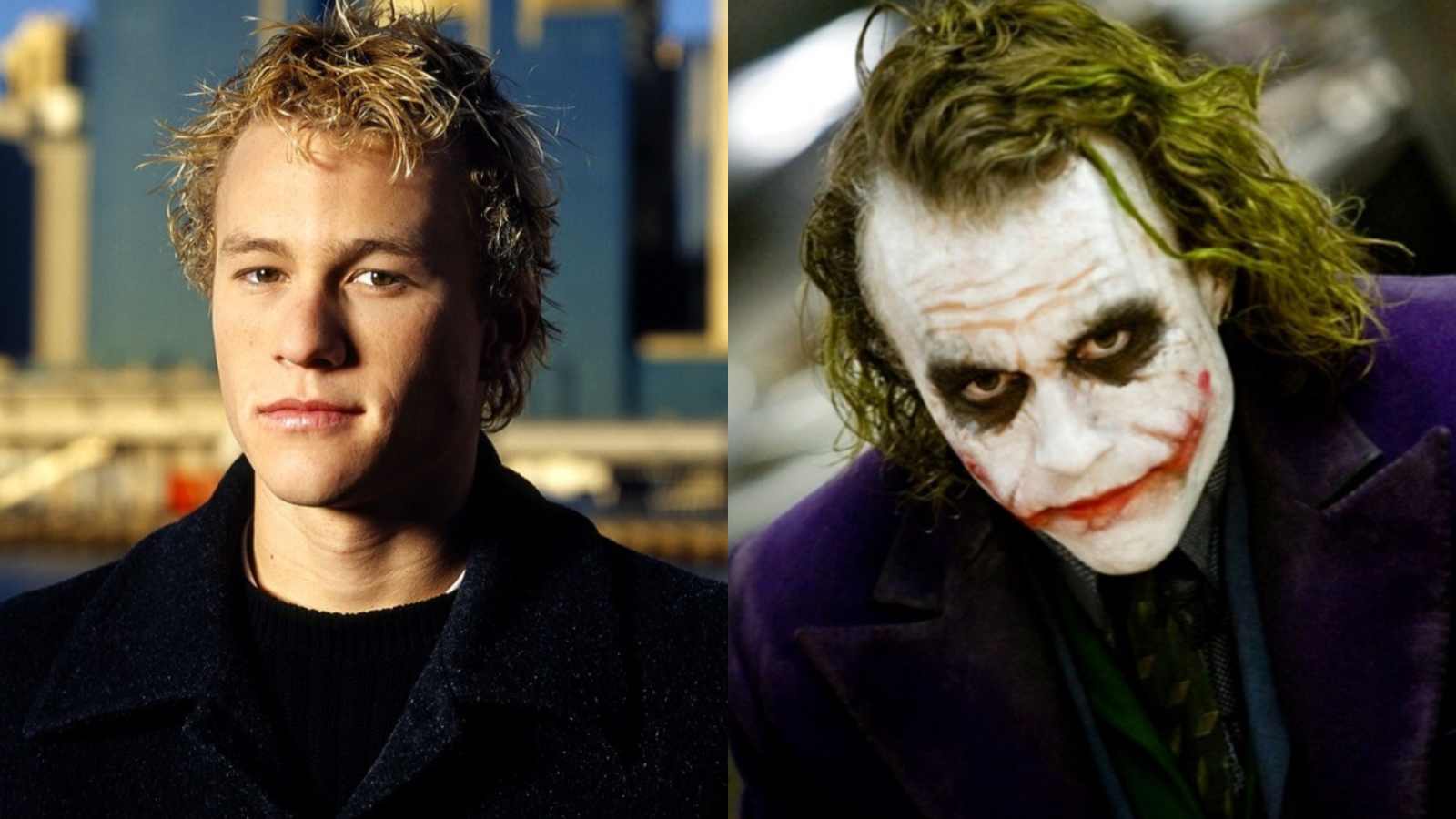
The Dark Knight itself was already under intense scrutiny as a sequel to Batman Begins, and expectations were sky-high. Ledger’s Joker was initially dismissed as “emo” before anyone had even seen a frame of footage. But once the film premiered, that narrative collapsed instantly.
Ledger stripped the character of comic flamboyance and replaced it with something feral, unpredictable, and deeply unsettling. His performance leaned heavily on physicality: tongue flicks, posture, and silence, and it rewired how villains could exist in superhero films. The movie, directed by Christopher Nolan, explored moral collapse and chaos in a post-9/11 world, making Ledger’s Joker disturbingly relevant.
Critics who once doubted the casting reversed course overnight, and Ledger posthumously won the Academy Award for Best Supporting Actor. Today, the casting controversy is almost forgotten, replaced by the reality that this “miscast” choice became the gold standard for comic-book villains
Tom Cruise as Lestat (Interview with the Vampire, 1994)
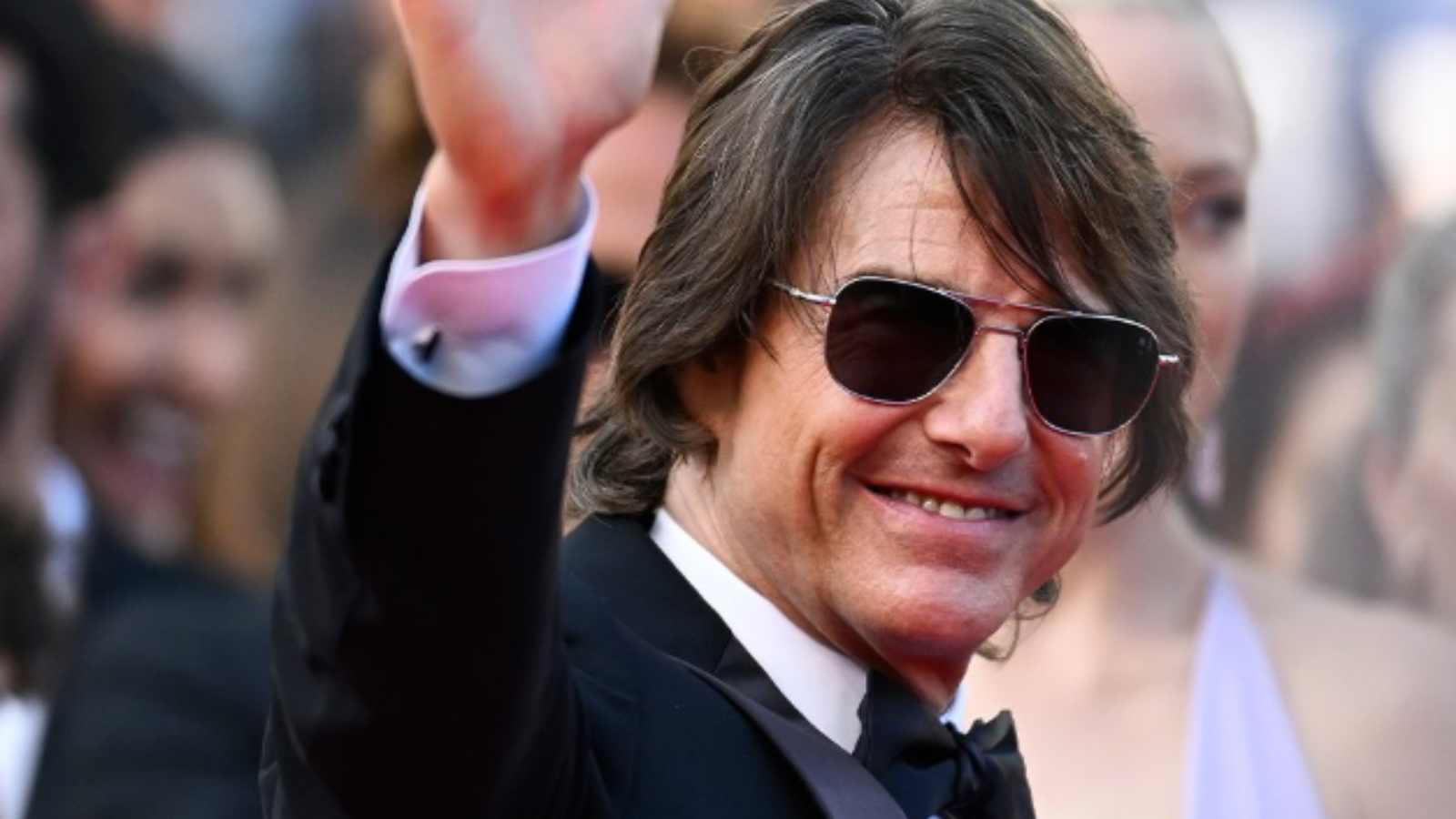
Anne Rice fans were furious when Tom Cruise was announced as Lestat. Cruise, known for all-American confidence and blockbuster heroics, seemed like the exact opposite of the decadent, cruel, aristocratic vampire Rice had written. The novel itself was gothic, introspective, and steeped in moral anguish, not exactly Cruise’s wheelhouse at the time.
Rice herself publicly criticized the casting before filming even began, which only amplified skepticism. Interview with the Vampire centers on immortality, guilt, and power, and fans worried Cruise would flatten Lestat into something smug and superficial. Then the film came out, and Cruise shocked almost everyone.
He leaned into Lestat’s vanity and cruelty instead of softening it, delivering a flamboyant, dangerous performance that dominated the screen. His theatricality contrasted beautifully with Brad Pitt’s tortured Louis, giving the film emotional balance. Rice famously reversed her stance after seeing the finished movie, even buying out an ad to praise Cruise’s performance.
While the film itself received mixed reviews, Cruise’s Lestat has endured as one of the most memorable vampire performances. What looked like a disastrous mismatch turned out to redefine how leading men could disappear into morally repellent roles.
Michael Keaton as Batman (Batman, 1989)
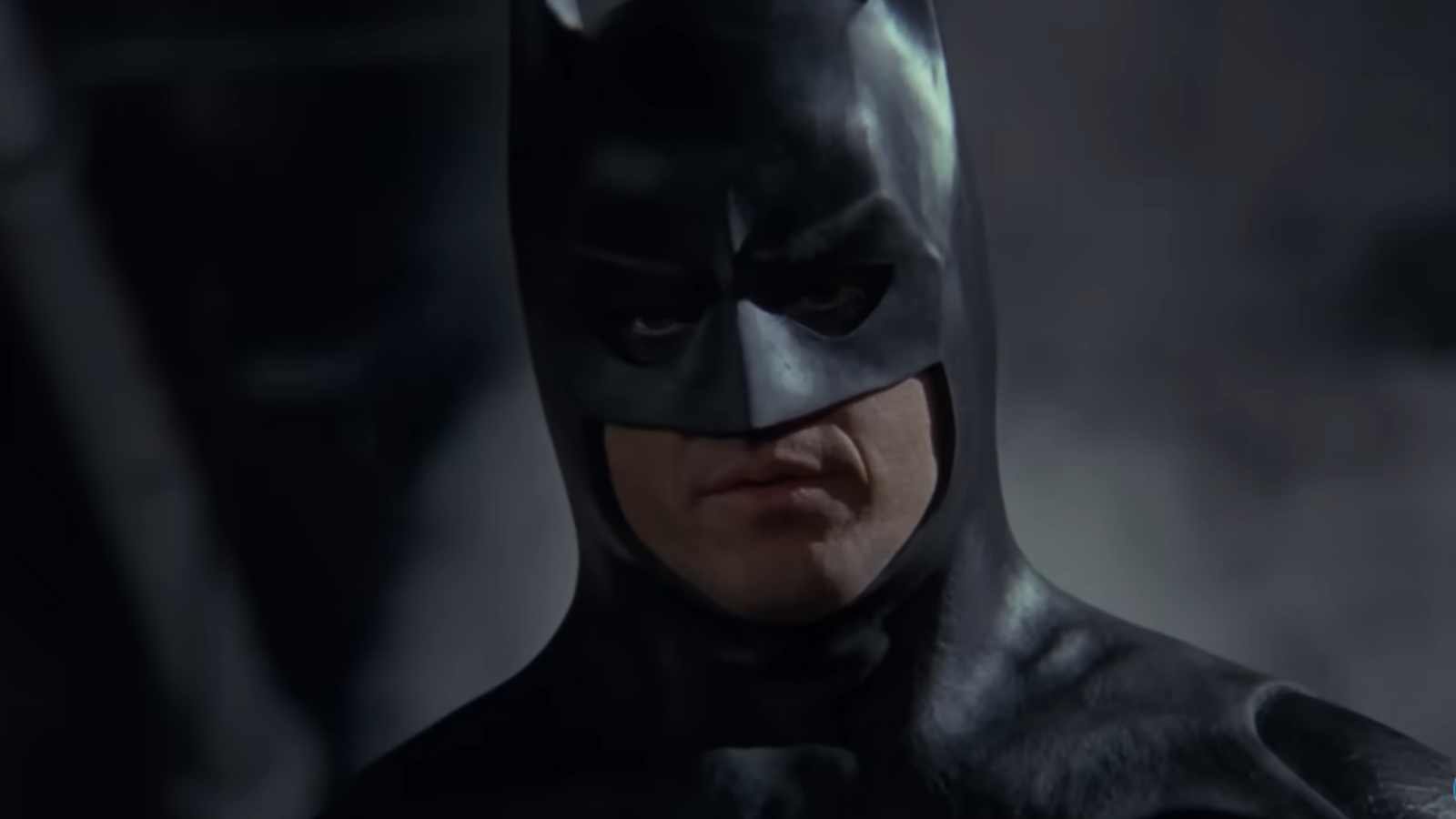
Michael Keaton as Batman sounded like a joke in 1988. At the time, Keaton was best known for comedies like Beetlejuice and Mr. Mom, not brooding vigilantes. Fans bombarded Warner Bros. with complaint letters, convinced the studio had completely misunderstood the character.
Batman had long been associated with physical dominance and square-jawed seriousness, traits Keaton didn’t outwardly project. Tim Burton’s Batman also represented a tonal shift: darker, stranger, and more gothic than previous adaptations. Skeptics assumed Keaton lacked the gravitas to carry such a transformation.
But that assumption missed something important. Keaton leaned into Bruce Wayne’s psychological fractures rather than brute strength, making him feel haunted and inwardly unstable. His restrained performance made Batman feel more human and more frightening at the same time.
The film became a massive box-office success and reshaped superhero cinema overnight. Keaton’s Batman proved that internal tension could be just as compelling as physical intimidation. What once felt like reckless casting is now seen as one of the smartest decisions of the genre’s early years.
Jennifer Lawrence as Katniss Everdeen (The Hunger Games, 2012)

Jennifer Lawrence was not the Katniss many readers imagined. Suzanne Collins’ novel describes Katniss as smaller, hardened by starvation, and almost feral in demeanor, traits some fans felt Lawrence didn’t physically match. At the time, Lawrence was older than the book’s Katniss, which raised concerns about authenticity.
The Hunger Games carried massive expectations as a literary phenomenon, and casting missteps could have derailed the entire franchise. Critics worried Hollywood had chosen star power over fidelity to the source material. But Lawrence understood Katniss in a deeper way than surface appearance.
She portrayed her as emotionally guarded, socially awkward, and instinctively defiant rather than traditionally heroic. The film itself focused on spectacle and control, and Lawrence grounded that world with quiet rage and vulnerability. Her performance evolved naturally across the series, reflecting trauma rather than glamorizing survival.
The role earned her widespread critical praise and helped elevate the franchise beyond teen dystopia. In hindsight, the casting controversy feels narrow, especially given how strongly Lawrence anchored the films’ emotional core.
Robert Pattinson as Edward Cullen (Twilight, 2008)
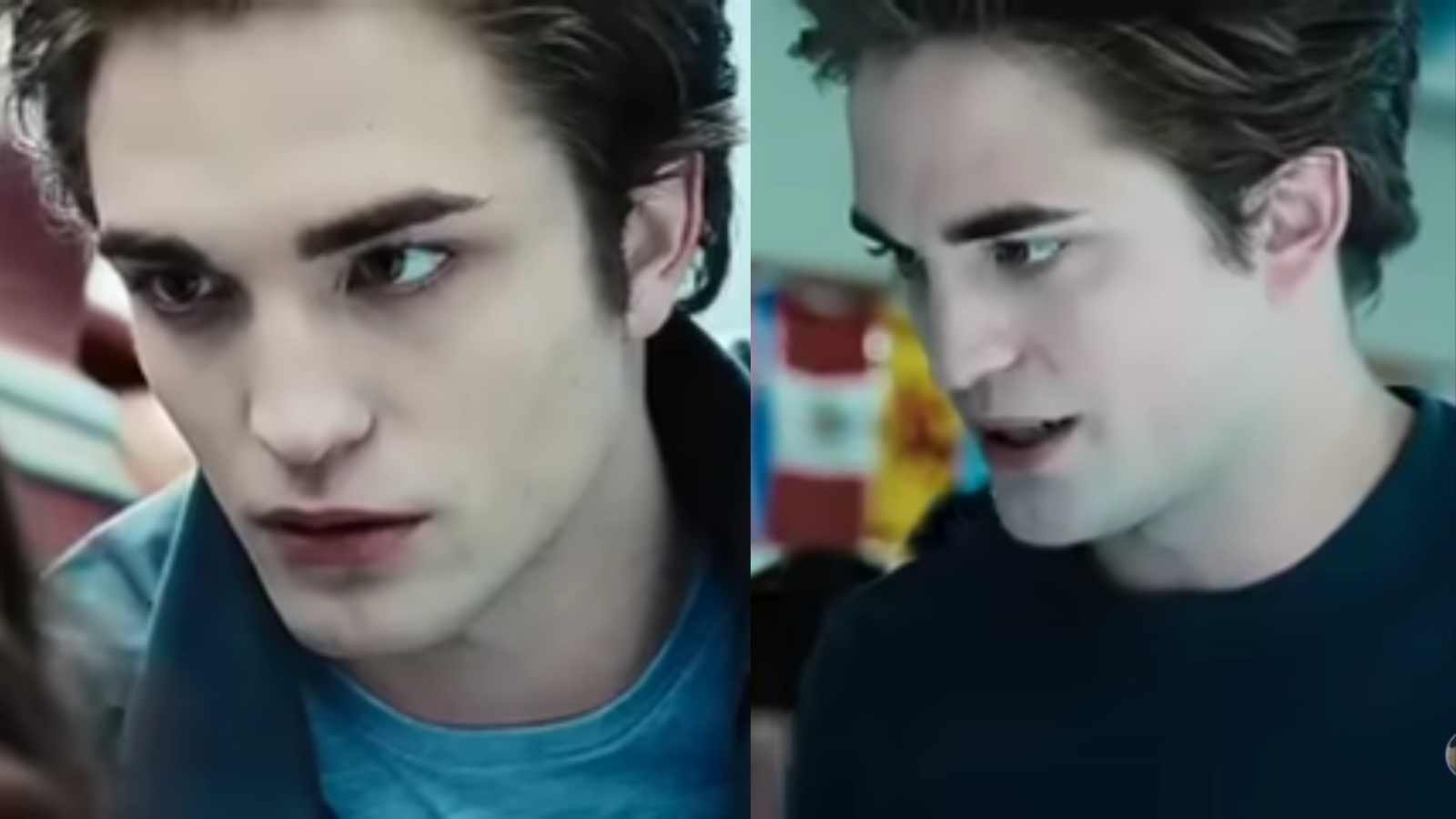
Robert Pattinson was doubted before Twilight even hit theaters. Many fans of Stephenie Meyer’s novels felt he didn’t match Edward Cullen’s idealized, ethereal beauty. Others questioned whether Pattinson, fresh off a small role in Harry Potter and the Goblet of Fire, had the charisma to carry a romantic franchise.
The film itself, a supernatural love story centered on longing and restraint, required an actor who could sell intensity without action. Pattinson’s awkwardness was initially read as weakness. But that discomfort became the character’s defining strength.
He played Edward as someone deeply uncomfortable with his own desires, which fit the story’s emotional tension perfectly. While the franchise became polarizing, Pattinson’s performance resonated strongly with its target audience. Over time, his willingness to lean into Edward’s strangeness made the character more memorable than polished perfection ever could.
Pattinson later distanced himself from the role, but it undeniably launched his career. What was mocked early on ultimately worked because he understood the character’s emotional isolation.
Charlize Theron as Aileen Wuornos (Monster, 2003)

Charlize Theron’s casting raised eyebrows for a different reason. She was considered too beautiful to play Aileen Wuornos, a real-life serial killer whose story was steeped in trauma, poverty, and abuse. Many assumed Hollywood was sanitizing a brutal narrative by placing a glamorous star at its center.
Monster itself was a bleak character study, not a typical crime thriller, which made authenticity critical. Theron transformed herself physically, gaining weight and altering her appearance in ways that shocked audiences. But the performance went far beyond transformation.
She captured Wuornos’ volatility, vulnerability, and psychological fragmentation with unsettling precision. The film forced viewers to confront discomfort rather than sensationalism. Critics who doubted the casting were nearly unanimous in their praise after release.
Theron won the Academy Award for Best Actress, and the role became a benchmark for immersive performance. What looked like a mismatch redefined her entire career trajectory.
Daniel Craig as James Bond (Casino Royale, 2006)

Daniel Craig didn’t “look” like James Bond, at least according to long-standing expectations. He was blond, physically blunt, and lacked the suave elegance associated with previous Bonds. Fans openly questioned whether he had the charm or sophistication the role required.
The franchise itself was at a crossroads, needing reinvention after years of formula. Casino Royale aimed to reset Bond as a character shaped by violence and consequence. Craig embraced that shift fully. His Bond was brutal, emotionally guarded, and visibly shaped by his profession.
Instead of effortless charm, Craig brought tension and vulnerability. The performance revitalized the franchise and introduced a more grounded tone that influenced action films for years. Initial skepticism gave way to admiration almost immediately after the film’s release. What felt like a betrayal of tradition ended up saving the series.
Heath Ledger as Ennis Del Mar (Brokeback Mountain, 2005)
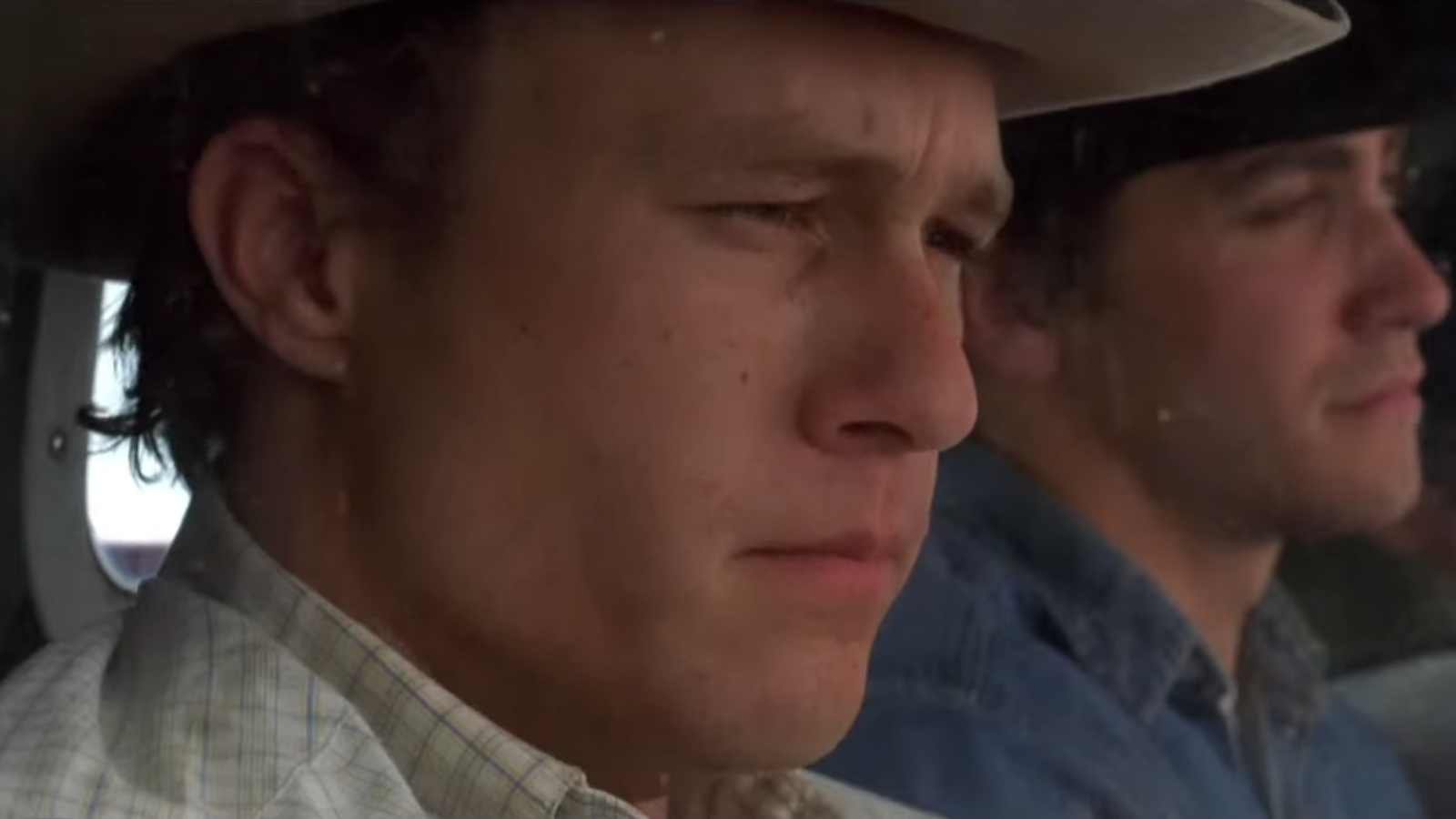
Before Brokeback Mountain, many couldn’t imagine Heath Ledger as a quiet, emotionally repressed cowboy. He was young, charismatic, and associated with expressive, modern characters. The film itself tackled themes, such as sexual repression, masculinity, and forbidden love, that were already contentious.
Some critics worried Ledger lacked the restraint the role required. Ennis Del Mar barely speaks, yet carries immense emotional weight. Ledger responded by doing less, not more. His performance relied on silence, physical tension, and emotional denial. The result was devastatingly effective.
Brokeback Mountain became a cultural landmark, and Ledger’s portrayal is often cited as one of the most emotionally precise performances of the 2000s. The casting doubts now feel almost absurd in hindsight. Sometimes the biggest risks produce the most lasting impact.