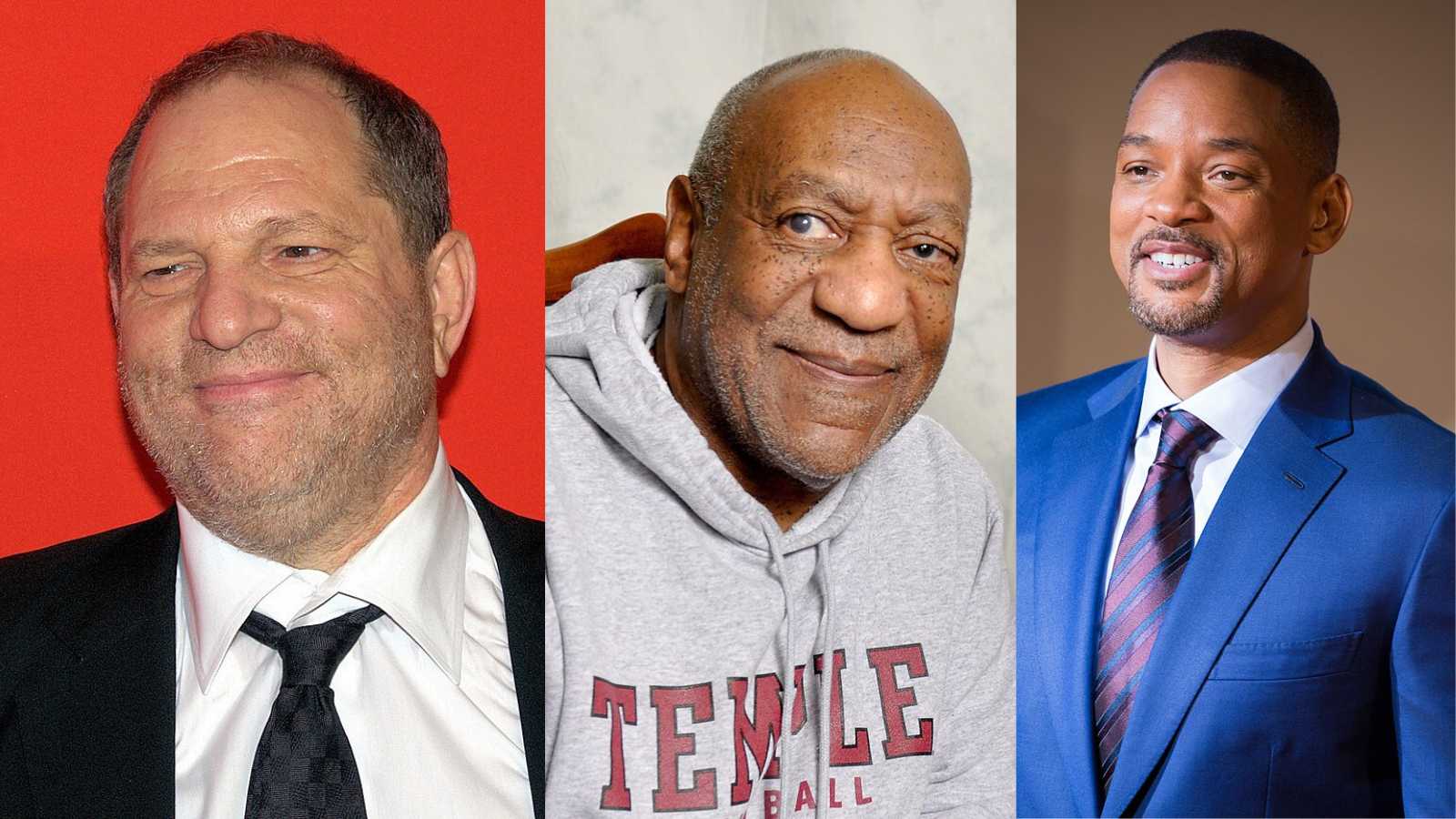
The Oscars, an event where the brightest stars from Hollywood gather to celebrate their craft, isn’t just about glitzy gowns, golden statues, and acceptance speeches. It’s also about maintaining the integrity and reputation of the film industry.
The Academy of Motion Picture Arts and Sciences takes its membership standards seriously, and there are a few celebrities who have crossed lines so severe that they’ve faced the ultimate consequence: being banned from attending the prestigious awards show. These bans are not just punishments but also reflections of the Academy’s commitment to maintaining its ethical standards, even if it means distancing itself from its own members.
Here are some of the most notable figures banned from the Oscars, along with the stories behind their exclusions.
Carmine Caridi
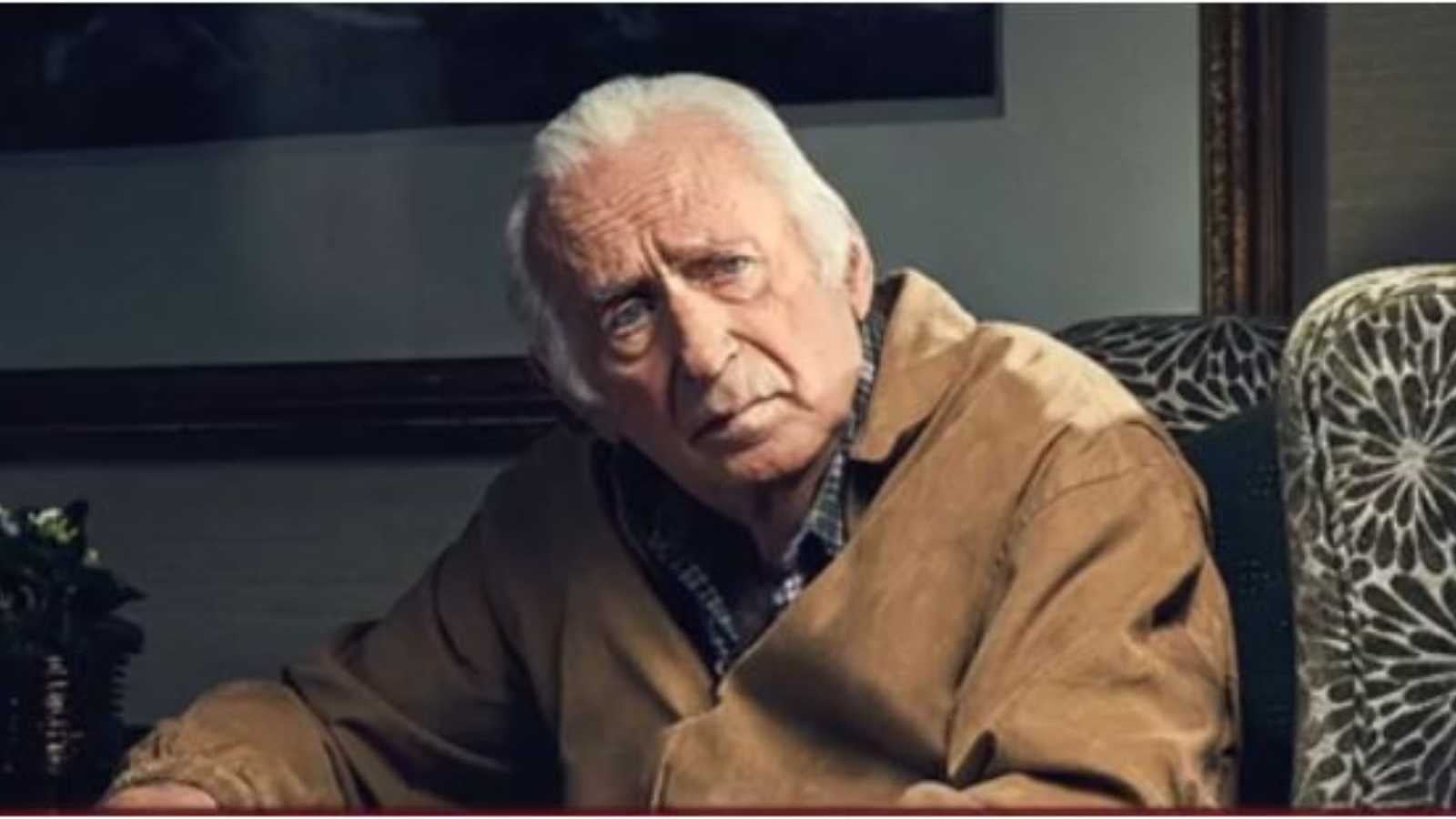
In 2004, the Academy took an unprecedented step by expelling Carmine Caridi, a character actor known for his roles in The Godfather films and The Sopranos. His crime? He was caught distributing illegal Oscar screener copies. These screeners, preview copies of films sent to Academy members for consideration, are strictly monitored. Caridi’s decision to share these films with friends and unauthorized individuals was a direct violation of the Academy’s rules.
As a result, Caridi became the first-ever expelled member of the Academy, permanently banned from attending any Oscar ceremonies. It was a significant moment in the Academy’s history, signaling its intent to enforce the highest ethical standards for its members. Caridi’s case showed that no one, regardless of their fame, is above the rules.
Will Smith

The 2022 Oscars ceremony will forever be remembered for one shocking moment: Will Smith slapping comedian Chris Rock after a joke about his wife, Jada Pinkett Smith. While the altercation was certainly a spectacle, it had long-lasting consequences for Smith’s career. The Academy took swift action by banning Smith from attending the Oscars for ten years. Smith also resigned from the Academy, acknowledging the damage his actions caused to both the ceremony and the industry at large.
While Smith can still be nominated for Oscars and win in the future, he won’t be allowed to attend or participate in the event until 2032. This ban was notable because it reflected the Academy’s intolerance for behavior that undermines the decorum and respect expected at its ceremonies. Smith’s actions served as a warning to all in the industry that even the most beloved stars aren’t immune from consequence if they fail to uphold the Oscars’ code of conduct.
Adam Kimmel
In 2021, cinematographer Adam Kimmel became the latest figure to be banned from the Oscars due to misconduct. He was expelled from the Academy after accusations of sexual assault came to light. These allegations were enough for the Academy to revoke Kimmel’s membership, making him one of the more recent figures to face this kind of punishment.
His expulsion was particularly impactful because the Academy has generally been more lenient toward film industry professionals in technical categories, but Kimmel’s situation highlighted that no one in Hollywood, no matter their role, is immune to the consequences of their actions.
Roman Polanski

Roman Polanski, the iconic director of Chinatown and The Pianist, has faced a storm of controversy for years. His 1977 conviction for the sexual assault of a 13-year-old girl in Los Angeles led to his fleeing the United States to avoid sentencing. Despite continued critical acclaim, Polanski’s legal issues have haunted him throughout his career. In 2018, after continued scrutiny and public outcry, the Academy voted to expel him, making it clear that his legal issues and moral failings could no longer be overlooked.
This decision was not just a result of his conviction but also his decision to evade the U.S. legal system. Polanski’s expulsion serves as a reminder that even Hollywood’s most celebrated directors are not above the law, and the Academy made sure to distance itself from his actions.
Harvey Weinstein
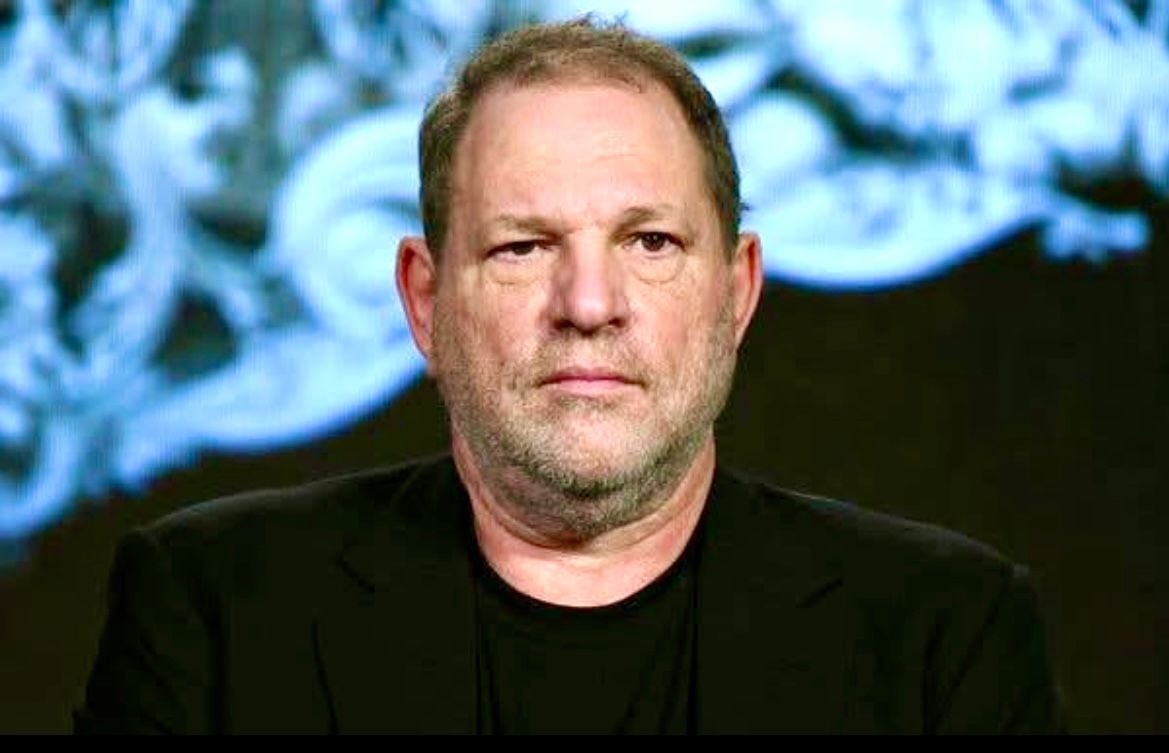
Harvey Weinstein, once one of the most powerful figures in Hollywood, saw his empire crumble in the wake of multiple allegations of sexual harassment, assault, and misconduct. In 2017, when the full scope of Weinstein’s abusive behavior came to light, the Academy acted quickly and expelled him from its ranks. The decision was widely expected, given the magnitude of the allegations and the numerous women who came forward to accuse him of predatory behavior.
Weinstein’s expulsion not only marked the end of his Academy membership but also symbolized the #MeToo movement’s powerful impact on Hollywood. Weinstein’s ban was a stark reminder that the Oscars would no longer tolerate unethical behavior, even from the most influential players in the industry.
Richard Gere
Though Richard Gere has never been officially banned from the Academy, his temporary exclusion from the Oscars in the 1990s is worth mentioning. In 1993, Gere made public remarks critical of China during an Oscars broadcast, protesting its human rights record. While these comments didn’t result in a permanent ban, they did cause significant backlash at the time.
The Academy distanced itself from Gere for his political stance, but after a few years, the situation cooled, and Gere was allowed to attend future events. While Gere’s situation wasn’t as difficult as the others listed here, it was an example of how the Academy enforces its own brand of neutrality in the political realm.
Bill Cosby
Bill Cosby was once the face of wholesome family entertainment, best known for his role in The Cosby Show. However, after numerous allegations of sexual assault spanning decades, Cosby’s career came to a screeching halt. In 2018, following his conviction for drugging and sexually assaulting Andrea Constand, Cosby was expelled from the Academy. The Academy issued a statement declaring that Cosby’s actions had “adversely impacted” the integrity of the film industry, and as a result, he was stripped of his membership.
While his conviction was later overturned for legal technicalities, the Academy stood firm in its decision, cementing Cosby’s permanent exclusion from the Oscars. The case was a clear message from the Academy: actions off-screen can have real consequences for one’s career, even at the highest levels of Hollywood.
Conclusion
The Oscars have long been a celebration of excellence in film, but they also reflect the industry’s ongoing efforts to uphold ethical standards. The expulsion of high-profile figures like Bill Cosby, Roman Polanski, and Will Smith reminds us that personal conduct matters just as much as professional accomplishments.
The Academy’s response to these scandals has been swift and decisive, making it clear that maintaining the Oscars’ dignity is paramount. As Hollywood continues to evolve, it will undoubtedly face more challenges, but one thing is certain: the Academy will stand firm in its commitment to upholding its standards, no matter the cost.